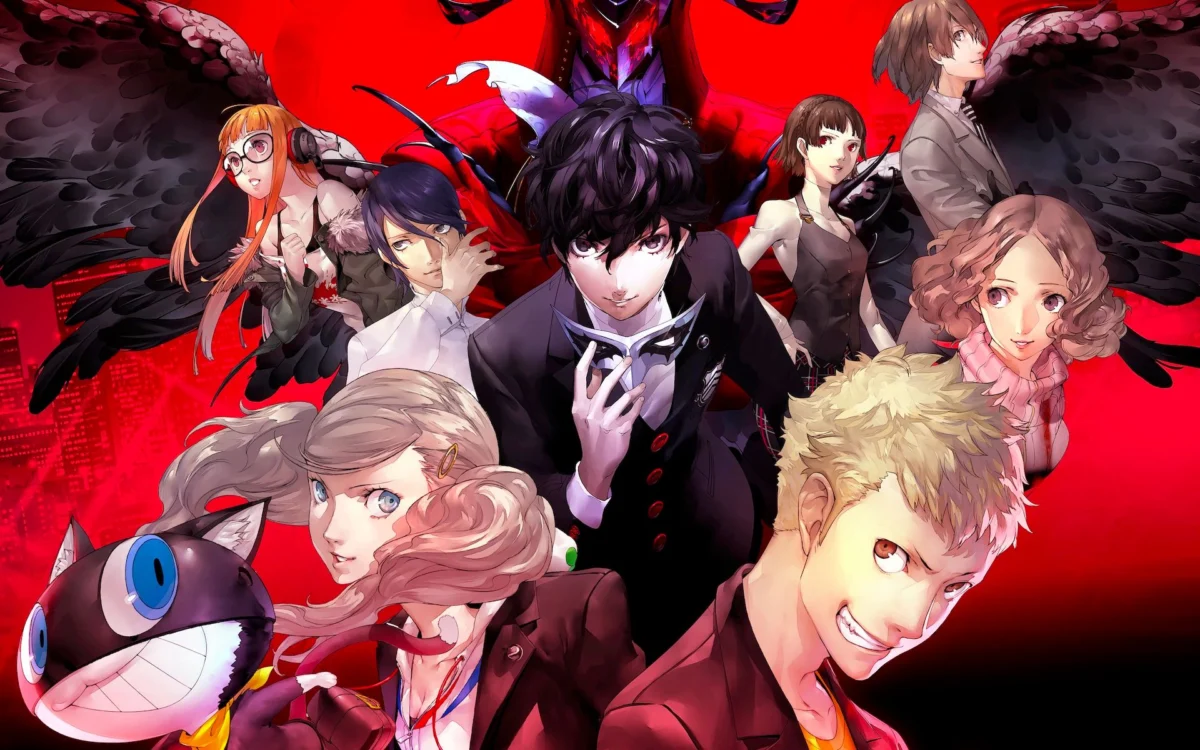
In a move that signals a significant escalation in the streaming wars’ battle for intellectual property, Netflix has officially begun development on a live-action television adaptation of Atlus’ seminal role-playing game franchise, Persona. The project, which seeks to capture the surreal, high-stakes drama of the long-running series, is currently in the early stages of development, bringing together some of the most prominent creative forces in modern genre storytelling.
As the lines between interactive gaming and prestige television continue to blur, the Persona adaptation represents a massive creative gamble for both Netflix and the game’s publisher, Atlus. By blending the supernatural aesthetic of the franchise with the high-production values synonymous with its creative partners, Netflix is aiming to turn a cult-classic Japanese RPG into a global pop-culture phenomenon.
The Powerhouse Behind the Project
The production is being spearheaded by a collaboration between two heavyweight entities: Story Kitchen and 21 Laps.
Story Kitchen, known for their work in translating gaming IPs for the screen, has already established a strong track record with the successful Sonic the Hedgehog film franchise for Sega. Their involvement provides a level of comfort to fans wary of the "curse" of video game adaptations.
Complementing them is 21 Laps, the production company founded by director and producer Shawn Levy. Levy is perhaps best known for his work on Stranger Things, the massive Netflix hit that defined the "supernatural coming-of-age" genre for a generation. Given Persona’s central premise—teens navigating the complexities of high school life while balancing secret, world-saving identities—the thematic overlap between Persona and Stranger Things is impossible to ignore.
Variety, which first broke the news, reports that the adaptation will be written and showrun by Christopher Monfette. Monfette’s resume is a roadmap of high-concept genre television, including stints on Star Trek: Picard, the time-travel drama 12 Monkeys, and the procedural hit 9-1-1. He is also currently attached as a writer and producer for Marvel Television’s upcoming VisionQuest, suggesting a creator who is well-versed in navigating complex, interconnected narrative universes.
A Chronology of the Franchise: From PlayStation to Prime Time
To understand the weight of this announcement, one must look at the historical trajectory of the Persona franchise.
- 1996: The series begins as a spinoff of the broader Shin Megami Tensei franchise with the release of Persona for the original PlayStation. It introduces the core mechanics of "Personas"—manifestations of the psyche used in combat—and the concept of exploring the psychology of its characters.
- 1999–2008: The franchise matures with the release of Persona 2 and the critically acclaimed Persona 3 and Persona 4. These entries solidified the formula of balancing life-simulation elements (school, relationships, part-time jobs) with deep, turn-based dungeon crawling.
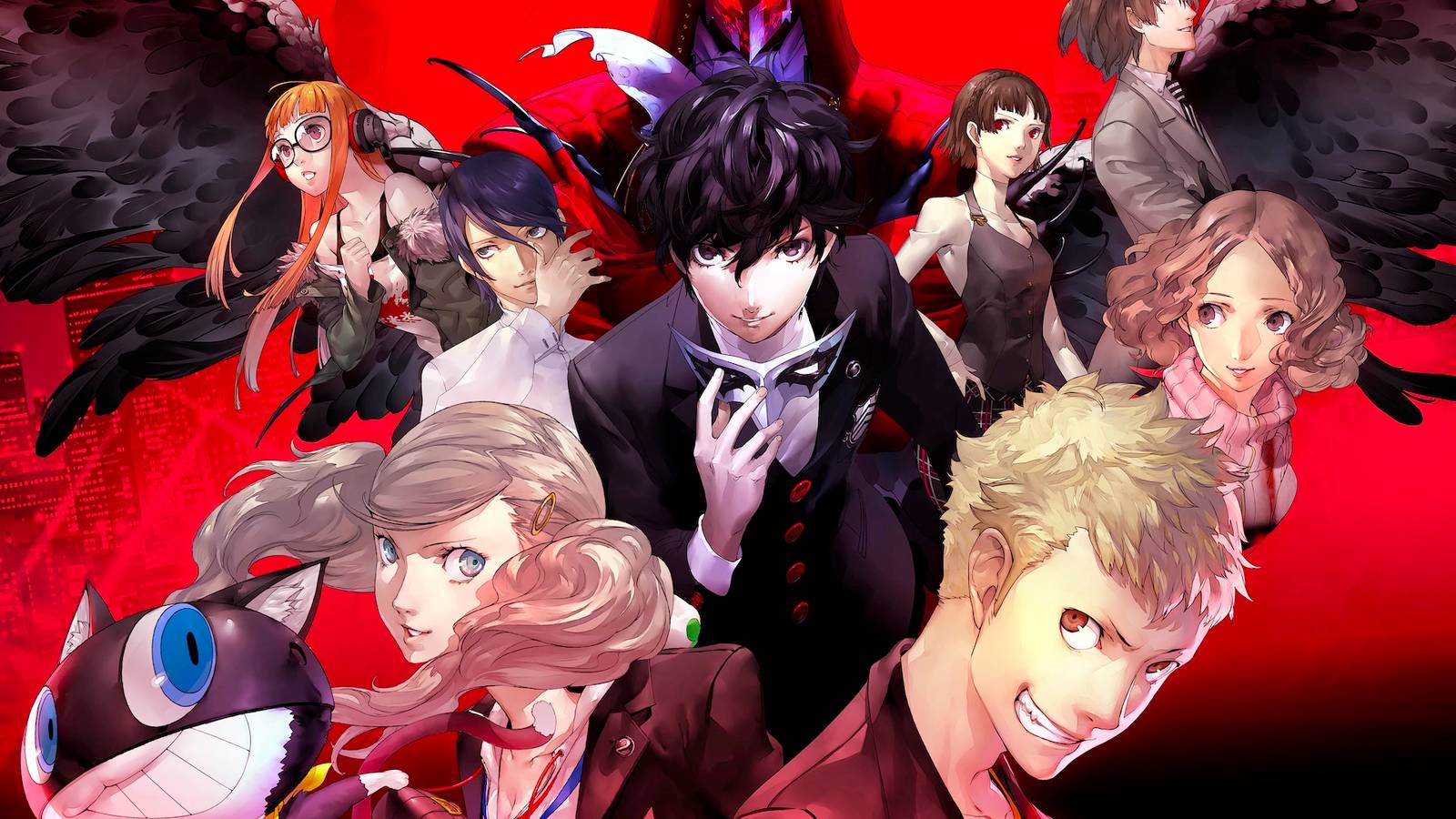
- 2016: The release of Persona 5 marks the series’ transition into a global mainstream juggernaut, praised for its stylish UI, jazz-inspired soundtrack, and social commentary on corruption and societal rebellion.
- 2026: With the recent announcement of Persona 6 in early June and the reveal of Persona 4: Revival—a high-fidelity remaster of the 2008 classic slated for February 2027—the franchise is currently at the peak of its visibility. The announcement of a live-action series follows the momentum of this "Persona Renaissance."
The Complexity of Adaptation: Why Now?
The "Persona" formula is notoriously difficult to capture in other media. The games are massive, often exceeding 100 hours of gameplay, characterized by dense dialogue, intricate social links, and a very specific "J-RPG" aesthetic that relies heavily on the medium of anime and static portraiture.
However, Netflix has been refining its approach to this exact challenge. The company’s strategy has evolved from hit-or-miss live-action attempts—such as the short-lived Resident Evil series—to highly successful animated adaptations like Arcane (League of Legends), Castlevania, and the upcoming Devil May Cry.
The challenge for the live-action Persona series will be tonal balance. The franchise is known for its ability to switch instantly from lighthearted, comedic high school antics to dark, psychological exploration of trauma, social alienation, and the "shadows" of the human psyche. If the show can replicate the specific "social sim" rhythm of the games—where the mundane life of a student is just as important as the supernatural battle—it could set a new benchmark for live-action gaming adaptations.
Official Responses and Industry Context
While neither Atlus nor Netflix has released a formal press release containing specific plot details, the industry buzz surrounding the show suggests that the "social contract" between the studio and the fans is paramount.
The choice of Christopher Monfette indicates a desire for a "prestige" feel. By hiring someone with a background in character-driven sci-fi like 12 Monkeys and Star Trek, the production seems intent on grounding the supernatural elements in the emotional reality of the characters.

The involvement of Shawn Levy’s 21 Laps is also telling. Levy’s signature style—which blends nostalgic 80s aesthetics with modern emotional stakes—is a perfect template for a Persona show. If Stranger Things taught Netflix anything, it is that audiences are eager for stories about "the outcasts who save the world." This is, at its core, the exact premise of every Persona game.
The Implications: A New Era for Gaming Media
The development of this series has massive implications for the future of the industry.
- Normalization of "Prestige" Gaming TV: For years, video game adaptations were viewed as "B-tier" content. The success of HBO’s The Last of Us and Amazon’s Fallout has shifted the paradigm. Persona represents the next frontier: the Japanese Role-Playing Game (JRPG). If successful, this could open the floodgates for other massive Japanese franchises like Final Fantasy or Yakuza to find a home on Western streaming services.
- Cross-Media Synergy: The timing of the series development, coinciding with the anticipation for Persona 6 and the upcoming Persona 4: Revival, is no coincidence. This is a deliberate "ecosystem" play. By placing the brand in the zeitgeist through a live-action show, Netflix and Atlus are ensuring that when the next game drops, the audience is far broader than it would have been otherwise.
- The "Persona" Aesthetic as a Brand: The visual language of Persona—the bright reds, the stylized menus, the eclectic soundtrack—is as important as the story. If the live-action show can translate this visual flair into cinematography, it will distinguish itself from the grittier, more realistic look of many current sci-fi shows, potentially creating a new visual trend in television.
Conclusion: A High-Stakes Classroom
The road to a live-action Persona series is long and fraught with potential pitfalls. Fans of the franchise are notoriously protective of the lore, the characters, and the music. However, with the backing of a proven producer like Shawn Levy, the narrative expertise of Christopher Monfette, and the massive distribution power of Netflix, the project has the necessary ingredients to succeed.
For now, the project remains in the development phase. There is no release date, no cast, and no confirmation of which game in the series the show will adapt. Will it focus on the Phantom Thieves of Persona 5, or perhaps the investigation team of Persona 4? Given the massive appeal of Persona 5, many analysts speculate that the series will likely lean into the themes of rebellion and societal reform found in that entry.
One thing is certain: the world of Persona is coming to live-action. Whether it manages to summon the same magic that made the games a global phenomenon remains to be seen, but the stakes have never been higher for the intersection of gaming and television. The students of Yasogami or Shujin High are preparing for their biggest battle yet, and for the first time, it won’t just be on a console screen—it will be on television sets worldwide.