In the high-stakes world of personal finance, we are often conditioned to view "investing" through a narrow lens: stocks, bonds, real estate, and the relentless pursuit of an ever-increasing net worth. However, for Dr. Jordan Grumet, a hospice physician who spends his days in the quiet, reflective corridors of the end-of-life journey, the true metrics of success are far more profound—and far less liquid—than a portfolio balance.
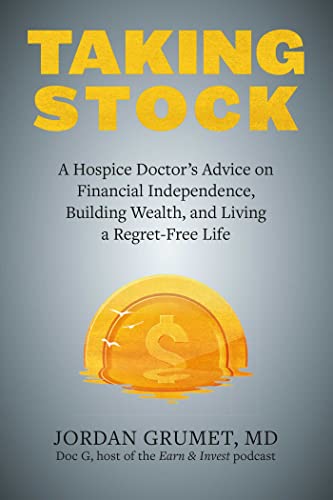
In his seminal work, Taking Stock, Grumet draws upon years of witnessing what truly matters when the clock runs out. His thesis is both jarring and liberating: most of what we need to know about investing has nothing to do with money. By analyzing the lives of those nearing their final chapter, Grumet has identified a blueprint for a life well-lived, proving that the most significant returns are found in human connection, self-actualization, and physical well-being.
The Wisdom of the End-of-Life Perspective
The genesis of Grumet’s philosophy is rooted in an unlikely friendship with a local undertaker. Through their philosophical dialogues, Grumet realized that individuals who operate at the intersection of life and death possess a unique clarity. When someone spends their career managing the final transitions of others, they develop a keen sense of what remains when the material world falls away.
Grumet argues that while the wealthy often provide lessons on fiscal management, they are not necessarily the experts on living. Instead, the real wisdom comes from the "lonely path" of the dying. These individuals, stripped of the pretense of corporate titles or financial status, offer a raw, unvarnished look at the investments that yield the highest dividends.
Invest in Yourself: The Foundation of Meaning
The journey of intentional living begins with the self. Grumet identifies two primary pillars for personal investment: self-forgiveness and the power of slow, incremental growth.
The Heavy Toll of Remorse
Remorse is a universal human experience, but its impact on our ability to build wealth—emotional or financial—is often underestimated. Grumet recounts the story of "Gerald," a patient whose life was dismantled by a singular, lingering regret. After losing his job in corporate America, Gerald spiraled into alcoholism, leading to the estrangement of his family and irreversible physical damage.
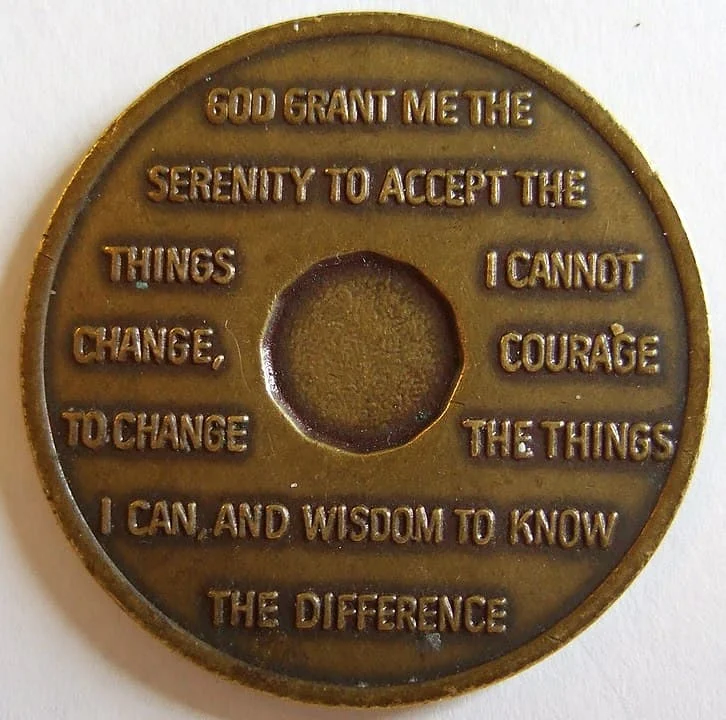
Grumet notes that the tragedy of Gerald’s life was not just the job loss, but the inability to move past it. The lesson is clear: self-blame, while occasionally useful for introspection, becomes a destructive force when it prevents us from moving forward. True self-investment requires the courage to change what we can and the grace to forgive ourselves for the rest.
The Power of Incremental Gains
In a culture obsessed with "get-rich-quick" schemes and immediate gratification, Grumet advocates for the "tortoise" approach. By improving a skill, a relationship, or a personal habit by just one percent per month, an individual can realize exponential returns over a lifetime. This principle suggests that we must shed our "limiting beliefs"—the self-imposed ceilings that prevent us from achieving our potential.
Education as an Emergency Fund
Grumet challenges the traditional view of education as a mere credentialing process. Instead, he positions knowledge as a primary "emergency fund."
When financial assets are depleted or when the world shifts unexpectedly, our knowledge base—our ability to learn, adapt, and solve problems—remains. He encourages readers to invest in education not just through formal schooling, but through voracious reading, online courses, and, crucially, the willingness to "say yes" to foreign or uncomfortable experiences.
"Knowledge is the emergency fund in which you shield your happiness," Grumet writes. This intellectual compounding is what keeps a person vibrant until their final day. In his hospice practice, he frequently observes that the happiest patients are those who continue to pursue questions, read books, and remain curious even as their physical strength wanes.
The Social Dividend: Investing in People
If net worth is a measure of past labor, the depth of one’s relationships is a measure of a life’s total impact. Grumet describes his ability to predict the emotional "success" of a patient before even entering their room. The most successful patients are not necessarily those with the largest bank accounts, but those surrounded by the tangible artifacts of a life connected to others: letters, photos, and a constant stream of visitors.
Building a Legacy
Investing in others generates a compound interest of love and happiness that survives long after we are gone. For Grumet, this lesson was personal. It was only after he embraced his identity as a writer and podcaster in the personal finance space that he found his true community. This connection provided him with the courage to redefine his purpose.
He places a specific emphasis on investing in children. By teaching them about money, morality, and resilience, we are essentially extending our own influence into the future. Our children become the "undertakers" of our dreams, carrying our values forward like a ripple in a vast ocean.
Physical and Mental Health: The Necessary Vessel
None of these investments—education, relationships, or career growth—are sustainable without a healthy framework. Grumet views the body and mind as the primary assets upon which everything else is built.
"There’s no financial well-being without mental and physical well-being," he asserts. His advice is practical:
- Mental Health: Seek professional counseling and practice mindfulness. Do not let internal, disruptive voices dictate your reality.
- Physical Health: "Perfect is the enemy of good enough." Aim for thirty minutes of movement a day—something sustainable, not something loathsome.
He warns that the use of substances to escape reality is a "high" that is both artificial and short-lived, often serving as a barrier to the clarity required for long-term planning.
The Role of the Market
While Grumet emphasizes non-monetary assets, he does not dismiss the necessity of financial security. Taking Stock serves as a guide to getting the "money right" so that the reader can focus on more important endeavors. He advocates for:
- Low-cost index funds: Keeping investment simple and accessible.
- Automated savings: Removing the friction of decision-making.
- Long-term perspective: Ignoring the noise of short-term market volatility.
He is careful to frame financial basics as a "necessary but not sufficient" condition for a meaningful life. Money is the tool that buys you the time to invest in what truly matters.
Implications for the Modern Investor
The implications of Grumet’s work are profound. If we spend our lives solely focused on accumulating capital while neglecting our internal development, our relationships, and our health, we risk reaching the end of our journey with a full bank account but an empty life.
Grumet’s call to action is immediate. He suggests that readers perform a "Non-Monetary Investment Inventory." By creating three columns—1 to 10—and listing personal, social, and physical assets, one can calculate their "non-financial wealth." When this is added to a traditional net worth calculation, the result is a clearer picture of whether one is truly on the path to independence.
Conclusion: Preparing for the Unexpected
Ultimately, Grumet’s philosophy is about preparation. Just as one creates an estate plan, one must create a life plan. We must be as prepared for life as we are for death.
Building a life of meaning, purpose, and connection is a "taxing" process. It requires time, energy, and the willingness to face uncomfortable truths. Yet, as Grumet witnesses daily, it is the only investment that truly pays off in the long run. By prioritizing the internal and the interpersonal, we ensure that when we eventually look back, we do so without the burden of regret, having spent our time on the things that endure.
As Grumet concludes, "Your time on this earth is short, but your legacy is the sum of what you poured into others." Investing in yourself is not just a financial strategy—it is a moral imperative.