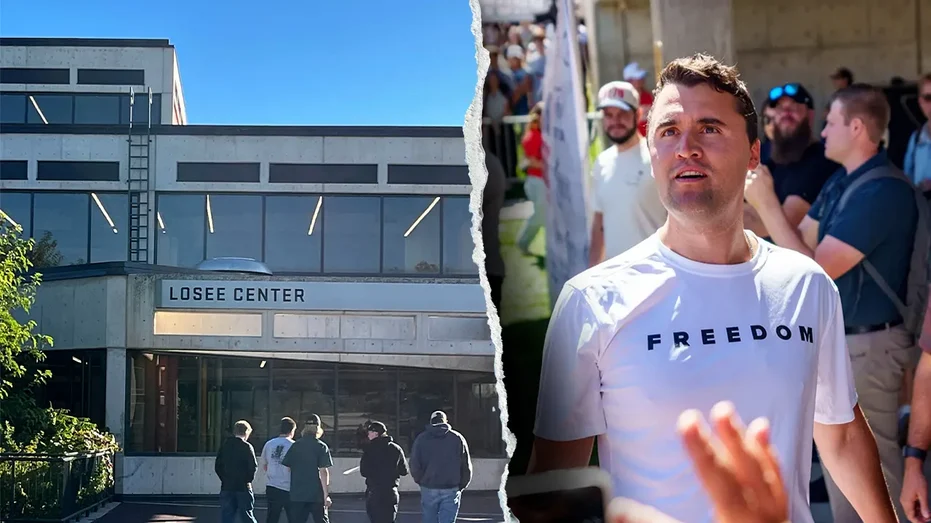
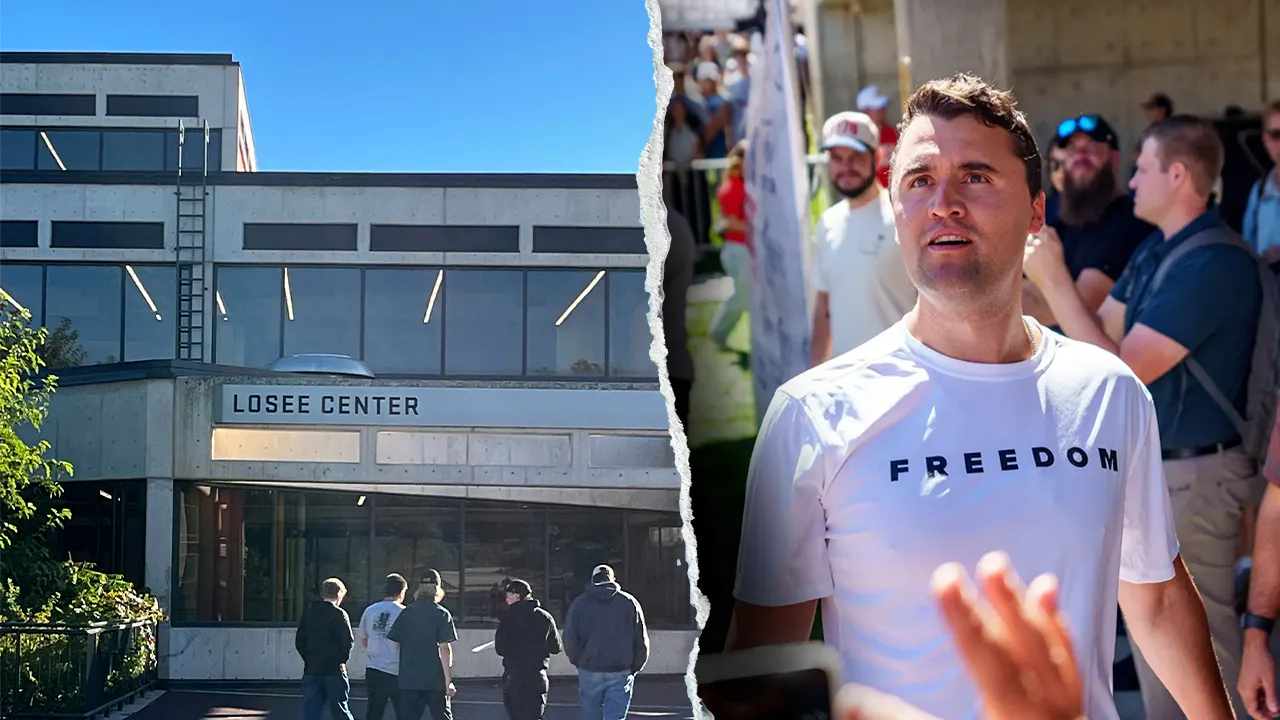
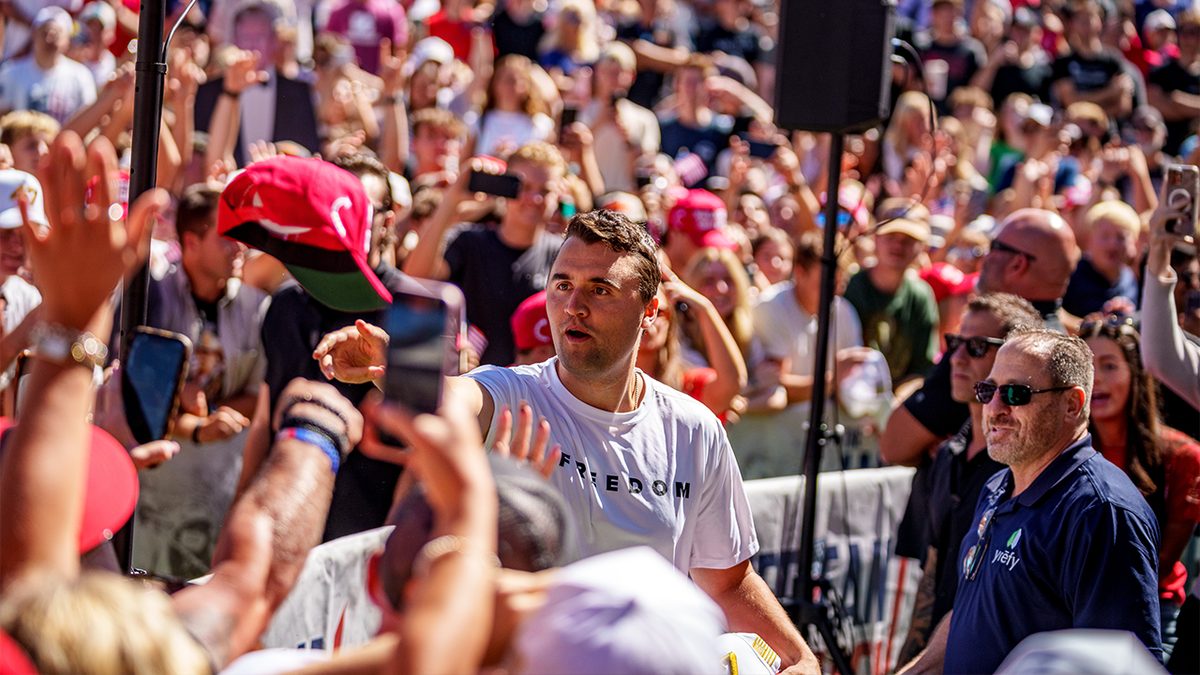
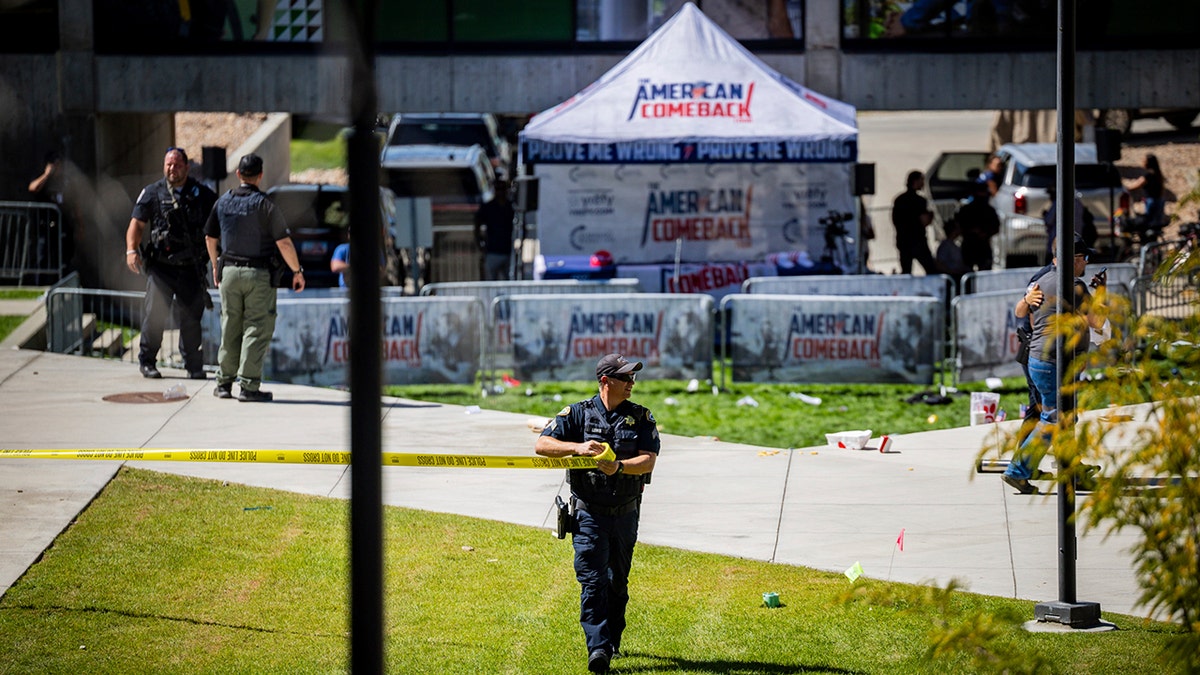
OREM, Utah — An exhaustive, 158-page independent investigation into the security apparatus surrounding the assassination of Turning Point USA (TPUSA) founder Charlie Kirk has revealed a series of systemic lapses, inconsistent policy applications, and critical communication breakdowns at Utah Valley University (UVU). Kirk was shot and killed on September 10, 2025, during an outdoor stop of his "American Comeback Tour" in the university’s central Fountain Courtyard.
The report, compiled by the Lake Forest Group and commissioned by the university, represents the first comprehensive, external look at the institutional failures that allowed an armed assassin to secure an elevated sniper position on campus. While the review concluded that no university personnel acted "in bad faith or in willful and wanton disregard for the safety of others," it identified ten "key findings" pointing to a severely underprepared security posture for a high-profile, high-risk public event.
Main Facts of the Incident and the Independent Inquiry
The newly released report paints a sobering picture of the security landscape at Utah Valley University on the day Charlie Kirk was assassinated. The Lake Forest Group’s findings detail a cascade of administrative and operational failures that left the venue vulnerable to a long-range threat.
Key Findings of the Security Review
The independent reviewers identified several critical vulnerabilities in UVU’s operational execution:
Inconsistent Policy Application: The university’s application of its own event management and safety policies was deemed "significantly inconsistent," creating confusion regarding roles, responsibilities, and risk assessment parameters.
Insufficient Outdoor Security: Security planning was fundamentally inadequate for a high-profile, outdoor event held in an open courtyard surrounded by multiple multi-story campus buildings.
Unmonitored Surveillance Systems: Despite possessing an extensive network of campus security cameras, the UVU Police Department did not assign a single officer or staff member to monitor the live video feeds during the event.
Inadequate Staffing and Training: The review recommended a complete overhaul of the university police department’s staffing levels and training regimens, noting that the department was not equipped to manage the elevated threat profiles associated with controversial national figures.
The Limitation of Modern Threat Assessment Protocols
A significant structural revelation in the report is that modern campus security frameworks—largely redesigned after the 2007 Virginia Tech massacre—proved entirely ineffective in preventing Kirk’s assassination. Over the last two decades, higher education institutions have heavily invested in threat assessment teams designed to identify, monitor, and mitigate internal threats, such as disgruntled students, faculty, or staff.
However, because the accused assassin, Tyler Robinson, had no prior affiliation with UVU, he never entered the university’s threat-monitoring systems. The report emphasizes that contemporary university security models remain dangerously blind to external, politically motivated actors who target open campus spaces from the periphery.
Chronology of the Lead-Up and the Day of the Tragedy
The 158-page report reconstructs a meticulous timeline of the decisions made between July 10 and September 10, 2025, revealing several critical junctures where the venue could have been altered or security measures heightened.
[Aug 25: Venue Confirmed] ──> [Aug 27: Event Approved] ──> [Sept 3: First Security Call] ──> [Sept 8: "Got You Covered" Text] ──> [Sept 10: Assassination]
   Courtyard selected           Approved without             TPUSA & UVU police            Chief Long texts TPUSA        Tyler Robinson fires
   despite safety concerns      documented security plan     hold initial coordination     regarding elevated walkway    from Losee Center roof
August 25, 2025: The Venue Decision
During initial planning meetings, several UVU officials expressed serious reservations about hosting the event in the outdoor Fountain Courtyard due to the inherent difficulties of securing an open-air venue surrounded by elevated structures. Despite these documented concerns, the university decided to keep the event outdoors, prioritizing public access and high attendance capacity over tactical defensibility.
August 27, 2025: Approval Without a Plan
Two days after the venue was locked in, university administrators formally approved the TPUSA event. However, the independent review found that this approval was granted without a completed, documented, or vetted security assessment plan in place, violating standard safety protocols for high-risk campus gatherings.
September 3, 2025: Delayed Tactical Coordination
With only one week remaining before Kirk’s scheduled appearance, UVU campus police and TPUSA’s private security detail held their first direct coordination meeting. This delay compressed the timeframe available to identify physical security vulnerabilities, coordinate multi-agency responses, and establish clear lines of communication.
September 8, 2025: The Rooftop Dispute and the "Got You Covered" Exchange
As the event neared, TPUSA organizers grew increasingly anxious about the physical layout of the Fountain Courtyard, specifically pointing out the vulnerability of the rooftops and elevated walkways overlooking the speaker’s podium.
On September 8, TPUSA security supervisor Dan Flood exchanged text messages with UVU Police Chief Jeffrey Long regarding these concerns. Chief Long sent a text message reading, "We got you covered."
The independent report, however, disputes the interpretation of this message. While TPUSA organizers believed Chief Long was confirming that law enforcement snipers or observers would secure the adjacent building rooftops, the Lake Forest Group review asserts that Chief Long’s message was sent strictly "in reference to the Hall of Flags outdoor pedestrian walkway," a raised pedestrian bridge directly above the courtyard, rather than the surrounding rooftops of the Sorensen or Losee Centers.
September 10, 2025: The Day of the Event
Morning Arrival: Dan Flood and the TPUSA security team arrived on campus and notified Chief Long via text.
Lack of Face-to-Face Integration: Despite multiple text exchanges throughout the morning regarding individuals gathering on the Hall of Flags walkway and near the Fountain Courtyard canopy, the TPUSA security team and UVU police officers never met in person to conduct a final briefing or walk-through.
The Shooting: At approximately 2:00 PM, while addressing a large crowd in the courtyard, Charlie Kirk was shot in the neck by a sniper. He died from his wounds shortly thereafter.
Supporting Data and Investigative Evidence
In the aftermath of the shooting, a multi-agency criminal investigation led by the Utah Department of Public Safety and federal authorities gathered substantial forensic and digital evidence linking Tyler Robinson to the crime scene.
The Physical Layout and Ballistic Trajectory
The spatial configuration of the UVU campus played a critical role in the execution of the attack.
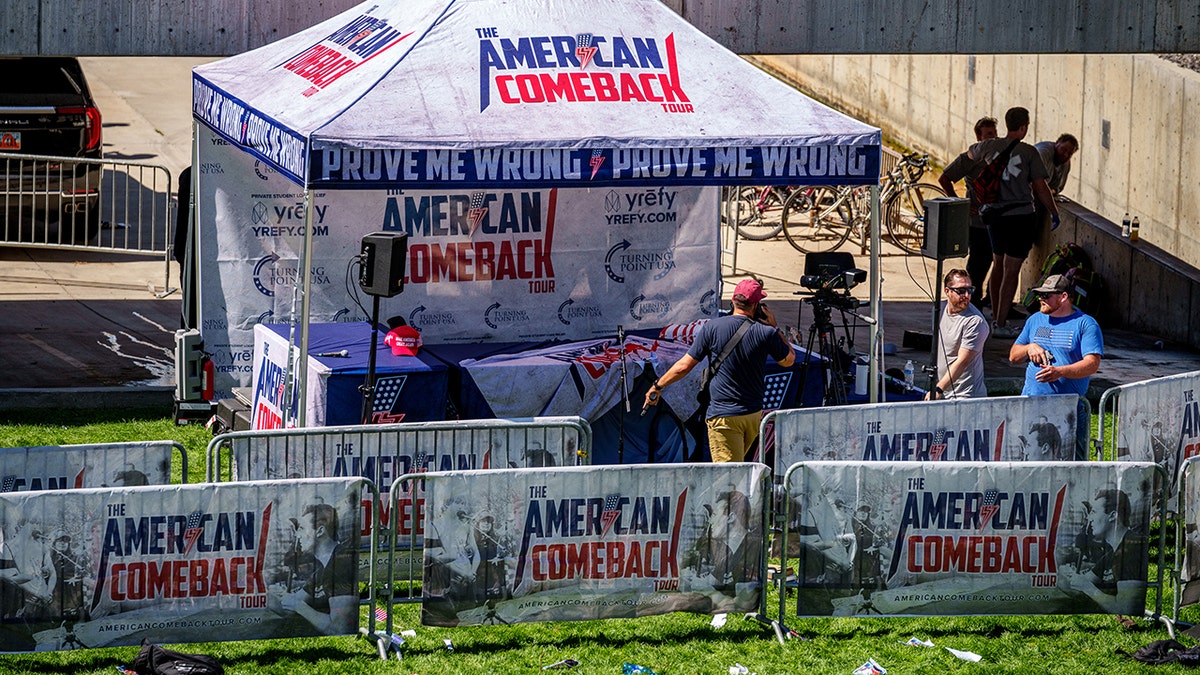
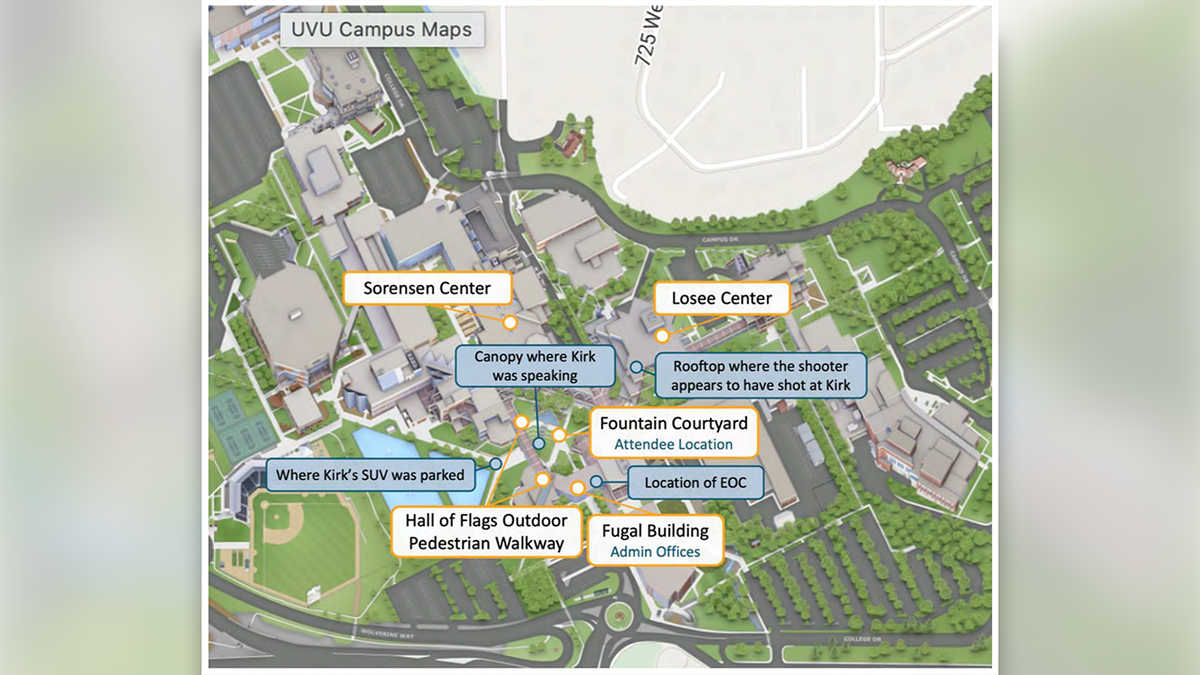
The Fountain Courtyard: The central gathering space where Kirk was speaking under a temporary fabric canopy.
The Hall of Flags Walkway: An elevated pedestrian walkway directly above the speaking area. This walkway was closed to the public for the event, which UVU police believed resolved the primary overhead threat.
The Sorensen Center: Located directly north of the courtyard, identified by the Kirk family as a primary unmonitored risk.
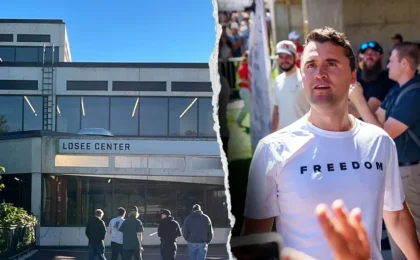
The Losee Center: Located to the northeast of the courtyard. It was from the roof of this building that the fatal shot was fired.
According to testimony delivered during preliminary court hearings, investigators recovered Tyler Robinson’s fingerprints and a distinct palm print near the edge of the Losee Center roof, matching the exact location where the sniper positioned himself.
Furthermore, federal agents testified that they recovered text messages sent by Robinson shortly after the shooting. In these messages, Robinson allegedly confessed to the assassination, apologized to his family for the impending fallout, and outlined a politically charged motive targeting Kirk’s conservative advocacy.
Official Responses and Legal Battles
The release of the Lake Forest Group’s report has reignited a fierce legal and public relations battle between the university administration and Charlie Kirk’s surviving family.
The Kirk Family’s Notice of Claim
Following the release of the report, Brett Parkinson, the attorney representing the Kirk family, issued a scathing statement accusing UVU of gross negligence:
"This report reaffirms the facts we laid out in our Notice of Claim: that UVU security was woefully understaffed and unprepared to manage the obvious risks associated with an event of this nature. UVU hosted this event, and in doing so, assumed responsibility for the safety of all in attendance, including Charlie. The buck stopped with UVU leadership and law enforcement. Justice for Charlie and his family requires true accountability for UVU’s fatal shortcomings that day."
The family’s legal filing challenges the report’s characterization of the text message exchange between Dan Flood and Chief Long. The Kirk family maintains that their security team explicitly raised concerns about the Sorensen and Losee Center rooftops, and that Chief Long’s "got you covered" text was a misleading assurance that led the private security detail to lower its guard regarding long-range sniper threats.
The family is currently seeking a path around Utah’s sovereign immunity laws—which traditionally shield government entities and police chiefs from personal liability—by arguing that the chief’s explicit text message constituted a unique, binding promise of protection that was subsequently breached.
Utah Valley University’s Position
A spokesperson for Utah Valley University declined to comment on the specific allegations in the Notice of Claim, directing inquiries instead to an official statement released by UVU President Jon Anderson.
President Anderson emphasized a commitment to reform while acknowledging the permanent scar left by the tragedy:
"September 10 will always be part of UVU’s history, but it will not define our future. Our responsibility is to care for our community, learn from the findings of this review, and follow through on its recommendations. This requires humility, an honest examination of our policies and practices, and a commitment to act on what we learn."
Implications for Campus Free Speech and Dignitary Security
The assassination of Charlie Kirk has sent shockwaves through American higher education and the national political landscape, forcing a fundamental reassessment of how universities balance public access, free speech, and physical security.
The Security Dilemma of Open Campuses
Public universities are legally bound by the First Amendment to provide open forums for free expression, which historically includes hosting high-profile, controversial speakers. However, the physical architecture of modern college campuses—characterized by open plazas, glass facades, and accessible rooftops—presents a nightmare scenario for tactical security teams.
In the wake of the UVU tragedy, security experts are warning that the era of open-air campus rallies for high-profile political figures may be coming to an end. Institutions are now considering policies that restrict such events to indoor, access-controlled arenas where metal detectors can be deployed, perimeter security can be guaranteed, and elevated sightlines can be entirely eliminated.
Structural Changes to TPUSA and Conservative Advocacy
For organizations like Turning Point USA, the loss of their founder has altered their operational paradigm. Since the assassination, conservative advocacy groups have dramatically increased their security budgets, hiring counter-sniper teams, utilizing armored vehicles, and demanding veto power over venue selections at public universities.
The tragedy has also fueled a broader debate over the polarization of campus discourse. While UVU’s administration has pledged to continue "hosting the frays" and embracing robust, protected speech, the physical danger now associated with such events has left many universities hesitant to approve visits from high-profile figures, fearing that their security infrastructure is simply inadequate to protect speakers and students from determined, external threats.