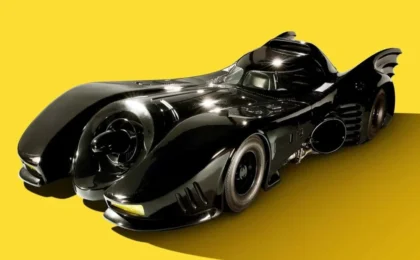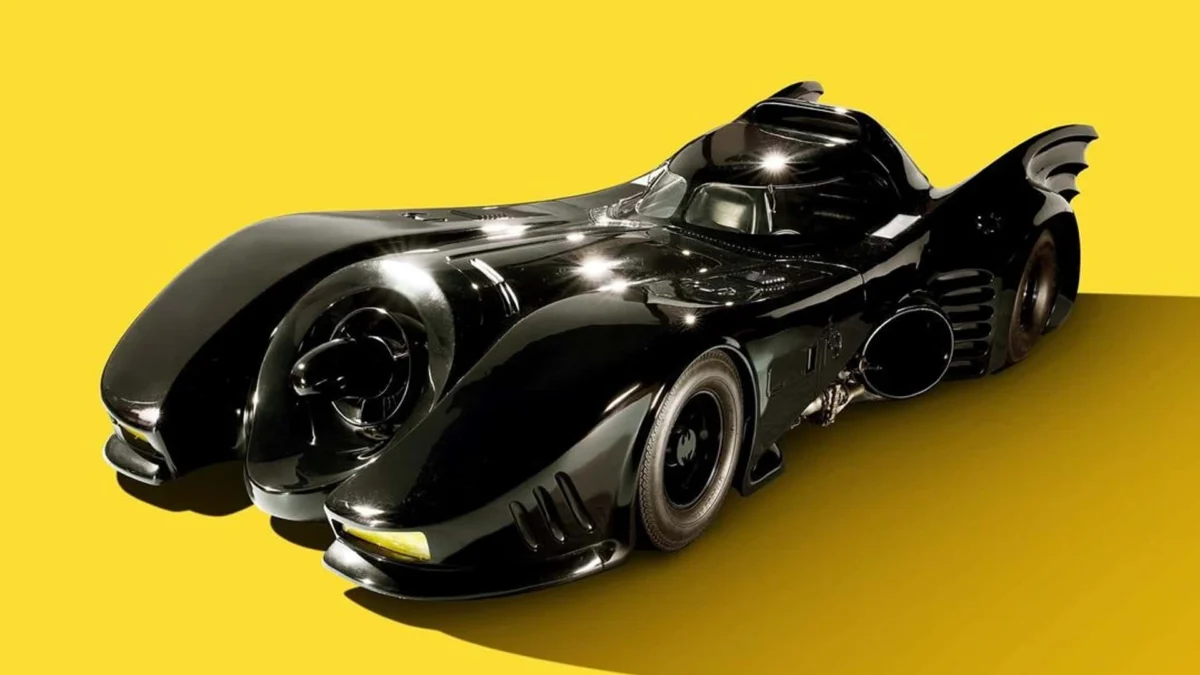
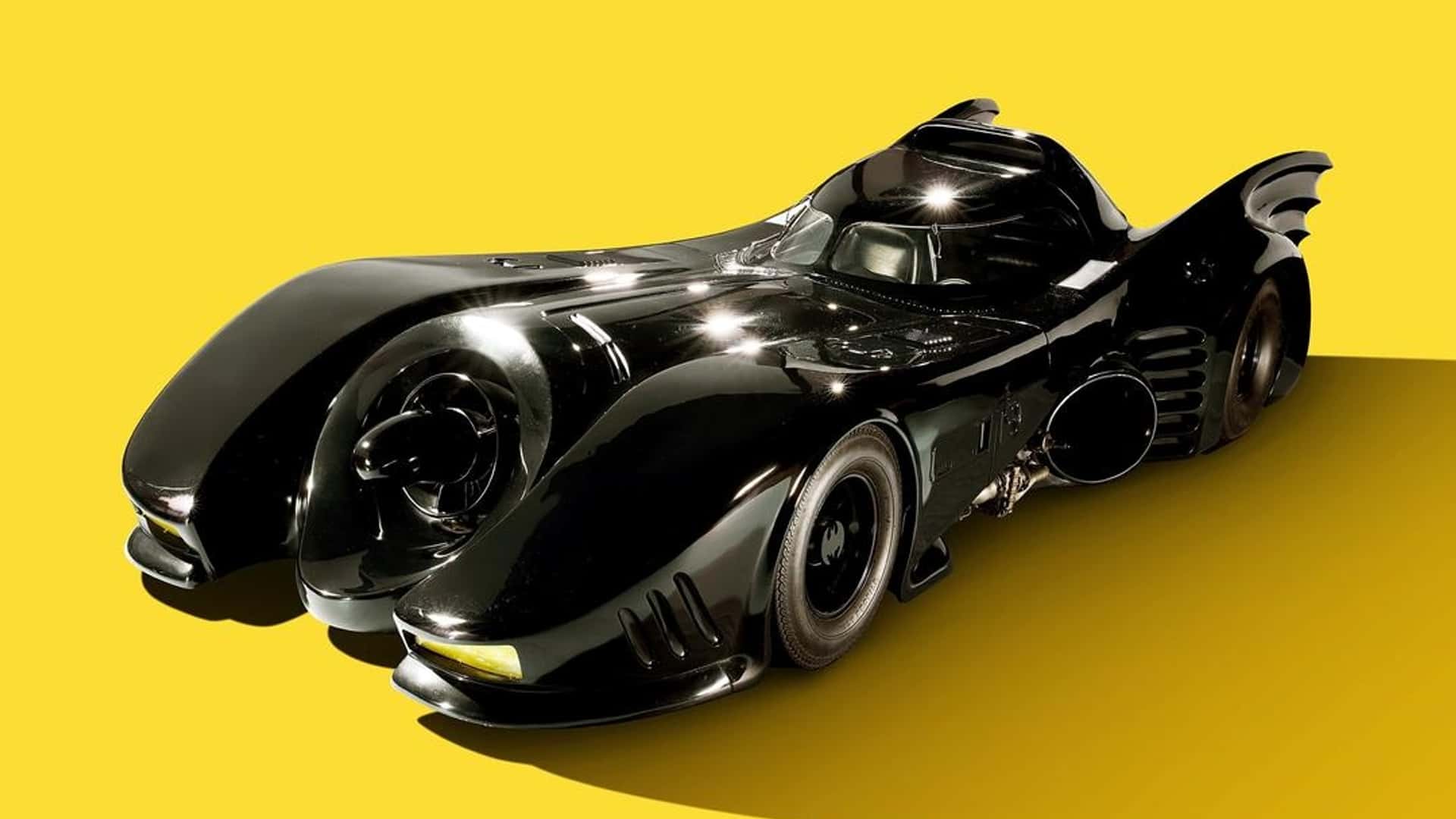
In the pantheon of cinematic history, few artifacts possess the cultural weight of the Batmobile. It is more than a prop; it is an icon of industrial design and a cornerstone of the Batman mythos. This November, a piece of that history—the screen-used "Hero" Batmobile from Tim Burton’s 1992 masterpiece, Batman Returns—will cross the auction block. Presented by Julien’s Auctions in partnership with Turner Classic Movies, the vehicle is expected to fetch between $5 million and $7 million, a valuation that, if realized, would secure its place as the most expensive movie car ever sold at public auction.
Anatomy of an Icon: Engineering the Gotham Machine
The 1992 Batmobile stands as a testament to the transition between practical model-making and the birth of modern blockbuster aesthetics. Unlike the sleek, mass-produced vehicles that occupy our highways, this machine was never intended to navigate a suburban commute. Its architecture is fundamentally visceral, built upon a hybridized chassis composed of two separate Chevrolet Impala frames spliced together to support its massive, 19-foot-8-inch fiberglass body.
The design, famously spearheaded by production designer Anton Furst, is rooted in the Art Deco movement—a deliberate choice to reflect the gothic, oppressive nature of Burton’s Gotham City. The vehicle features a signature turbine-inspired nose intake that flows into an elongated, sweeping body, culminating in the oversized rear fins that have become the universal shorthand for the Dark Knight. Beneath the one-piece front end lies a powerful Chevy V8 engine, mated to a three-speed automatic transmission, providing the necessary mechanical grunt to maneuver the heavy chassis during high-stakes filming sequences.
Crucially, the unit heading to auction is the verified "Hero" car. In the world of film production, "hero" vehicles are the primary units used for close-ups and dynamic sequences, distinct from "stunt" or "backup" cars. This specific example has been screen-matched to the primary driving scenes in Batman Returns, cementing its status as the definitive version of the car that graced the silver screen.
A Chronology of a Screen Legend
The trajectory of this Batmobile from the soundstage to the auction block is as storied as the film itself. Following its production, the vehicle was not relegated to a scrap heap or forgotten in a studio lot. Instead, it served as the centerpiece for the Batman Returns promotional tour, making grand appearances at the film’s high-profile premiere and its exclusive wrap party.
Following these festivities, the vehicle entered a period of preservation, eventually finding a long-term home at the Marconi Automotive Museum. During this tenure, the car remained largely untouched, retaining its original, high-gloss black finish. This level of preservation is a critical factor for high-end collectors, who prioritize "provenance" and "originality" above all else. In the current market, the demand for vehicles that remain as they were when they left the set—unrestored and authentic—has reached a fever pitch, mirroring the trends seen in the recent sales of rare, chassis-one supercars and curated, well-documented private collections.
The Economics of Nostalgia: Where the Batmobile Fits
To understand why the Batmobile is estimated to command up to $7 million, one must look at the shifting landscape of high-end memorabilia. The current record for a movie car is held by the 1966 Batmobile replica, which fetched $4.2 million in 2013. The 1992 iteration is poised to comfortably eclipse that figure, placing it in the rarified air of the 1968 Ford Mustang GT from Bullitt ($3.74 million) and the iconic 1965 Aston Martin DB5 from the James Bond franchise ($2.4 million).
The valuation is driven by a convergence of rarity, cultural impact, and the maturation of the Gen X and Millennial collector demographics. As these generations reach the peak of their purchasing power, the items that defined their youth—such as the Burton-era Batman films—have transitioned from pop-culture collectibles to legitimate investment-grade assets.
Furthermore, the auction house, Julien’s, has framed this event as a comprehensive "Ultimate Batmobile Auction." Beyond the vehicle itself, the sale will feature an extensive array of production materials, costumes, and props from the Batman film history. This holistic approach creates a "must-attend" environment for institutions and private museums, which are often the entities capable of paying the $5 million-plus premiums.
Official Perspectives and Market Implications
The significance of this sale is not lost on industry experts. "The 1992 Batmobile is perhaps the most significant vehicle to ever come to auction from the Batman franchise," says an auction spokesperson. "It is not just a prop; it is a character in the film. It helped define the aesthetic of an entire generation of cinema."
However, the acquisition of such a machine brings with it unique logistical and financial implications. Unlike a standard collectible car, the Batmobile is not a "turn-key" investment. It requires bespoke climate-controlled storage to protect the fiberglass body and custom-built hauling equipment for transportation. The sheer size of the vehicle, combined with its historical importance, means that the new owner will likely be tasked with ongoing conservation costs that rival the maintenance of a fleet of modern supercars.
This reality suggests that the car will likely not be seen on public roads. Instead, it is destined for display—either within a high-profile private collection or a cultural institution where its structural integrity can be managed by professional curators. By removing such an item from the public sphere, the sale paradoxically increases the "myth" surrounding the car, further driving up its potential long-term value.
The Road Ahead: More Than Just a Bid
As the date of the auction approaches, the automotive and film communities are watching closely. The sale of the 1992 Batmobile serves as a litmus test for the "Screen-Used" market. If the car hits the top end of its $7 million estimate, it will signal that film memorabilia has firmly established itself as a premier asset class alongside fine art and rare coins.
For the potential buyer, the purchase represents a commitment to history. They are not merely acquiring a modified Chevy Impala; they are acquiring the physical embodiment of a cinematic era. Whether it ends up in a private vault in Dubai or a museum wing in Los Angeles, the Batmobile will continue to cast a long shadow, reminding us of a time when the "Dark Knight" transformed the landscape of Hollywood and the dreams of moviegoers forever.
In the final assessment, the winning bid is merely the beginning of the vehicle’s next chapter. The true value lies in the legacy of the car—a machine that, while rooted in the chassis of a humble Impala, has transcended its origins to become one of the most recognizable icons of the 20th century. For the next owner, the price paid will be secondary to the honor of being the custodian of Gotham’s greatest machine.