When it debuted four years ago, the Renault Megane E-Tech Electric was more than just another model in the French automaker’s catalog—it was a statement of intent. As Renault’s first mass-production electric vehicle (EV) built upon a dedicated, clean-sheet platform, it signaled the brand’s definitive shift toward an all-electric future. Now, as the automotive landscape becomes increasingly competitive and technical standards evolve, Renault is revisiting its pioneer. The 2026 Megane E-Tech Electric arrives with a sophisticated mid-cycle facelift that doesn’t just refresh the aesthetic; it optimizes the powertrain, enhances charging efficiency, and integrates the latest in safety-oriented artificial intelligence.
A New Visual Identity: Refining the Diamond
The most immediate changes to the 2026 model are concentrated at the front fascia. The outgoing model was characterized by its unique, curved daytime running lights (DRLs) that swept across the upper section of the front bumper. While distinctive, the design was polarizing.
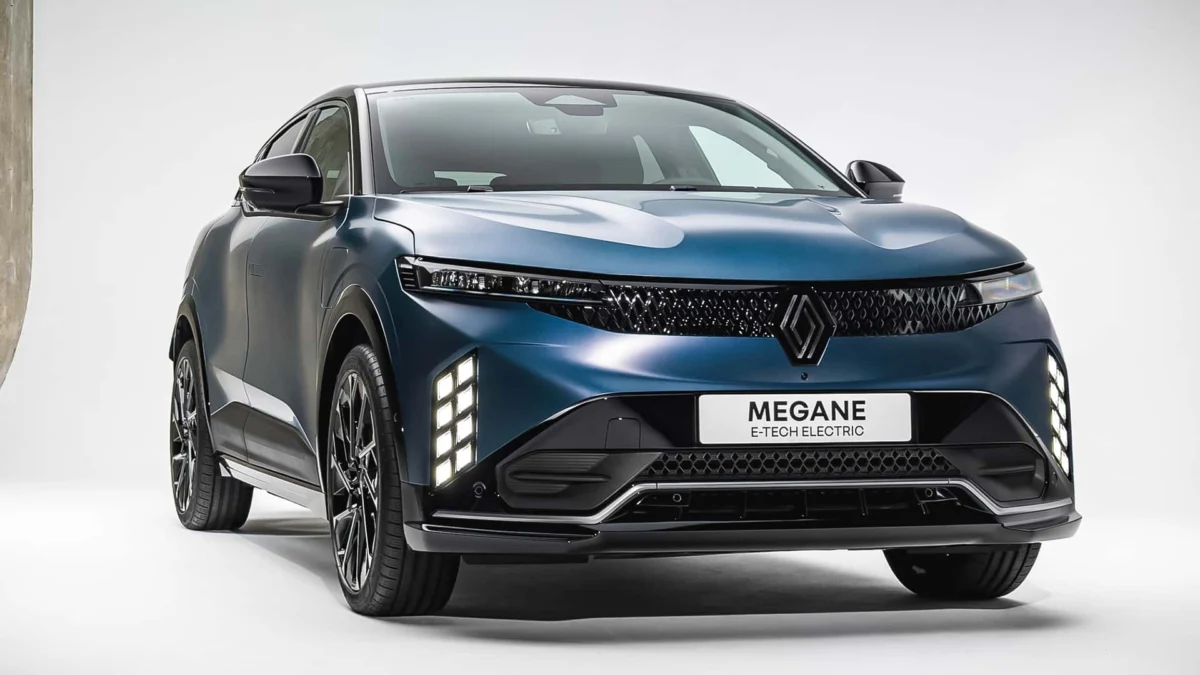
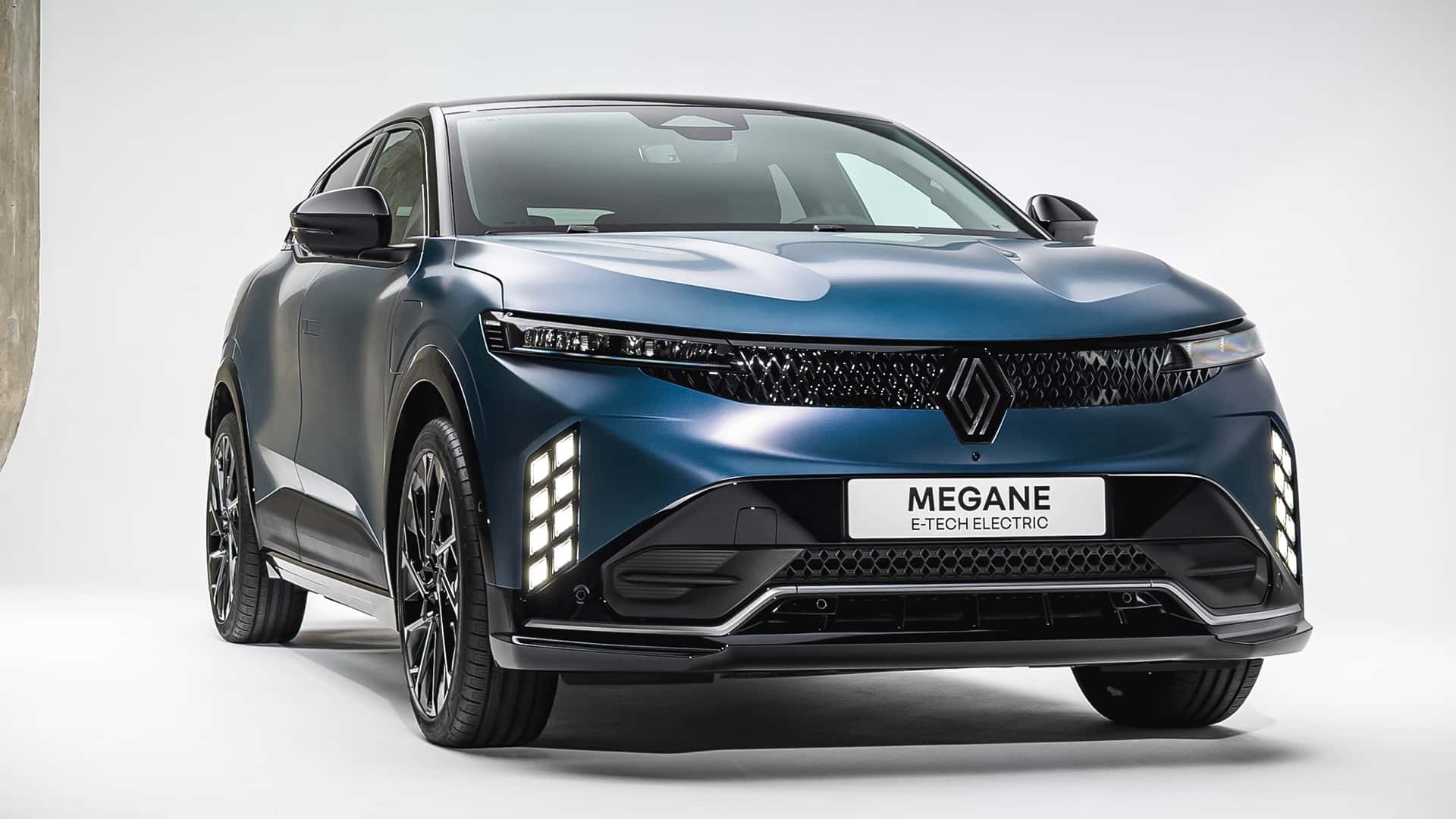
For the 2026 model year, Renault designers have opted for a more cohesive, geometric aesthetic. The curved lines have been discarded in favor of a new, sharp lighting signature that utilizes a diamond motif—a nod to the brand’s iconic logo. Each side of the bumper now features two sets of four stacked LED elements, creating a cleaner, more technical appearance.
The front grille, a glossy black panel that houses the charging port and primary sensors, has also undergone a subtle evolution. It now incorporates dozens of tiny, embossed rhombuses that flank the large, modernized Renault badge. This repetitive pattern, which echoes the "Nouvel’R" logo, serves to create a visual illusion of a wider, more planted stance. At the rear, the updates are equally deliberate: the taillights have transitioned to a three-dimensional design, ditching the previous glass-covered look for a more sculpted, depth-focused appearance. A redesigned rear bumper, complete with a more aggressive, diffuser-like element with vertical fins, completes the aerodynamic and visual overhaul.
Chronology of a Pioneer: From Debut to Refinement
To understand the significance of the 2026 refresh, one must look at the timeline of Renault’s EV strategy.
- 2021 (The Debut): The Megane E-Tech Electric was unveiled, introducing the world to the CMF-EV platform. It was the first vehicle to embody Renault’s "Renaulution" strategy, promising a blend of compact dimensions and class-leading digital interior space.
- 2022-2023 (Market Penetration): The model successfully established itself in the European B-segment crossover space, competing with the likes of the Volkswagen ID.3. During this time, Renault expanded its electric portfolio, launching the larger Scenic E-Tech and beginning development on its "reborn icons" series.
- 2024 (The Technical Pivot): Engineers began focusing on battery chemistry transitions, specifically moving toward Lithium Iron Phosphate (LFP) technology to improve safety, longevity, and production costs.
- 2026 (The Facelift): The updated Megane officially launches, marking the integration of the new battery architecture, faster charging protocols, and the implementation of mandatory EU-mandated driver monitoring systems.
Supporting Data: Efficiency and Performance Metrics
The headline for the 2026 model is undoubtedly the leap in energy management. The integration of a new 67 kWh (net) LFP battery pack is a technical masterstroke for the platform.
Battery and Range Performance
The switch to an LFP chemistry allows for a more stable energy density profile. On the WLTP cycle, the 2026 Megane E-Tech now achieves a range of up to 311 miles (500 kilometers). While the battery is physically larger than its predecessor—necessitating a 20-millimeter (0.8-inch) increase in ride height to accommodate the pack—the trade-off in range is significant for long-distance commuters.
Charging Dynamics
Renault has addressed the primary concern of EV owners: downtime. The DC fast-charging capacity has been bolstered by 35 kW, moving from the previous limit to a peak of 165 kW. This change is transformative for the user experience, cutting the time required to charge from 15 to 80 percent to just 24 minutes. This represents a 25 percent improvement over the previous model, placing the Megane back at the front of the pack in terms of convenience.
Powertrain Specifications
Despite the battery upgrades, the electric motor remains a familiar, reliable performer. Delivering 215 horsepower and 221 lb-ft (300 Nm) of torque, the front-wheel-drive setup is tuned for urban agility. It achieves a 0–62 mph sprint in 7.6 seconds, with an electronically limited top speed of 100 mph (160 km/h), balancing performance with the efficiency required for its electric range.
Technology and Safety: The Human-Machine Interface
In an era where many manufacturers are forcing all vehicle functions into expansive, sometimes frustrating touchscreens, Renault has made a refreshing choice: the retention of physical climate-control buttons. This commitment to ergonomics ensures that vital adjustments can be made without diverting the driver’s eyes from the road.
The interior remains anchored by the dual-screen setup: a 12-inch vertically oriented infotainment display and a 12.3-inch digital driver cluster. However, the most critical cabin update is the inclusion of an A-pillar-mounted camera.
While this camera is a mandatory addition to comply with European safety regulations regarding driver attention, Renault has cleverly repurposed it as a convenience feature. It functions as a sophisticated driver-recognition system, capable of identifying the operator and automatically recalling personalized settings—such as seat position, ambient lighting, and media preferences—the moment they enter the vehicle.
Strategic Implications: A Streamlined Future
The 2026 facelift also serves to simplify the purchase journey. Moving forward, Renault will streamline the Megane E-Tech lineup into two distinct, high-value trims: the entry-level "Techno" and the range-topping "Esprit Alpine." By trimming the fat from the catalog, Renault aims to improve production efficiency and inventory management.
The aesthetic package is rounded out by new 19- and 20-inch alloy wheel designs, which further distinguish the 2026 model from its predecessors. Furthermore, the introduction of a new "Satin Slate Blue" paint finish adds a premium, sophisticated touch that aligns with the brand’s push toward a more upscale market perception.
Conclusion: The "Motor1" Perspective
Renault appears to have executed the perfect mid-cycle update. By addressing the "range anxiety" factor with a superior battery pack and slashing charging times, they have directly catered to the demands of the modern EV consumer. The cosmetic changes, while subtle, successfully modernize the car, ensuring it remains competitive in a market that has seen a deluge of new electric entrants since 2021.
Positioned below the larger Scenic E-Tech and serving as a bridge to the brand’s highly anticipated retro-inspired lineup—the Twingo, 4, and 5—the 2026 Megane E-Tech Electric proves that Renault is not merely chasing the competition; it is refining its own identity. As it heads to European showrooms later this year, the Megane stands as a testament to the fact that early adoption doesn’t have to mean obsolescence. Instead, with the right engineering focus, a pioneer can remain a leader.