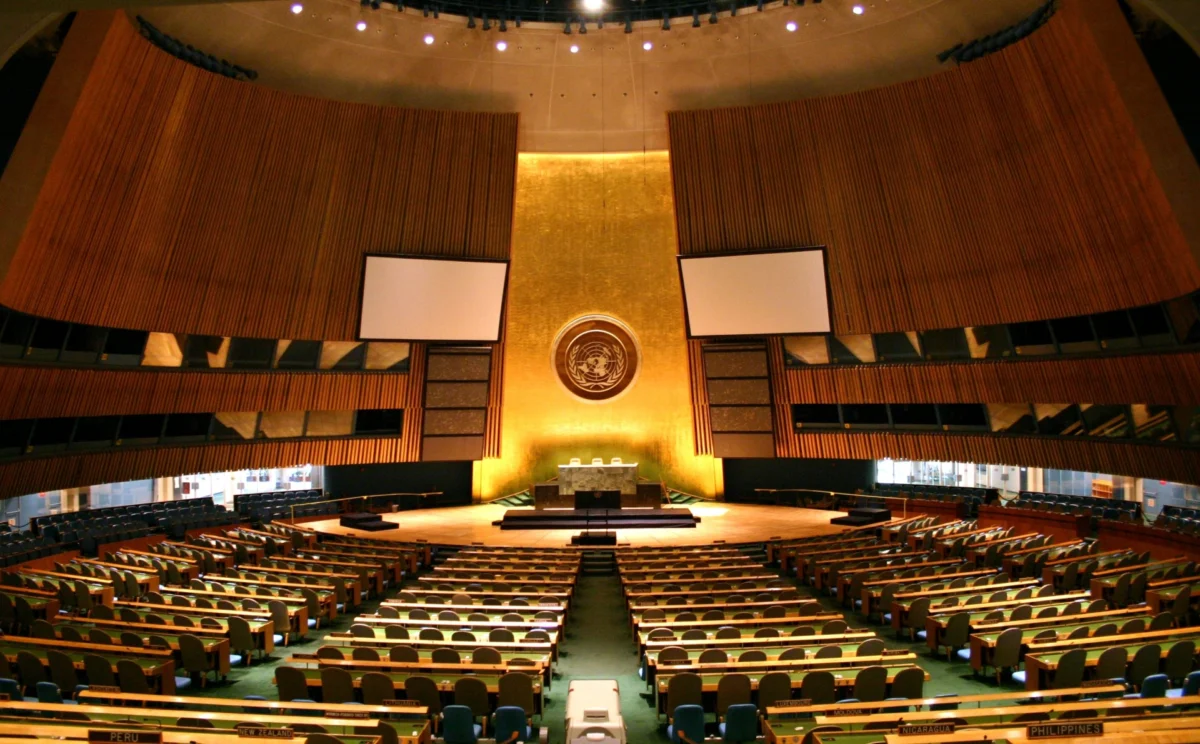
Executive Summary: A Call to Action at the UN General Assembly
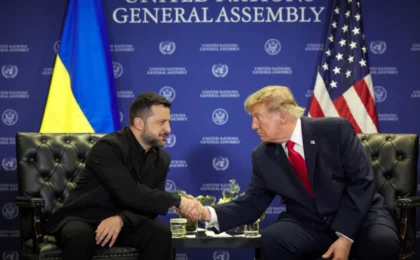
As world leaders converge on New York for the 2026 United Nations General Assembly (UNGA), a shadow looms over the proceedings. While the General Assembly is intended to be a forum for global cooperation and the resolution of international disputes, Human Rights Watch (HRW) has issued a clarion call, urging member states to pivot away from a growing trend of isolationism and obstructionism.
In a robust appeal released on September 21, 2026, HRW demanded that the international community move beyond rhetoric and actively defend the institutions of international justice. The organization’s message is clear: the global human rights framework is not merely struggling; it is under a calculated, multi-front assault by powerful nations that once championed its creation. With the General Assembly session running from September 22 to 28, the stakes could not be higher for the future of international law.
The Core Conflict: Eroding the Pillars of Justice
The international legal order, established in the aftermath of the Second World War, was designed to prevent the recurrence of systemic atrocities. Today, that framework faces an unprecedented crisis. HRW’s recent statement highlights a paradox: the very countries entrusted with the stewardship of global peace—the United States, Russia, and China—are accused of actively dismantling the mechanisms designed to hold them and their allies accountable.
The Attack on the International Criminal Court (ICC)
At the heart of this tension is the International Criminal Court. The ICC, tasked with prosecuting individuals for the most serious crimes—genocide, war crimes, and crimes against humanity—is currently experiencing a period of intense geopolitical hostility.
The Trump administration’s recent policies have marked a sharp departure from the norms of international cooperation. By imposing sanctions on ICC officials and judges, the U.S. government has sought to delegitimize the court’s jurisdiction. These punitive measures, which have also ensnared UN human rights experts and Palestinian advocacy organizations, represent a significant breach of diplomatic norms. HRW, in partnership with several other rights groups, has launched a lawsuit in the Southern District of New York, arguing that these sanctions infringe upon the ability of advocates to represent victims and perform essential human rights research.
Chronology: A Timeline of Escalating Hostility
To understand the current impasse, one must look at the recent trajectory of international relations:
- Early 2026: As the term of UN Secretary-General António Guterres nears its conclusion, debates intensify regarding the future leadership of the UN and the need for a stronger, more rights-focused successor.
- March 2026: Concerns mount over the political vacuum in Myanmar and the inability of international legal bodies to provide clear accountability for the ongoing civil conflict.
- June 2026: Reports emerge regarding the U.S. appellate court’s maintenance of sanctions against UN experts, signaling a continued hardening of the American stance against international oversight.
- July 2026: A deepening liquidity crisis at the UN, exacerbated by the refusal of major powers to pay dues, begins to paralyze critical peacekeeping and human rights operations.
- August 2026: The Trump administration intensifies sanctions against ICC officials. Simultaneously, HRW files a formal legal challenge in New York to contest the legality of these sanctions.
- September 21, 2026: HRW issues its formal appeal to world leaders ahead of the UNGA, explicitly linking the funding crisis and the attacks on the ICC to a broader, systemic assault on human rights.
Supporting Data: Global Crisis Hotspots
HRW has identified a "litany of failure" across the globe where the absence of international accountability has left civilians vulnerable. The organization specifically requested that the UNGA prioritize the following situations:
- Gaza and the West Bank: The ongoing conflict has exposed a massive "enforcement gap" in international humanitarian law, where the inability to hold belligerents accountable has resulted in widespread civilian harm.
- Sudan: The spiraling violence threatens to collapse the nation’s democratic transition, with the UN warning that civilian protection is at its lowest point.
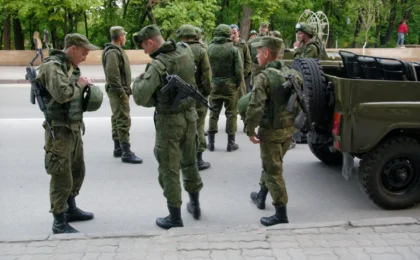
- Ukraine: The ICC’s ongoing investigation into Russian aggression remains a flashpoint for international justice, underscored by the arrest warrant issued for Vladimir Putin.
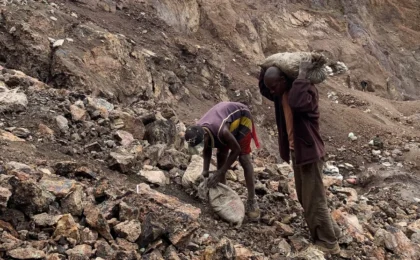
- Democratic Republic of Congo (DRC): Persistent war crimes and crimes against humanity in the eastern regions continue to be ignored by the international community.
- Afghanistan: Following the Taliban takeover, the systematic dismantling of women’s rights remains an unaddressed violation of international norms.
- Iran: The suppression of domestic dissent and human rights activists remains a critical issue that the UN has yet to effectively address through its human rights mechanisms.
Official Responses and the "Enforcement Gap"
Louis Charbonneau, UN director at HRW, provided a scathing assessment of the current state of international diplomacy. "The UN and other international organizations created to protect human rights are under attack from countries that had pledged to defend them," he stated. He further noted that the "enforcement gap"—the distance between what international law mandates and what is actually practiced on the ground—is widening because powerful nations are choosing to ignore their legal obligations to suit their geopolitical agendas.
The U.S. administration, conversely, has maintained that its actions are a defense of national sovereignty. The argument presented by the U.S. is that the ICC and certain UN bodies have overstepped their mandates, effectively targeting American interests and those of its allies, such as Israel. This ideological divide—between those who believe in a rules-based, supranational order and those who advocate for a state-centric, realist approach—is the primary obstacle to reform.
Implications: The Financial Crisis as a Weapon
The crisis facing the UN is not merely ideological; it is existential. The organization is currently suffering from a severe liquidity shortfall. HRW argues that this is not merely an accounting error but a policy choice. When countries like the United States and China delay or withhold payments, they effectively weaken the UN’s ability to conduct investigations, fund peacekeeping missions, and staff human rights offices.
By starving the UN of funds, these nations are creating an environment where the UN is forced to choose which crises to address, effectively allowing some human rights violations to go unmonitored. The upcoming transition in the office of the Secretary-General presents a critical moment for the UN to redefine its priorities. The incoming leader will be tasked with the Herculean effort of balancing the demands of the permanent Security Council members with the urgent need to protect the human rights of the global population.
Conclusion: A Turning Point for the International Community
As the 2026 UN General Assembly proceeds, the international community is at a crossroads. The appeal by Human Rights Watch is a reminder that the institutions of international justice are not self-sustaining; they require the political will and financial backing of member states to survive.
If the UN fails to address the systematic undermining of the ICC, the degradation of human rights in conflict zones, and the weaponization of the UN’s own financial system, the consequences will be far-reaching. The result will be a world where "might makes right," and where the promise of the UN Charter—to save succeeding generations from the scourge of war and to uphold the dignity of the human person—becomes a relic of history rather than a blueprint for the future.
The next week in New York will be a litmus test for the world’s leaders. Whether they choose to defend the fragile architecture of international law or allow it to be dismantled in the name of national interest will define the trajectory of global politics for the remainder of the decade.