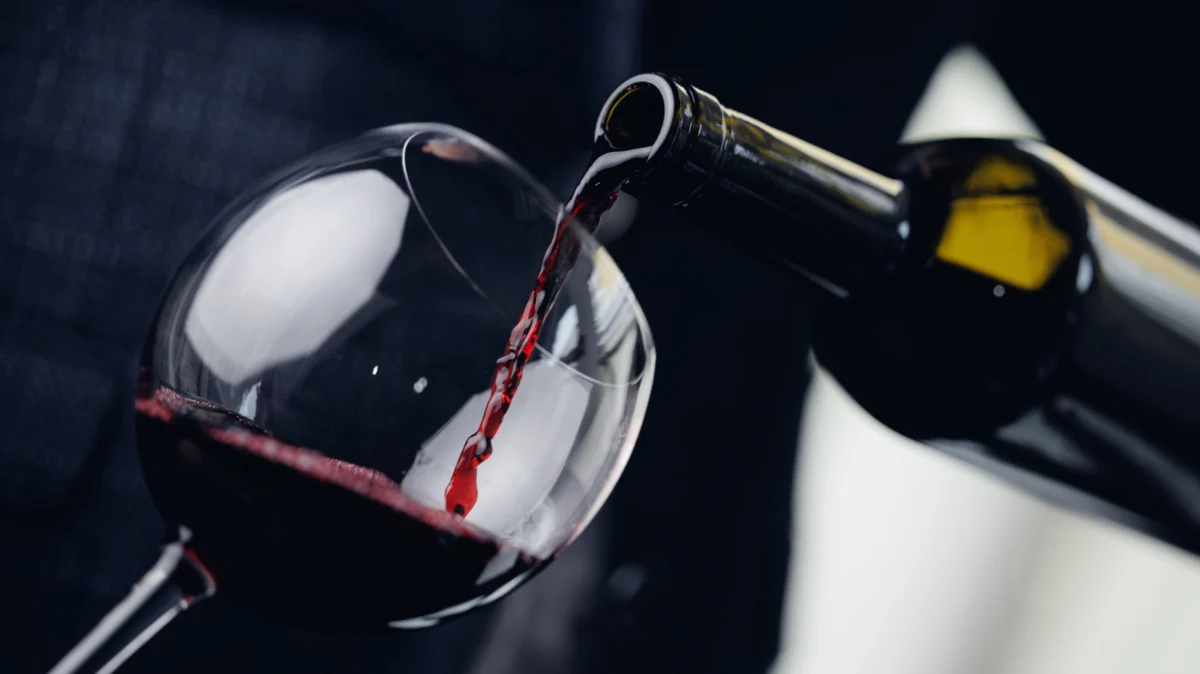
The world of red wine is often perceived as an impenetrable fortress of jargon, vintage charts, and daunting price tags. For many, the decision-making process at a restaurant or retail shop begins and ends with a binary choice: red or white. However, viewing wine through such a narrow lens obscures a vast spectrum of textures, acidity levels, and terroir-driven nuances that can elevate a meal or a casual evening into a curated sensory experience.
Understanding one’s personal preference is the key to unlocking the pleasure of wine. Whether you are a casual imbiber seeking a reliable pairing for a home-cooked steak or an adventurous soul curious about the effervescent side of viticulture, the landscape of red wine is as diverse as the grapes themselves. This guide dissects nine distinct profiles of red wine, providing a roadmap for every type of drinker to find their perfect pour.
The Fundamentals of Red Wine Profiles
At its core, red wine is defined by its interaction with the skins of the grape, which impart tannins—the compounds responsible for the drying sensation in the mouth—as well as color and structural complexity. When selecting a bottle, drinkers must consider four primary pillars: body (light to full), tannins (low to high), acidity (tart to smooth), and fruit intensity.
While personal taste remains the final arbiter, science and geography dictate that certain grapes possess inherent characteristics that cater to specific culinary needs. The following breakdown serves as an objective assessment of varietals categorized by the archetypal consumer.
Steak Lovers: The Assertive Might of Cabernet Sauvignon
For those who primarily reserve red wine for the consumption of high-quality proteins—specifically the marbled richness of a rib-eye or the structured intensity of a dry-aged strip—Cabernet Sauvignon remains the gold standard.
Why It Works
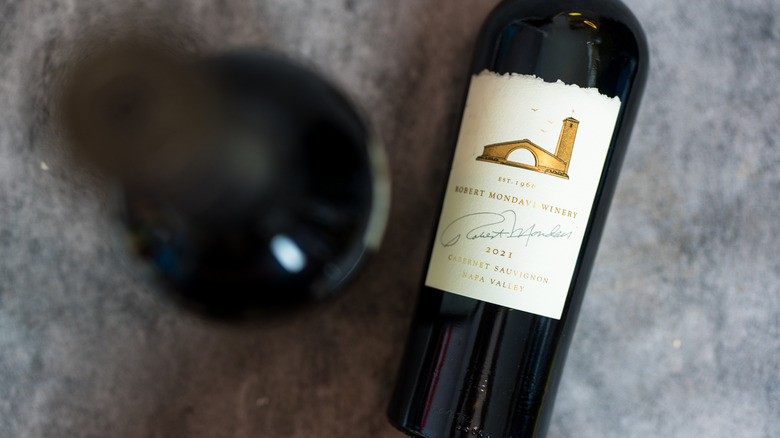
Cabernet Sauvignon is recognized for its high tannin content and bold body. These structural elements serve a specific biological and culinary purpose: they act as a "scrubber" for the palate. The tannins bind to the proteins and fats in the steak, stripping them from the tongue and preparing the palate for the next bite. The inherent acidity of the grape ensures the wine does not become cloying, allowing it to compete with the robust, savory notes of seared beef without being overshadowed.
For the uninitiated, starting with a California or Washington State Cabernet offers a fruit-forward experience, while a Left Bank Bordeaux provides a more restrained, earth-driven profile that appeals to traditionalists.
The White Wine Transition: The Elegance of Blaufränkisch
Moving from white wine to red is a common hurdle for many drinkers who find the heavy, tannic nature of traditional reds overwhelming. While Pinot Noir is the conventional recommendation, a more sophisticated, nuanced alternative is the Austrian-born Blaufränkisch.
The Shift in Complexity
Blaufränkisch offers a bridge for the white wine enthusiast by mimicking the refreshing acidity often found in high-end Rieslings or Chardonnays. Unlike the heavy, jammy notes found in some New World reds, this varietal leans into brightness, featuring notes of tart cherry, black pepper, and fresh forest floor. Its light-to-medium body ensures that it doesn’t fatigue the palate, making it an ideal choice for those who value drinkability over raw intensity.
Chilled Sophistication: Beaujolais Nouveau
The antiquated rule that red wine must be served at "room temperature" is a relic of the 19th century. In modern practice, many lighter red wines benefit significantly from a slight chill.
The Gamay Advantage
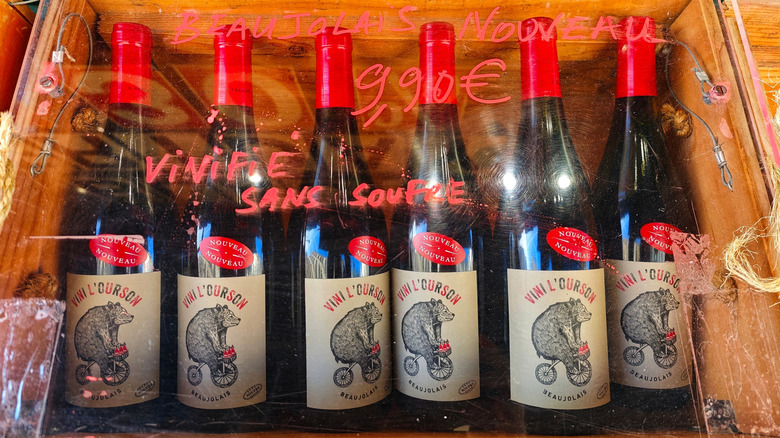
Beaujolais Nouveau, produced from the Gamay grape in France, is the quintessential example of a wine that thrives in the refrigerator. Because it is bottled shortly after fermentation, it retains a vibrant, fresh fruit quality. A chill (approximately 55°F) emphasizes the wine’s candied notes—often reminiscent of wild strawberry and subtle bubblegum—while muting the slight heat of the alcohol. It is the perfect antidote to the "heavy red" fatigue that often plagues summer dining.
For the Enthusiast of Effervescence: Lambrusco
Sparkling wine is frequently synonymous with Champagne or Prosecco, yet the category of sparkling red wine is a historic and underappreciated treasure, particularly in the Emilia-Romagna region of Italy.
The Role of Lambrusco
Lambrusco is a versatile, semi-sparkling (frizzante) red that defies the expectations of many. It is not merely a novelty; it is a serious culinary partner. Its natural carbonation provides a crisp, cleansing texture that pairs exceptionally well with the fatty, salty components of charcuterie and the acidic sweetness of tomato-based pizzas. When selecting a bottle, the dry (secco) varieties offer the most complexity, providing a refreshing bite that makes the wine highly "sessionable" during communal meals.
The Fruity Intensity: Zinfandel
For those who reject the subtlety of light reds and prefer a glass that prioritizes boldness and fruit-forward decadence, Zinfandel is the definitive choice.
Flavor Dynamics
Zinfandel is characterized by its high sugar content at harvest, which results in a wine that is often higher in alcohol and richer in jammy, sun-drenched fruit flavors. While it carries significant tannins, they are often perceived as softer and more "plush" than those in a Cabernet Sauvignon. It is a wine that demands attention, making it the perfect centerpiece for a barbecue or a rich, slow-cooked ragu.
A Dessert-Adjacent Experience: Brachetto d’Acqui
Sweetness in red wine is often misunderstood. While many cheap, mass-produced wines use residual sugar to mask flaws, a high-quality Brachetto d’Acqui utilizes it to elevate the profile.
The Piedmont Jewel
Hailing from Italy’s Piedmont region, Brachetto d’Acqui is a low-alcohol, aromatic, and slightly sweet sparkling red. It is the ideal companion for desserts, particularly those featuring dark chocolate or fresh berries. The wine’s effervescence keeps the sweetness from becoming cloying, resulting in a balanced finish that acts more as a palate cleanser than a heavy syrup.
The Complexity Hunter: Pinot Noir
If the objective of the drinker is to find a wine that evolves over the course of an evening—one that reveals hidden layers of mushroom, clove, dried flowers, and forest floor—Pinot Noir is the undisputed king.
The Science of Terroir
Pinot Noir is notoriously difficult to farm, prone to rot, and highly sensitive to climate. However, this struggle is precisely what creates its complexity. It is a "transparent" grape, meaning it expresses the nuances of the soil and climate more clearly than almost any other varietal. While it can be expensive due to low yields, the investment in a high-quality bottle from Burgundy or Oregon rewards the patient drinker with an intellectual experience as much as a gustatory one.
Savory Palates: The Earthiness of Sangiovese
Some drinkers possess a "savory palate," preferring the culinary notes of herbs, tomatoes, and earth over the sweet notes of berries or plums.
The Tuscan Standard
Sangiovese, the backbone of Chianti, is defined by its high acidity and prominent tannins. The flavor profile is distinct, often featuring notes of sun-dried tomato, oregano, and dried leather. It is a wine that feels "at home" in the kitchen, specifically with dishes that rely on olive oil, garlic, and fresh herbs. It does not just pair with food; it becomes a seasoning agent for the dish itself.
The Versatility Benchmark: Merlot
For the novice who feels overwhelmed by the specificity of the aforementioned options, Merlot serves as the ultimate neutral starting point.
The Chameleon of Grapes
Merlot is often unfairly maligned due to its popularity, but it remains one of the most versatile grapes in existence. Depending on the producer and the region, it can swing from light and fruity to structured and age-worthy. It is the "Goldilocks" of the wine world—rarely too acidic, rarely too tannic, and almost always approachable. Starting with a Merlot allows the drinker to identify whether they prefer more body or more fruit, providing a clear path to future explorations in the wider world of viticulture.
Conclusion: The Path Forward
The journey through the world of red wine is not a destination, but a process of iterative discovery. By identifying which of these nine profiles aligns with your current tastes, you can begin to navigate the intimidating shelves of a wine shop with confidence. Whether you opt for the bold structure of a Cabernet, the refreshing chill of a Beaujolais, or the savory depth of a Sangiovese, the most important aspect of wine remains the same: the enjoyment found in the glass. Start with these recommendations, experiment with the pairings suggested, and allow your palate to evolve as you explore the boundless depth of the vine.