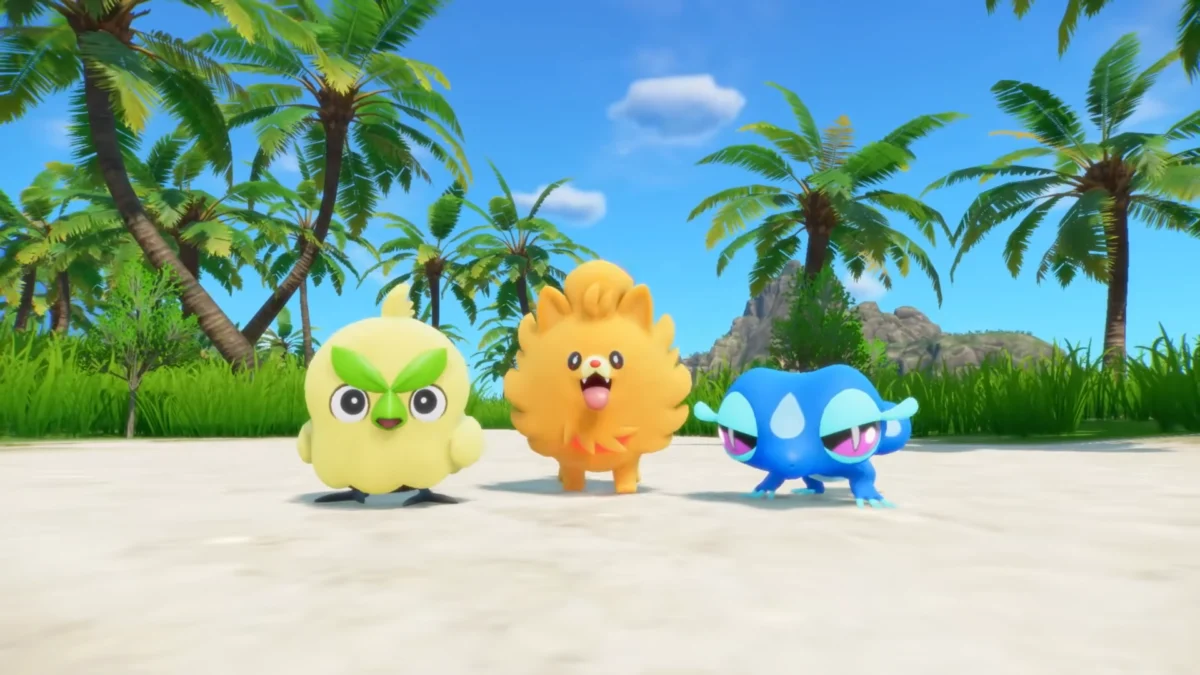
In the vast, ever-expanding ecosystem of the Pokémon franchise, the prospect of a new generation is usually met with a fervor bordering on religious zeal. However, as rumors regarding the upcoming titles—tentatively titled Pokémon Winds and Pokémon Waves—begin to solidify, that excitement has curdled into a palpable sense of apprehension. If the latest industry whispers are to be believed, the next mainline entry in the series intends to introduce a staggering 300 new Pokémon.
For a series built on the mantra "Gotta Catch ‘Em All," this hypothetical expansion represents a breaking point. While the promise of fresh discoveries is the lifeblood of the franchise, a 300-strong addition would not only dwarf all previous generational leaps but potentially fundamentally alter the way players interact with the games.
The Weight of Numbers: A Statistical Breakdown
To understand why the community is spiraling over this potential figure, one must look at the historical precedent. Since the franchise’s inception in the late 1990s, the number of new entries per generation has fluctuated significantly, reflecting shifting design philosophies at Game Freak.
| Generation | U.S. Release | New Pokémon Introduced |
|---|---|---|
| Gen 1 | 1998 | 151 |
| Gen 2 | 2000 | 100 |
| Gen 3 | 2003 | 135 |
| Gen 4 | 2007 | 107 |
| Gen 5 | 2011 | 156 |
| Gen 6 | 2013 | 72 |
| Gen 7 | 2016 | 88 |
| Gen 8 | 2019 | 96 |
| Gen 9 | 2022 | 120 |
As the data illustrates, the series hit a "sweet spot" in recent years, hovering between 70 and 120 new creatures. Introducing 300 would be an unprecedented logistical and creative pivot. Even if we account for the likelihood that these 300 include regional variants, paradox forms, and evolutions rather than 300 unique species, the implications for the player experience remain unchanged. Whether it is a new design or a recolored variant, each addition demands screen time, balancing, and a spot in the player’s limited cognitive load.
Chronology of a Rumor
The discourse surrounding Winds and Waves began in early summer 2026, when dataminers and anonymous industry insiders suggested that Game Freak was aiming for a "massive scale" to coincide with the next evolution of Nintendo hardware.
By late August, these rumors crystallized into the specific claim of 300 entries. While the developer has maintained a strict "no comment" policy, the lack of a formal denial has only poured gasoline on the fire. For the veteran player, this isn’t just about the count; it’s about the "Bloat Factor." Historically, the franchise has struggled with the sustainability of its Pokedex. With every new generation, the gap between the original 151 and the current roster grows wider, making the goal of a complete collection an increasingly Herculean task—one that often requires paid DLC, limited-time events, and subscriptions to secondary services like Pokémon Home.

The Erosion of the "Six-Pokémon Party"
The most profound implication of this potential roster expansion is the death of the "Six-Pokémon Party" ideal. For decades, the series was defined by the journey: choosing a team, training them, and growing attached to their specific quirks over dozens of hours.
However, modern entries have systematically dismantled this tradition. Starting with Let’s Go Pikachu! and Eevee!, and continuing through the fluid, real-time mechanics of Legends: Z-A, the game now actively encourages the constant swapping of team members. When you have 300 new creatures vying for your attention, you are no longer incentivized to commit to a core team. You are incentivized to treat your roster as a disposable commodity, cycling through monsters to suit the immediate needs of a specific biome or weather effect.
By increasing the volume of available monsters, Game Freak risks turning the game into a spreadsheet of stats rather than a companion-based RPG. The bond between trainer and Pokémon is predicated on scarcity and choice; if you have 300 new options, the "choice" feels less like a strategic decision and more like an administrative task.
Creative Fatigue: Scraping the Bottom of the Barrel?
There is also the "Old Man Yells at Cloud" argument, which, despite its cynical framing, carries weight. Critics have long argued that the ingenuity of creature design has reached a plateau. When the franchise first launched, designs were rooted in a mix of biological realism and distinct elemental tropes. Today, the creative pool is arguably more eclectic, leading to designs that feel disconnected from the franchise’s roots.
We have seen keys, ice cream cones, and, more recently, literal flamingos join the ranks. While proponents argue that this reflects the series’ willingness to experiment with the mundane, detractors see it as a lack of creative discipline. If the designers are struggling to make 100 creatures feel iconic and memorable, how can they possibly maintain quality control across 300?
A 2025 study involving 26,000 respondents revealed that over 50 Pokémon received zero votes when participants were asked to identify their favorite. The vast majority of those "ignored" creatures were from later generations. If the franchise cannot ensure that its current, smaller batches of Pokémon are resonating with the audience, tripling the output feels like a recipe for a Pokedex filled with "filler" designs that exist only to fill space.

Implications for the Competitive Meta
For the professional competitive scene, 300 new Pokémon would be a catastrophic shake-up. The competitive meta is built on delicate balance—a game of rock-paper-scissors played at a grandmaster level. Adding 300 variables into this system would make the game nearly impossible to balance effectively.
We would likely see a surge in "power creep," where the new 300 entries are intentionally made stronger to encourage players to buy the new game, effectively rendering older, beloved Pokémon obsolete. This has already been a point of contention in recent years, with legacy fan-favorites frequently sidelined in favor of new, "gimmick-heavy" additions.
The Verdict: Quality Over Quantity?
As we look toward the release of Pokémon Winds and Pokémon Waves, the community is left to wonder: What is the goal? Is it to satisfy the "collector" itch, or is it to create a world that feels coherent and meaningful?
If these rumors are true, Game Freak is betting on a "more is better" strategy. They are gambling that the spectacle of a massive Pokedex will overshadow the loss of intimacy and the potential for design fatigue. However, history suggests that the most beloved generations were not the ones with the largest rosters, but the ones with the most cohesive worlds.
If we are truly heading toward a future with 300 new entries, we must accept that the era of "catching them all" is effectively over—not because it is physically impossible, but because the magic of the hunt is being buried under the weight of an unmanageable, bloated, and increasingly impersonal collection of data.
Ultimately, the success of Winds and Waves will not be measured by the size of the Pokedex, but by whether those 300 creatures have a soul. In a landscape of infinite digital content, a monster is only as good as the memory it creates. If we are forced to cycle through hundreds of them without a second thought, the franchise may finally find that it has caught too much, and lost the very thing that made it special in the process.