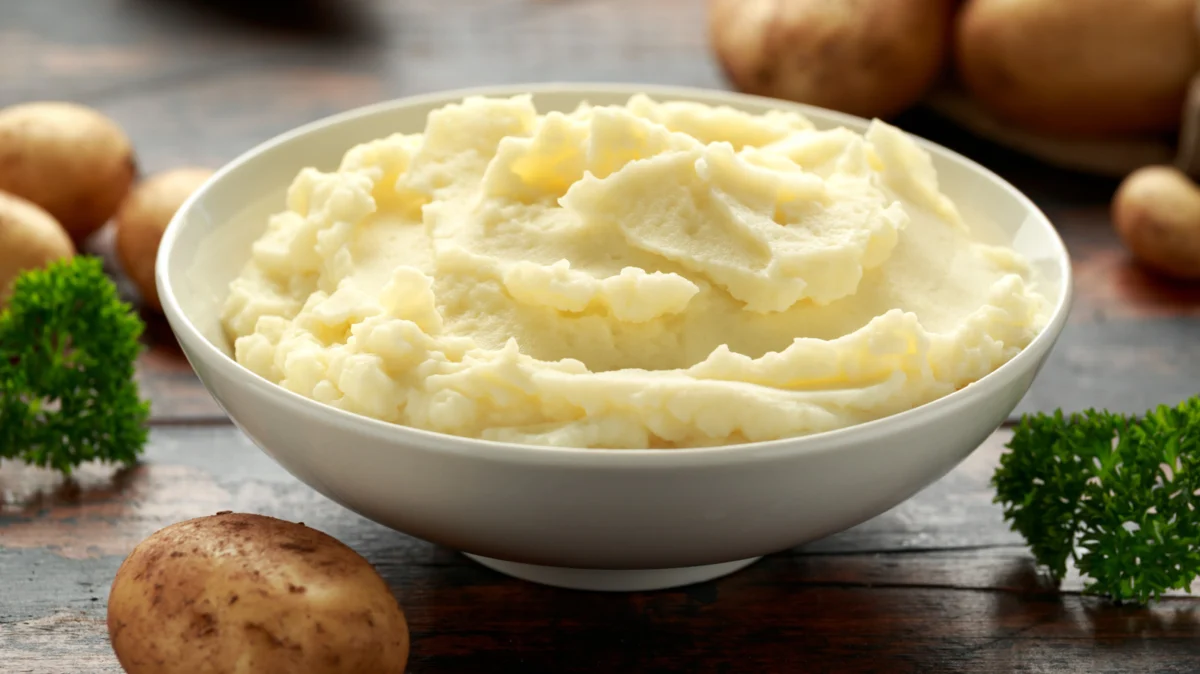
In the modern kitchen, the challenge of food waste is a persistent adversary. Holiday gatherings and large family dinners often leave behind a surplus of mashed potatoes—a humble staple that frequently finds its way to the back of the refrigerator, only to be discarded days later. However, for those versed in the resourceful traditions of Mexican home cooking, this "leftover" is not a burden; it is the foundational building block for tortitas de papa con atún (potato and tuna patties).
This culinary tradition transforms simple, shelf-stable ingredients into a sophisticated, protein-rich dish. By marrying the creamy, starchy comfort of mashed potatoes with the savory depth of canned tuna, home cooks have discovered a method to elevate pantry staples into an elegant appetizer, a hearty main course, or a convenient finger food.
The Evolution of a Household Staple
The history of the potato-tuna fritter is deeply rooted in the frugal, innovative spirit of Mexican domestic life. While specific origins are difficult to trace to a single kitchen, the dish has long been a pillar of the Lenten season. During this time, when many Mexican households abstain from red meat, these fritters provide a necessary, budget-friendly source of protein that satisfies the appetite without compromising on flavor.
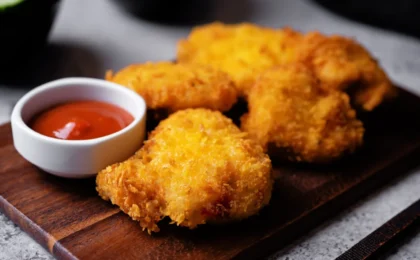
Traditionally, the dish is known by two distinct names based on its form: tortitas when shaped into flattened, round patties, and croquetas when molded into the cylindrical, elongated shapes popularized by Spanish tapas culture. Regardless of the nomenclature, the essence remains the same: a golden-brown, crispy exterior yielding to a soft, flavorful center.
For many, these patties are not merely a way to repurpose leftovers; they are a nostalgic link to childhood. In many Mexican households, the process of preparing these fritters is a communal activity—a lesson in resourcefulness passed down through generations.
The Mechanics of the Recipe: A Step-by-Step Approach
Creating these patties is deceptively simple, requiring minimal preparation time, especially when using pre-existing mashed potatoes. The process can be broken down into a streamlined sequence:
1. The Foundation: Potato Preparation
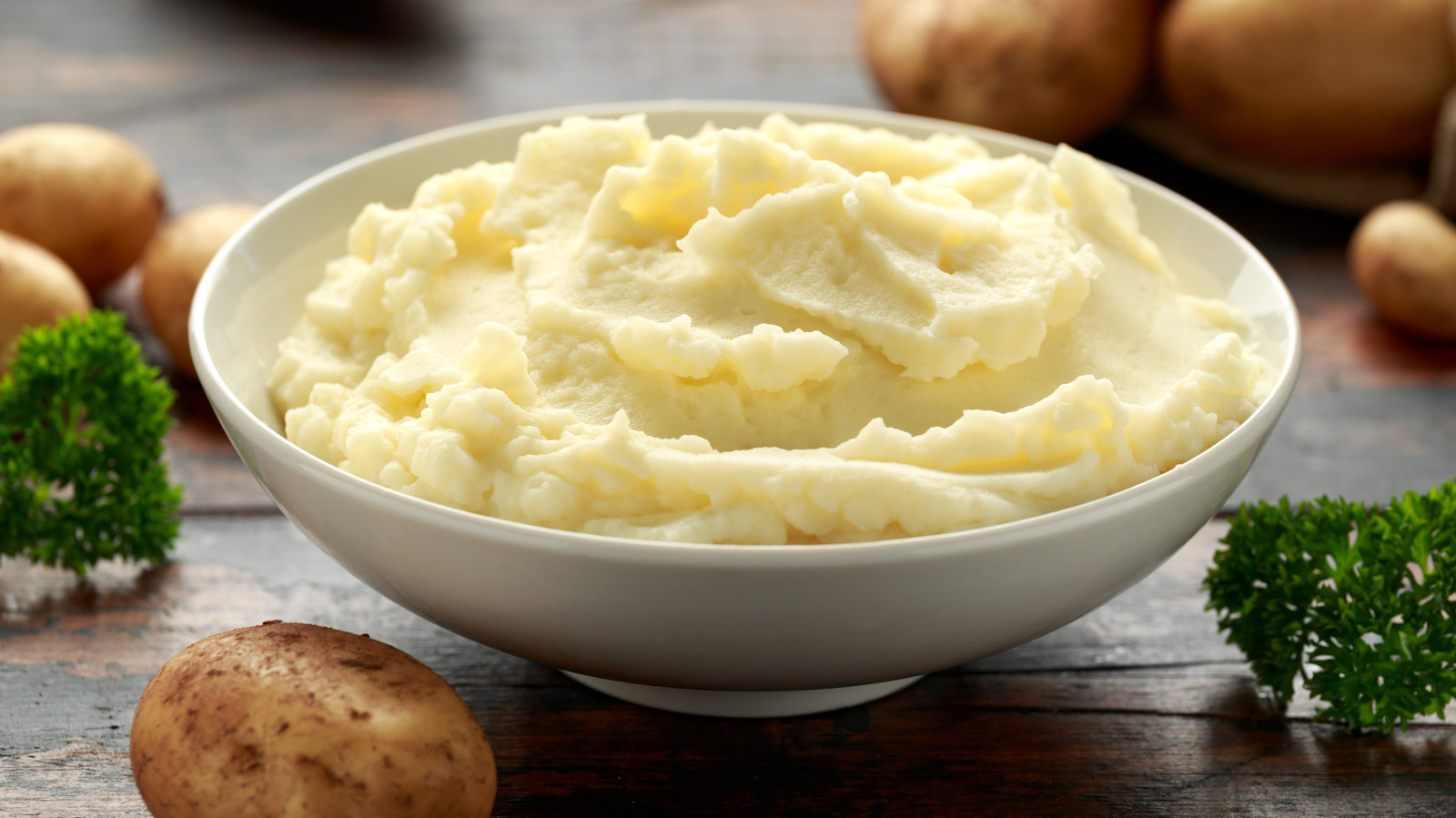
If you are starting with leftover mashed potatoes, ensure they are at room temperature or slightly chilled. If they are too cold, they may be difficult to work with; if too warm, they may lose their structural integrity. The ideal base is a potato mash that is relatively firm.
2. The Integration
Drain your canned tuna thoroughly. Excess moisture is the enemy of a crisp fritter. Once drained, flake the tuna with a fork to ensure even distribution. Combine the tuna with the potatoes, a beaten egg (which acts as the binding agent), and your choice of aromatics. While tradition calls for simple salt, pepper, and perhaps a touch of garlic or onion, the mixture is a blank canvas for customization.
3. Binding and Coating
Shape the mixture into your desired size. A 3-to-4-inch patty is standard for a main course, while smaller, bite-sized spheres are perfect for appetizers. Once shaped, coat each patty in a light dusting of breadcrumbs. For those seeking extra crunch, a double-dip in egg and breadcrumbs can create a thicker, more durable crust.
4. The Thermal Transformation
While traditional recipes demand a shallow fry in hot oil to achieve the signature golden-brown color, modern adaptations have introduced the air fryer as a healthier alternative. Regardless of the method, the goal is the same: to create a Maillard reaction on the surface that provides a satisfying crunch while keeping the interior moist and tender.
Supporting Data: The Nutritional and Economic Argument
The enduring popularity of the potato-tuna patty is not merely a matter of taste; it is a calculated response to the rising costs of living and the necessity of sustainable food practices.
Economic Viability
Canned tuna remains one of the most accessible and affordable protein sources available in the global marketplace. When paired with potatoes—a crop that offers high yield and significant satiety per dollar—the resulting dish provides a low-cost, high-value meal. For families operating on a tight budget, this recipe effectively turns a few cents of pantry staples into a meal that can feed a household of four.
Nutritional Value
From a nutritional standpoint, the combination is surprisingly balanced. Tuna provides essential omega-3 fatty acids and high-quality lean protein. Potatoes, while often maligned as a simple carbohydrate, provide significant amounts of potassium, Vitamin C, and dietary fiber. When fried in moderate amounts of healthy oil and served alongside fresh greens, the dish becomes a well-rounded meal that avoids the processed additives often found in store-bought frozen appetizers.
Customization: A Global Palette of Flavors
The beauty of the tortita lies in its neutrality. Because the base is relatively mild, it acts as a perfect medium for global spice profiles. Culinary experts and home cooks alike have begun experimenting with diverse flavor profiles:
- The Mediterranean Twist: Incorporate chopped kalamata olives, sun-dried tomatoes, and fresh oregano into the potato base. Serve with a side of tzatziki or a lemon-garlic aioli.
- The Middle Eastern Influence: Season the mixture with za’atar or ras el hanout. The earthy, herbal notes of these blends pair perfectly with the mild flavor of the tuna. Serve with a cucumber and tomato salad dressed in olive oil and sumac.
- The Brunch Upgrade: Swap the tuna for canned salmon, add fresh dill and finely chopped cornichons, and serve with a dollop of crème fraîche or a poached egg on top.
- The Seafood Alternative: For those who find the flavor of tuna too strong, sardines offer a nutrient-dense alternative. Often ignored due to their intense flavor, they are perfectly tempered when mixed with the starch of the potato, creating a sophisticated flavor profile that appeals to a wider audience.
Implications for the Future of Home Cooking
The continued relevance of the potato-tuna fritter speaks to a larger trend in gastronomy: the "Zero-Waste Kitchen." As consumers become increasingly aware of the environmental impact of food waste, the ability to reimagine leftovers has transitioned from a necessity of the poor to a badge of honor for the conscious cook.
Environmental Impact
Food waste is a significant contributor to greenhouse gas emissions. By repurposing leftovers like mashed potatoes, home cooks reduce the volume of organic waste sent to landfills. Every "second life" given to a side dish represents a victory for sustainability.
Culinary Creativity
This dish encourages a shift in mindset. Instead of viewing recipes as rigid sets of instructions, cooks are beginning to view ingredients as flexible components. This encourages experimentation and builds confidence in the kitchen. When a cook realizes that they can transform a bowl of leftover mash into a gourmet-style croquette, they become more likely to experiment with other leftovers, further reducing food waste across the board.
Conclusion: A Masterclass in Simplicity
In a world of complex, multi-step recipes and expensive pre-packaged meals, there is a profound elegance in the potato-tuna fritter. It is a dish that requires nothing more than a few pantry staples, a little bit of technique, and an open mind.
Whether you are a seasoned chef looking to reduce waste or a busy parent seeking an easy, nutritious meal for your family, this recipe offers a path to culinary success. It reminds us that the best meals are often not those that require the most expensive ingredients, but those that are crafted with care, ingenuity, and a respect for the food we have on hand. The next time you find yourself staring at a bowl of leftover mashed potatoes, do not reach for the bin—reach for a can of tuna and rediscover the simple joy of the humble tortita.