Overview: A Volatile Intersection of Diplomacy and Conflict
The geopolitical landscape of the Middle East remains on a knife-edge this week as conflicting narratives emerge from Washington and Tehran regarding a potential high-level meeting in Doha, Qatar. While US President Donald Trump publicly declared on his Truth Social platform that Iran had requested a meeting to take place on Tuesday, officials in Tehran have flatly denied any such arrangement. This diplomatic friction occurs against a backdrop of escalating maritime volatility in the Strait of Hormuz and a fragile, newly minted framework aimed at de-escalating the regional conflict that has gripped the Middle East for months.
As the US dispatches a high-level delegation—including presidential adviser Jared Kushner and envoy Steve Witkoff—to Doha, the ambiguity surrounding the purpose and participants of these talks underscores the deep-seated distrust between the two adversaries. Simultaneously, the strategic chokepoint of the Strait of Hormuz remains a flashpoint, with Iran asserting its authority over transit corridors, setting the stage for what many analysts believe will be a protracted period of "controlled pressure" and diplomatic shadow-boxing.
Chronology of Escalation: From Military Strikes to Diplomatic Maneuvering
The current situation is the culmination of a frantic series of events that began over the weekend. The following timeline captures the rapid degradation and subsequent attempts at stabilization:
- Sunday, Early Morning: US Central Command (CENTCOM) launched precision airstrikes against 10 Iranian military targets, citing "continued Iranian aggression against commercial shipping" in the Strait of Hormuz.
- Sunday, Afternoon: In a retaliatory move, Iranian forces reportedly conducted strikes against US military bases located in Kuwait and Bahrain, signaling a refusal to be intimidated by US kinetic operations.
- Sunday, Evening: Iranian officials issued warnings that any attempt by international shipping to deviate from the Iranian-preferred transit route through the Strait of Hormuz would exacerbate regional instability.
- Monday, Early Morning: Iran and Oman held the inaugural meeting of the "Joint Hormuz Committee" in Muscat, marking the first formal attempt to manage the waterway since the US-Iran deal was signed.
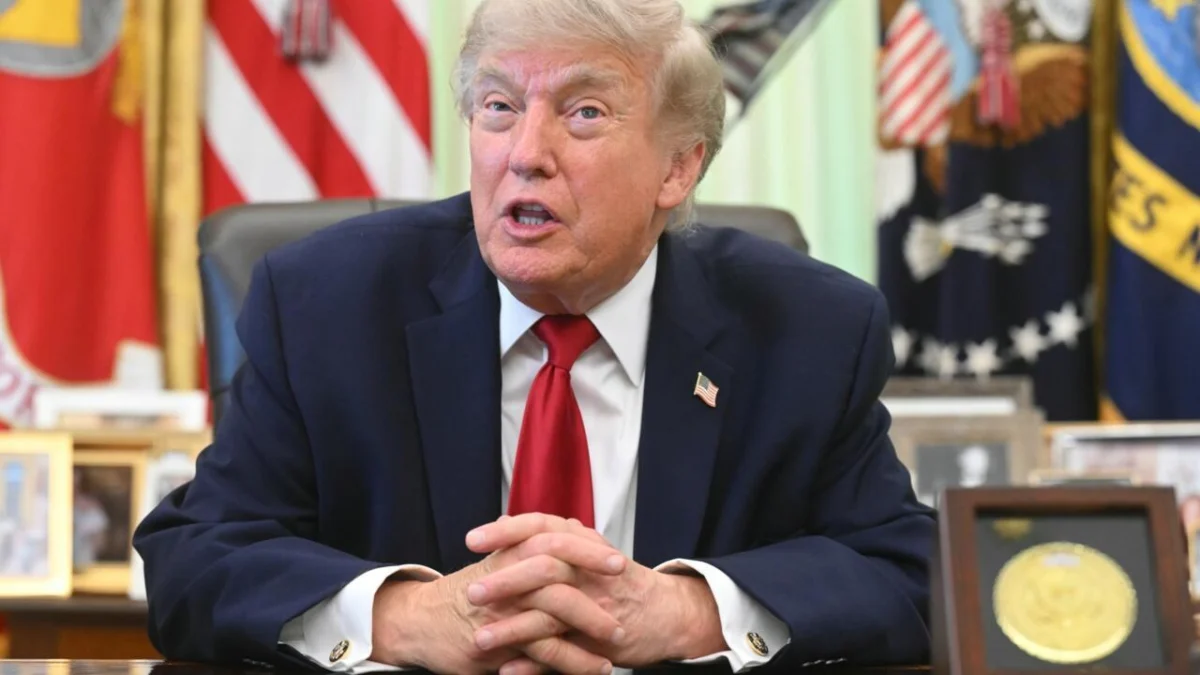
- Monday, Midday: President Trump posted to Truth Social: "IRAN HAS REQUESTED A MEETING. IT WILL TAKE PLACE TOMORROW IN DOHA!"
- Monday, Afternoon: Iranian Foreign Ministry spokesman Esmaeil Baqaei categorically denied any negotiations with the United States, stating, "We have not yet entered the stage of negotiating a final agreement."
Supporting Data: The Strategic Calculus of the Strait
The Strait of Hormuz serves as the world’s most critical energy artery. Prior to the current conflict, approximately 20% of the world’s oil and liquefied natural gas (LNG) transited these waters. Any disruption here does not merely affect the combatants; it sends shockwaves through global markets.
Maritime Traffic and Behavioral Shifts
Data from maritime tracking firms Kpler and AXSMarine illustrate the chilling effect of the recent military flare-ups:
- Traffic Volatility: Following the weekend strikes, transit volumes dipped significantly. On Saturday, 29 commodity vessels crossed the strait; by Sunday, that number had plummeted to 12.
- "Dark" Shipping: Evidence suggests that vessels are increasingly adopting evasive maneuvers. AXSMarine data indicates that 44 vessels stopped broadcasting their Automatic Identification System (AIS) positions entirely, a common tactic used to obscure transit routes and avoid targeting.
- Corridor Disputes: Iran continues to mandate that all vessels pass through a specific corridor near its own coastline. International legal experts and several Western nations argue that this constitutes an illegal interference with freedom of navigation.
The De-mining Controversy
A significant friction point has emerged regarding the clearing of sea mines. While France and Oman recently announced a joint initiative to conduct de-mining operations to ensure the safety of commercial shipping, Tehran has publicly rebuked the proposal. Deputy Foreign Minister Kazem Gharibabadi warned France against "provocations," asserting that under the terms of the existing memorandum, Iran maintains the exclusive right to conduct de-mining activities within the disputed sectors.
Official Responses and Diplomatic Posturing
The disparity between the rhetoric coming out of the White House and the Iranian Foreign Ministry is profound, suggesting that if a meeting does occur, it may be conducted via backchannels or at a lower technical level than the "high-level" description implies.
The Washington Perspective
The White House has moved to capitalize on the perception of a diplomatic opening. By sending Jared Kushner and Steve Witkoff to Doha, the administration is signaling that it is prepared to move from military confrontation to institutionalized negotiation. Spokeswoman Karoline Leavitt’s confirmation of the delegation’s travel schedule serves as a strategic display of confidence, intended to project that the US is in the driver’s seat of the regional peace process.

The Tehran Perspective
Conversely, the Iranian narrative is one of carefully managed defiance. By sending their own expert delegation to Doha while simultaneously denying a "sit-down" with Americans, the Iranian government is likely attempting to preserve its domestic political standing. Mohammad Mokhber, an adviser to the Supreme Leader, emphasized this stance on social media, stating that as long as Iran retains management of the strait, Washington’s "hegemonic dreams" will remain unrealized. This reflects a strategy of engagement without concession, using the threat of further naval interference as a bargaining chip.
Implications: A Fragile Future for the Middle East
The intersection of the Strait of Hormuz crisis and the broader regional peace deal creates a high-stakes environment where the margin for error is non-existent.
1. The Risk of Miscalculation
As seen with the weekend strikes in Bahrain and Kuwait, the potential for a localized naval incident to escalate into a full-scale regional conflagration remains the primary threat. With multiple state and non-state actors (including Hezbollah in Lebanon) operating under shifting alliances, a single misfire in the Strait could dismantle the tenuous peace framework entirely.
2. Economic Consequences
The global economy remains hypersensitive to the developments in Hormuz. While oil prices rose only modestly on Monday, the long-term outlook remains bearish for stability. If transit through the strait continues to be intermittent or subject to Iranian "administration," insurance premiums for global shipping will skyrocket, effectively acting as a "conflict tax" on global energy consumers.
3. The Hezbollah Factor
The situation in Lebanon adds another layer of complexity. Despite a Washington-brokered framework for a peace deal, Israeli airstrikes continue to target southern Lebanon, which remains the stronghold of the Iran-backed militant group Hezbollah. The group’s vocal opposition to the disarmament terms stipulated in the deal suggests that even if Washington and Tehran reach an understanding in Doha, the implementation of these agreements on the ground will face violent resistance from Hezbollah, which views the deal as a capitulation.
4. Expert Outlook
Analyst H.A. Hellyer of the Royal United Services Institute (RUSI) suggests that the current state of "controlled pressure" is a deliberate tactical choice for Tehran. "For Iran, a drawn-out negotiation accompanied by controlled pressure in the strait can work to its advantage," Hellyer notes. By keeping the international community on edge, Iran forces the US to maintain a presence at the negotiating table, thereby elevating its own status as a necessary interlocutor in any future Middle Eastern security architecture.
Conclusion
As the delegation touches down in Doha, the world watches to see whether this will be a moment of genuine de-escalation or merely another chapter in the long-running saga of Middle Eastern power struggles. The divergence between the American claim of requested meetings and the Iranian denial of direct negotiations suggests that the path to peace will not be linear. With the Strait of Hormuz serving as the physical manifestation of these political tensions, the success of these talks will likely be measured not by words spoken in a boardroom, but by the safety and freedom of the vessels moving through the dark, contested waters of the Persian Gulf.