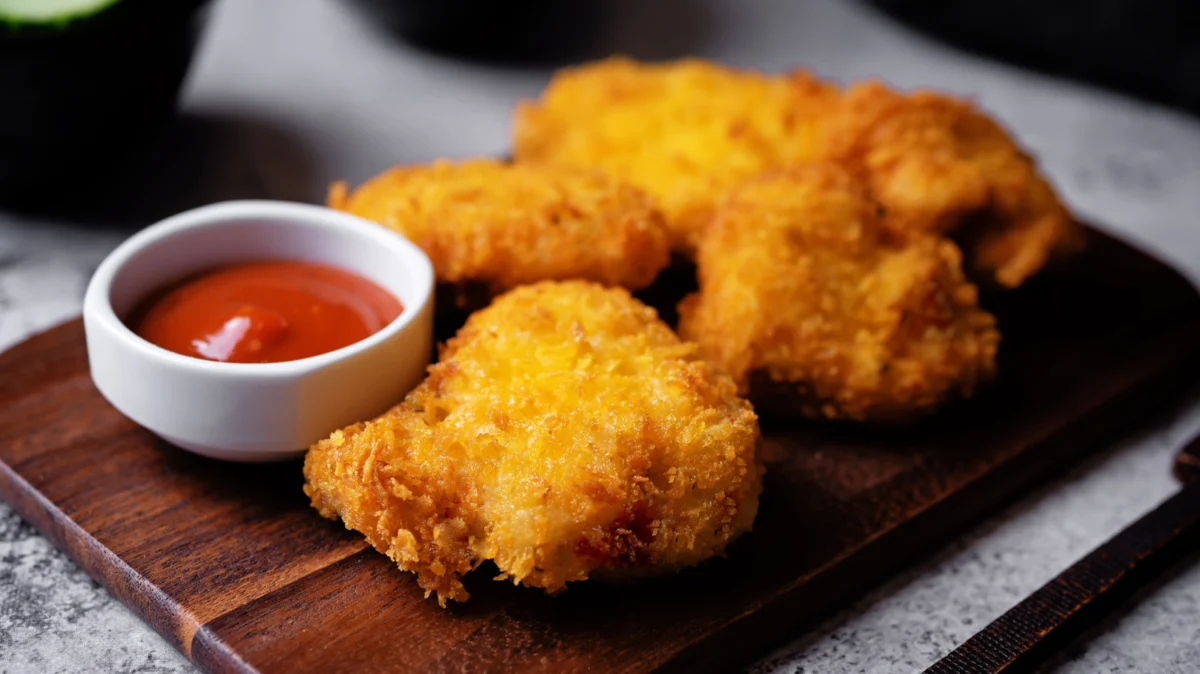
In the competitive landscape of American grocery retail, Aldi has carved out a singular reputation: the destination for private-label products that don’t just mimic name brands, but often eclipse them in both flavor and value. Among the retailer’s vast inventory of frozen goods, one item has ascended to near-mythic status among budget-conscious shoppers and food enthusiasts alike. It is known simply as the "Red Bag Chicken"—officially labeled as the Kirkwood Breaded Chicken Breast Fillets or Chunks—and it has been widely hailed as the definitive, affordable dupe for the gold standard of fast-food poultry: the Chick-fil-A nugget.
Main Facts: The Anatomy of a Freezer Staple
At the heart of the Aldi "Red Bag" phenomenon is a product that balances convenience with culinary versatility. The Kirkwood line is Aldi’s primary private label for poultry, and the specific "Red Bag" variety is marketed as lightly breaded, pre-cooked, bite-sized chicken breast chunks.
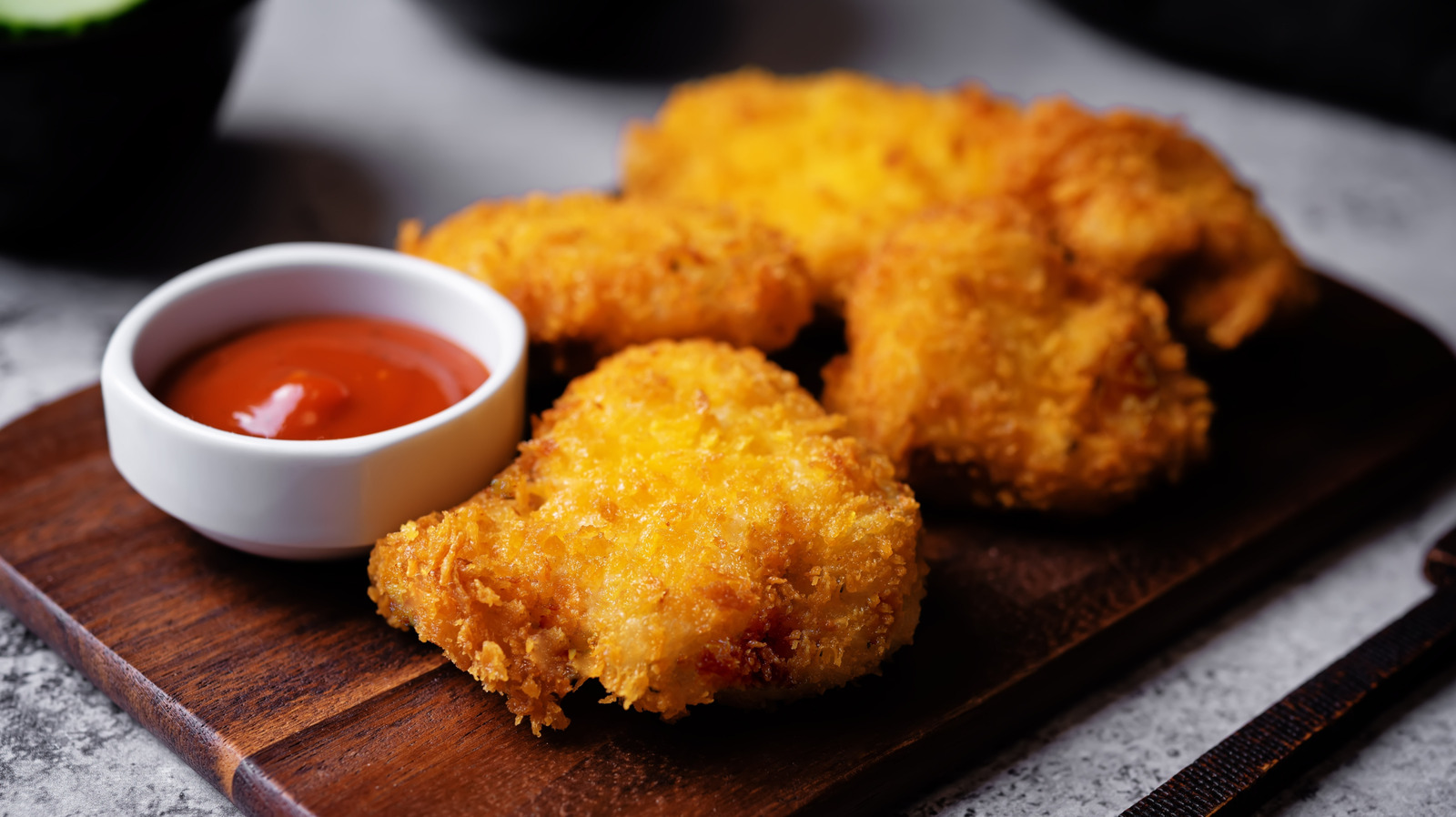
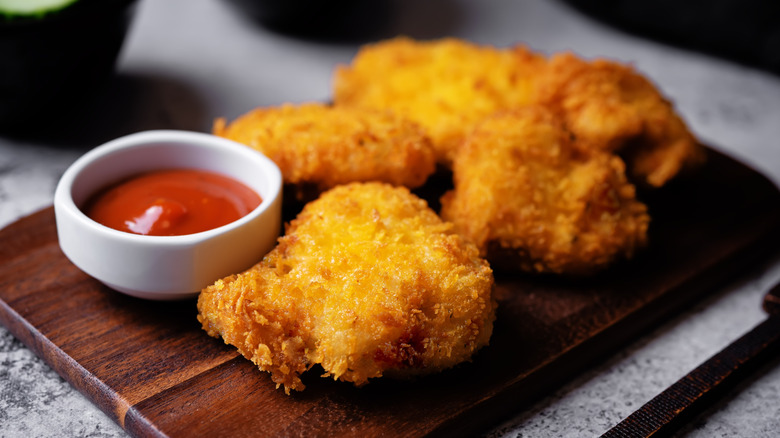
The appeal is rooted in its simplicity. Unlike many mass-produced frozen nuggets that rely on "formed" or "mechanically separated" meat, the Kirkwood offering emphasizes chunks of actual chicken breast. The breading is designed to achieve a specific texture profile: crispy on the exterior while maintaining a succulent, tender interior. When prepared correctly—specifically in an air fryer—the product mimics the golden, slightly sweet, and savory profile that has made Chick-fil-A the dominant player in the chicken market for decades.
For consumers, the economic incentive is impossible to ignore. A single bag of Kirkwood chicken provides a significantly higher volume of protein for a fraction of the cost of a standard Chick-fil-A drive-thru order. As food prices remain a top concern for American households, the ability to replicate a premium fast-food experience at home for a fraction of the price has propelled the Red Bag to "must-buy" status in the grocery community.
Chronology: The Rise of the Aldi Obsession
The ascent of the Kirkwood Red Bag was not an overnight marketing triumph orchestrated by corporate PR teams; rather, it was a grassroots movement fostered by the digital age.
- The Early Days (2015–2018): As Aldi expanded its footprint in the United States, early adopters on platforms like Pinterest and frugal-living blogs began highlighting the high quality of the Kirkwood frozen chicken line. It was noted for being a "hidden gem" in a store primarily known for its German staples.
- The Reddit Explosion (2020–2022): During the height of the global pandemic, as dining out became restricted and home cooking became a necessity, the r/aldi subreddit became a hotbed for product reviews. It was here that the direct comparison to Chick-fil-A began to gain serious traction. Users began sharing "hacks," such as the precise air-fryer settings required to achieve the perfect "drive-thru" crunch.
- Mainstream Cultural Acceptance (2023–Present): Today, the Red Bag is considered a staple of the "Aldi aesthetic." It is frequently referenced in viral TikTok videos and Instagram Reels, where influencers showcase their "Chick-fil-Aldi" setups. The product has moved beyond a simple substitute and has become a cultural touchstone for the brand, serving as a primary entry point for new Aldi shoppers.
Supporting Data: Why It Hits the Mark
To understand why customers are so fervent in their praise, one must look at the sensory profile of the product. Reddit users who frequent the r/aldi community have meticulously broken down the flavor components.
The consensus suggests a delicate balance of seasoning. The breading contains a subtle hint of sugar and nonfat milk solids, which facilitates the browning process during cooking. This provides that characteristic "sweet back note" that mirrors the signature flavor profile of Chick-fil-A’s proprietary breading. Furthermore, the use of whole-muscle chicken breast—as opposed to ground meat—ensures that the texture remains fibrous and "meaty," preventing the mushy consistency that often plagues lower-tier frozen nuggets.
Cost-Benefit Analysis:
When comparing the price per serving, the math is stark. A standard 24-ounce bag of Kirkwood chicken typically retails for a price that covers roughly 6 to 8 servings, whereas a similarly sized portion of fast-food chicken can easily cost three to four times that amount. Even when factoring in the cost of a dipping sauce and a side of fries, the "at-home" version represents a massive reduction in household food expenditure.
Official Responses and Corporate Strategy
Aldi, a company famously known for its minimalist marketing and "no-frills" operational model, has largely let the Red Bag chicken sell itself. While the company does not officially label the product as a "Chick-fil-A dupe" in its own advertising—likely to avoid trademark infringement—it has leaned into the popularity of the item through its seasonal promotional cycles.
The "Kirkwood" brand remains one of the most reliable pillars of Aldi’s frozen section. By maintaining high quality-control standards for this specific item, Aldi has effectively used it as a "loss leader" or "hook" product. Once a customer enters the store specifically to hunt for the Red Bag, they inevitably fill their cart with other Aldi-exclusive brands, proving the efficacy of the product as a traffic driver for the entire store.
Implications: The "Dupe" Economy and Consumer Behavior
The success of the Red Bag chicken is symptomatic of a broader shift in consumer behavior known as the "Dupe Economy." In an era of high inflation and economic uncertainty, consumers are no longer brand-loyal in the traditional sense. Instead, they are becoming "value-loyal."
The Rise of "Chick-fil-Aldi"
The trend of recreating fast-food meals at home has led to the emergence of "Chick-fil-Aldi" nights. Consumers are pairing the Red Bag chicken with other store-bought items, such as seasoned frozen fries (often compared to Checkers/Rally’s) and signature dipping sauces found in the condiments aisle. This behavior suggests that consumers are moving toward a "DIY convenience" model: they want the ease of fast food, but they want the control and value of cooking at home.
Implications for the Fast Food Industry
The proliferation of high-quality grocery dupes poses a subtle but significant threat to the fast-food industry. If a consumer can access a high-quality, chicken-centric meal in their freezer that takes 12 minutes in an air fryer, the "convenience" value proposition of a drive-thru line diminishes. For fast-food chains, this means the competition is no longer just the restaurant across the street; it is the frozen food aisle of the local supermarket.
Culinary Creativity and Community
Finally, the Red Bag has fostered a community of amateur chefs who use the product as a canvas. By integrating the nuggets into diverse culinary applications—such as air-frying them for a Caesar salad, layering them into a chicken parmesan dish, or even tossing them in hot honey for a gourmet biscuit sandwich—customers are proving that the value of the product lies not just in its imitation of a famous brand, but in its utility as a versatile, high-protein kitchen staple.
Conclusion: A Modern Pantry Essential
The Aldi Kirkwood Red Bag Chicken is more than just a frozen snack; it is a testament to the power of the modern, informed consumer. By demanding quality at a reasonable price, shoppers have elevated a humble freezer item to the status of a culinary icon. Whether it is used to replicate the Chick-fil-A experience or simply as a quick, reliable dinner for a busy weeknight, the Red Bag represents the perfect intersection of value, quality, and cultural cachet. As long as Aldi continues to maintain the standard of this fan-favorite, it will likely remain the crown jewel of the frozen aisle, proving that sometimes the best meal in town is the one you make yourself.