By Sports Editorial Staff
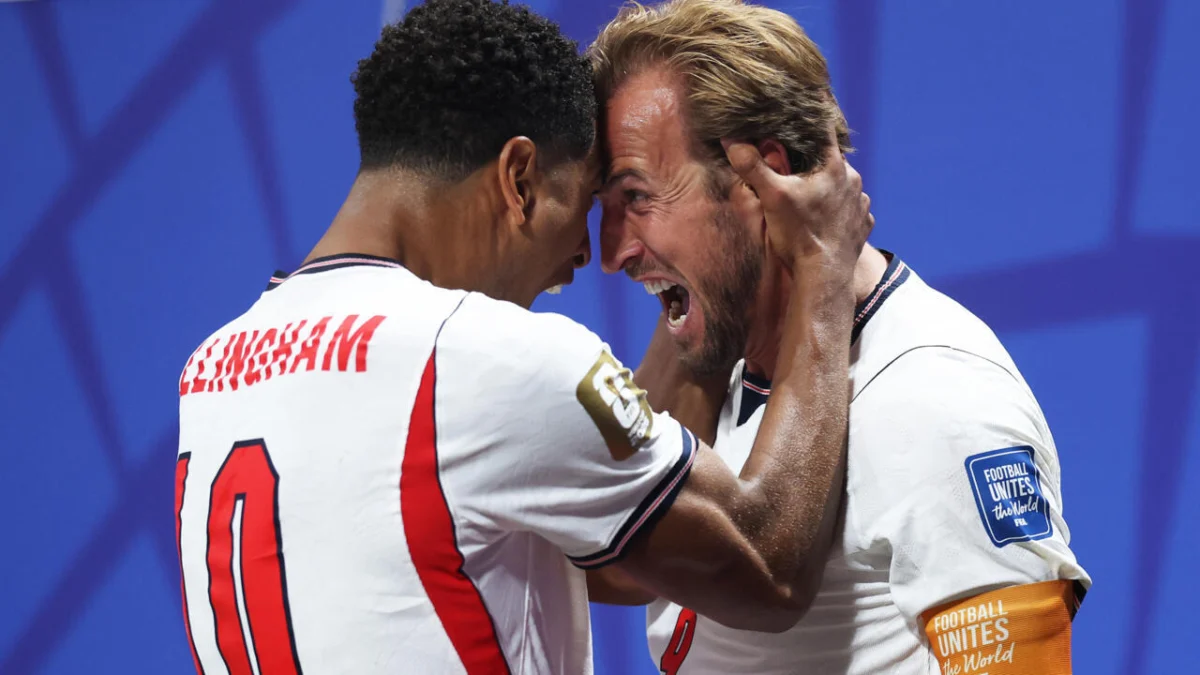
Atlanta, Georgia — In a contest that will be remembered as one of the most harrowing chapters of the 2026 World Cup, England narrowly avoided an ignominious exit at the hands of a fearless DR Congo side. Trailing for the majority of the match, the Three Lions were saved by the clinical brilliance of captain Harry Kane, whose late brace secured a 2-1 victory and a ticket to the Round of 16.
For manager Thomas Tuchel, this was not the comfortable stroll many pundits had predicted. Instead, it was a test of nerve, tactical flexibility, and physical endurance. As the final whistle blew in Atlanta, the relief among the English contingent was palpable, while the Congolese players collapsed to the pitch, knowing they had been mere minutes away from one of the greatest upsets in tournament history.
The Main Facts: A Narrow Escape
The Round of 32 clash was defined by the stark contrast between England’s tournament pedigree and DR Congo’s tactical discipline.
- Final Score: England 2, DR Congo 1.
- Key Performers: Harry Kane (two goals), Lionel Mpasi (DR Congo goalkeeper, 8 saves).
- The Turning Point: A 75th-minute tactical shift that introduced increased width via Bukayo Saka and Anthony Gordon.
- Next Opponent: England will advance to face a formidable Mexican side in what promises to be a hostile and high-intensity atmosphere.
The victory keeps England’s dreams of a maiden World Cup title alive, but it raises significant questions regarding the team’s defensive stability and their ability to break down organized, low-block defensive structures.
Chronology: A Match of Two Halves
The Shocking Opening
The match began in a way that silenced the pro-England sections of the Atlanta crowd. Barely minutes into the encounter, a lapse in concentration on the right side of the English defense allowed Brian Cipenga to seize possession. With time and space, Cipenga unleashed a thunderous strike that caught the English backline off guard, finding the back of the net and putting the underdogs in the driver’s seat.
The goal acted as a catalyst for a chaotic period. England, visibly rattled, struggled to string together coherent passes, while DR Congo grew in confidence, pressing high and forcing the Three Lions into uncharacteristic errors.
The Mpasi Wall
As England attempted to claw their way back, they found an insurmountable obstacle in Lionel Mpasi. The Congolese goalkeeper produced a performance of legendary proportions. Jude Bellingham, tasked with driving the midfield, was denied twice in quick succession—first by a miraculous reflex save from a header, and later by a blistering drive from the edge of the penalty area.
Throughout the first half and the opening stages of the second, the script remained the same: England dominated possession, yet DR Congo remained the more dangerous threat on the counter-attack. Yoane Wissa struck the post with a stinging effort, and Meschack Elia threatened continuously from set pieces, keeping the English nerves frayed.
The Late Surge
The final quarter of the match signaled a shift in momentum. Recognizing the need for a tactical adjustment, Tuchel signaled for fresh legs, introducing Bukayo Saka and Anthony Gordon to stretch the Congolese defense.
The pressure finally told in the 75th minute. Following a sustained period of possession, a pinpoint cross found Harry Kane, who rose highest to restore parity with a powerful header. The equalizer injected a sense of urgency into the England ranks, who sensed the game was there to be won.
With the match edging toward a draw and the specter of extra time looming, Kane delivered the final blow. In the 86th minute, the captain controlled a loose ball, spun away from his marker, and hammered an unstoppable strike under the crossbar, completing the comeback and sending the English fans into raptures.
Supporting Data and Performance Metrics
The statistics of the match highlight the sheer dominance England exerted in the final third, offset by the defensive heroism of the Congolese side.
| Statistic | England | DR Congo |
|---|---|---|
| Possession | 68% | 32% |
| Shots on Target | 11 | 4 |
| Corners | 9 | 2 |
| Saves (Goalkeeper) | 3 | 9 |
| Pass Accuracy | 89% | 72% |
The data underscores that while England controlled the tempo, they were forced into a high volume of shots—many from distance—due to the congested nature of the Congolese penalty area. Mpasi’s nine saves represent one of the highest individual outputs by a goalkeeper in the 2026 tournament, underscoring the level of difficulty England faced.
Official Responses: Tuchel and the Changing Room
In the post-match press conference, Thomas Tuchel was candid about the performance. "We knew that in a World Cup, there are no easy games," the manager stated. "DR Congo played with a level of heart and tactical awareness that made it extremely difficult for us to find our rhythm. We were stunned early, and for a while, we lost our composure. But this is where character matters. The players did not panic, and Harry showed exactly why he is one of the best in the world."
When asked about the defensive lapses, Tuchel noted, "We have to improve. We cannot afford to give away cheap goals in the knockout stages. But today was about survival. We found a way to win, and that is what matters most."
On the other side of the tunnel, the atmosphere was one of heartbreak. The Congolese camp expressed immense pride in their display. "We played a perfect game for 75 minutes," said the DR Congo coach. "We had the chances to kill it, but at this level, if you don’t take your chances against a team like England, they will eventually punish you. We leave with our heads held high."
Implications: The Road Ahead
England’s Tactical Re-evaluation
The primary takeaway for England is the necessity of adaptability. While their possession-based game is effective against teams that sit deep, the lack of clinical finishing in the first hour nearly cost them their tournament life. Tuchel will likely spend the coming days focusing on transition defense, as Mexico—their next opponent—possesses a far more lethal counter-attacking threat than what was seen in Atlanta.
The reliance on Harry Kane remains both a blessing and a potential concern. While he delivered when it counted, the team’s over-reliance on his individual brilliance suggests a lack of secondary scoring options when the primary game plan is stifled.
The Rise of African Football
Though eliminated, DR Congo’s performance serves as a broader statement on the development of African football on the global stage. Their ability to stifle one of the tournament favorites for the majority of 90 minutes highlights the narrowing gap between the world’s elite and emerging footballing nations. Players like Lionel Mpasi and Brian Cipenga have undoubtedly bolstered their reputations, likely catching the eyes of scouts from Europe’s top-tier leagues.
Looking Toward the Round of 16
The victory sets up a tantalizing clash with Mexico. For England, the path to the trophy has become significantly steeper. The mental fatigue of such a narrow escape must be managed, as they prepare for a hostile crowd and a Mexican team that will have studied the footage of this match intently to identify the gaps in the English defensive structure.
As the tournament heads into the latter stages, the "Three Lions" remain in the hunt, but the lesson of Atlanta is clear: in the 2026 World Cup, reputation means little. Every match must be earned, every goal must be fought for, and even the favorites are only one defensive lapse away from heading home.
(FRANCE 24 with AFP)