The romanticized image of the American Wild West—a landscape defined by rugged individualism, the golden promise of the frontier, and the lawless excitement of the saloon—remains a permanent fixture in the collective cultural consciousness. From cinematic depictions of high-noon showdowns to the enduring popularity of historic Western-themed taverns, we are perpetually drawn to the grit and determination of those who carved a life out of the untamed territories.
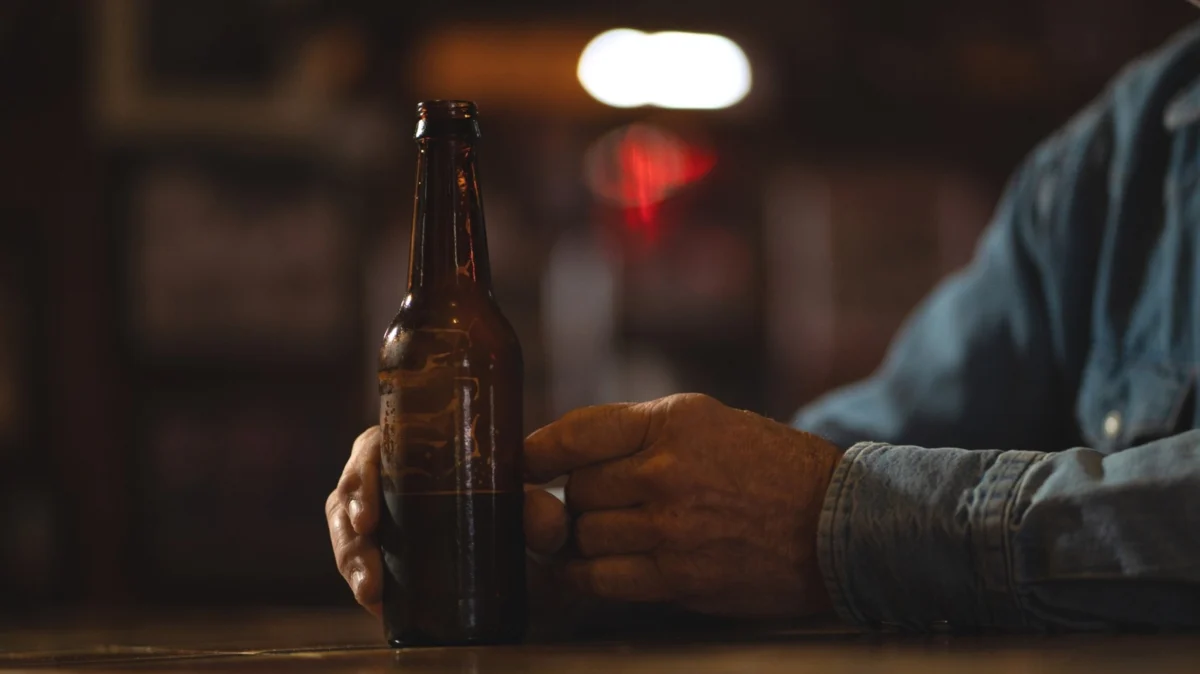
Yet, for all our fascination with the era, the culinary reality of the frontier was often a far cry from the modern comforts we take for granted today. Among the most stark contrasts is the way in which alcohol, specifically beer, was consumed. If you were to walk into a saloon in 1870s Arizona or Nevada, you would likely find that the "ice-cold" refreshment we demand from our modern craft breweries was an impossibility. Instead, the typical cowboy was accustomed to drinking beer that was, by modern standards, room temperature, inconsistent in quality, and occasionally bordering on sour.
The Evolution of the Frontier Brew: A Chronological Overview
To understand the drinking culture of the Old West, one must first understand the logistical constraints of the 19th-century American landscape.
1840s–1860s: The Era of "Frontier Necessity"
During the early years of Western expansion, the concept of a "brand" or a "consistent pour" did not exist in the territories. As pioneers pushed westward, they brought with them a desperate need for morale-boosting provisions. Because beer is heavy and prone to spoilage, transporting it across thousands of miles of rough terrain was a logistical nightmare.
Consequently, early frontier saloons often operated as makeshift breweries. Without access to specialized hops—which were difficult to cultivate in the arid climate—or standardized malting processes, saloon keepers fermented whatever sugar or grain sources were available. These early brews were frequently un-hopped, resulting in a sweet, syrupy profile that fermented rapidly and, more often than not, soured before it could be consumed.
1870s–1880s: The German Influence and the Rise of Lagers
The mid-to-late 19th century saw a massive influx of German and Czech immigrants, who brought with them sophisticated lager-brewing traditions. These techniques relied on cooler fermentation temperatures and the inclusion of hops for preservation and flavor. This period marked a turning point in American brewing history, as iconic labels such as Yuengling (1829), Pabst (1844), and Anheuser-Busch (1852) began to gain traction. However, for the cowboy in the field, these beers remained a luxury that struggled to survive the journey from the industrial East to the remote Western outpost.
1890s: The Refrigeration Revolution
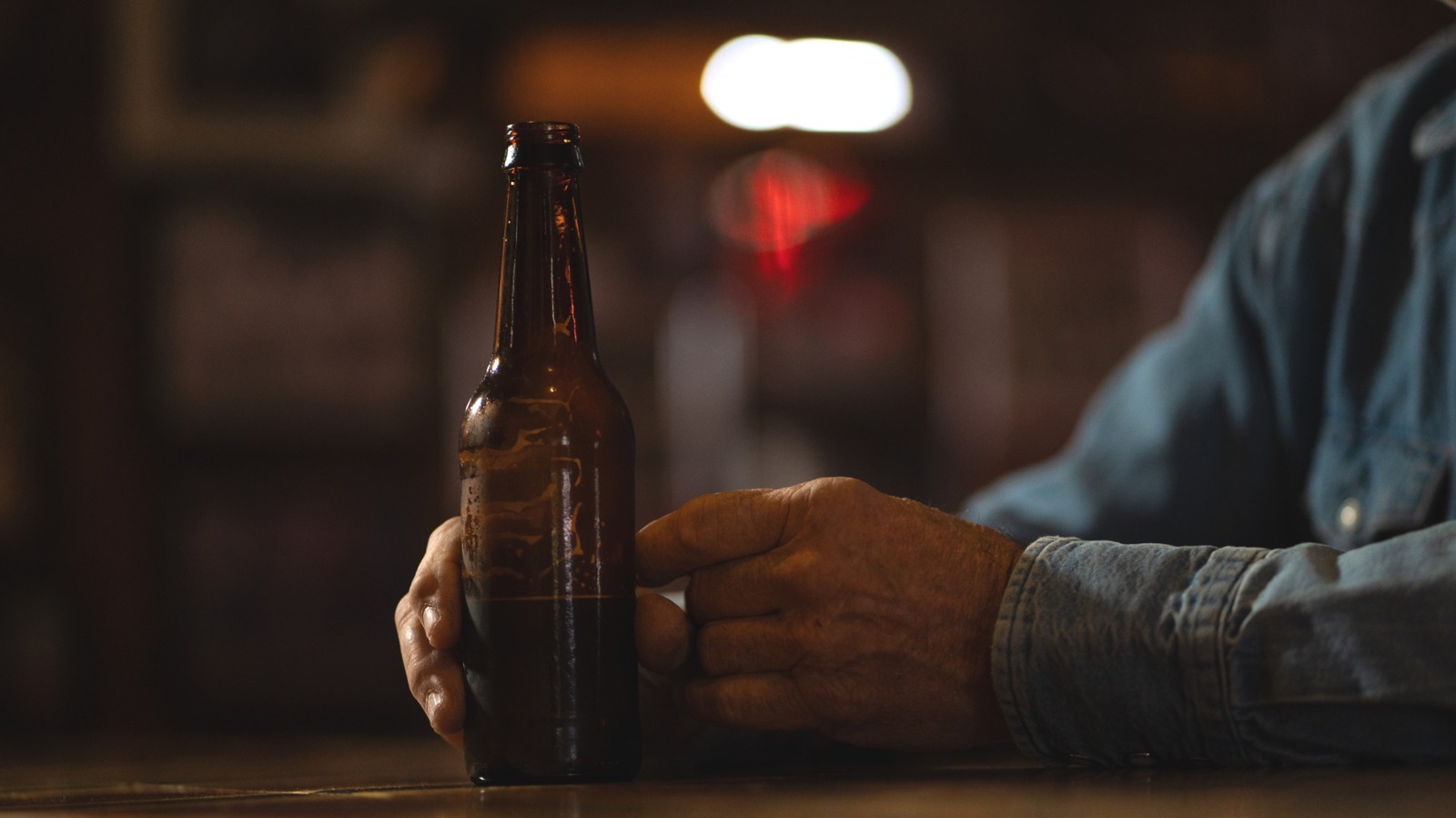
The final decade of the 19th century fundamentally altered the beer industry. The development of refrigerated train cars and the widespread construction of ice houses meant that, for the first time, Western saloons could offer a product that approximated the quality of Eastern city taverns. By 1900, the "crisp, cold lager" had become the standard, bridging the gap between the chaotic, warm-beer days of the frontier and the modern era of temperature-controlled consumption.
The Temperature Divide: Then vs. Now
The most jarring difference between a drink in 1875 and one in 2024 is the temperature. In the modern era, the "gold standard" for a standard lager or pilsner typically ranges between 38 and 55 degrees Fahrenheit. We have engineered our entire supply chain—from the cooling units in the back of a delivery truck to the draft lines in our local bars—to ensure that the beer hits the glass at an optimal, refreshing chill.
In the Old West, this was physically impossible for most of the frontier. In states like Arizona, New Mexico, and Nevada, where ambient temperatures regularly soared, a beer stored in a non-refrigerated barrel would typically sit between 55 and 65 degrees Fahrenheit.
Historians note that this served as a "thermal baseline." Because there was no mechanical refrigeration, beer was served at the temperature of the cellar or the floor of the saloon. While some wealthier establishments attempted to mitigate this by harvesting ice from local streams or mountains during the winter and storing it in underground "ice pits," this was a labor-intensive and costly practice that was simply not available to the average saloon in a small, dusty mining town.
The Economics and Logistics of the Frontier Saloon
The saloon was more than just a place to drink; it was the social anchor of the Wild West. However, the economic reality of the time meant that the quality of the product was almost entirely dependent on the distance from the nearest railhead.
The Impact of the Railroad
The expansion of the Transcontinental Railroad served as the single greatest factor in the "civilizing" of the American beer palate. Prior to the arrival of the tracks, a barrel of beer was a precious commodity. If a saloon keeper was forced to brew on-site, the product was unpredictable. If they imported beer, the cost was exorbitant due to the shipping time.
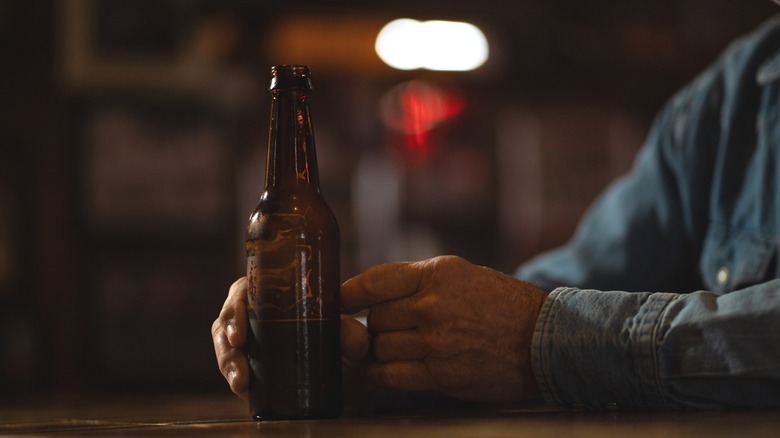
The Role of Industrial Breweries
As breweries like Miller and Budweiser grew in scale, they began to recognize the untapped potential of the Western market. By the 1890s, these companies were not just shipping product; they were beginning to vertically integrate. They would often finance the construction of saloons, ensuring that their specific brand was the only one on tap. This shift effectively ended the era of the "independent frontier brewer," standardizing the taste of American beer across the continent.
Implications for Modern Consumption
Looking back at the way cowboys drank beer offers a unique lens through which to view our own modern expectations. Our modern insistence on "ice-cold" beer is, in many ways, a luxury born of technological advancement.
For the historian, the "warm beer" of the Old West is a reminder of the fragility of the frontier. It serves as a testament to the fact that, for the people of that era, the quality of the beer was secondary to the social function it served. The saloon was a sanctuary—a place of warmth, community, and, yes, a drink—regardless of whether that drink was at the optimal temperature.
Furthermore, the transition from the un-hopped, unpredictable local brews of the 1850s to the standardized, cold-shipped lagers of the 1890s mirrors the broader industrialization of America. It represents the movement from a fragmented, regional economy to a cohesive, national market.
Conclusion: A Toast to the Past
While we might recoil at the thought of drinking a 65-degree, un-hopped, slightly sour ale today, it is worth remembering that for the pioneers of the West, it was a taste of home. It was the best they had, and they drank it with the same spirit of resilience that defined their era.
Today, as we enjoy a crisp, perfectly chilled beer at our local craft brewery, we are the beneficiaries of over a century of technological and culinary evolution. The next time you find yourself at a bar, perhaps take a moment to consider the evolution of your glass. We may have mastered the temperature, but the tradition of the saloon—the desire to gather, to share a story, and to toast to the day’s work—remains exactly as it was when the West was truly wild.