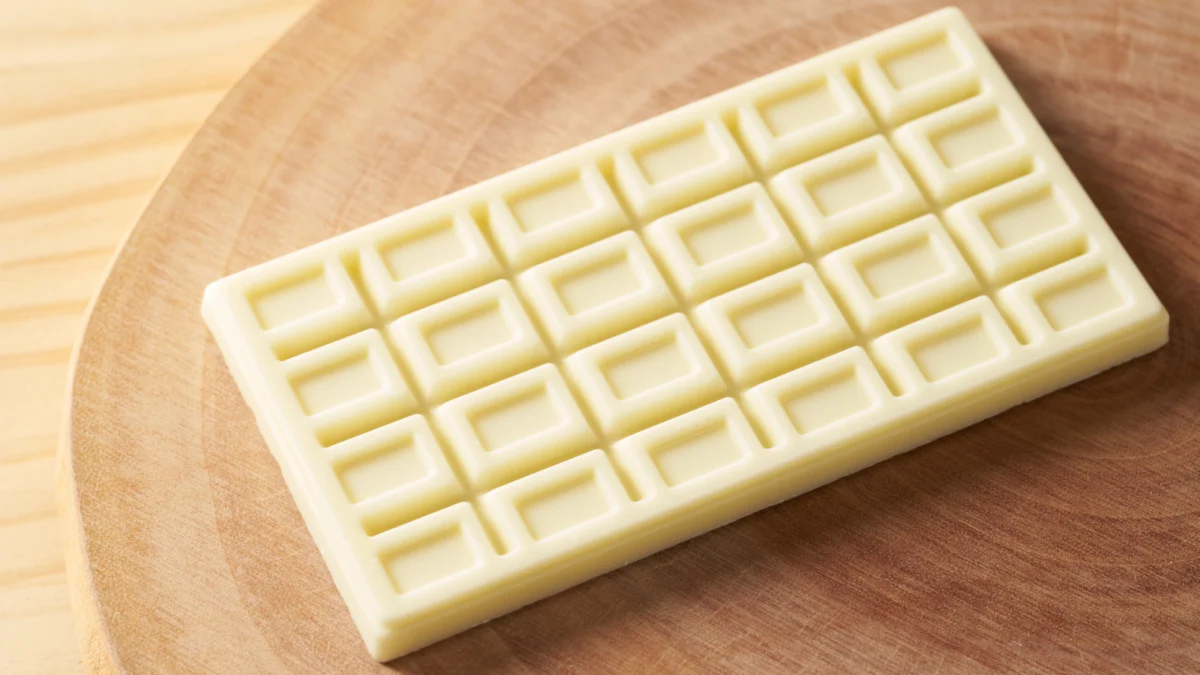
In the annals of confectionery history, few products have managed to achieve the cult-like status of the Nestlé Alpine White chocolate bar. Discontinued in the mid-1990s, the candy—a creamy, almond-studded white chocolate confection—has transcended its status as a mere snack to become a symbol of a specific, synthesizer-soaked era of American pop culture. Decades after the last bar left store shelves, the ghost of Nestlé Alpine White continues to haunt the collective memory of Generation X and older Millennials, driven by a marketing campaign so atmospheric that it bordered on the surreal.
Main Facts: A Study in Minimalist Indulgence
At its core, the Nestlé Alpine White bar was a triumph of minimalist branding. Launched during a decade defined by excess, the bar presented itself as an oasis of sophistication. Wrapped in clean, elegant packaging that eschewed the chaotic colors of its competitors, the Alpine White bar promised an "Old World" experience.
According to its original labeling, the bar was constructed from a deceptively simple quintet of ingredients: sugar, cocoa butter, milk, almonds, and vanillin. Despite the technicality that white chocolate contains no cocoa solids—the defining characteristic of "true" chocolate—the Alpine White bar managed to capture the public’s imagination. It wasn’t just candy; it was an aspirational accessory. Its inclusion of almonds provided a structural crunch that elevated the sensory experience beyond the cloying sweetness typical of mass-market white chocolate, creating a balance that fans still claim is missing from modern alternatives.
Chronology: The Brief Life of an Icon
The timeline of the Alpine White bar was short, mirroring the rapid rise and fall of many 1980s aesthetic trends.
- 1986: Nestlé introduces the Alpine White bar to the North American market, positioning it as a premium, European-style treat.
- 1986–1989: The peak of the brand’s cultural influence, fueled by the relentless rotation of its high-concept television commercials.
- 1990–1992: As the consumer palate shifted toward more intense, dark-chocolate-focused trends, the prominence of white chocolate began to wane.
- 1993: Nestlé begins scaling back production.
- 1994: The product is officially pulled from shelves, marking the end of its eight-year run.
- Post-1994 to Present: The "Alpine White" enters the pantheon of lost snacks, surviving only through the internet’s digital archives, Reddit nostalgia threads, and the occasional desperate attempt by home bakers to replicate the recipe.
The Cinematic Masterpiece: A Masterclass in Branding
To understand why the Alpine White bar is remembered so fondly, one must look past the sugar and fat content to the television advertising that accompanied its launch. In the mid-80s, television commercials were often loud and frantic. Nestlé, however, took a different approach.
Borrowing the visual language of the American painter Maxfield Parrish—known for his luminous, idealized landscapes and ethereal lighting—the Alpine White commercials were a slow-motion fever dream. Featuring figures draped in white, soaring mountains, and, most importantly, a sultry, synth-heavy rock ballad, the ads were designed to evoke a feeling rather than describe a product.
The lyrics, “Sweet dreams you can’t resist / N-E-S-T-L-E-S / A dream as sweet as this,” were delivered with the breathy intensity of a contemporary power ballad. The effect was so profound that even the band Faith No More famously incorporated the jingle into their live sets. It was an exercise in "mood marketing" that proved more effective than the product itself. When the music stopped and the bar disappeared from shelves, the memory of the commercial remained, creating a persistent, phantom craving for a product that was essentially a vessel for a specific nostalgic emotion.
Supporting Data: The Digital Afterlife of a Confection
The enduring legacy of the Alpine White bar is best measured by the digital footprint it has left behind. A perusal of forums like r/nostalgia reveals a demographic that remains genuinely aggrieved by the bar’s departure.
"I would give anything to go back to the ’80s or early ’90s and eat just one more Alpine White," writes one user, a sentiment echoed by thousands of comments across various platforms. The common thread among these fans is the realization that while many companies offer white chocolate, the "Alpine" experience was unique. Whether it was the specific temper of the chocolate or the quality of the almonds, the product has proven impossible to recreate perfectly in the modern era.
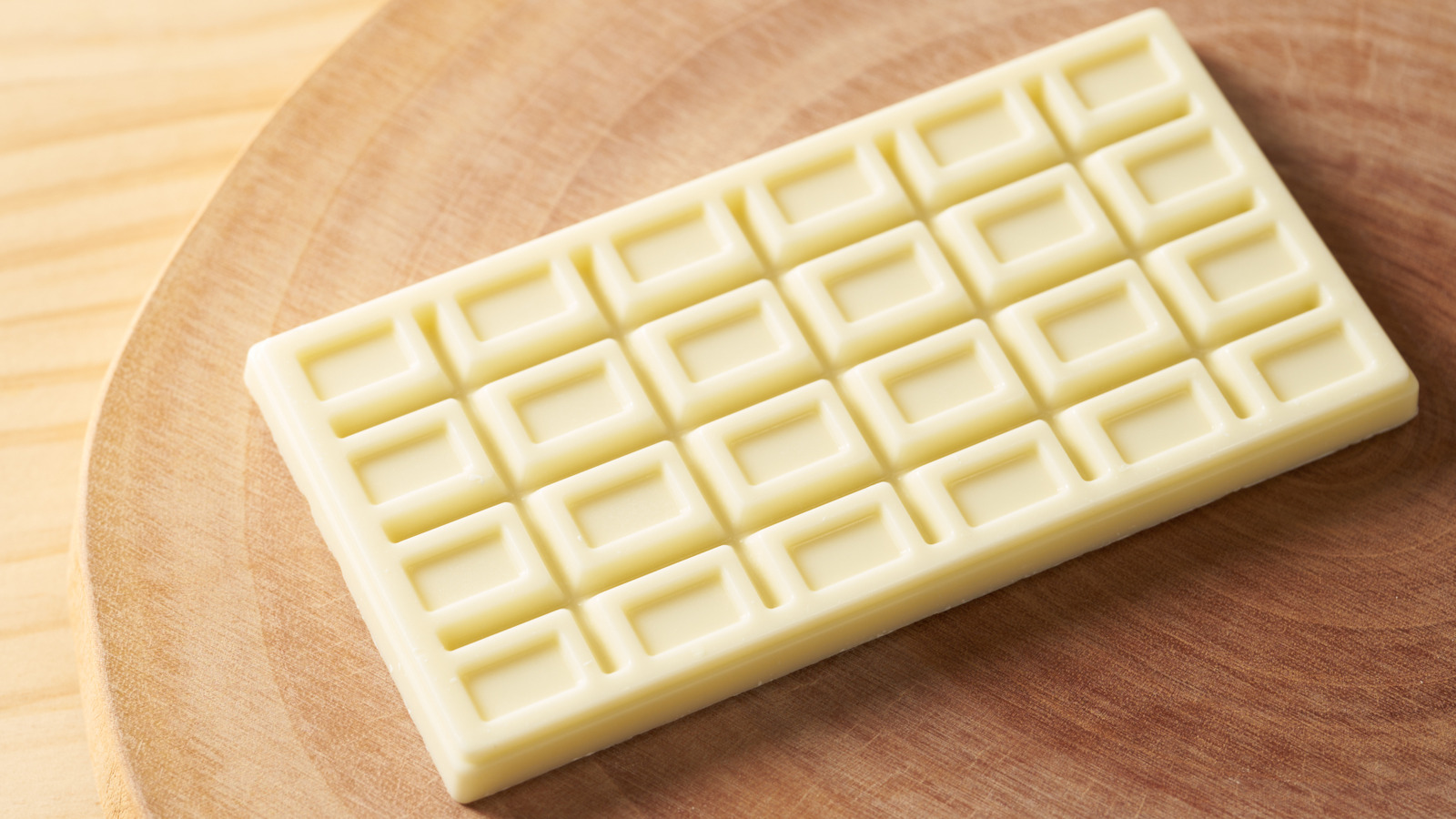
This obsession has spawned a cottage industry of DIY recipes. Enthusiasts now trade methods for melting high-quality white chocolate chips, pulverizing toasted almonds, and casting the mixture into homemade molds, hoping to recapture the flavor profile of their youth. These efforts are rarely about the chocolate itself, but rather about regaining a sensory connection to a decade that feels increasingly distant.
Official Responses and Corporate Strategy
Nestlé has rarely addressed the clamor for the return of the Alpine White bar, reflecting a standard corporate stance on discontinued products. In the food and beverage industry, items are typically pulled due to declining sales, shifting market trends, or the high cost of specialized ingredients. By the mid-90s, the "premium" white chocolate market had become crowded, and the specific aesthetic of the 1986 campaign had aged out of relevance.
From a strategic standpoint, Nestlé has moved toward a more consolidated portfolio, focusing on globally recognized brands rather than niche, localized nostalgia hits. While companies like PepsiCo or Hostess have occasionally engaged in "limited-time returns" of discontinued items, Nestlé has shown little appetite for resurrecting the Alpine White. For the consumer, this silence is deafening, turning the bar into a "white whale" of the snack world.
Implications: The Psychology of Nostalgia Marketing
The case of the Nestlé Alpine White bar offers a fascinating case study in the psychology of consumption. It suggests that in the food industry, marketing is not merely a tool to sell a product—it is the product.
When consumers say they miss the Alpine White, they are not just describing a taste; they are describing a sensory environment. The "sweet dream" promised in the commercials was tied to the safety and simplicity of the late 80s. The disappearance of the bar represents the closing of a chapter, and the persistent desire to see it return is a manifestation of a broader, societal desire to reclaim the past.
Furthermore, the Alpine White bar serves as a warning to modern brands: if you market your product with enough artistry, you risk creating a legacy that your actual inventory cannot sustain. The jingle outlived the bar because the jingle was an art form, while the bar was a commodity.
Conclusion: A Legacy in the Clouds
Today, the retail landscape for white chocolate is dominated by brands like Tony’s Chocolonely, which prioritize ethical sourcing and complex flavor profiles. While these bars are objectively higher in quality than the Nestlé Alpine White, they lack the mythic weight of their 1980s predecessor.
For those who remember the woman in the billowing white dress and the synthesized promise of "sweet dreams," the Nestlé Alpine White bar remains a perfect, unattainable object. It occupies a space in the pantheon of lost snacks not because it was the best chocolate ever made, but because it was the best at convincing us that a candy bar could be a window into a dream. As it stands, the Alpine White remains a ghost—a memory of sugar, almonds, and a jingle that refuses to fade.