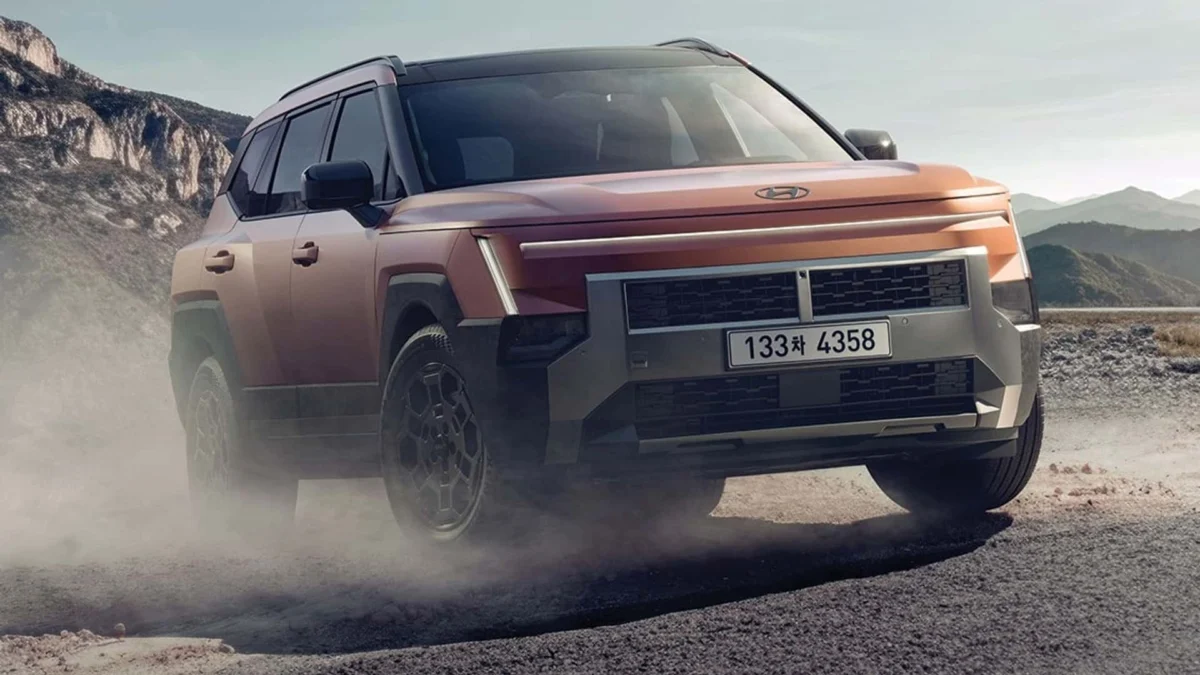
The automotive landscape is undergoing a significant shift, moving away from purely utilitarian SUVs toward vehicles that balance urban sophistication with the promise of weekend escapism. With the unveiling of the 2027 Hyundai Tucson XRT, the South Korean automaker is leaning heavily into this trend. By blending the fifth-generation Tucson’s dramatic design overhaul with a suite of "adventure-ready" aesthetic upgrades, Hyundai is positioning its best-selling crossover to appeal to a demographic that values the spirit of exploration—even if their most rugged terrain is a suburban gravel driveway.
Main Facts: A New Look for the Modern Nomad
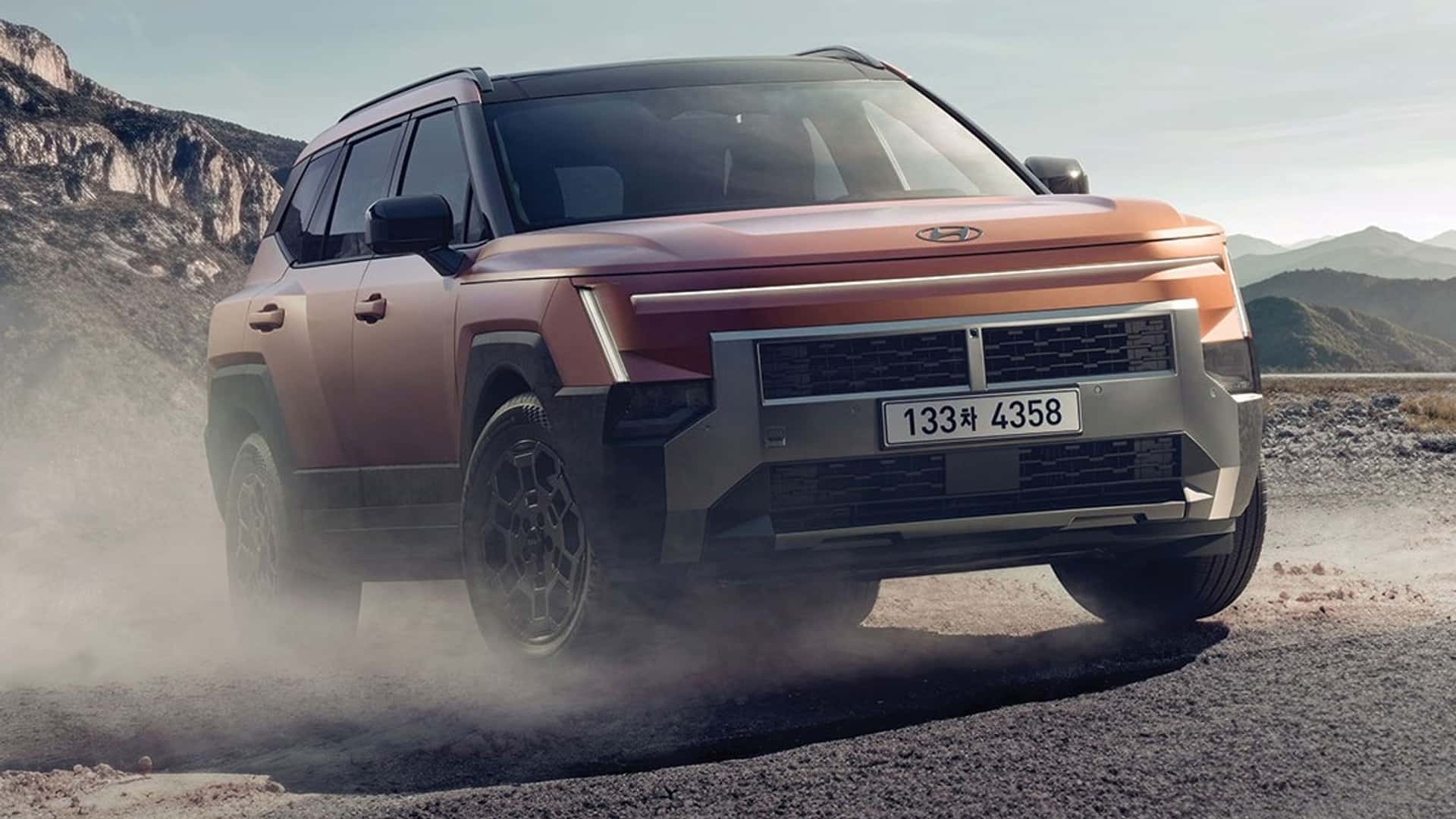
The 2027 Tucson XRT serves as the rugged, trail-inspired flagship of the refreshed lineup. While the core mechanical foundations of the fifth-generation Tucson remain consistent, the XRT trim introduces a suite of exterior modifications designed to provide a more imposing, athletic visual presence.
At the front, the vehicle features a distinctive split rectangular grille that offers a bolder, more technical appearance compared to the standard model. This is complemented by a ruggedized skid plate, which serves both a protective and a stylistic function, anchoring the vehicle’s off-road aspirations. The visual footprint is further widened by aggressive black wheel-arch cladding, which features a unique, forged-carbon-inspired pattern. This small detail elevates the XRT above competitors who rely on basic matte-plastic cladding, signaling a move toward higher-quality, tactile design elements.
The theme continues along the flanks, where the vehicle swaps standard wheels for dedicated XRT-branded alloys, eschewing the traditional Hyundai logo for a bolder, typography-focused center cap. At the rear, a bespoke bumper and skid plate assembly provide symmetry to the front-end changes, while the prominent XRT badging and the HTRAC all-wheel-drive emblem serve as a reminder that this vehicle is engineered to handle varied road conditions.
Chronology: The Evolution of the XRT Sub-Brand
The arrival of the 2027 XRT is the culmination of a multi-year strategy by Hyundai to expand its portfolio of "rugged-look" vehicles.
- Initial Concept Phase: Hyundai first signaled its intent to lean into the adventure market with the unveiling of various "Crater" and off-road-oriented concept vehicles, gauging consumer interest in more durable aesthetic packages.
- The Fifth-Generation Reveal: Approximately one month ago, Hyundai introduced the baseline 2027 Tucson, showcasing a radical departure from previous design languages, characterized by sharper lines and more aerodynamic, boxy proportions.
- The Teaser Campaign: Following the main reveal, Hyundai provided a single, shadowed image of the XRT, successfully building anticipation for the trim’s more aggressive styling cues.
- Full Disclosure: Today marks the official full-reveal of the XRT trim, providing a complete look at the interior and exterior modifications that define this specific package.
- Market Entry: The 2027 Tucson is scheduled to hit the Korean market next month, with global rollouts and pricing announcements expected to follow throughout the final quarter of the year.
Supporting Data: Engineering a "Boxy Yet Slippery" Profile
One of the most impressive feats of the 2027 Tucson redesign is the paradoxical combination of a more upright, "boxy" aesthetic with record-breaking aerodynamic efficiency. Despite its rugged, adventurous appearance, the new Tucson boasts a drag coefficient of 0.30, a marked improvement over the previous generation’s 0.33.
This efficiency is achieved through several advanced engineering solutions:
- Active Air Flaps: These automatically adjust based on engine cooling needs, reducing drag at highway speeds.
- Aero-Optimized Wheels: The wheel design is specifically engineered to smooth out airflow along the side of the vehicle.
- Structural Refinements: A resculpted roof spoiler and the inclusion of a rear underbody spoiler work in tandem to reduce turbulence behind the vehicle.
- Enhanced Sealing: Additional sealing materials have been applied throughout the chassis to minimize air leakage, contributing to both aerodynamic performance and cabin silence.
The dimensions have also grown to accommodate a more comfortable passenger experience. The vehicle is now 60 mm (2.4 inches) longer and 40 mm (1.6 inches) wider, with a wheelbase stretched by 30 mm (1.2 inches). This translates into a significantly improved interior, with 29 mm (1.1 inches) of additional rear-seat headroom and a rear-door opening angle that has increased from 73 to 83 degrees, making entry and egress considerably easier for passengers and cargo.
Official Responses and Internal Refinement
Hyundai has taken care to ensure the interior of the XRT matches its exterior ruggedness. The cabin features XRT-exclusive seat patterns and dark-metal trim accents, creating a more subdued, functional atmosphere. Furthermore, the inclusion of protective floor mats for both rows is a practical nod to the "lifestyle" branding of the vehicle.
However, the improvements go beyond aesthetics. To address long-standing feedback regarding cabin comfort, Hyundai has implemented several NVH (Noise, Vibration, and Harshness) countermeasures:
- Acoustic Glass: The front door glass has been thickened to further insulate the cabin from wind noise.
- Damping Upgrades: Revised engine and transmission mounts have been engineered to dampen vibrations before they reach the chassis.
- Suspension Tuning: New suspension geometries have been implemented to reduce unnecessary body movement, providing a more composed ride regardless of the terrain.
Implications: The "Lifestyle SUV" Market
The XRT represents a clear strategic choice by Hyundai: it is not intended to be a replacement for a dedicated rock-crawler or a high-performance off-roader. Instead, it is a "lifestyle" vehicle. In the modern automotive market, this is a winning formula.
As noted by our editorial team, the XRT formula—black cladding, skid plates, and unique badging—allows a vehicle to tap into a sense of adventure that is essential for the current SUV buyer. Most XRT models will likely spend their lives on paved city streets, but the potential for adventure is part of the product’s identity. It allows the owner to project an image of readiness without the compromises—such as poor fuel economy or a harsh ride—often associated with dedicated off-road vehicles.
The implications for the broader Hyundai lineup are significant. With reports suggesting that Hyundai plans to implement the "XRT" treatment across a wider range of its SUVs, the company is signaling that it intends to capture a larger share of the adventure-oriented segment. This is a savvy move; as consumers continue to migrate from sedans to crossovers, the ability to differentiate models via styling packages becomes a critical competitive advantage.
Whether or not Hyundai will eventually release an "XRT Pro" model with actual mechanical upgrades—such as increased ground clearance, upgraded dampers, or all-terrain tires—remains a subject of speculation. For now, the 2027 Tucson XRT stands as a compelling aesthetic evolution of a segment-leading crossover. It proves that a vehicle can be both highly efficient and visually bold, offering a distinctive look that perfectly complements the updated, more muscular proportions of the fifth-generation Tucson.
As the market waits for official pricing in October, one thing is clear: the Tucson is no longer just a commuter car. It is a canvas upon which owners can express their desire for the open road, whether they are navigating the urban jungle or heading toward the horizon.