A prominent animal rescue operator in Southern California is facing a potential prison sentence of up to 24 and a half years after being hit with 35 criminal charges. Christine De Anda, the 57-year-old operator of the "Rock ‘N’ Pawz" animal rescue in the rural community of Lake Hughes, is accused of orchestrating a massive, multi-year operation of animal neglect and financial exploitation.
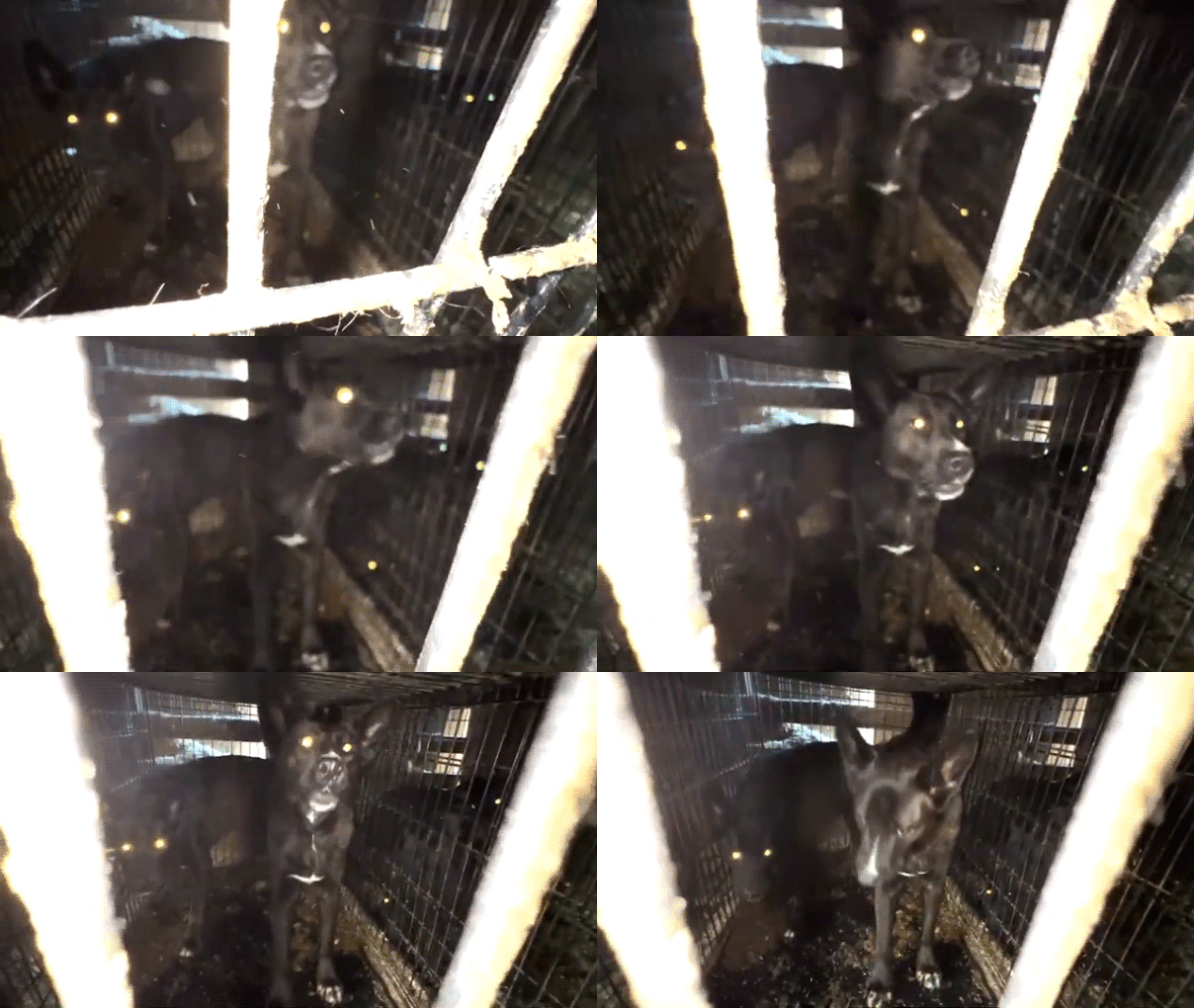
The case, which culminated in the largest companion animal rescue operation in the history of the Los Angeles County Department of Animal Care and Control (DACC), has sent shockwaves through the regional animal welfare community. Investigators uncovered roughly 300 animals living in extreme squalor, suffering from severe starvation, dehydration, and untreated physical trauma.
Main Facts: The Charges and the Defendant
On the surface, Rock ‘N’ Pawz presented itself as a sanctuary for animals in need. However, a joint investigation by the Los Angeles County District Attorney’s Office and local animal control authorities revealed a starkly different reality behind the facility’s gates.
The Criminal Charges
The Los Angeles County District Attorney’s Office has filed a 35-count criminal complaint against Christine De Anda. The charges are a mix of severe felonies and misdemeanors reflecting both physical abuse of animals and financial misconduct:
- 12 Felony Counts of Animal Cruelty: Filed under California Penal Code Section 597(b), these charges address the active and passive abuse that led to severe bodily injury, starvation, and death among the animals.
- 2 Felony Counts of Grand Theft of Labor: These charges indicate that De Anda allegedly defrauded individuals who worked at the facility, failing to compensate them or exploiting their labor under false pretenses.
- 21 Misdemeanor Charges: These counts span a variety of municipal and state violations, including failure to provide proper animal care, operating an unlicensed kennel, and violating local public health codes.
Bail and Potential Sentencing
Following her arrest, prosecutors requested that De Anda’s bail be set at $914,500 ahead of her formal arraignment at the Antelope Valley Courthouse in Lancaster, California. The high bail amount reflects the severity of the charges, the scale of the animal suffering, and the ongoing threat of flight or continued illegal operations.
If convicted on all counts, De Anda faces a maximum sentence of 24 and a half years in California state prison.
Chronology: The Road to the Historic Raid
The downfall of Rock ‘N’ Pawz was not an overnight event. It was the result of a long-term pattern of non-compliance, ignored regulatory warnings, and a gradual descent into severe animal hoarding.
[Prior Years] Multiple warnings, citations, and code violations issued to De Anda
      │
      ▼
[Early 2026] Investigation intensifies; evidence of severe neglect gathered
      │
      ▼
[March 20, 2026] DACC executes search warrant; 300+ animals seized; deceased cat found
      │
      ▼
[Post-Raid] Animals triaged by spcaLA, Pasadena Humane, and Kern County Services
      │
      ▼
[Present] DA Hochman files 35 criminal charges; $914,500 bail requested
Years of Ignored Warnings
According to county records, De Anda had been on the radar of local code enforcement and animal control officers for several years. Neighbors and former associates had filed complaints regarding the smell, noise, and overall conditions at the Lake Hughes property.
Despite receiving numerous citations, official warnings, and direct orders to cease taking in animals, De Anda allegedly continued to expand her unauthorized population. Rather than scaling back her operations to match her resources, she actively solicited more animals from shelters and the public, compounding the overcrowding.
The March 20, 2026 Raid
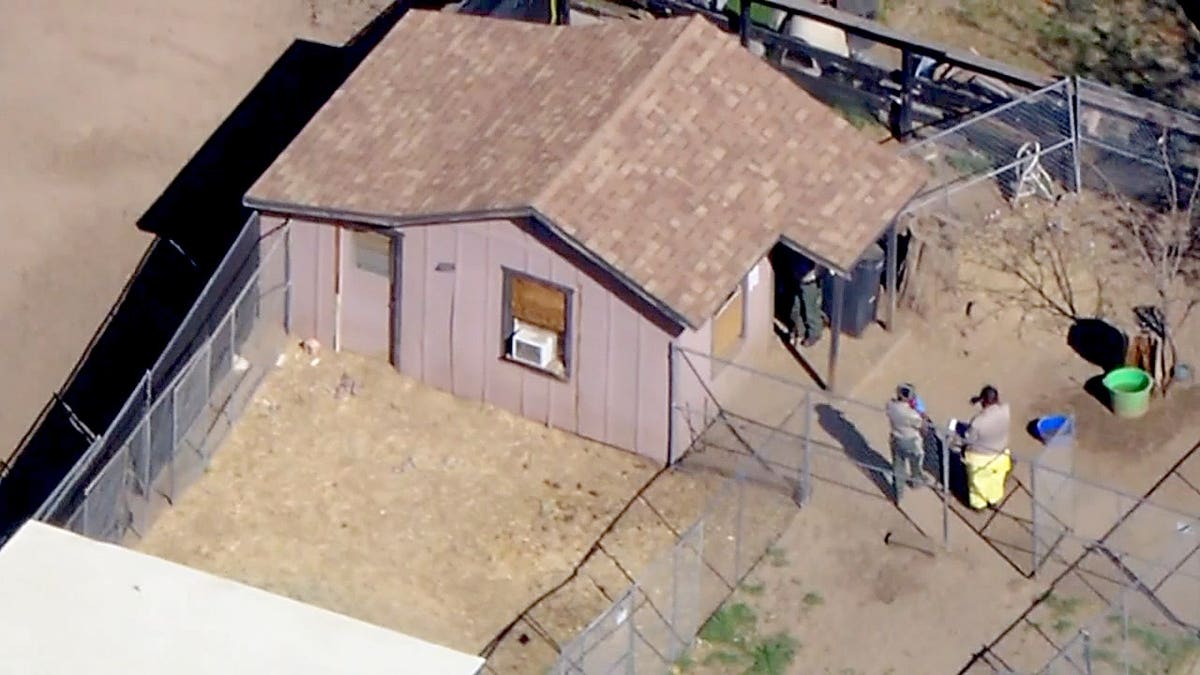
The escalation of complaints and De Anda’s persistent refusal to comply with county regulations prompted a coordinated legal response. On March 20, 2026, the Los Angeles County Department of Animal Care and Control, supported by local law enforcement, executed a comprehensive search warrant at the Lake Hughes property.
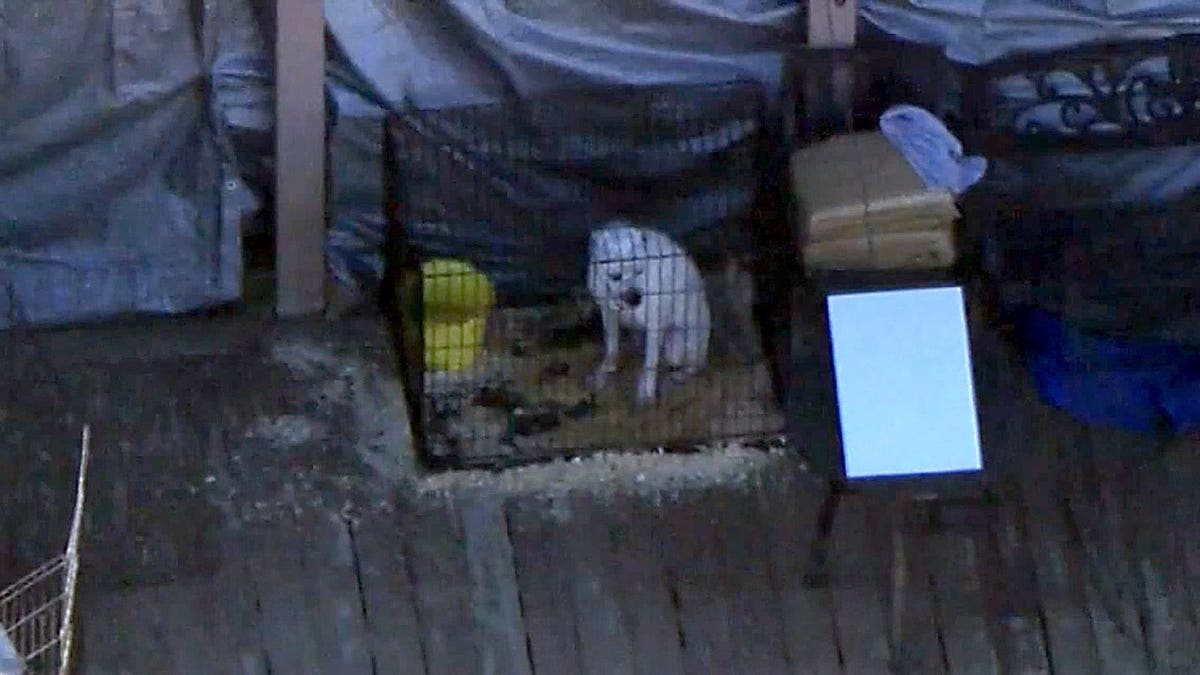
What investigators discovered inside was described as a scene of unprecedented devastation. More than 300 animals—primarily dogs, but also including cats, a pig, a rabbit, a goose, and two goats—were found trapped in highly unsanitary conditions. The operation immediately transitioned from a regulatory search to the largest companion animal rescue mission in the history of Los Angeles County.
Supporting Data: The Conditions Inside Rock ‘N’ Pawz
The physical evidence gathered during the March 20 raid paints a detailed picture of systemic cruelty, structural neglect, and municipal violations.
Animal Demographics and Physical Trauma
The sheer variety and volume of animals found on the property overwhelmed initial triage teams. The rescued animals included:
- Dogs: Over 280 dogs of various breeds, many confined to wire travel crates meant for temporary transport.
- Cats: Dozens of cats, including one found dead of starvation and dehydration at the onset of the raid.
- Livestock and Exotic Animals: One pig, a rabbit, a goose, and two goats, all kept in sub-standard enclosures without access to proper species-specific nutrition.
The medical evaluations conducted by veterinary staff immediately following the rescue revealed severe, prolonged suffering:
- Fecal and Urine Burns: Many animals were forced to stand, sit, and sleep in their own waste. This prolonged exposure led to ammonia dermatitis, commonly known as urine scalding, which causes painful chemical burns and hair loss on the paws, bellies, and hindquarters.
- Severe Emaciation: Dozens of dogs and cats were diagnosed as severely emaciated, exhibiting rib, hip, and spinal prominence due to lack of food.
- Untreated Injuries and Diseases: Animals suffered from open wounds, severe dental disease, untreated fractures, and highly contagious respiratory and skin infections, such as sarcoptic mange.
- Crate Confinement: Many animals were confined to plastic and wire crates so small they were unable to stand fully upright, turn around, or lie down comfortably.
| Animal Type | Seized Count | Primary Health Issues Observed |
|---|---|---|
| Dogs | 280+ | Emaciation, urine burns, severe matting, respiratory infections |
| Cats | 15+ | Severe dehydration, upper respiratory infections, starvation (one deceased) |
| Goats | 2 | Hoof neglect, lack of clean water |
| Pig / Rabbit / Goose | 3 | Malnutrition, substandard/unsafe housing |
Infrastructure and Zoning Violations
The physical property in Lake Hughes was not legally or structurally equipped to handle a fraction of the animals housed there. Investigators documented extensive code violations that contributed directly to the unsafe environment:
- Operating an Unlicensed Kennel: De Anda lacked the necessary land-use permits and kennel licenses required by Los Angeles County to house more than a standard household number of companion animals.
- Unpermitted Construction: The property featured several makeshift structures built without permits. These structures lacked proper ventilation, insulation, and emergency egress.
- Hazardous Electrical and Plumbing: Unlicensed electrical wiring ran throughout the outdoor enclosures, posing a severe fire and electrocution hazard. Furthermore, the lack of proper plumbing prevented workers from maintaining basic sanitation and providing clean running water to the animals.
Grand Theft of Labor
The inclusion of two felony counts of grand theft of labor indicates a secondary layer of exploitation. Investigators allege that De Anda utilized workers—often presenting themselves as volunteers, interns, or low-wage laborers—under false pretenses.
By failing to compensate these workers in accordance with California labor laws, or by withholding promised pay while forcing them to work long hours in hazardous, bio-contaminated conditions, De Anda allegedly violated state labor statutes to maintain her low-overhead, high-volume operation.
Official Responses and Law Enforcement Action
The scale of the abuse at Rock ‘N’ Pawz prompted strong statements from high-ranking Los Angeles County officials, who emphasized the betrayal of trust inherent in "rescue hoarding."
District Attorney Nathan J. Hochman
Los Angeles County District Attorney Nathan J. Hochman expressed profound condemnation of De Anda’s actions, highlighting the hypocrisy of her public persona as an animal savior.
"For someone who calls herself an animal rescuer, there’s a fundamental responsibility to protect and care for the animals entrusted to her," Hochman stated. "Instead, purported rescuer Christine De Anda allegedly left these animals to suffer or die from starvation, dehydration, untreated injuries and painful urine and fecal burns in filthy conditions."
Hochman emphasized his office’s commitment to seeking maximum penalties for animal abusers, particularly those who operate under the guise of charity.
"After repeated citations and warnings, Ms. De Anda continued taking in animals she could not care for, leaving hundreds to endure prolonged suffering," Hochman added. "These animal victims cannot speak for themselves and look to us to protect them. My office will hold their victimizer fully accountable for her inhumane actions."
DACC Director Marcia Mayeda
Marcia Mayeda, the Director of the Los Angeles County Department of Animal Care and Control, detailed the logistical complexity of the rescue and the emotional toll it took on her staff.
"More than 300 animals were removed from severely inhumane conditions," Mayeda said. "Animals were living in and saturated with their own excrement, had serious untreated illnesses and injuries, were emaciated, and were forced to live in small crates without adequate room to properly lie comfortably."
Mayeda praised the resilience of her teams and acknowledged that despite round-the-clock emergency veterinary intervention, some animals were too far gone to save.
"Sadly, despite all efforts, we were unable to save every animal due to the extent of their illnesses and injuries. Our teams have worked tirelessly to stabilize them, provide the medical care they needed, and help them recover."
Collaborative Rescue Efforts
Because of the massive volume of animals seized during the raid, DACC had to rely on a network of regional animal welfare organizations to house, treat, and rehabilitate the victims. Mayeda expressed deep gratitude to several key partners:
- Society for the Prevention of Cruelty to Animals Los Angeles (spcaLA)
- Pasadena Humane
- Kern County Animal Services
These organizations assisted by taking in dozens of dogs and cats, easing the strain on Los Angeles County’s municipal shelters, and providing specialized medical and behavioral rehabilitation.
Implications: The Crisis of Unregulated Animal Rescues
The case against Christine De Anda highlights a growing and complex issue within the animal welfare sector: the rise of "rescue hoarding" and the challenges of regulatory oversight.
The Phenomenon of ‘Rescue Hoarding’
Animal hoarding is a recognized psychological condition, but "rescue hoarding" represents a particularly damaging subset. Individuals who engage in rescue hoarding often begin with legitimate intentions to save animals from euthanasia. Over time, however, their desire to collect animals outpaces their financial, physical, and psychological capacity to care for them.
Unlike traditional hoarders, rescue hoarders often maintain an active public presence, utilizing social media and fundraising platforms to solicit donations and acquire more animals. This public-facing persona makes it difficult for donors, shelters, and regulatory bodies to identify the abuse occurring behind closed doors.
Regulatory Gaps and the Need for Oversight
The Rock ‘N’ Pawz case underscores the critical need for stricter oversight of non-profit and private animal rescues. In many jurisdictions, animal rescues operate with minimal regulatory interference compared to commercial kennels or municipal shelters.
Key issues contributing to this regulatory gap include:
- Lack of Standardized Inspections: Many private rescues are only inspected after a formal complaint is filed, allowing substandard conditions to persist undetected for years.
- Unregulated Animal Transfers: Legitimate municipal shelters, overwhelmed by overcrowding, sometimes transfer animals to unverified private rescues without conducting thorough site visits or background checks on the operators.
- Financial Transparency: Some illegitimate rescues operate without official 501(c)(3) status or fail to provide transparent financial records, diverting public donations away from actual animal care.
Community and Financial Strain
The financial burden of a rescue operation of this scale is immense. The cost of seizing, transport, emergency veterinary triage, long-term housing, and behavioral rehabilitation for over 300 animals easily reaches hundreds of thousands of dollars.
Ultimately, this burden falls on local taxpayers, municipal budgets, and the donor bases of the non-profit organizations that stepped in to assist. As the legal case against Christine De Anda moves forward in the Antelope Valley Courthouse, animal advocacy groups are calling for legislative reforms to prevent similar tragedies from occurring in the future.