Main Facts: The September 19 Strike and Immediate Outcomes
In a dramatic escalation of maritime interdiction operations, the United States military carried out a highly coordinated, lethal kinetic strike on a suspected drug-trafficking vessel in the Caribbean Sea on Saturday, September 19. The operation, which resulted in the deaths of four suspected "narco-terrorists," marks the latest chapter in an aggressive, militarized campaign targeting transnational criminal organizations operating within the transit zones of the Western Hemisphere.
According to an official statement released by U.S. Southern Command (SOUTHCOM), the operation was executed under its direct authority by Joint Task Force Western Hemisphere. The target was identified as a "go-fast" vessel—a high-speed watercraft routinely utilized by smuggling syndicates to transport illicit narcotics, weapons, and personnel across maritime borders.
+-----------------------------------------------------------------------+
|                       SEPTEMBER 19 STRIKE SUMMARY                     |
+-----------------------------------------------------------------------+
| Target:           Go-fast vessel in established Caribbean route       |
| Authority:        U.S. Southern Command (SOUTHCOM)                    |
| Executing Unit:   Joint Task Force Western Hemisphere                 |
| Outcome:          Vessel destroyed (erupted into fireball)            |
| Casualties:       4 alleged "narco-terrorists" confirmed deceased     |
+-----------------------------------------------------------------------+
"On September 19, under the direction of #SOUTHCOM, Joint Task Force Western Hemisphere executed a lethal, kinetic strike on a go-fast vessel operating along established narco-trafficking routes in the Caribbean," the military command announced. SOUTHCOM emphasized that the action was predicated on "confirmed intelligence" that verified the vessel’s active engagement in transnational narco-trafficking operations.
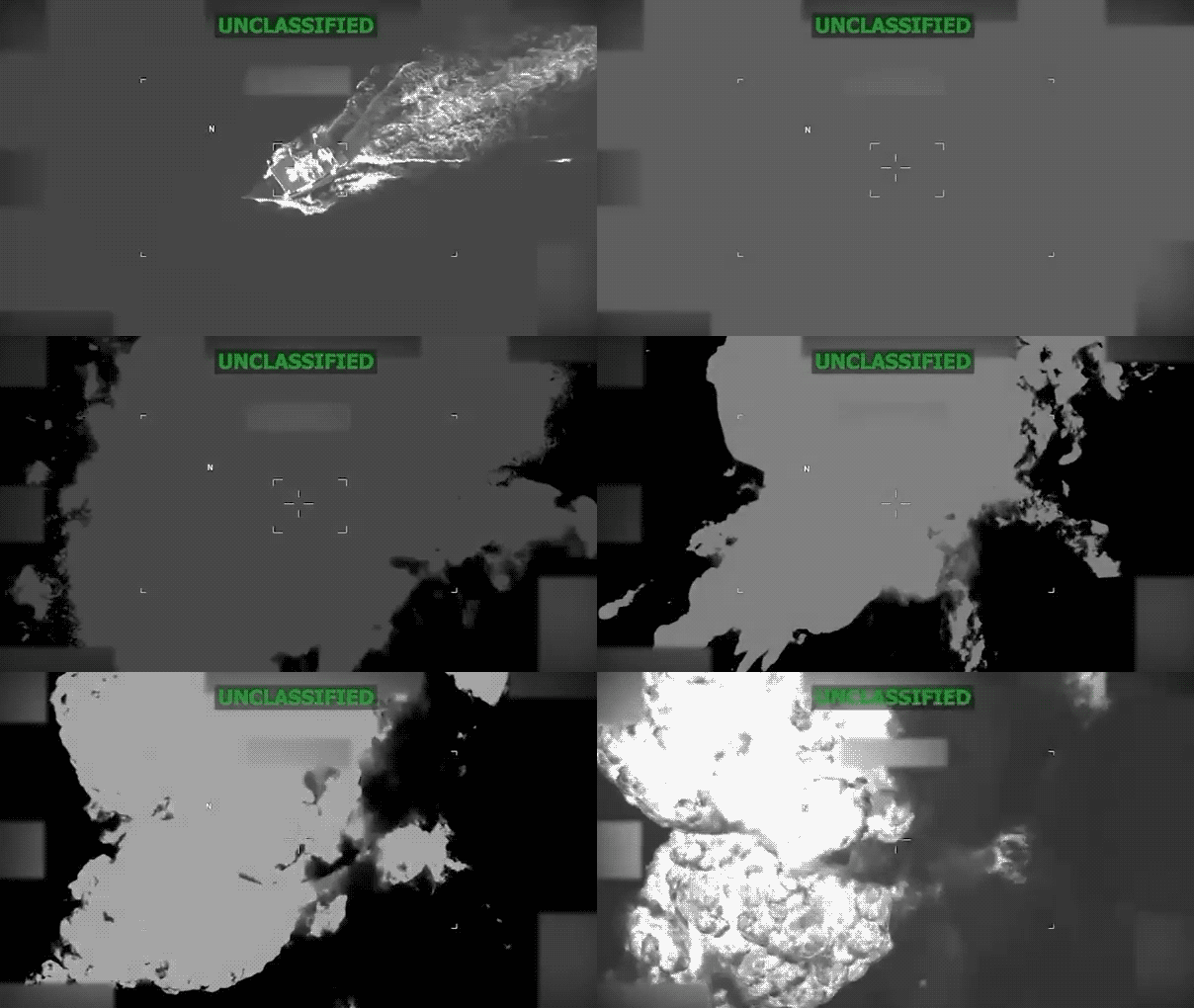
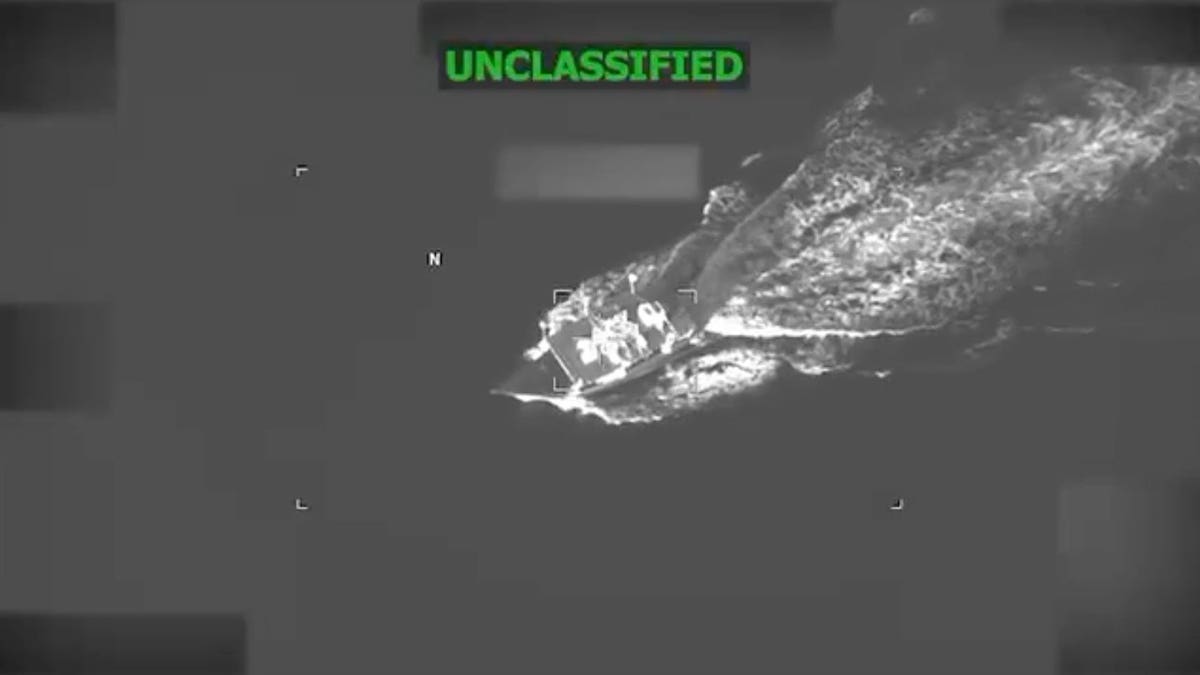
Accompanying the military’s announcement was declassified surveillance footage documenting the final moments of the vessel. The video shows the go-fast boat speeding through open waters before being struck by an unspecified military munition, instantly erupting into a massive fireball. The intense explosion left no survivors among the four occupants on board, whom the military classified as "narco-terrorists."
Chronology of a High-Intensity Maritime Campaign
The September 19 strike is not an isolated incident but rather the latest escalation in a year-long, high-intensity campaign orchestrated by the Trump administration. This initiative represents a strategic pivot in how the United States combats transnational drug cartels, shifting from traditional law enforcement interdictions to direct military engagement.
                  CHRONOLOGY OF KEY MILITARY ENGAGEMENTS
                                 (Partial)

  [Approx. 1 Year Ago] ──────────────────────────────────────────┐
  Trump Administration launches aggressive anti-cartel campaign. │
  SOUTHCOM begins executing systematic kinetic strikes.          │
                                                                 │
  [September 9] ─────────────────────────────────────────────────┼────────────────────────┐
  Lethal strike conducted in Eastern Pacific/Caribbean transit   │ Three casualties       |
  zone targeting suspected smuggling vessel.                     │ confirmed.             |
                                                                 └────────────────────────┘
  [September 19] ─────────────────────────────────────────────────────────────────────────┐
  Joint Task Force Western Hemisphere executes kinetic strike on                           │ Four casualties
  Caribbean go-fast vessel, resulting in a massive explosion.                             │ confirmed.
                                                                                          └────────┘
The Inception of the Campaign
Approximately one year prior to the September 19 strike, the Trump administration authorized a significant policy shift, deploying enhanced military assets to the Eastern Pacific Ocean and the Caribbean Sea. The stated goal was to dismantle cartel-linked trafficking networks at sea before they could reach the transit corridors of Central America and Mexico.
Under this directive, SOUTHCOM transitioned from a primarily supportive role—providing intelligence and surveillance to law enforcement agencies like the U.S. Coast Guard—to executing direct, offensive military strikes.
The September 9 Interdiction
Just ten days prior to the Caribbean strike, on September 9, U.S. forces executed a similar lethal strike against a suspected narco-trafficking vessel in the Eastern Pacific transit zone. That operation resulted in the destruction of the vessel and the deaths of three alleged traffickers.
At the time, defense officials noted that the vessel had ignored warnings and presented a threat profile that justified a kinetic response.
Evolution of Tactical Engagement
Historically, maritime drug interdictions followed a strict escalation-of-force protocol:
- Detection and Tracking: Aerial or satellite reconnaissance locates a suspicious vessel.
- Interception: U.S. Coast Guard cutters or Navy vessels intercept the target.
- Verbal and Visual Warnings: Crew members are ordered to stop via radio, megaphones, and warning shots.
- Non-Lethal Disabling Fire: Marksmen target the vessel’s outboard engines to force a halt.
- Boarding and Search: Law enforcement personnel board the vessel, seize contraband, and detain suspects for prosecution.
Under the current campaign, however, the rules of engagement have evolved. While SOUTHCOM continues to conduct traditional boardings—releasing several videos in recent weeks showing military personnel boarding vessels, removing crews, and subsequently sinking the empty boats—the frequency of immediate, lethal kinetic strikes has risen sharply. This indicates a policy that treats these vessels as hostile military targets rather than civilian criminal enterprises.
Supporting Data: The Human and Material Toll
The scale of the military’s campaign against maritime trafficking networks is reflected in the cumulative operational data compiled over the past year.
According to military records and administration briefings, the campaign has resulted in:
- Total Reported Strikes: At least 69 kinetic operations.
- Total Confirmed Deaths: At least 231 individuals classified as "narco-terrorists" or cartel operatives.
- Primary Geographic Focus: The Caribbean Sea and the Eastern Pacific transit corridors.
Target Profiles: The Case of Los Choneros
A significant portion of the operations highlighted by SOUTHCOM has targeted maritime networks linked to Los Choneros, a highly organized and violent Ecuadorian criminal organization.
Once a regional prison gang, Los Choneros has evolved into a powerful transnational cartel with established logistics networks that move multi-ton shipments of cocaine from South America to North American and European markets. The U.S. government has designated Los Choneros as a violent "narco-terrorist" organization, legally aligning them with national security threats rather than standard criminal syndicates.
Vessel Dynamics: The "Go-Fast" Threat
The primary targets of these kinetic strikes are "go-fast" vessels (GFVs). These boats are custom-built, low-profile craft typically powered by multiple high-horsepower outboard engines.
+----------------------------------------------------------------------+
|                     TYPICAL "GO-FAST" VESSEL PROFILE                 |
+----------------------------------------------------------------------+
| Hull Design:      Fiberglass, narrow, low-profile to evade radar     |
| Propulsion:       2 to 4 high-horsepower outboard engines            |
| Cargo Capacity:   1 to 3 tons of illicit narcotics                   |
| Countermeasures:  Night-vision gear, satellite phones, light armor   |
| Vulnerability:    Highly flammable fuel reserves stored on deck      |
+----------------------------------------------------------------------+
GFVs are designed to run at high speeds to evade radar detection and outrun law enforcement cutters. Because they carry thousands of gallons of fuel in open drums or flexible bladders to sustain long-distance voyages, they are highly volatile. This extreme flammability explains the catastrophic secondary explosions—such as the fireball witnessed on September 19—when these vessels are struck by military munitions.
Official Responses: Deterrence and Political Justification
The escalation of military force in international waters has drawn strong statements of support from the Trump administration, defense officials, and key congressional leaders, all of whom frame the campaign as a vital component of national defense.
The Administration’s Stance
Following the September 19 strike, the White House released statements highlighting the campaign’s role in reducing the domestic impact of transnational drug trafficking. The administration argued that the aggressive maritime campaign has contributed to a steep decline in U.S. drug casualties by choking off the supply chain of illicit synthetic opioids and cocaine before they reach American soil.
Administration officials have repeatedly asserted that cartels are directly responsible for the destabilization of American communities, thereby justifying a military-grade response.
SOUTHCOM’s Defense of Kinetic Action
SOUTHCOM commanders have defended the use of lethal force by citing the changing nature of the threat. In official releases, military spokespersons have emphasized that transnational criminal organizations are no longer mere smugglers; they are heavily armed, sophisticated cartels operating with terrorist-like capabilities.
"Confirmed intelligence revealed the vessel’s active involvement in narco-trafficking," SOUTHCOM stated regarding the September 19 operation, reinforcing the premise that pre-emptive kinetic strikes are necessary to eliminate threats to regional security.
Congressional and Legislative Support
The policy of designating regional gangs as terrorist entities has found strong advocates on Capitol Hill. Senator Marco Rubio (R-FL) and other lawmakers have actively pushed for the official designation of groups like Los Choneros and major Mexican cartels as Foreign Terrorist Organizations (FTOs).
Proponents of this designation argue that it provides the executive branch and the military with the necessary legal authorities under Title 10 of the U.S. Code to conduct offensive operations against these groups outside of standard law enforcement frameworks.
Implications: A Paradigm Shift in National Security and International Law
The transition from maritime law enforcement to active military engagement in the Caribbean and Eastern Pacific carries profound strategic, legal, and geopolitical implications.
1. Law Enforcement vs. Military Warfare
The most significant implication of the current campaign is the blurring of the line between law enforcement and military warfare. Historically, the United States has adhered to the Posse Comitatus Act and international maritime norms, which dictate that civilian law enforcement agencies (such as the U.S. Coast Guard) lead drug interdiction efforts. Under this model, suspects are afforded due process, arrested, and brought to trial in federal courts.
By utilizing military assets under Joint Task Force Western Hemisphere to execute kinetic strikes that result in the immediate destruction of vessels and crews, the U.S. is effectively treating drug trafficking as an act of war. This "narco-terrorism" paradigm bypasses the judicial process entirely, treating the suspects as enemy combatants.
2. Legal Challenges under International Maritime Law
The use of lethal military force in international waters raises complex questions under the United Nations Convention on the Law of the Sea (UNCLOS) and other international treaties.
While the U.S. maintains that it acts in self-defense or under bilateral agreements with regional partners, the practice of destroying vessels without boarding them to verify their registry, cargo, or the nationality of the crew challenges traditional maritime sovereignty norms. Critics and international legal scholars warn that this could set a precedent, allowing other nations to conduct kinetic operations against vessels they deem hostile or criminal in international transit zones.
3. Geopolitical Relations in the Western Hemisphere
The aggressive posture of U.S. Southern Command has elicited a mixed response from Latin American and Caribbean nations. While some governments, plagued by cartel violence, welcome the robust U.S. military presence and intelligence-sharing capabilities, others view the unilateral use of kinetic force in regional waters as an encroachment on their sovereignty.
Maintaining a delicate balance between aggressive interdiction and diplomatic cooperation remains a critical challenge for U.S. foreign policy in the region.
4. The Future of Cartel Tactics
Historically, transnational criminal organizations have proven highly adaptable to U.S. interdiction strategies. In response to increased aerial and surface surveillance, cartels developed semi-submersible and fully submersible vessels ("narco-subs") that are incredibly difficult to detect.
As the U.S. military increases its use of lethal kinetic strikes against surface "go-fast" boats, security analysts predict that cartels will further invest in subsurface technology, unmanned maritime drones, and alternative transshipment routes through West Africa or Europe to bypass the heavily patrolled Caribbean and Pacific corridors.