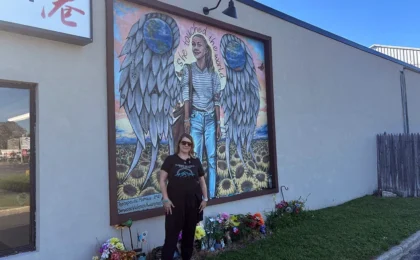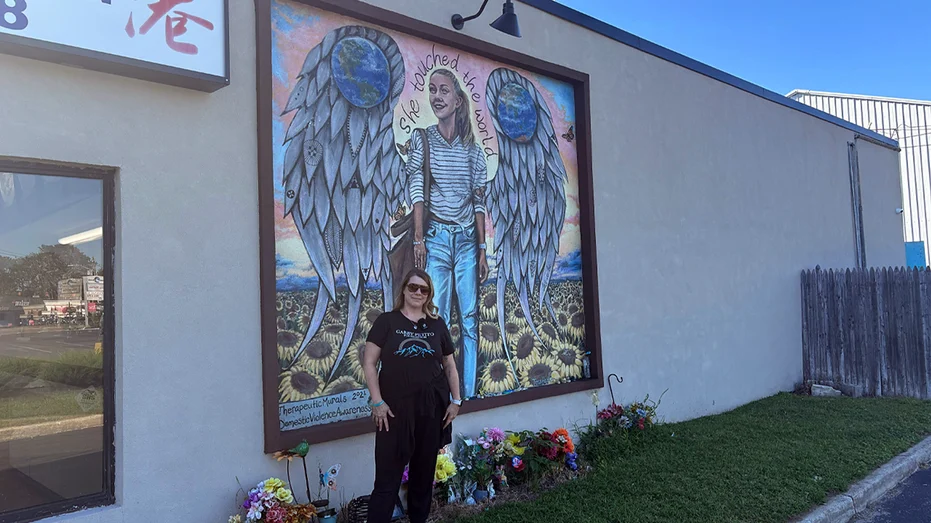
BLUE POINT, N.Y. — Five years after the tragic discovery of Gabby Petito’s remains in the wilderness of Wyoming, her mother, Nichole Schmidt, is championing a new approach to digital advocacy. Standing in front of a freshly preserved mural of her daughter in their hometown of Blue Point, New York, Schmidt issued a poignant plea to the public: do not just mindlessly scroll past or quickly share missing-person flyers on social media. Instead, she urges users to stop, verify, and engage deliberately to spark a "ripple effect" that could save lives.
"What I would say with missing cases is, if you see missing flyers pass by your feed, stop and take a look," Schmidt said in an interview. "Don’t just share it quickly."
The advice comes at a time when digital crowdsourcing and social media sleuthing have become central to search-and-rescue efforts, yet are frequently plagued by misinformation, fatigue, and algorithmic apathy. By shifting from passive sharing to active, verified engagement, Schmidt believes everyday citizens can become the critical link that brings a missing person home.
Main Facts: The Power of Intentional Digital Advocacy
Nichole Schmidt’s message is grounded in the reality of how her daughter’s case captivated the globe in late 2021. The search for 22-year-old Gabby Petito became a watershed moment for social media’s role in criminal investigations. However, five years later, her family is focused on translating that unprecedented public attention into a sustainable, structured system of advocacy for all missing persons.
Schmidt outlines a three-step protocol for social media users who encounter missing-person alerts online:
- Pause and Analyze: Read the details of the flyer. Note the location, physical descriptions, and unique identifying features of the missing individual.
- Review the Comments: Look for verified updates from law enforcement or family members. Comments often contain crucial context, such as whether the person has been located or if new search areas have been designated.
- Verify the Source: Ensure the flyer originates from a legitimate source, such as a local police department, a verified family page, or established non-profits like the National Center for Missing & Exploited Children (NCMEC).
"If it seems legitimate, maybe give it a share," Schmidt explained. "Because you never know who might see that with your share, and it causes a ripple effect—and missing people have been found by regular people just sharing flyers."
This deliberate approach aims to combat "missing person fatigue" and prevent the spread of outdated or inaccurate information. It also addresses a critical challenge in modern digital advocacy: ensuring that the families of less-publicized missing persons, particularly those from marginalized communities, receive the visibility they deserve.
The Preservation of Gabby’s Memory in Blue Point
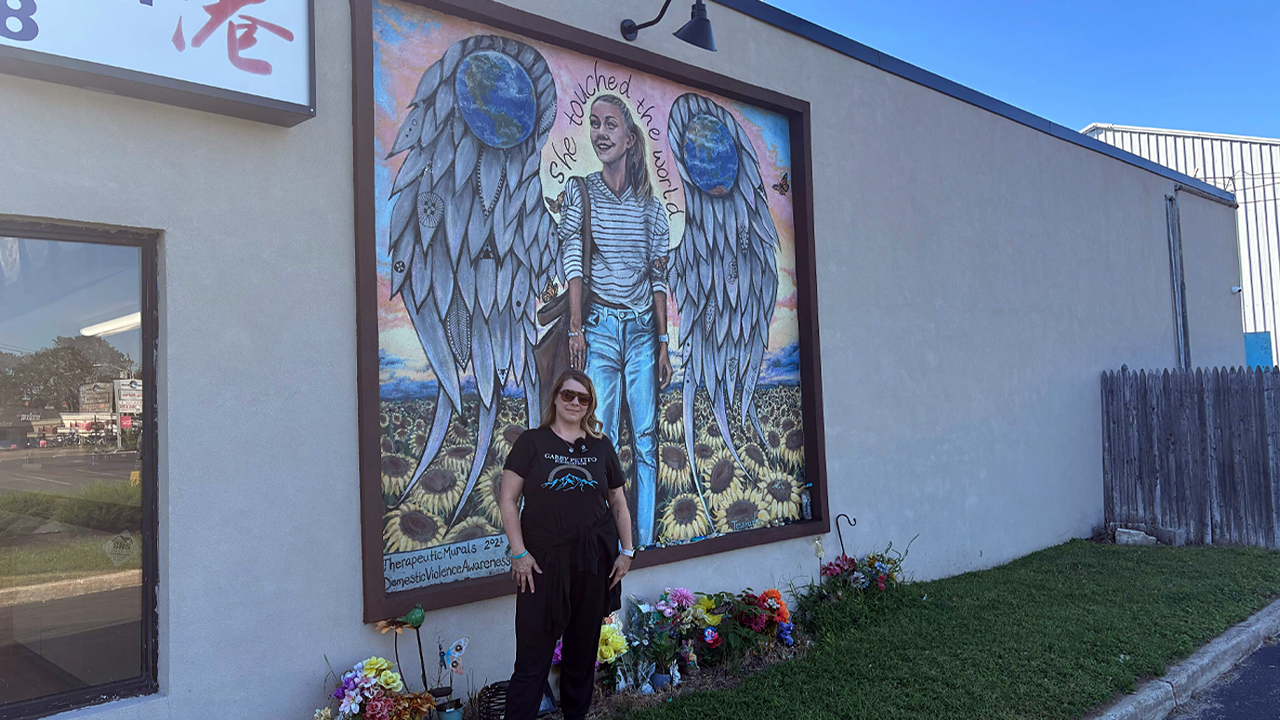
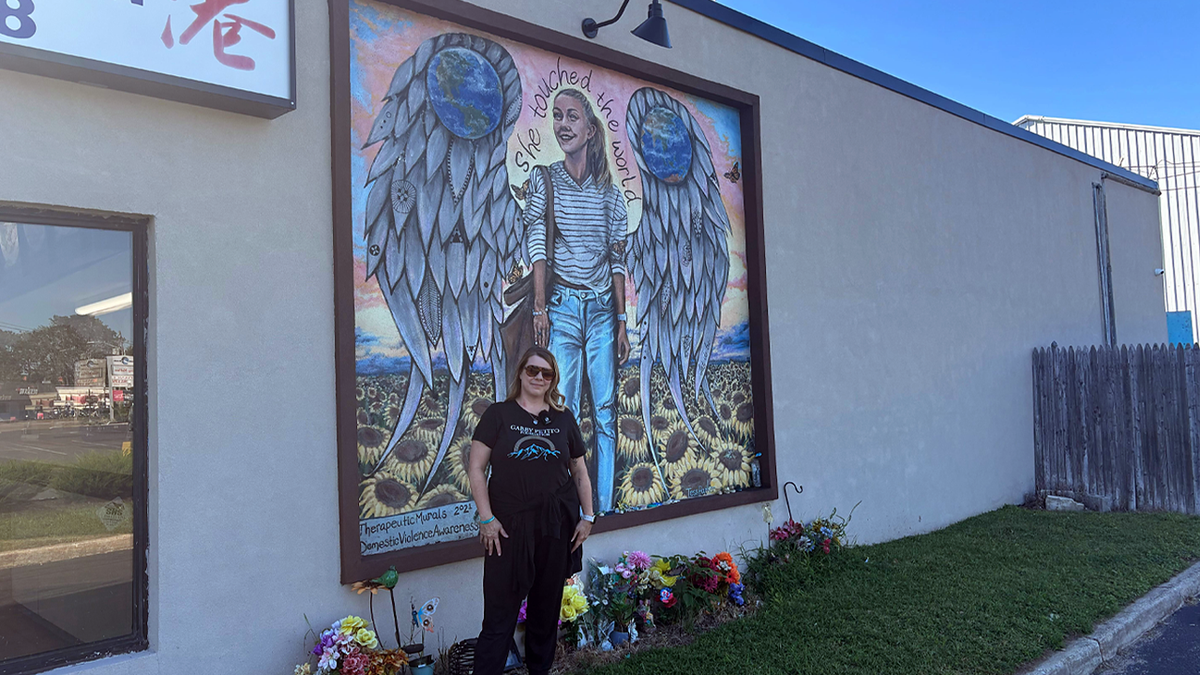
The enduring impact of Petito’s story is physically manifested in her hometown of Blue Point, Long Island. A vibrant mural depicting Gabby in a field of sunflowers—inspired by an iconic portrait of her standing before painted angel wings—remains a local landmark.
When the building hosting the mural was recently sold, community members feared the tribute would be lost. However, the new property owner chose to preserve the artwork, framing it and installing specialized lighting so it remains illuminated throughout the night. For Schmidt, the glowing mural is a reminder that the light her daughter brought to the world cannot be easily dimmed, serving as a beacon of hope for other grieving families.
Chronology: The Disappearance and the Search That Gripped a Nation
To understand the weight of Nichole Schmidt’s advocacy, it is necessary to examine the timeline of the summer of 2021, a sequence of events that reshaped public consciousness regarding domestic abuse and missing persons.
[July 2, 2021] ───► Cross-country road trip begins in Blue Point, NY
[Aug 12, 2021] ───► Moab, Utah police encounter (domestic dispute call)
[Late Aug 2021] ──► Last known communication from Gabby Petito
[Sept 1, 2021] ───► Brian Laundrie returns to Florida alone in the van
[Sept 11, 2021] ──► Petito family reports Gabby missing
[Sept 19, 2021] ──► Gabby's remains discovered in Bridger-Teton, WY
[Oct 20, 2021] ───► Brian Laundrie's remains found in Florida park
The Road Trip and Growing Tensions
In July 2021, Gabby Petito and her fiancé, Brian Laundrie, embarked on a cross-country journey in a converted 2012 Ford Transit van, documenting their "van life" travels on YouTube and Instagram. What appeared to be an idyllic adventure quickly deteriorated.
On August 12, 2021, police in Moab, Utah, responded to a 911 call reporting a domestic dispute between the couple. Body camera footage later released to the public showed a highly distressed Petito. Despite visible emotional turmoil, officers categorized the incident as a mental health crisis rather than domestic violence, separating the couple for the night but filing no charges—a decision that would later spark intense scrutiny and legal reform.
The Disappearance and Return
By late August, communication between Petito and her family ceased. Her last text message to her mother was sent on August 27, though its authenticity was later questioned by investigators.
On September 1, 2021, Brian Laundrie returned to his parents’ home in North Port, Florida, driving Petito’s van. He returned alone, refusing to provide any explanation to Petito’s family regarding her whereabouts. Ten days later, on September 11, Petito’s family officially filed a missing-persons report.
Discovery and Tragedy
The subsequent search mobilized federal, state, and local law enforcement alongside an army of internet sleuths. On September 19, 2021, search teams located Petito’s remains in a remote camping area in the Bridger-Teton National Forest, north of Jackson, Wyoming. A forensic pathologist later ruled her death a homicide caused by manual strangulation, estimating she had been killed approximately three to four weeks prior to her discovery.
As the search for Petito concluded, the hunt for Laundrie intensified. Having fled his parents’ home shortly after Petito was reported missing, Laundrie became the subject of a massive federal manhunt. On October 20, 2021, after floodwaters receded in the Myakkahatchee Creek Environmental Park in Florida, investigators discovered Laundrie’s remains alongside a notebook containing a written confession of the murder. His death was ruled a suicide by a self-inflicted gunshot wound.
Supporting Data: The Digital Landscape and Media Disparities
The Gabby Petito case highlighted both the immense potential and the deep-seated inequities of public attention in missing-persons investigations.
The Power of Crowdsourcing
During the search for Petito, social media acted as a decentralized intelligence network. The breakthrough that led search teams to her exact location came from a traveling couple who had been editing footage for their YouTube channel. They noticed Petito’s distinctive Ford Transit van parked on a dirt road near Spread Creek, Wyoming, in video captured on August 27. They uploaded the footage and alerted authorities, directly leading to the recovery of her remains.
This case demonstrated that digital visibility is not merely symbolic—it can yield concrete, actionable intelligence.
Addressing the Disparity: "Missing White Woman Syndrome"
While the Petito family remains profoundly grateful for the public support that helped locate Gabby, they have been vocal about the stark disparities in media coverage. The phenomenon, often termed "Missing White Woman Syndrome" by sociologists, describes the disproportionate media coverage given to young, white, middle-class women compared to men, people of color, and Indigenous individuals.
According to data from the National Crime Information Center (NCIC):
- Over 540,000 individuals were reported missing in the United States in recent years.
- Approximately 40% of missing persons are people of color, despite making up a much smaller percentage of the overall population.
- Indigenous women face murder rates more than 10 times the national average, yet their disappearances rarely garner national media attention.
The Gabby Petito Foundation has made it a core mission to use their platform to amplify these overlooked cases, sharing flyers and resources for families who do not have the resources to capture national headlines.
Official Responses and Legislative Advocacy
In the wake of their loss, Gabby Petito’s parents and stepparents established the Gabby Petito Foundation. The organization focuses on two primary pillars: supporting organizations that assist victims of domestic violence and aiding in the location of missing persons.
                              ┌─────────────────────────────┐
                              │  GABBY PETITO FOUNDATION    │
                              └──────────────┬──────────────┘
                                             │
                      ┌──────────────────────┴──────────────────────┐
                      ▼                                             ▼
        ┌───────────────────────────┐                 ┌───────────────────────────┐
        │ DOMESTIC VIOLENCE REFORM  │                 │ MISSING PERSONS ADVOCACY  │
        └─────────────┬─────────────┘                 └─────────────┬─────────────┘
                      │                                             │
  • Support for Shelter Networks                • Amplifying Underrepresented Cases
  • Lethality Assessment Laws (UT, FL, NY)      • Digital Search Resources
  • Police Protocol Standardization             • National Hotline Partnerships
Legislative Milestones
The family’s advocacy has translated into significant legislative action across multiple states and at the federal level:
- Utah Senate Bill 117: Inspired directly by the failures of the Moab police response, this law mandates that Utah law enforcement officers conduct a highly structured "lethality assessment" during domestic violence calls. This protocol helps officers identify high-risk situations and connect victims with immediate resources.
- Florida Domestic Violence Prevention Bills: The family has lobbied successfully in Florida to secure funding and establish stricter training mandates for officers handling intimate partner violence.
- Federal Advocacy: The foundation continues to advocate for federal legislation aimed at standardizing missing-person databases and improving communication between state and federal agencies, ensuring that no case falls through jurisdictional cracks.
Implications: The Evolution of Public Vigilance
Five years after a tragedy that shook the nation, the legacy of Gabby Petito is shifting from one of grief to one of systemic empowerment. Nichole Schmidt’s call for mindful social media sharing represents a maturing of the digital age. It acknowledges that while technology has democratized the search for justice, it requires discipline, empathy, and truth to be effective.
By taking the time to "stop, look, and verify," everyday citizens can transform social media platforms from echo chambers into active tools for community safety. In doing so, they honor the memory of those lost by ensuring that the next missing person flyer that crosses their feed might be the one that leads a loved one home.
If you or someone you know is the victim of domestic abuse, please contact the National Domestic Violence Hotline at 1-800-799-7233 (SAFE) or text "START" to 88788 for free, confidential support available 24/7.