With just eight days remaining in the 2026 Major League Baseball regular season, the league’s landscape is shifting from a wide-open scramble to a high-stakes tactical battle. As of September 19, five teams—the Milwaukee Brewers, Tampa Bay Rays, New York Yankees, Los Angeles Dodgers, and Atlanta Braves—have officially punched their tickets to the postseason. For the remaining contenders, the urgency has reached a fever pitch as they fight for the final seven spots in the expanded 12-team playoff bracket.
The Boston Red Sox are positioned to be the next team to celebrate, sitting on a magic number of two and poised to clinch a berth as early as this weekend. As the pennant races tighten and the wild-card logjam reaches a breaking point, the path to the World Series is beginning to take shape.
The State of the Union: Main Facts and Current Standings
The 2026 season has been defined by the dominance of the league’s titans and the desperate resilience of its middle class. In the National League, the Milwaukee Brewers and the Los Angeles Dodgers have asserted their authority by clinching their respective division titles. Milwaukee, in particular, has positioned itself as the team to beat, currently holding the inside track for the NL’s No. 1 seed and the all-important first-round bye.
Meanwhile, the American League features a more chaotic narrative. The Tampa Bay Rays have firmly established a four-game cushion over the New York Yankees in the AL East, signaling a likely return to the top of the division for the first time since 2021. The AL Central and West, however, remain absolute dogfights. The Cleveland Guardians have managed to edge ahead of the Chicago White Sox in a narrow Central race, while the AL West is currently paralyzed in a dead heat between the Houston Astros and the Texas Rangers, both hovering at the .500 mark.
Chronology of the 2026 Pennant Race
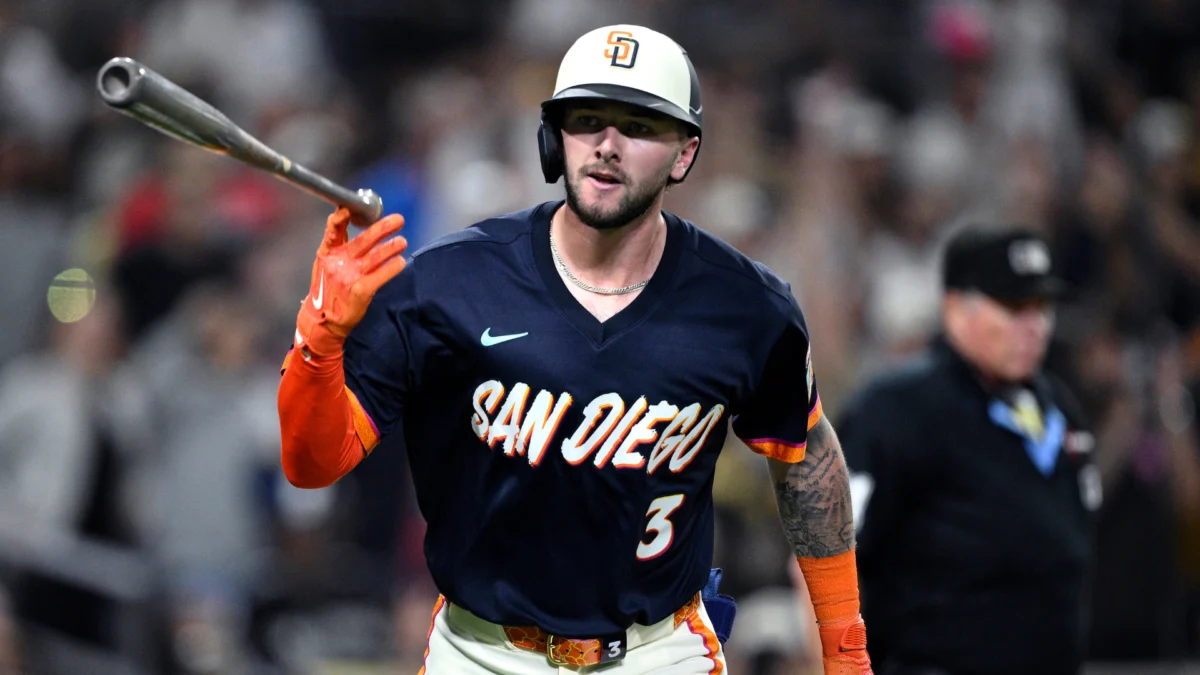
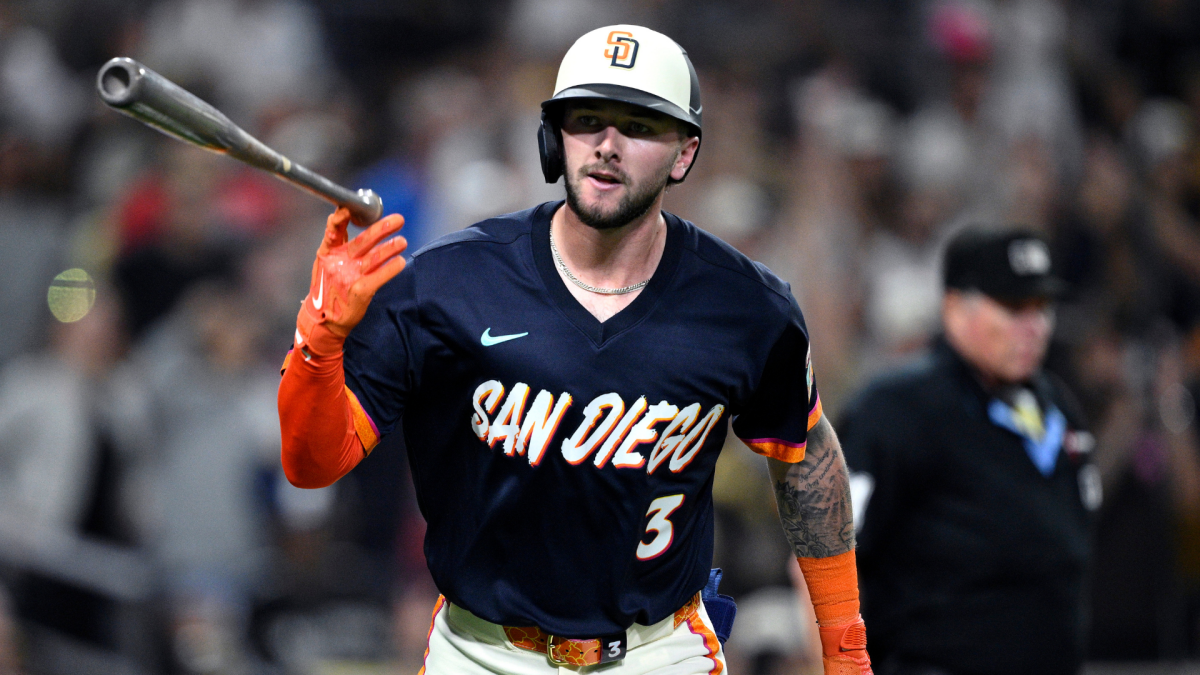
The season’s final stretch has been a masterclass in attrition. Throughout early September, the National League wild-card picture remained fluid, but the recent surge from the San Diego Padres has added a new layer of complexity. Since Labor Day weekend, the Padres have clawed their way back into the fray, creating a three-way tie atop the wild-card standings.
Entering Saturday, the Chicago Cubs, Philadelphia Phillies, and San Diego Padres all boast identical 85-69 records. Because of the league’s tiebreaker rules, the Cubs currently hold the No. 4 seed due to their superior head-to-head performance against their rivals. This seeding is critical: the No. 4 seed guarantees home-field advantage in the best-of-three Wild Card Series—a luxury that neither the Phillies nor the Padres can afford to surrender as the calendar nears October.
In the American League, the narrative shifted dramatically when news broke that Yankees slugger Aaron Judge had been placed on the injured list yet again. This injury, occurring late in the season, has dampened the Yankees’ momentum just as they prepare for a likely Wild Card Series clash against the Boston Red Sox.
Supporting Data: The Mathematical Reality of the Playoff Bracket
To understand the current postseason landscape, one must look at the projected bracket. If the season ended today, the postseason would be structured as follows:
American League
- Byes: No. 1 Tampa Bay Rays, No. 2 Cleveland Guardians
- Wild Card Series: No. 3 Houston Astros vs. No. 6 Chicago White Sox; No. 4 New York Yankees vs. No. 5 Boston Red Sox
National League
- Byes: No. 1 Milwaukee Brewers, No. 2 Los Angeles Dodgers
- Wild Card Series: No. 3 Atlanta Braves vs. No. 6 San Diego Padres; No. 4 Chicago Cubs vs. No. 5 Philadelphia Phillies
The statistical gap between the division winners and the wild-card pack is significant. The Rays, with 93 wins, and the Dodgers, with 94, have effectively distanced themselves from the volatility of a three-game series. In contrast, the teams residing in the wild-card spots face the constant threat of elimination, with the Arizona Diamondbacks rapidly fading from contention as they fall five games back of the trio of leaders.
Implications: The Pressure of the Postseason
The implications of these standings go far beyond the immediate joy of clinching. For teams like the Brewers and Dodgers, the first-round bye is the ultimate strategic advantage. It allows for the resetting of pitching rotations and provides an extra layer of rest for aging stars before the grueling gauntlet of the Division Series.
For teams in the middle—like the Yankees, Phillies, and Cubs—the final week of the season is not just about winning games; it is about "seeding management." The difference between hosting a Wild Card Series and traveling for three consecutive games is historically massive in terms of win probability. The Cubs’ current ownership of the No. 4 seed in the NL is a testament to the importance of early-season head-to-head matchups, which serve as the primary tiebreakers in the modern MLB format.
Moreover, the injury to Aaron Judge underscores the fragility of these playoff-bound teams. A roster that looks like a World Series contender on September 19 can be completely dismantled by a single soft-tissue injury. Organizations are currently balancing the need to win every remaining game with the necessity of keeping their stars healthy for the high-intensity environments of October.
Tactical Outlook: What to Watch for in the Final Week
As we look toward the final seven days, three major storylines will dominate the headlines:
- The AL West Deadlock: With the Astros and Rangers tied, every pitch matters. The schedule makers could not have written a more dramatic script, as the division title likely won’t be decided until the final Sunday of the season.
- The NL Wild-Card "Game of Musical Chairs": With the Cubs, Phillies, and Padres tied at 85-69, any loss by one team could cause a ripple effect through the entire bracket. The tiebreaker scenarios will be scrutinized by front offices daily.
- The Fading Hope of the Diamondbacks: While the math suggests Arizona is still in the race with a 2.1% chance, they are essentially playing for their lives. If they fail to sweep their upcoming series, they will likely be the first team to formally drop out of the conversation.
Conclusion: The Road to October
The 2026 MLB season has been a testament to the competitiveness of the modern game. As teams like the Brewers and Rays celebrate their spots, they are doing so with the knowledge that the postseason is a clean slate. The data provided by SportsLine and other analysts indicates that while these teams have earned their place, the "anything can happen" nature of the Wild Card Series means that the No. 6 seed has just as much of a path to the trophy as the No. 1 seed.
Baseball fans are in for a frantic final week. From the intense pressure in the Bronx as the Yankees navigate life without Judge, to the serene, clinching celebrations in Milwaukee and Los Angeles, the road to the World Series is officially paved. Eight days remain until the field is finalized—and for the players on the field, these are the moments that define a legacy. The 2026 postseason is not just approaching; it is already here.