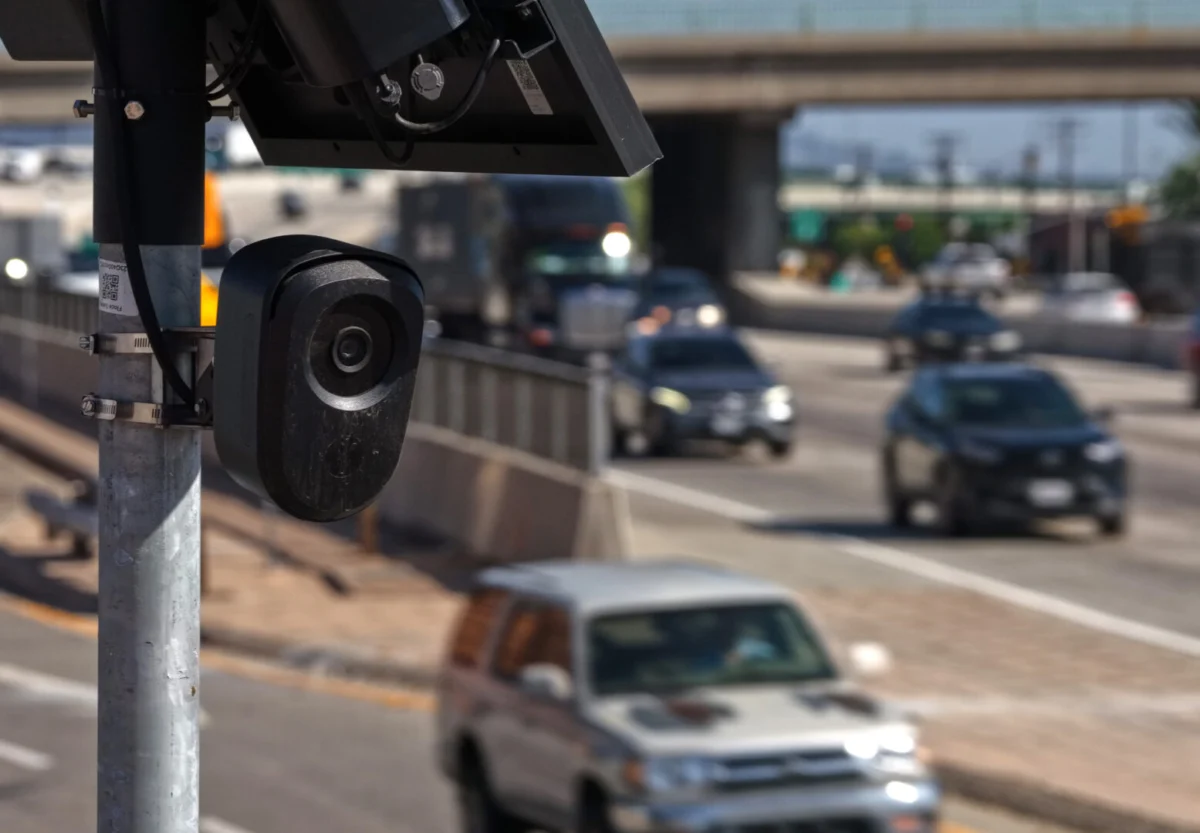
An expanding privacy backlash against automated license plate readers (ALPRs) and artificial intelligence surveillance technology has reached the upper halls of the United States Congress. Amid mounting bipartisan skepticism regarding how law enforcement agencies and private vendors collect, store, and share tracking data, the Senate Judiciary Subcommittee on Crime and Counterterrorism has formally initiated oversight proceedings into the industry’s leading firms.
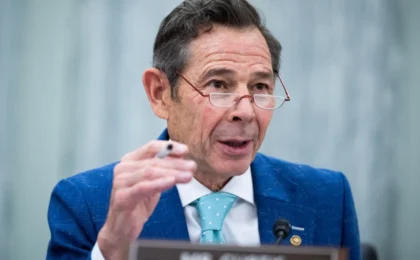
Subcommittee Chairman Josh Hawley, R-Mo., announced that the panel will convene a high-stakes hearing aimed at interrogating the operational practices, data retention policies, and systemic vulnerabilities of AI-driven camera networks deployed across the country.
Main Facts: Senate Panel Targets AI License Plate Readers
The focus of the upcoming Senate hearing centers on the pervasive deployment of automated license plate recognition technology, most notably commercial networks operated by private tech firms like Flock Safety.
Executive Invitations Issued Across the Surveillance Industry
To examine the scope of corporate and law enforcement data sharing, Chairman Hawley’s office issued formal invitations to the chief executive officers of four prominent security and surveillance firms:
- Garrett Langley, Chief Executive Officer of Flock Safety
- Rick Smith, Chief Executive Officer of Axon Enterprise
- Greg Brown, Chief Executive Officer of Motorola Solutions
- Filip Kaliszan, Chief Executive Officer of Verkada
While Hawley’s office announced the invitations publicly, officials did not immediately confirm whether all four executives had agreed to appear before the panel.
+-------------------------------------------------------------------------+
|                  Invited Corporate Leadership                           |
+-------------------------------------------------------------------------+
| Company           | Chief Executive Officer | Response Status           |
+-------------------+-------------------------+---------------------------+
| Flock Safety      | Garrett Langley         | Pending                   |
| Axon Enterprise   | Rick Smith              | Pending                   |
| Motorola Solutions| Greg Brown              | Pending                   |
| Verkada           | Filip Kaliszan          | Declined (Sending Info)   |
+-------------------------------------------------------------------------+
The Core Controversy: Local Deployment vs. National AI Databases
The primary catalyst for the congressional inquiry is the structural evolution of license plate readers from localized police tools into integrated, AI-powered surveillance networks. In a public statement detailing the impetus behind the hearing, Hawley emphasized that the sheer volume of data collected by these systems impacts millions of law-abiding citizens daily.
Hawley stated publicly on social media that "Americans deserve answers" regarding the trajectory of domestic surveillance. Central to his critique is the argument that modern surveillance vendors go beyond traditional, localized law enforcement support. Instead, these platforms leverage artificial intelligence to consolidate disparate streams of location data into sweeping, searchable repositories.
Hawley argued that the vast majority of motorists captured by these automated cameras have committed no legal infractions, yet their daily movements are continuously logged and pooled into centralized databases accessible across multi-jurisdictional boundaries.
Chronology: The Escalating Federal Inquiry into Surveillance Technology
The upcoming Senate hearing represents the culmination of several months of escalating interest, investigative inquiries, and legislative proposals originating from both houses of Congress.
+-------------------------------------------------------------------------+
|                   Timeline of Congressional Scrutiny                    |
+-------------------------------------------------------------------------+
| Date              | Event / Action                                      |
+-------------------+-----------------------------------------------------+
| August            | Sen. Hawley launches formal probe into Flock        |
|                   | Safety's AI camera data practices.                  |
|                   |                                                     |
| August            | Sen. Hawley holds subcommittee hearing on AI and    |
|                   | privacy concerns ("surveillance pricing").          |
|                   |                                                     |
| August            | Data for Progress conducts national public          |
|                   | opinion poll on Flock surveillance.                 |
|                   |                                                     |
| Recent Days       | FBI Director Kash Patel testifies on license plate  |
|                   | camera access before Senate Judiciary Committee.    |
|                   |                                                     |
| Recent Days       | Sens. Schiff and Wyden send joint inquiry letter to |
|                   | Flock Safety CEO Garrett Langley.                   |
|                   |                                                     |
| Recent Days       | At least four ALPR-focused bills introduced in the  |
|                   | House of Representatives.                           |
|                   |                                                     |
| Upcoming Wednesday| Senate Judiciary Subcommittee on Crime and          |
|                   | Counterterrorism holds hearing on ALPR cameras.     |
+-------------------------------------------------------------------------+
August: Initial Investigation and Early Hearings
Congressional scrutiny intensified in August when Hawley formally launched an investigation into Flock Safety. The inquiry focused specifically on the firm’s practices regarding the "collection, retention, and dissemination of the data generated by its artificial intelligence surveillance cameras."
During the same month, Hawley signaled broader concerns regarding artificial intelligence, consumer privacy, and corporate data collection by holding a subcommittee hearing examining the use of personal data for commercial "surveillance pricing."
Recent Weeks: Expanding Bipartisan Action
In recent days, oversight efforts expanded across party lines and across both legislative chambers:
- Senate Bipartisan Letters: Democratic Senators Adam B. Schiff of California and Ron Wyden of Oregon sent a joint letter directly to Flock Safety CEO Garrett Langley. The letter pressured the company to detail its internal protocols and reveal concrete steps being taken to "prevent system misuse of any kind."
- FBI Oversight: Federal Bureau of Investigation Director Kash Patel appeared before the full Senate Judiciary Committee, where he was questioned regarding the federal government’s reliance on and interaction with commercially available ALPR databases.
- House Legislative Activity: Members of the House of Representatives introduced at least four separate bills aimed at governing, restricting, or standardizing the use of automated license plate readers.
Supporting Data and Key Concerns
The push for legislative intervention is backed by growing public discomfort and documented instances of system abuse.
Public Opinion Data
A national poll conducted by Data for Progress in August highlighted broad public skepticism regarding corporate camera networks.
+-------------------------------------------------------------------------+
|          Data for Progress Poll: Unfavorable Views of Flock             |
+-------------------------------------------------------------------------+
| Demographic Group                           | Unfavorable Percentage    |
+---------------------------------------------+---------------------------+
| All Respondents                             | 41%                       |
| Democratic Voters                           | 40%                       |
| Republican Voters                           | 39%                       |
+---------------------------------------------+---------------------------+
The survey found that 41 percent of overall respondents held an unfavorable view of Flock surveillance cameras. Disapproval was balanced evenly across partisan lines, with 40 percent of Democrats and 39 percent of Republicans expressing negative views, reflecting a cross-party consensus on technological privacy risks.
Documented Privacy Concerns and Misuse
Civil liberties advocates and lawmakers have pointed to systemic vulnerabilities in ALPR deployment models. A key driver of the backlash stems from public reports detailing law enforcement personnel leveraging system access for illicit personal purposes, including instances where officers utilized license plate databases to track and stalk former personal partners.
Critics maintain that when local cameras feed into broader networks, local oversight mechanisms break down. Hawley articulated this dynamic by contrasting traditional police work with AI aggregation:
"The overwhelming majority of the Americans captured in those records did nothing wrong. Instead of serving discrete local investigations, as contemplated by our constitutional processes and safeguards, these camera networks harness artificial intelligence to pool what they capture into a national database that customers can search."
Official Responses and Corporate Positions
As federal scrutiny deepens, tech vendors and law enforcement agencies have issued statements defining their legal boundaries, operational frameworks, and corporate structures.
Corporate Statements: Verkada and Vendors
Following Hawley’s hearing announcement, corporate responses varied:
-
Verkada: A spokesperson confirmed that CEO Filip Kaliszan would be unable to attend the scheduled subcommittee hearing due to scheduling constraints. However, the company emphasized that it is actively cooperating with Congress by providing relevant information directly to the subcommittee.
Verkada sought to distance its operational architecture from centralized database models, stressing that no national Verkada network exists. The company noted that its systems are isolated, ensuring that customers "can only access the data in their own systems."
-
Flock Safety, Axon Enterprise, and Motorola Solutions: Immediate comments from Flock Safety, Axon Enterprise, and Motorola Solutions were not available following the announcement of the hearing.
Law Enforcement Testimony: The FBI Perspective
Testifying before the Senate Judiciary Committee, FBI Director Kash Patel addressed federal interaction with local plate-reader infrastructure. Patel outlined the constitutional and operational boundaries governing federal usage of the technology:
- Public Space Expectations: Patel emphasized that the physical hardware is typically owned and deployed by municipal or county authorities rather than the federal government. "They collect information, not the FBI, where there is no reasonable expectation of privacy, basically publicly available information," Patel testified.
- Case-by-Case Access Model: Responding to concerns regarding continuous government tracking, Patel stated that federal investigators do not maintain uninterrupted, real-time access to commercial or municipal camera systems. "Where the FBI partners with these individuals is on a case-by-case basis and not a rolling-access basis," he clarified.
Patel cited specific high-profile enforcement operations where ALPR data proved vital, including investigations following a shooting incident at Brown University and federal law enforcement operations targeting child predators.
Broader Policy and Regulatory Implications
The upcoming subcommittee hearing marks a significant moment in the national debate over public safety, commercial surveillance, and Fourth Amendment protections in the digital age.
A Bipartisan Legislative Push
The convergence of actions from conservative leaders like Hawley alongside prominent progressive and privacy-focused Democrats like Schiff and Wyden highlights a growing congressional consensus: private vendors operating law enforcement databases require statutory guardrails.
+-------------------------------------------------------------------------+
|                  Bipartisan Oversight Matrix                            |
+-------------------------------------------------------------------------+
| Political Entity   | Key Figures           | Primary Area of Focus       |
+--------------------+-----------------------+-----------------------------+
| Senate Subcommittee| Sen. Josh Hawley (R)  | AI aggregation, national    |
|                    |                       | database creation, dragnet  |
|                    |                       | surveillance.               |
+--------------------+-----------------------+-----------------------------+
| Senate Privacy     | Sens. Adam Schiff (D),| System abuse, corporate     |
| Advocates          | Ron Wyden (D)         | prevention mechanisms,      |
|                    |                       | vendor oversight.           |
+--------------------+-----------------------+-----------------------------+
| House of           | Bipartisan / GOP      | Legislative reform, statutory|
| Representatives    | Sponsors              | restrictions (4 bills       |
|                    |                       | introduced).                |
+--------------------+-----------------------+-----------------------------+
With at least four separate bills introduced in the House—sponsored by Republicans and bipartisan coalitions—lawmakers are increasingly inclined to translate public privacy concerns into concrete federal standards.
Defining the Boundaries of AI-Powered Law Enforcement
As the Senate subcommittee prepares for Wednesday’s proceedings, the central regulatory challenge will be establishing rules that preserve legitimate public safety applications—such as apprehending violent offenders and locating missing children—without permitting unchecked, dragnet surveillance of law-abiding citizens.
Whether tech executives ultimately testify in person or submit written evidence, the inquiry underscores that the commercial surveillance industry will face heightened transparency requirements, stricter data retention limits, and greater accountability before Congress.