As fuel prices remain volatile and the dream of affordable, sustainable transportation lingers at the forefront of the consumer consciousness, the automotive landscape is undergoing a significant transformation. For years, the industry narrative was dominated by the meteoric rise of new electric vehicles (EVs). However, as we navigate the latter half of 2024, the market is revealing a more nuanced reality: while new EV sales are experiencing modest, incremental growth, the used electric vehicle market is witnessing a full-scale boom.
This shift suggests that for the average cost-conscious driver, the path toward electrification is no longer paved by the latest showroom floor models, but by the burgeoning secondary market.
The State of the New EV Market
According to the latest data from Cox Automotive, the new EV sector is currently in a state of recalibration. In August, new EV sales saw a marginal increase of 2.5 percent compared to July. While any growth is typically viewed as a positive indicator, the broader context paints a more sober picture. Year-over-year, battery-electric vehicle (BEV) sales are down by a staggering 46.9 percent.
To understand this slump, one must look back at the market conditions of the previous year. In 2023, the industry saw an artificial surge in demand as consumers scrambled to secure EVs before major changes to federal tax credit eligibility took effect. This "pull-forward" effect created a difficult comparison for 2024, making the current market appear weaker than it might be under normal economic circumstances.
The Pricing Tug-of-War
One of the primary barriers to EV adoption has historically been the "green premium"—the higher upfront cost compared to traditional internal combustion engine (ICE) vehicles. There is, however, positive news on this front. New EV transaction prices are trending downward, with a 1.3 percent dip in August and a 2.8 percent decrease year-over-year.
Despite this, the price gap remains. As of August, the average transaction price for a new EV sat at $54,754, while its gas-powered counterpart averaged $49,907. While the two are moving toward parity, the remaining $4,800 difference continues to act as a psychological and financial hurdle for the average household.
A Chronology of the 2024 Market Shift
To understand why the market is currently favoring used models over new ones, we must look at the progression of the last few months.
- Early 2024: High interest rates and lingering inflation cooled the enthusiasm for luxury-priced new EVs, prompting manufacturers to begin a series of aggressive price cuts.
- Mid-2024: As new car inventories stabilized, the supply of off-lease EVs began to hit the wholesale and retail markets. This influx of "gently used" technology provided a solution for buyers who wanted to ditch the gas pump but couldn’t justify the $50,000+ price tag of a new model.
- August 2024: The data from Cox Automotive confirmed the trend: while new EV sales struggled, used EV sales surged by 25.9 percent for the month and 14.7 percent year-over-year.
Tesla’s Dominance and the "Everyone Else" Factor
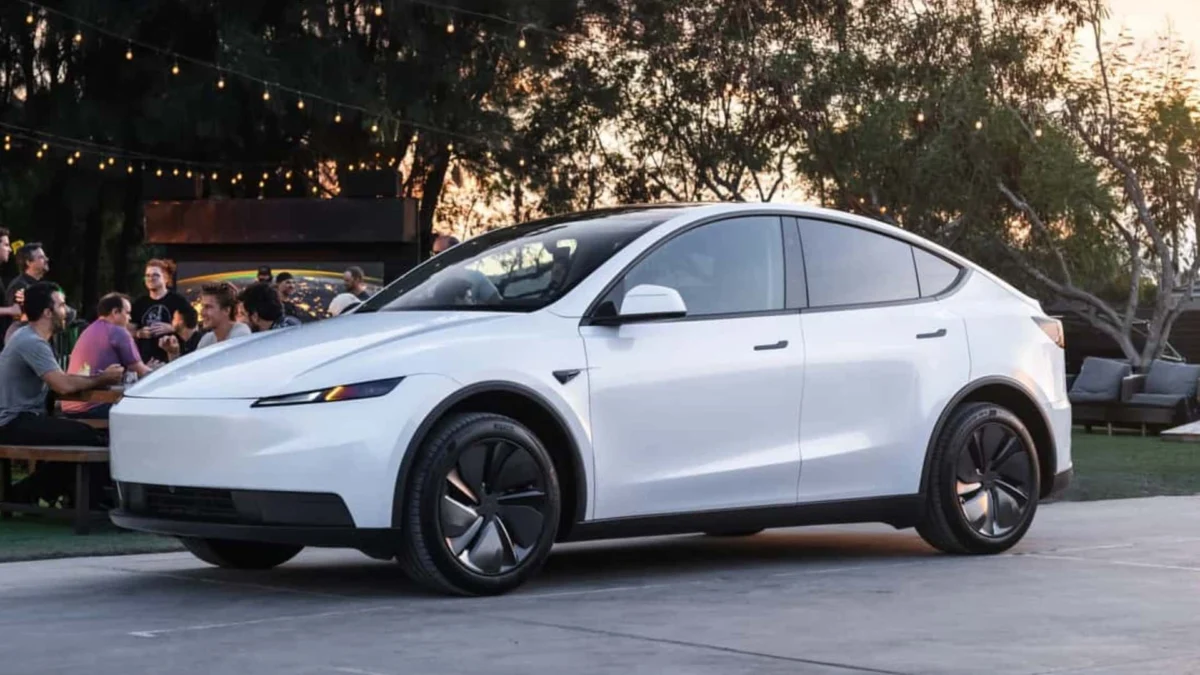
Tesla continues to hold a position of absolute hegemony in the electric vehicle space, though its grip is being tested. In August, Tesla moved just under 41,000 units, accounting for a massive share of the roughly 79,000 new EVs sold. However, even the industry titan saw a 3.8 percent decline in sales volume from July to August.
While Tesla remains the benchmark, other legacy manufacturers are beginning to find their footing. Toyota, for instance, saw a 34.9 percent surge in sales, totaling 4,964 units. While this is a fraction of Tesla’s volume, it represents a significant pivot for a brand that has historically prioritized hybrids over pure battery-electric designs.
The Used EV Boom: Why Now?
The most compelling story in the current automotive industry is the secondary market. With 44,350 used EVs sold in August alone, the used market is significantly outperforming the new market in terms of momentum.
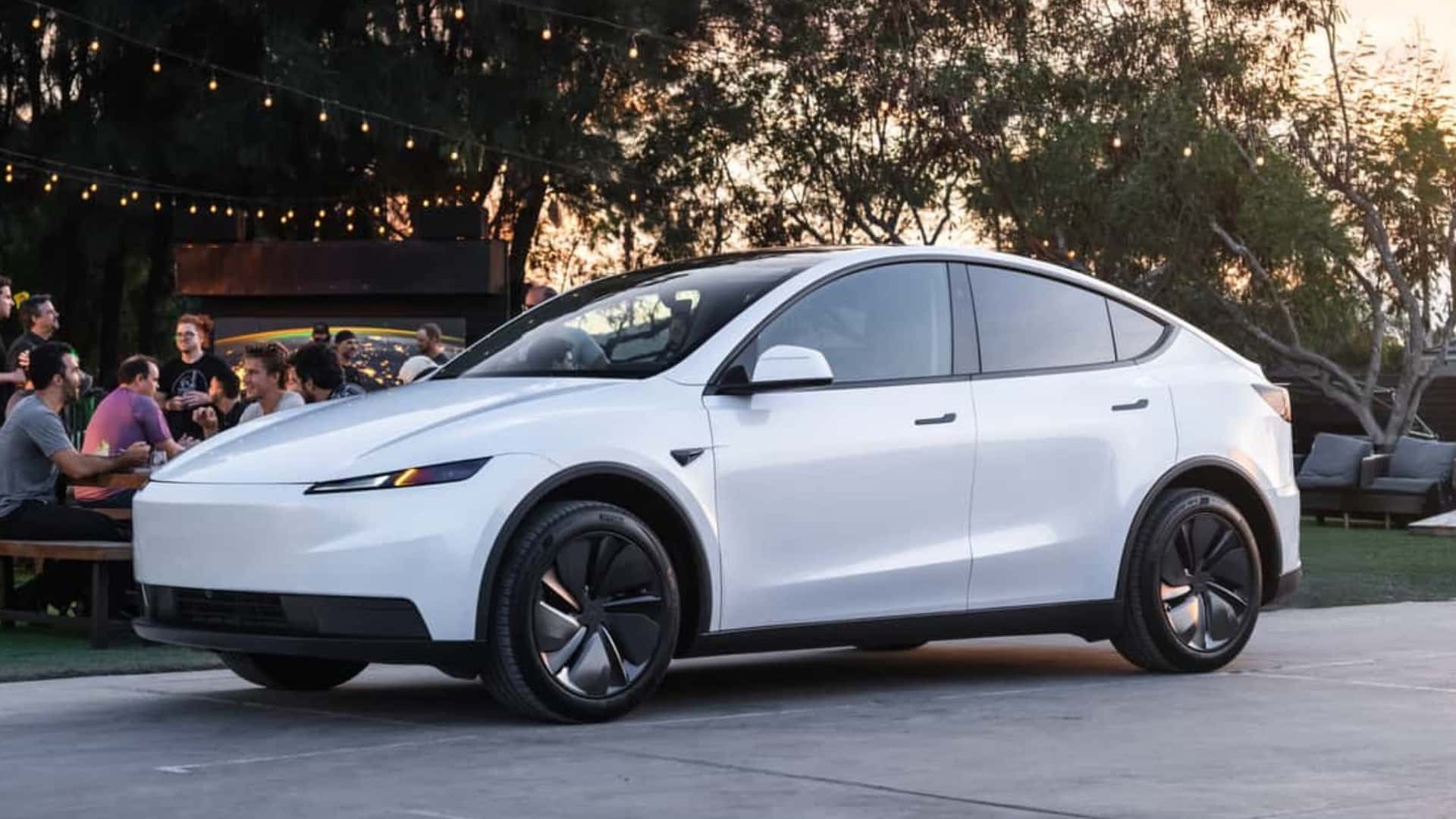
The reasons for this are multifaceted:
- Affordability: The average listing price for a used EV in August was $37,441—a 1 percent decrease from July. This price point is significantly more accessible to the middle-class buyer than the new EV average.
- Increased Supply: As the first generation of mass-market EVs—such as the Model 3 and early Mustang Mach-E units—come off their three-year leases, the secondary market is being flooded with high-quality, relatively modern inventory.
- Technology Maturity: Many consumers who were previously hesitant about EV technology are finding that three-year-old models still offer competitive range and charging speeds, making them "safe" bets for a first-time EV owner.
Key Players in the Used Sector
While Tesla continues to lead the used market with nearly 30 percent of all sales, the landscape is diversifying. Brands like Nissan and Kia are seeing dramatic growth, with used sales for these marques rising 45.1 percent and 32.1 percent, respectively. This suggests that as buyers look for alternatives, they are gravitating toward established, reliable brands that offer a lower entry point than the premium Tesla options.
Implications for the Future
The current data offers a clear directive to the automotive industry: the "early adopter" phase of the EV transition is over. We have entered the "mass market" phase, where price sensitivity is the primary driver of consumer behavior.
For Manufacturers
The data suggests that the aggressive pursuit of high-margin, luxury EVs may have a ceiling. To sustain growth, automakers must bridge the affordability gap. The success of the used market proves there is massive latent demand for electric transportation; it simply needs to be priced at a level that matches the economic reality of the average buyer.
For Consumers
For the cost-conscious buyer, the "used EV" strategy is currently the smartest move in the market. By purchasing a model that is three to four years old, a buyer avoids the immediate, steep depreciation that hits a new car the moment it leaves the lot. Furthermore, with the influx of inventory, there is a larger selection of features and trims available, often at a price that makes the transition from a gas-powered car to an EV financially net-positive within a few years of ownership.
Motor1’s Take: The Path Forward
The latest industry figures reveal a fundamental truth: the American consumer is pragmatic. They are actively seeking ways to save money, and they are increasingly viewing the EV as a tool for financial efficiency rather than just a luxury status symbol.
While new EV sales have yet to "pop off" in the way many enthusiasts hoped, the vitality of the used market suggests the infrastructure for a widespread transition is firmly in place. An off-lease EV, with its proven battery health and lower depreciation, represents the perfect bridge for the millions of Americans looking to wean themselves off the pump.
As we look toward the remainder of the year, the focus for the industry should not necessarily be on inventing the next "groundbreaking" range record, but on stabilizing prices and increasing availability. If the market continues on its current trajectory, the secondary EV market will likely become the primary engine of adoption, setting the stage for a sustainable, electrified future that is accessible to all, not just the wealthy few.
Data Source: Cox Automotive, August 2024 Market Report.