In the expansive and narratively dense world of Fire Emblem: Fortune’s Weave, players are frequently confronted with decisions that ripple across the timeline of the game’s campaign. Among the most significant of these choices is the ability to bypass Act 2, commonly known as the "War Arc." While the game provides a convenient mechanism to leap forward, the implications of this decision are far-reaching, affecting everything from unit growth and statistical milestones to the overall preparedness of your army for the final, grueling act.
The Mechanics of the Skip: Understanding the Strife Obelisk
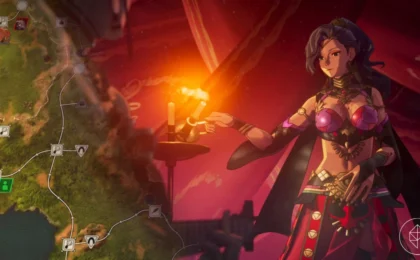
The option to skip the War Arc becomes available to players immediately upon the conclusion of Act 1, regardless of which Flame Lord protagonist they have chosen. The mechanism is tied to the "Strife Obelisk," an interactable structure that serves as a gateway to the second act.
When a player interacts with the Strife Obelisk, the game offers a narrative and mechanical bridge that fast-forwards the player directly to the precipice of Act 3. For those who choose to ignore the obelisk and proceed through the standard doorway, the game initiates the full War Arc experience. It is important to note that opting for the standard route is not merely a narrative choice; it is a commitment to the tactical grind. Players who bypass the obelisk entirely without utilizing the skip forfeit the ability to import their secondary units into the final campaign, effectively isolating their primary forces.
A Chronological Breakdown of the War Arc
To understand why one might choose to skip this segment, it is essential to contextualize where the War Arc sits in the broader chronology of Fire Emblem: Fortune’s Weave.
- Act 1: The Foundation: This phase serves as the tutorial and character-building introduction. It establishes the motivations of the Flame Lords and introduces the player to the core tactical mechanics of the series.
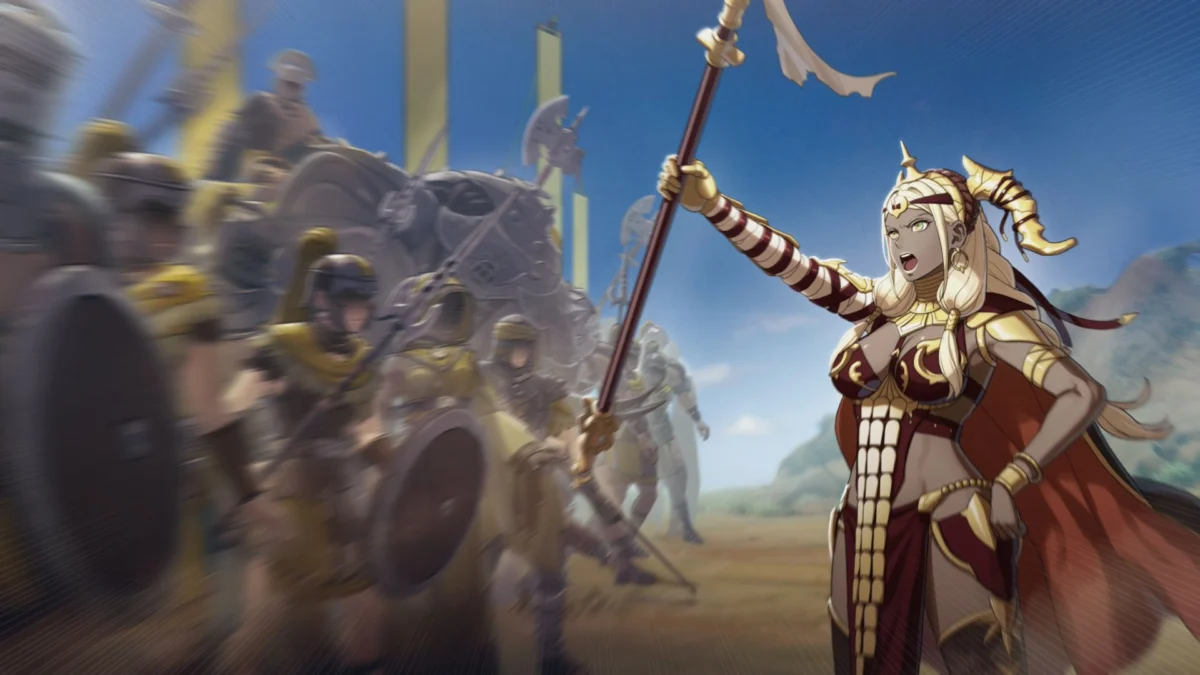
- Act 2: The War Arc (The Bridge): This act serves as the connective tissue between the initial character introductions and the high-stakes climax. It is designed to scale the difficulty of the game, introducing larger battlefields and more complex enemy compositions.
- Act 3: The Climax: The final campaign requires a highly optimized army. The difficulty spike here is designed to test every mechanic learned in the previous two acts.
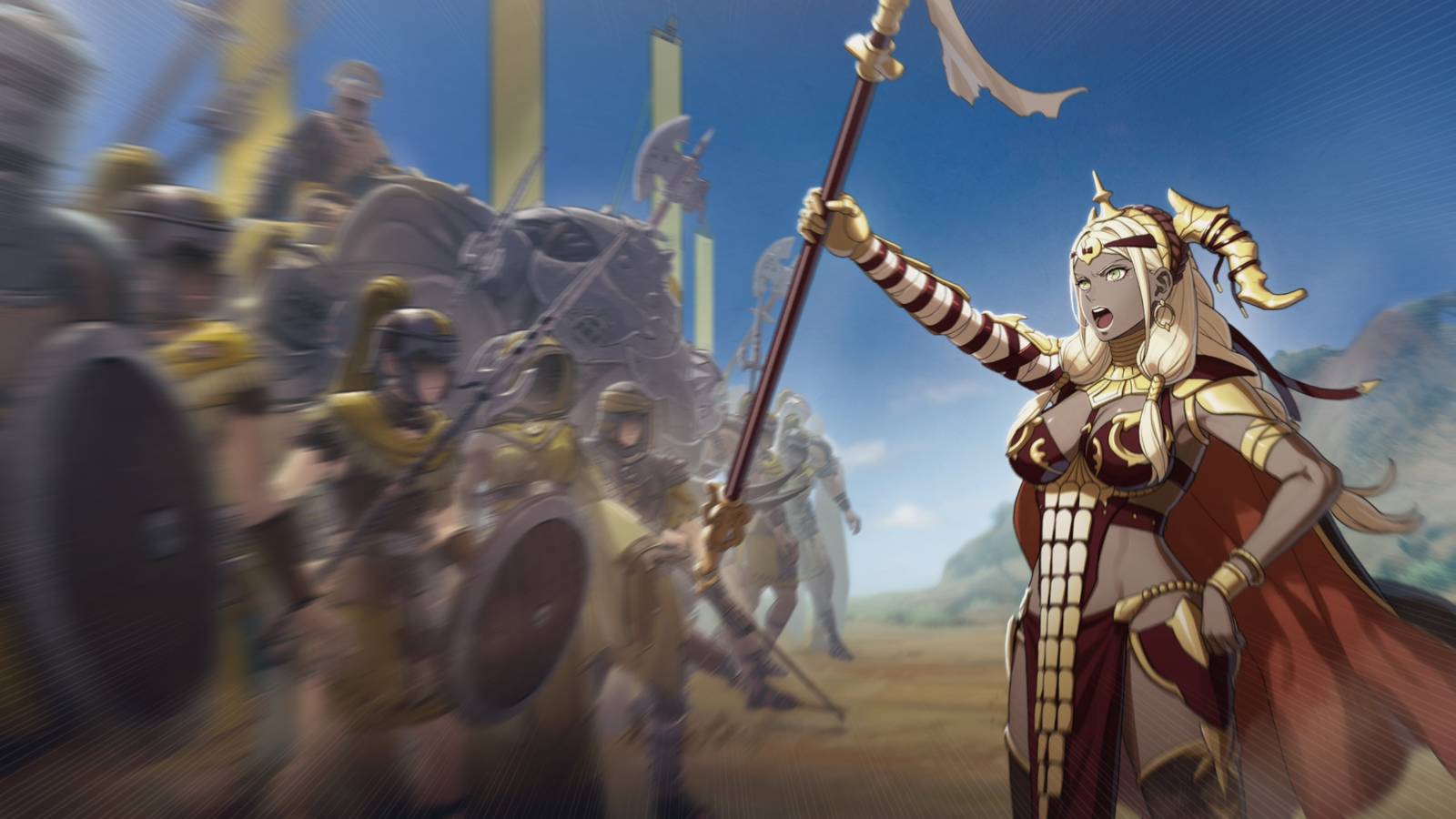
The War Arc is repetitive by design, featuring similar map layouts across different character routes. While the initial and final scenes of Act 2 are unique to each Flame Lord, the bulk of the gameplay involves mid-campaign skirmishes that some veteran players may find redundant during subsequent playthroughs.
Supporting Data: Statistical Consequences of the Skip
The primary incentive for skipping the War Arc is efficiency. When a player activates the skip via the Strife Obelisk, the game performs an automatic "catch-up" calculation. Every unit in the player’s roster is instantly leveled to 45.
From a mathematical perspective, level 45 represents the "minimum viable threshold" for entering the final act. However, this convenience comes at a measurable cost:
- Lost Stat Growth: Players who manually grind through the War Arc can reliably push their core units to level 50 or higher. The difference of five levels in Fortune’s Weave often translates into critical stat thresholds (such as Speed or Resistance) that determine whether a unit doubles an enemy or survives a magical onslaught.
- Skill Rank Stagnation: The War Arc provides ample opportunity for "Drills" and class swapping. By skipping this phase, players lose the ability to refine their army’s skill ranks. An army that has been manually cultivated through the War Arc will consistently outperform a "skipped" army in terms of flexibility and specialized class utility.
- Resource Scarcity: Manual play through Act 2 yields significantly more gold and weapon experience. Skipping removes these opportunities, forcing the player to enter the final, most expensive phase of the game with fewer logistical resources.
Official Stances and Design Philosophy
While Intelligent Systems and Nintendo have remained relatively quiet regarding specific "optimal" paths, the design of the Strife Obelisk suggests a "quality of life" feature aimed at repeat players. In interviews conducted during the game’s promotional cycle, developers emphasized that Fortune’s Weave is intended to be a multi-path experience. The inclusion of the skip acknowledges that, for a game of this magnitude, players may wish to focus on the divergent story paths and unique recruitment possibilities of the third act without repeating the standard mid-game combat loops.
The official stance, reflected in the game’s internal balance, is that the skip is a tool for time management rather than an intended "ideal" way to play for a newcomer.
Implications for New vs. Veteran Players
The decision to skip is not binary; it is highly dependent on the player’s history with the title.

For the First-Time Player
For those experiencing the narrative of Fortune’s Weave for the first time, skipping the War Arc is strongly discouraged. The War Arc is where the game’s difficulty curve begins to steepen. By engaging with these missions, players learn the nuances of large-scale tactical movement and reinforce their understanding of class synergy. Skipping this phase would likely lead to a "soft lock" scenario in Act 3, where the player finds their units under-leveled and ill-equipped for the final, unforgiving encounters.
For the Veteran/Repeat Player
For the player who has already seen the narrative and is currently looking to optimize their roster for a different character route or difficulty level, the skip is a godsend. It allows for rapid testing of different army compositions. Because the skip is not a "one-and-done" decision—players can start the War Arc, play a few maps, and then choose to skip the remainder—it offers a flexible middle ground for those who only want to complete a specific set of training drills before jumping to the finale.
Strategic Recommendations
If you find yourself standing before the Strife Obelisk, consider the following checklist before committing:
- Check your current unit levels: Are your primary damage dealers at least level 48? If yes, the skip is highly viable.
- Evaluate your skill ranks: Have you unlocked the necessary secondary classes for your healers and tanks? If your support units lack essential skills, do not skip.
- Assess your resource inventory: Do you have enough gold to upgrade gear for the final push? If your coffers are empty, the War Arc is your best source of income.
Conclusion: Weighing Convenience Against Mastery
The War Arc in Fire Emblem: Fortune’s Weave represents a crossroads in the player’s journey. While the allure of jumping straight to the climax is undeniable—especially for those eager to see the conclusion of the story—it is a decision that requires a trade-off.
The game effectively asks the player to choose between time and mastery. By playing through the War Arc, you are investing time to ensure your army is a finely tuned machine, capable of overcoming the brutal challenges of the final act. By choosing to skip, you are prioritizing narrative speed and tactical experimentation, accepting a more challenging path forward with a potentially less optimized force. Ultimately, the "best" choice is the one that aligns with your personal goals for your campaign, but for those seeking the most robust experience, the path of the sword is always through the battlefield, not around it.