Nineteen years is a lifetime in the world of travel. It is enough time for a quiet fishing village to transform into a bustling transit hub, for dirt paths to be paved over by concrete, and for a hidden sanctuary to be cataloged, Instagrammed, and ultimately, exhausted.
In 2006, I spent a transformative month on Ko Lipe, a remote speck of sand in the Andaman Sea. At the time, it was the definition of "off-the-beaten-path." Electricity was a flickering luxury provided by generators for only a few hours each evening. A basic bungalow steps from the shoreline could be had for a mere $2 USD. There was a genuine, palpable sense of finality to the arrival of the "last boat of the season," after which the island retreated into a sleepy, idyllic isolation. Today, the reality of the island stands in stark, heartbreaking contrast to those memories.
The Evolution of an Island: A Chronology of Change
The transformation of Ko Lipe from an uncharted backpacker haven to a mainstream tourist destination did not happen overnight, but the pace has been relentless.
2006: The Golden Era
My initial stay was defined by simplicity. The daily routine was rhythmic and unhurried: snorkeling in pristine waters, reading on the sand, sharing beers at the island’s singular beach bar, and rotating between a handful of local family-run restaurants. It was a place where people arrived for a weekend and stayed for months. It was a community, not a commodity.
2010–2018: The Infrastructure Boom
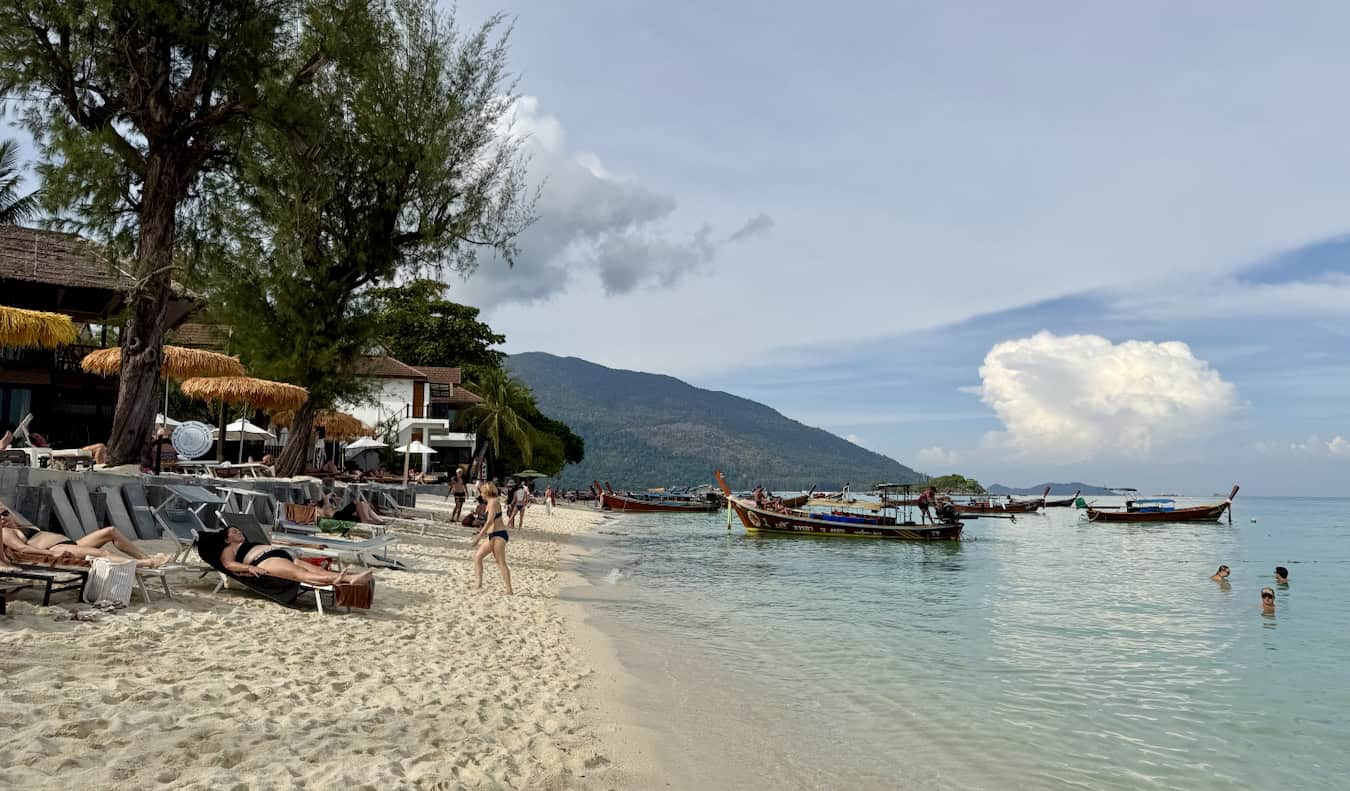
As digital connectivity and global tourism marketing expanded, the "secret" of Ko Lipe leaked. What followed was a predictable, yet painful, cycle of development. The demand for modern amenities—air conditioning, reliable electricity, and high-speed internet—necessitated a massive influx of construction. Dirt trails were widened and cemented to accommodate motorized transport, and the quiet beach bungalows were systematically replaced by multi-story, high-end resorts.
2026: The New Reality
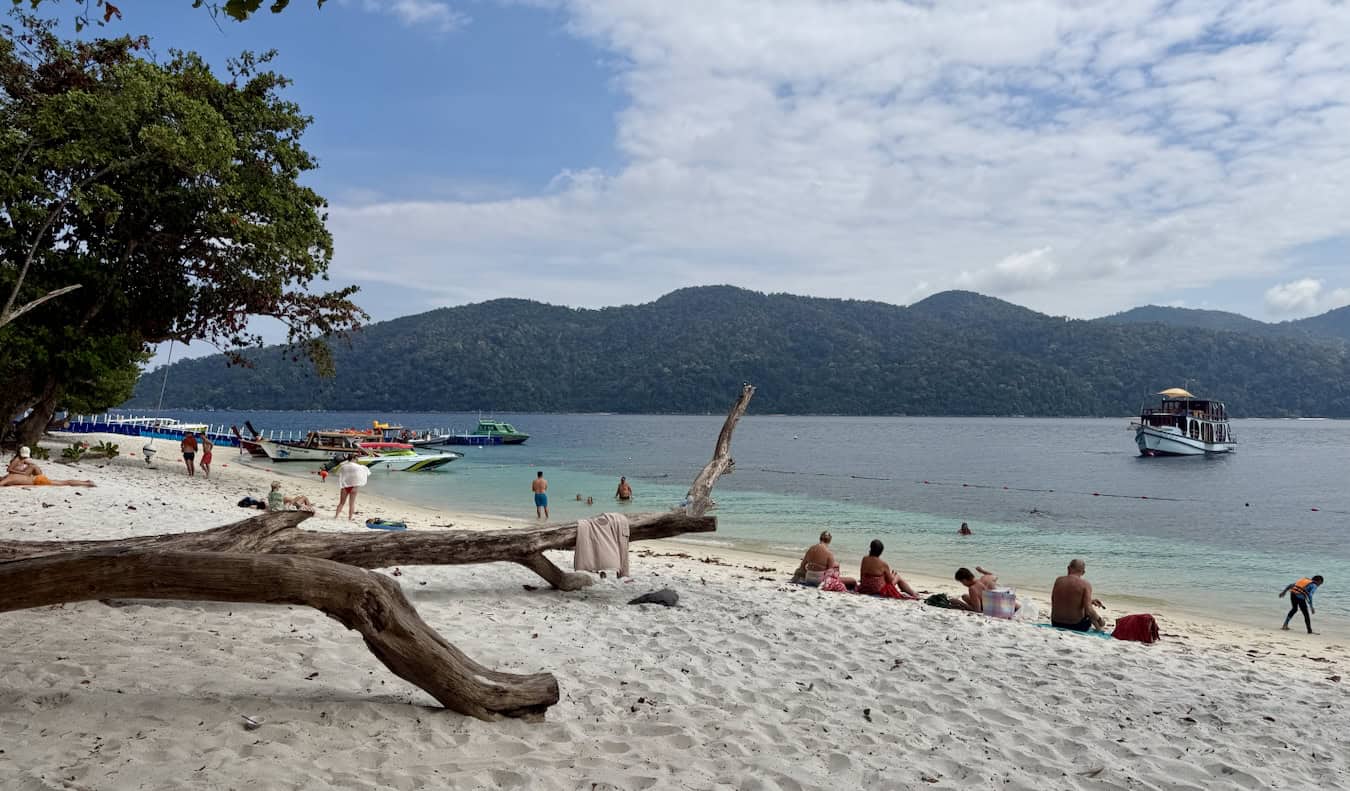
Returning for this past New Year’s Eve, I was struck by the severity of the shift. The island has adopted the "Ko Phi Phi model"—a trajectory characterized by rapid, unchecked expansion that prioritizes short-term profit over long-term ecological health. The island is no longer a destination; it is an industrial-tourism zone.
The Ecological and Social Cost of "More"
The environmental impact of this development is visible to anyone who looks beneath the surface. Ko Lipe, a small island with no natural freshwater supply, is now burdened by the massive water demands of high-end resorts with swimming pools and flush-heavy plumbing.
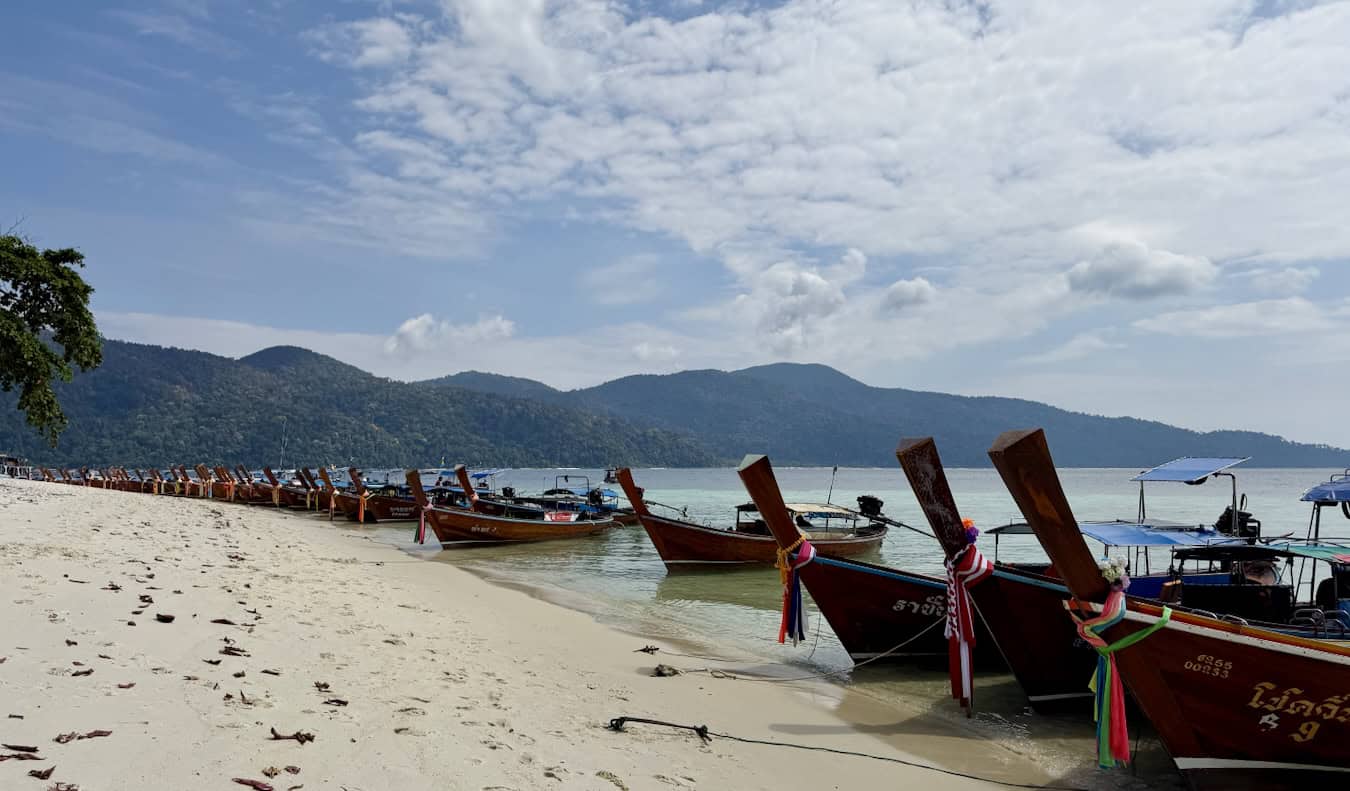
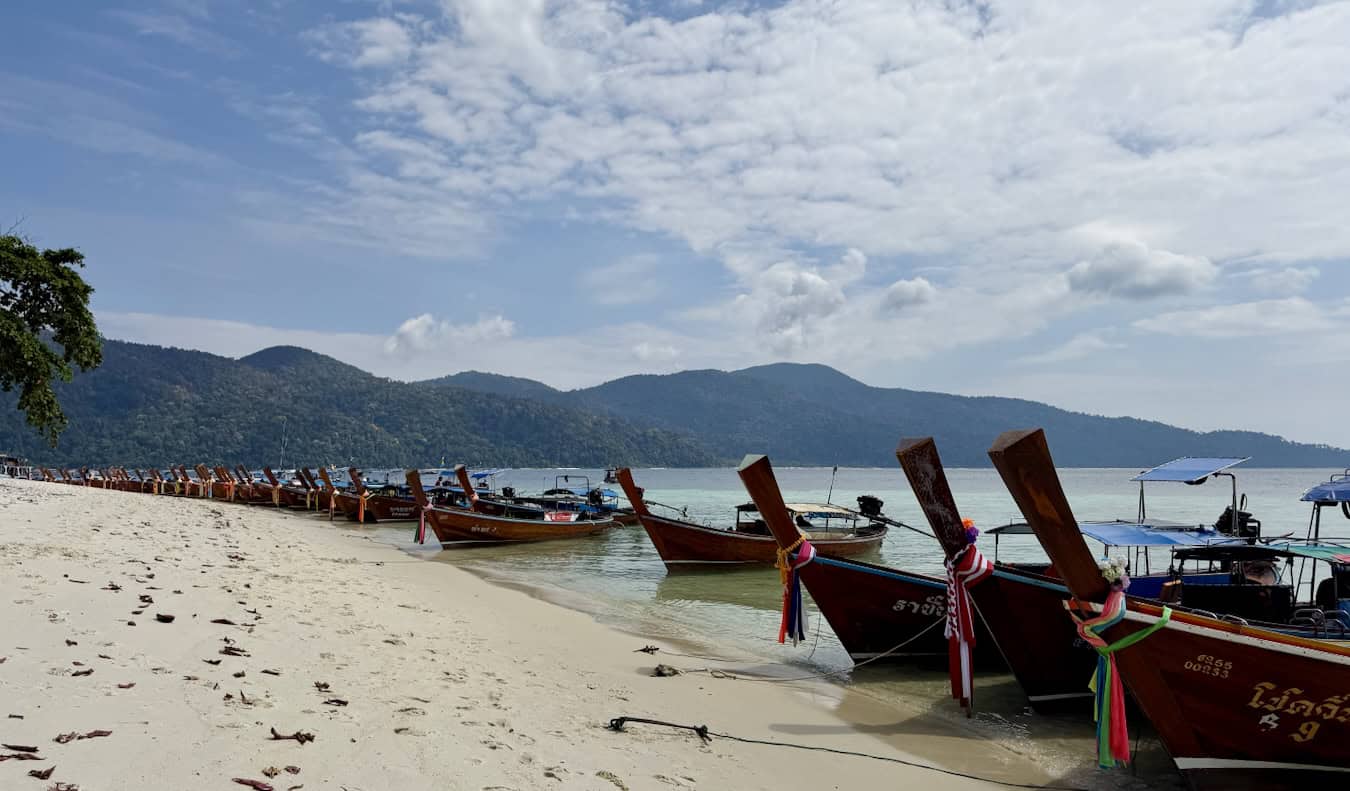
Furthermore, the surrounding marine environment—the very reason travelers flock to the island—is under siege. The waters, once crystal clear, are now congested with longtail boats. The cumulative effect of fuel exhaust, anchor damage, and irresponsible waste disposal has created a visible, iridescent film of oil and pollutants that lingers near the shore. The coral reefs, sensitive indicators of environmental health, are dying at an alarming rate, choked by the runoff of an island that has simply outgrown its infrastructure.
The social displacement is equally profound. The economic boom has not been an equitable one. Many local families, unable to compete with the capital of mainland developers, were forced to sell their ancestral land. Today, much of the island’s workforce consists of transient labor from the mainland who, despite being the backbone of the tourism industry, see very little of the wealth generated by the thousands of visitors who pass through annually.
Implications: The Ethics of Our Footprint
When we talk about the "overtourism" of Ko Lipe, we are really talking about the ethics of modern travel. The question is no longer "is it beautiful?" but rather "is it sustainable to be here?"
If you are a first-time visitor, it is easy to see the appeal. The water remains a breathtaking shade of azure, the sand is soft and white, and the neighboring national park offers glimpses of what the region looked like decades ago. However, this beauty is a veneer covering a fragile ecosystem on the brink of collapse.
As travelers, we must acknowledge the "genie in the bottle" problem. We cannot simply wish for the island to return to its 2006 state. The economic reality is that the local population is not going to sacrifice their livelihoods for the sake of our nostalgia. However, continuing to visit under the current model of development serves only to validate and encourage further exploitation.
A Call for Conscious Stewardship
We have reached a point where "enough is enough." When the resources of a destination are being depleted faster than they can regenerate, the most responsible action for a traveler is to step away.
This is not a blanket condemnation of travel, but a call for mindful consumption. We have seen that change is possible through collective consumer action. Just as the global movement against elephant riding in Thailand gained momentum, and as the demand for eco-conscious lodging has shifted the hospitality industry, our choices regarding where we travel carry significant weight.
If you are looking for an authentic experience in the Andaman Sea, look elsewhere. Islands such as Ko Lanta, Ko Jum, and Ko Mook remain better managed and offer a glimpse of the Thai island lifestyle without the crushing weight of over-commercialization. By directing our tourism dollars toward destinations that prioritize sustainable practices, we signal to the industry that we value preservation over exploitation.
Final Thoughts: The Power of Refusal
Returning to Ko Lipe was a sobering lesson in the "ghosts" of travel. I went searching for the magic of my youth, only to find a shadow of the place I once loved. The pain of seeing the island’s current state is secondary to the realization that my presence, and the presence of thousands like me, is the very force driving that degradation.
We must stop viewing destinations as infinite resources. Sometimes, the most profound act of a traveler is to say "no." By choosing to skip destinations that have been compromised by unsustainable growth, we protect the remaining wild places of the world and force a conversation about what we, as a global community, are willing to lose in the name of a vacation.
If we want to see the "paradise" that we dream of, we must be the stewards of it. And currently, the best way to be a steward of Ko Lipe is to let it heal in our absence.
Travel Logistics: Making Better Choices
If you are planning a trip to Southeast Asia, it is crucial to do your research. Before booking, consider the following:
- Support Local Sustainability: Look for accommodations that have independent certifications for water management and waste reduction.
- Prioritize Less-Trafficked Islands: Your vacation time is a vote. Choose destinations that are actively working to preserve their natural beauty through sustainable tourism initiatives.
- Use Responsible Transit: When possible, choose operators that prioritize ecological safety, such as using electric or low-impact watercraft.
- Consult Reliable Guides: For more in-depth, responsible travel planning, refer to comprehensive resources like our Thailand Budget Guide, which emphasizes off-the-beaten-path locations and ethical travel practices.
Your choices have an impact. Let that impact be a positive one.