For decades, the standard blueprint for travel has been remarkably consistent: arrive, check into a hotel, snap photos of the "must-see" landmarks, dine at a guidebook-recommended hotspot, and perhaps join a fleeting, hour-long tour. This is the era of extractive, passive tourism—a cycle where the traveler consumes a location as a product rather than engaging with it as a living, breathing community.
While there is no inherent moral failing in taking a vacation, a growing movement of travelers is rejecting the superficiality of the "tourist" label. Even the most seasoned backpackers, who pride themselves on slow travel and budget-conscious itineraries, often find themselves trapped in the same loop of ephemeral encounters. To truly understand a destination, one must move past the periphery and enter the fabric of daily life. True transformation requires more than a passport stamp; it requires presence, contribution, and the cultivation of genuine human connection.
The Shift Toward Embedded Travel
The disconnect between travelers and locals is rarely due to malice; it is simply a byproduct of transience. When you are only passing through, you lack the context, the social circles, and the routine necessary to form meaningful bonds. Locals, for their part, often view the revolving door of tourists with a mix of indifference and caution.
The most profound travel experiences are rarely found in a souvenir shop or a crowded museum atrium. They are found in the moments where you are "embedded"—where you have a role, a responsibility, and a reason to wake up in a place for weeks or months at a time. This is the difference between visiting a city and living in it.
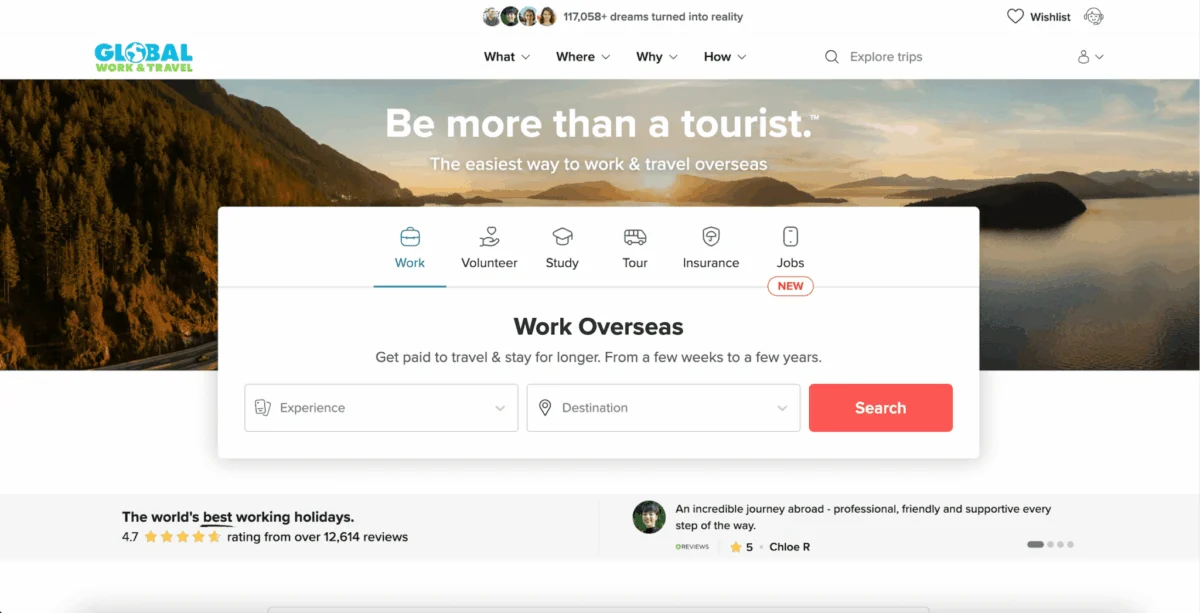
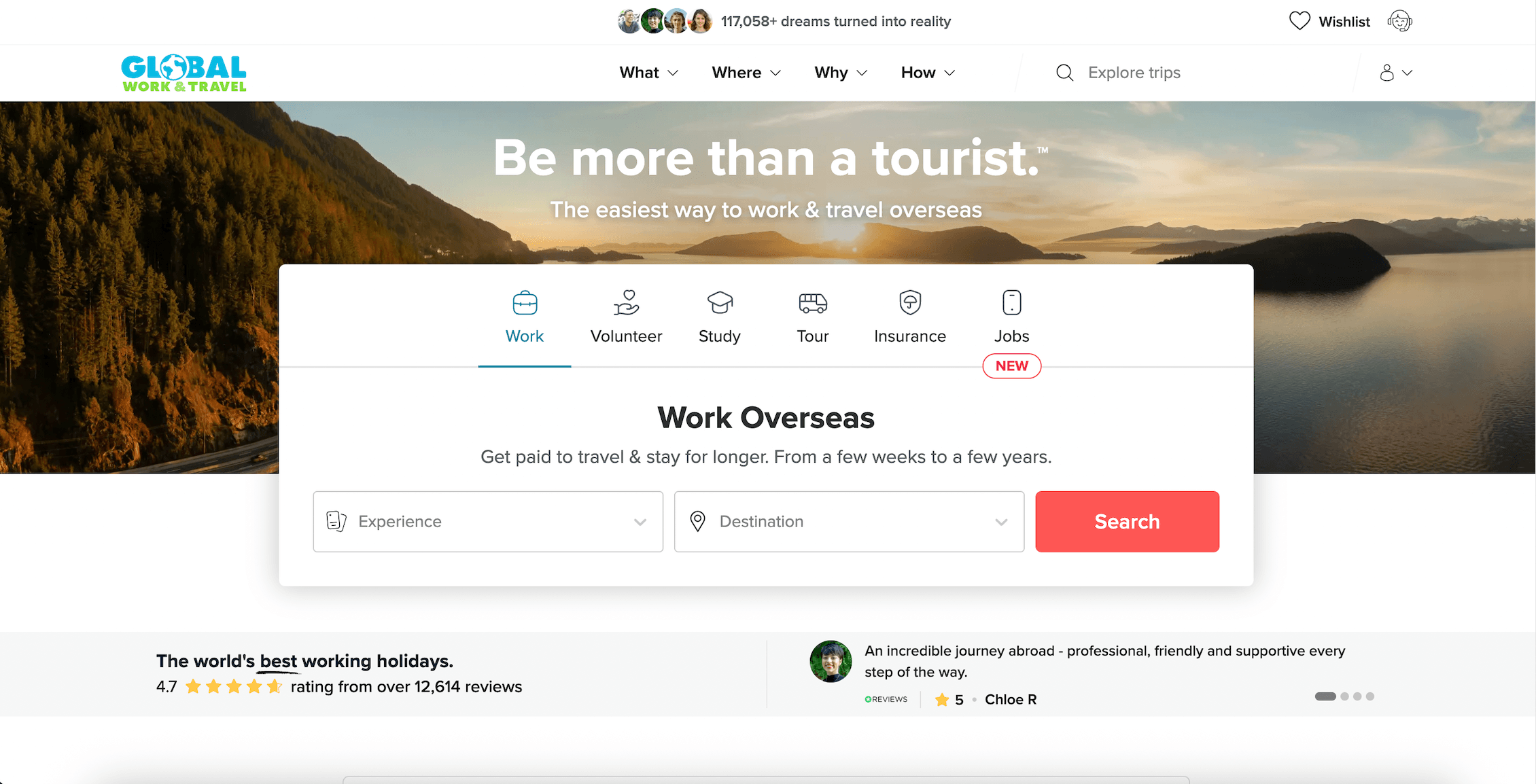
To facilitate this shift, the travel industry is evolving. Where it was once a logistical nightmare to find legitimate, safe, and impactful ways to work or volunteer abroad, new organizations are providing the infrastructure for deep-immersion experiences. Among the most prominent in this space is Global Work & Travel, a company that has spent nearly two decades bridging the gap between desire and reality for long-term travelers.
Chronology of a New Travel Paradigm
The "digital nomad" trend of the last ten years set a high bar for long-term travel: work remotely, earn in a strong currency, and enjoy a lower cost of living. However, this model is inherently exclusive. It requires a specific type of career, a high level of income, and a degree of professional autonomy that most young people, students, and early-career workers simply do not possess.
The current movement, however, is shifting toward the "Working Holiday." Instead of bringing a remote job with them, participants are choosing to enter the local economy upon arrival. This allows for a more grounded experience:
- The Integration Phase: Unlike a digital nomad working from a laptop in a café, a working holiday maker has local coworkers, a professional schedule, and a stake in the local community.
- The Relationship Phase: By engaging with the local workforce, travelers move past the "tourist" interaction—which is usually transactional—to build long-term, peer-to-peer relationships.
- The Sustainability Phase: By earning an income in the destination, the barrier to extended travel is lowered, allowing for months of stay rather than weeks of rushing.
Supporting Data: The Impact of Structured Immersion
The logistics of moving abroad are daunting. Between visa applications, job hunting, navigating foreign housing markets, and the anxiety of the "unknown," many potential travelers abandon their dreams before they even leave the airport.
Data from Global Work & Travel, which has facilitated programs for over 116,000 individuals, highlights the necessity of "scaffolding" in international travel. By providing pre-departure support, job matching, and ongoing assistance through their gWorld portal, companies in this sector have shifted the success rate for long-term travelers:
- Visa Navigation: Over 60% of potential long-term travelers cite visa complexity as their primary barrier to entry. Expert guidance here turns an administrative roadblock into a manageable process.
- Economic Integration: Working holiday makers contribute directly to local economies by filling labor gaps in tourism, agriculture, hospitality, and education.
- Community Impact: Ethical volunteering programs, when properly vetted, address specific local needs—ranging from elephant rehabilitation in Thailand to wildlife conservation in South Africa—rather than creating "voluntourism" projects that provide little long-term benefit.
Official Stance: The Ethics of Volunteering
Volunteering abroad has long carried a stigma due to the proliferation of profit-driven programs that favor the traveler’s experience over the community’s needs. However, the industry is seeing a rise in accountability.
Professional organizations now prioritize vetting to ensure that work in community development, education, and healthcare is done in partnership with local leadership. When a traveler works alongside local Zanzibar communities on projects they have identified as priorities, the dynamic changes. It is no longer about the traveler "saving" a place, but rather learning from it. This shift in perspective is the hallmark of responsible, long-term travel.
Implications for the Future of Travel
What does this mean for the future of the travel industry? We are witnessing a transition from "how do I take a vacation?" to "how do I live and work abroad for a year?"
1. The Death of the Passive Observer
Travelers are increasingly seeking to be active participants. This is not just about visiting a location; it is about having a reason to stay. Whether it is teaching English in Asia, working a hospitality job in the UK, or volunteering on a conservation site, the focus is on utility.
2. The Rise of the "Working Holiday" as a Career Move
Employers are beginning to recognize the value of international experience. A candidate who has spent six months navigating a foreign work culture, managing a budget in a local currency, and solving real-world problems in a different language is often more valuable than one who spent the same amount of time in a traditional classroom or domestic role.
3. Accessibility vs. Exclusivity
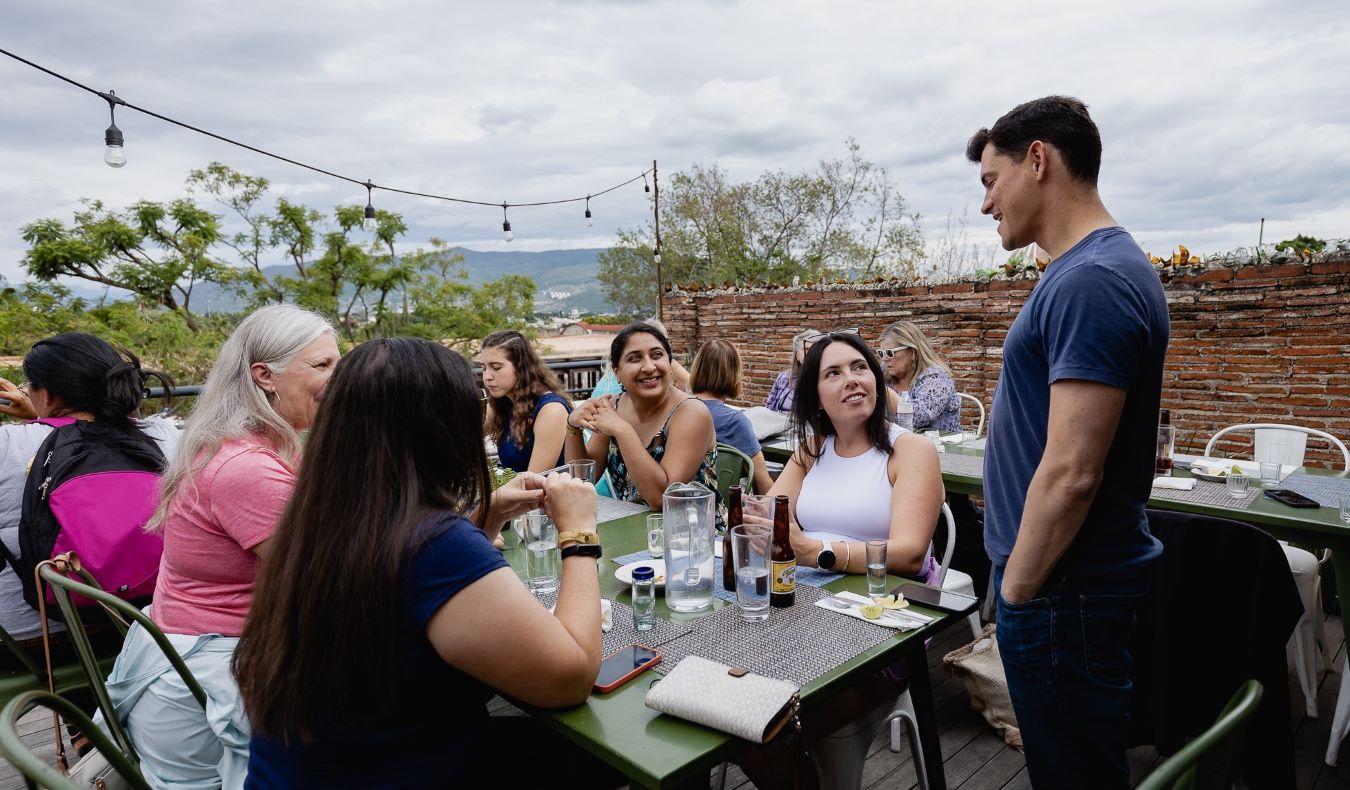
By removing the hurdles of visa applications and job placement, companies like Global Work & Travel are democratizing the ability to live abroad. This is no longer just for the wealthy or the tech-elite. It is becoming an accessible rite of passage for 18-to-35-year-olds who want to expand their worldview.
How to Get Started: Navigating the Logistics
For those ready to move from the "thinking" stage to the "doing" stage, the logistics are the most critical component.
- Financial Planning: It is essential to understand that working abroad does not necessarily mean "getting rich." It means covering your costs and having a local experience. Programs that offer job matching are crucial for ensuring you can sustain your stay.
- The Safety Net: Whether you are a solo traveler or a group, having an organization that handles emergency support, housing, and legal guidance is the difference between a life-changing adventure and a logistical nightmare.
- The "One-Dollar" Threshold: It is worth noting that for many of these programs, the initial commitment is remarkably low, often starting as low as $1 to begin the discovery and consultation process.
A Final Thought on Deep Travel
The memories that last a lifetime are never the ones where you stood in a queue for a photo op. They are the ones where you connected with a colleague at a local business, where you struggled through a language barrier and succeeded, and where you felt a sense of belonging in a place that was once a mystery.
Travel is at its best when it demands something of us. It is a tool for personal growth, cultural empathy, and global understanding. If you have been waiting for the right moment or the right structure to make the jump, the tools to do so have never been more accessible.
By choosing to work, volunteer, and live abroad, you are not just checking a box on a bucket list. You are choosing to engage with the world on its own terms. As we look to the future of travel, the most successful travelers will not be those who saw the most, but those who understood the most.
For those interested in exploring these opportunities, Global Work & Travel provides comprehensive support for working holidays, internships, and volunteer placements across the globe. By using code NOMADICMATT, you can unlock a $100 discount on your journey. Whether you are looking for a gap year, a career break, or a life-changing experience, the scaffold to make it happen is now within reach.