By TechCrunch Staff
Updated: September 16, 2026 | 11:00 AM PDT
Executive Summary: A Significant Breach of Public Trust
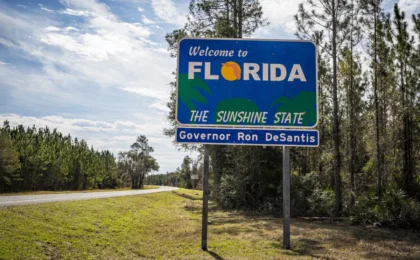
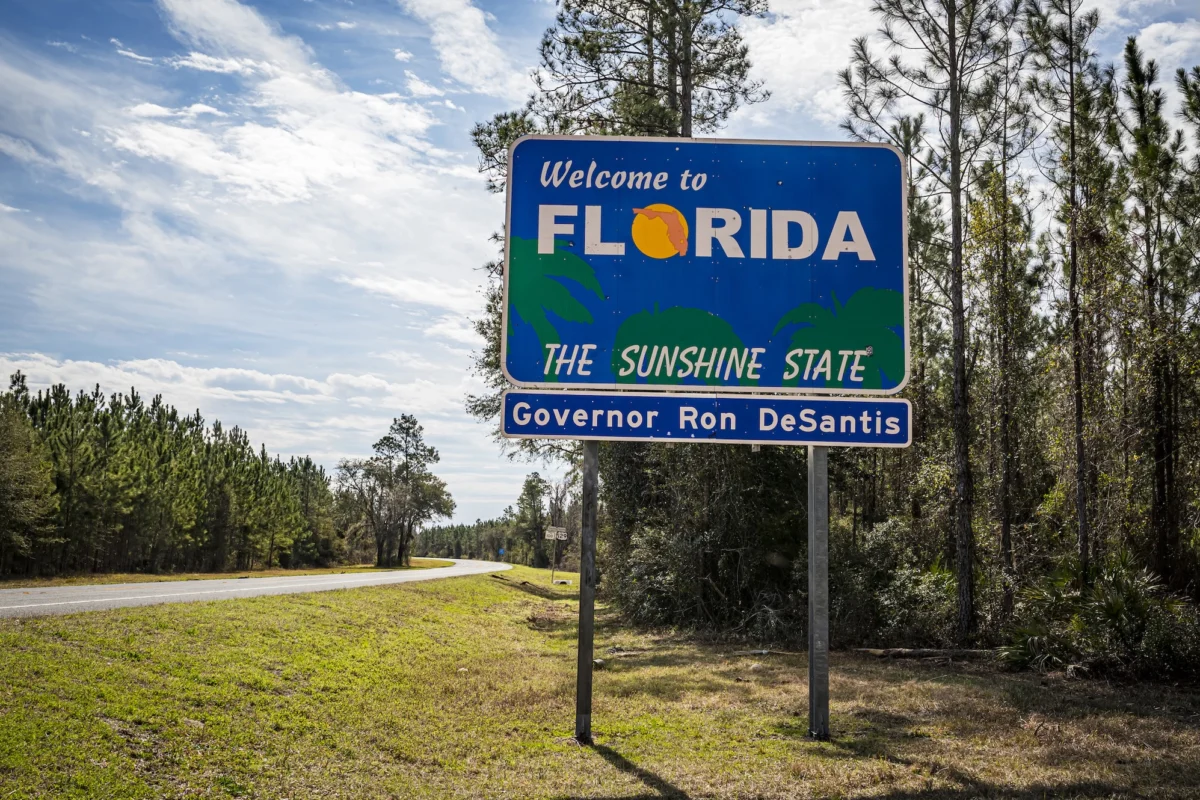
In a stark illustration of the escalating vulnerabilities within state-level digital infrastructure, the notorious hacking collective known as "ShinyHunters" has leaked a massive cache of data stolen from the Florida Department of Highway Safety and Motor Vehicles (FLHSMV). The stolen information, originating from the state’s Driver and Vehicle Information Database (DAVID), includes hundreds of thousands of files containing sensitive personal details of Florida residents.
The hackers released the data on their public-facing leak site earlier this week, citing the state’s refusal to engage in ransom negotiations or comply with their extortionist demands. This incident marks one of the most significant data security failures for the state of Florida in recent years, raising urgent questions about how government credentials are managed, stored, and protected against sophisticated cyber-adversaries.
The Chronology of a Digital Intrusion
The breach, which was first confirmed by FLHSMV officials on September 11, 2026, appears to have been a targeted strike that capitalized on a specific, human-centric security vulnerability.
According to preliminary reports and internal investigations, the sequence of events began earlier in September. The hackers successfully compromised the credentials of a law enforcement officer. Crucially, these credentials were not stored on a secure government workstation but were instead left on a personal device—a lapse in security hygiene that provided the entry point the attackers needed.
Once inside the system, the threat actors navigated the DAVID database, exfiltrating vast quantities of documentation before the breach was detected. By September 11, the FLHSMV issued a formal statement acknowledging the unauthorized access. However, the situation escalated dramatically this week when ShinyHunters made good on their threat to publish the data, claiming the state’s refusal to pay a ransom left them no choice but to dump the files publicly.
As a provocative "proof of work," the hackers included a screenshot of a record purportedly belonging to the late convicted sex offender Jeffrey Epstein, who had maintained a residence in Florida. While the authenticity of this specific record is subject to ongoing verification, it serves as a symbolic move by the hackers to signal the breadth and depth of the data they possess.
Analyzing the Stolen Data: What Was Exposed?
The scope of the leak is extensive, touching upon the private lives of hundreds of thousands of individuals. TechCrunch has independently reviewed a portion of the stolen data to verify its contents and the nature of the information exposed.
The cache primarily consists of hundreds of thousands of certificates of vehicle ownership. These records are highly granular, containing:
- Personal Identification: Full names of vehicle buyers and sellers.
- Contact Information: Residential and mailing addresses.
- Asset Details: Vehicle Identification Numbers (VINs), which can often be used to cross-reference with other public databases.
Perhaps more concerning is the presence of a smaller, yet highly sensitive, subset of documents. Investigators found evidence of Social Security numbers and various government-issued identification papers, including non-U.S. passports and immigration documentation. While current assessments suggest that the breach did not result in the mass theft of driver’s license photos or direct digital copies of physical licenses, the inclusion of government-issued IDs and social security information provides ample material for sophisticated identity theft and financial fraud.
Official Responses and the Security Vacuum
The Florida Department of Highway Safety and Motor Vehicles has faced intense scrutiny following the leak. In their September 11 statement, the agency attempted to characterize the breach as an isolated incident involving a single set of compromised law enforcement credentials.
However, the agency’s silence in the days following the publication of the data has drawn sharp criticism from privacy advocates and cybersecurity experts. When contacted by TechCrunch on Wednesday, an FLHSMV spokesperson declined to provide further comment, leaving the public and affected residents with little guidance on remediation steps or the extent of the long-term risk.

The incident highlights a systemic issue within state-level IT infrastructure: the reliance on individual law enforcement credentials that are often inadequately protected. When a police officer’s personal device becomes the gateway to a massive state database, it exposes a fatal flaw in the "bring your own device" (BYOD) policies that many government agencies have struggled to regulate effectively.
The Broader Context: A Month of Identity Chaos
This breach does not occur in a vacuum; it is part of a broader, alarming trend of identity-related cyberattacks that have plagued the United States throughout September 2026.
Just days before the Florida breach became public, identity verification giant IDScan suffered a catastrophic security failure. That attack resulted in the theft of over 150 million images of driver’s licenses—a staggering volume that dwarfs the current Florida incident in scale but shares the same underlying consequence: the mass erosion of privacy.
When taken together, these two events suggest that the infrastructure supporting digital identity in the United States is under a coordinated and sustained assault. The ease with which these groups can infiltrate databases—whether through the theft of physical IDs or the compromise of digital administrative records—suggests that the current mechanisms for verifying and protecting personal data are fundamentally ill-equipped for the modern threat landscape.
Implications: Identity Theft and Long-Term Vulnerabilities
The fallout from this breach will likely be felt for years. Unlike a credit card number, which can be canceled and reissued, the data leaked from the DAVID system—such as addresses and government-issued document identifiers—is largely static.
1. Increased Risk of Fraud: The combination of names, addresses, and Social Security numbers is the "holy grail" for identity thieves. Affected residents are now at a heightened risk for "new account fraud," where criminals open lines of credit or bank accounts in the victim’s name.
2. Government Accountability: The state of Florida is now under pressure to demonstrate how it plans to modernize its credential management systems. Experts suggest that multi-factor authentication (MFA) that is hardware-locked to government-issued devices, rather than personal ones, should be a mandatory requirement for any officer accessing sensitive state databases.
3. The Ransomware Reality: By refusing to pay the ransom, the Florida government adhered to standard cybersecurity best practices for law enforcement. However, this policy—while ethically sound—has a direct consequence: the victim’s data is now in the wild. This leaves the government in a difficult position, as they must now pivot from "negotiation" to "mitigation," focusing on providing credit monitoring services and legal protection to those affected by the exposure.
Conclusion: The Future of Digital Infrastructure
The ShinyHunters leak is a stark reminder that government databases are not immune to the pressures of the digital age. As these agencies continue to digitize records and streamline access for law enforcement, the "attack surface"—the total number of points where an unauthorized user can enter the system—grows exponentially.
For the citizens of Florida, the immediate future will involve vigilance. Monitoring financial statements, freezing credit reports, and being wary of sophisticated phishing attempts that use the leaked data as "proof" of legitimacy will be essential.
As for the state, the message is clear: the era of lax security on peripheral devices is over. If public agencies cannot secure the devices that access their most sensitive data, they will continue to be a primary target for groups like ShinyHunters. The question remains whether this breach will be the catalyst for a necessary, systemic overhaul of state digital security protocols, or if it will simply be another chapter in the growing history of American data breaches.
For those concerned about their personal data, it is recommended to monitor the official FLHSMV website for updates on security protocols and any potential identity theft protection services offered by the state.