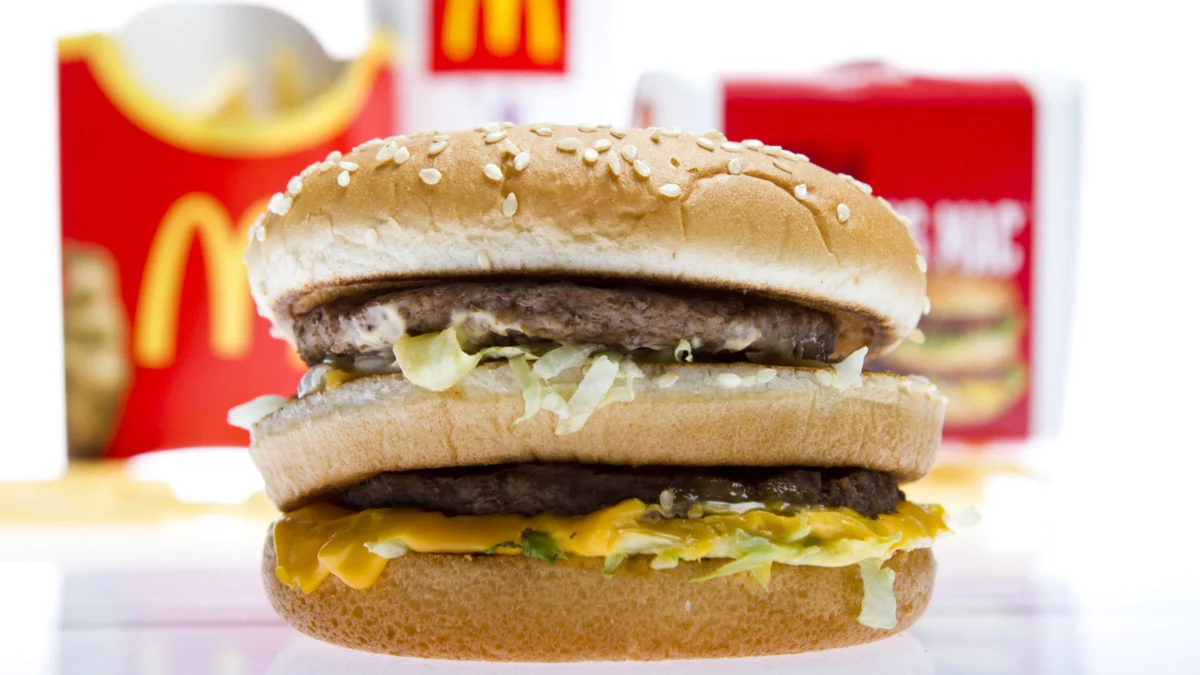
In the sprawling landscape of American fast food, few icons loom as large as the McDonald’s Big Mac. With its distinctive "special sauce," sesame seed bun, and the theatricality of its three-part structure, it has served as the global face of the Golden Arches for decades. However, as consumers grapple with rising menu prices and a heightened awareness of nutritional value, the hierarchy of the McDonald’s menu is undergoing a quiet revolution.
While the Big Mac remains a cultural touchstone, a more practical, flavor-dense, and cost-effective contender has emerged as the smarter choice for the discerning diner: the Bacon McDouble. Often overlooked in favor of the chain’s marquee items, the Bacon McDouble is proving that, in the world of quick-service dining, substance frequently triumphs over marketing-driven nostalgia.
Main Facts: The Anatomy of a Value-Driven Burger
When evaluating a fast-food purchase, three metrics have become the modern standard: price-to-protein ratio, flavor profile, and overall caloric impact. On all three fronts, the Bacon McDouble presents a compelling case for supremacy.
The Bacon McDouble is built upon a foundation of two savory, flame-grilled-style beef patties, layered with processed American cheese, crisp Applewood smoked bacon, pickles, diced onions, ketchup, and mustard. The result is a compact, protein-heavy sandwich that delivers a robust umami experience without the "bread-heavy" burden of the Big Mac’s middle bun.
With 26 grams of protein, the Bacon McDouble edges out the Big Mac’s 25 grams, despite being a smaller, more manageable sandwich. Furthermore, the Bacon McDouble clocks in at approximately 460 calories and 32 grams of carbohydrates, significantly lower than the Big Mac’s 580 calories and 45 grams of carbs. For the calorie-conscious consumer who refuses to sacrifice the satisfaction of a beef-and-bacon combination, the math is indisputable.
Chronology: The Evolution of a Menu Staple
The journey of the Bacon McDouble is reflective of the shifting strategy at McDonald’s corporate headquarters over the last two decades.
- 2008: McDonald’s introduces the original McDouble as a flagship item for the "Dollar Menu," offering a budget-friendly alternative to the standard Double Cheeseburger (which featured two slices of cheese).
- 2013: Recognizing the consumer appetite for premium toppings at an accessible price point, McDonald’s officially rolls out the Bacon McDouble. This launch was part of a strategic effort to reinvigorate the dollar menu, introducing more "premium" feel-good items in the $2 to $3 range.
- 2018-2020: As inflationary pressures begin to mount, the traditional "dollar menu" model begins to erode. McDonald’s shifts focus toward local pricing models and digital app-based deals.
- 2024: The Bacon McDouble has solidified its status as a "cult classic." While it no longer commands the low price points of its inception, it remains a pillar of the menu, favored by enthusiasts who appreciate its consistency and flavor balance.
Supporting Data: A Comparative Analysis
To understand why the Bacon McDouble has surged in popularity, one must look at the comparative data between the two sandwiches. The following table illustrates the divergence in value and nutrition:
| Feature | Bacon McDouble | Big Mac |
|---|---|---|
| Average Price | ~$5.49 | ~$7.69 |
| Protein | 26g | 25g |
| Calories | 460 | 580 |
| Carbohydrates | 32g | 45g |
| Key Differentiator | Applewood Smoked Bacon | "Special Sauce" / Extra Bun |
The "Big Mac" Paradox
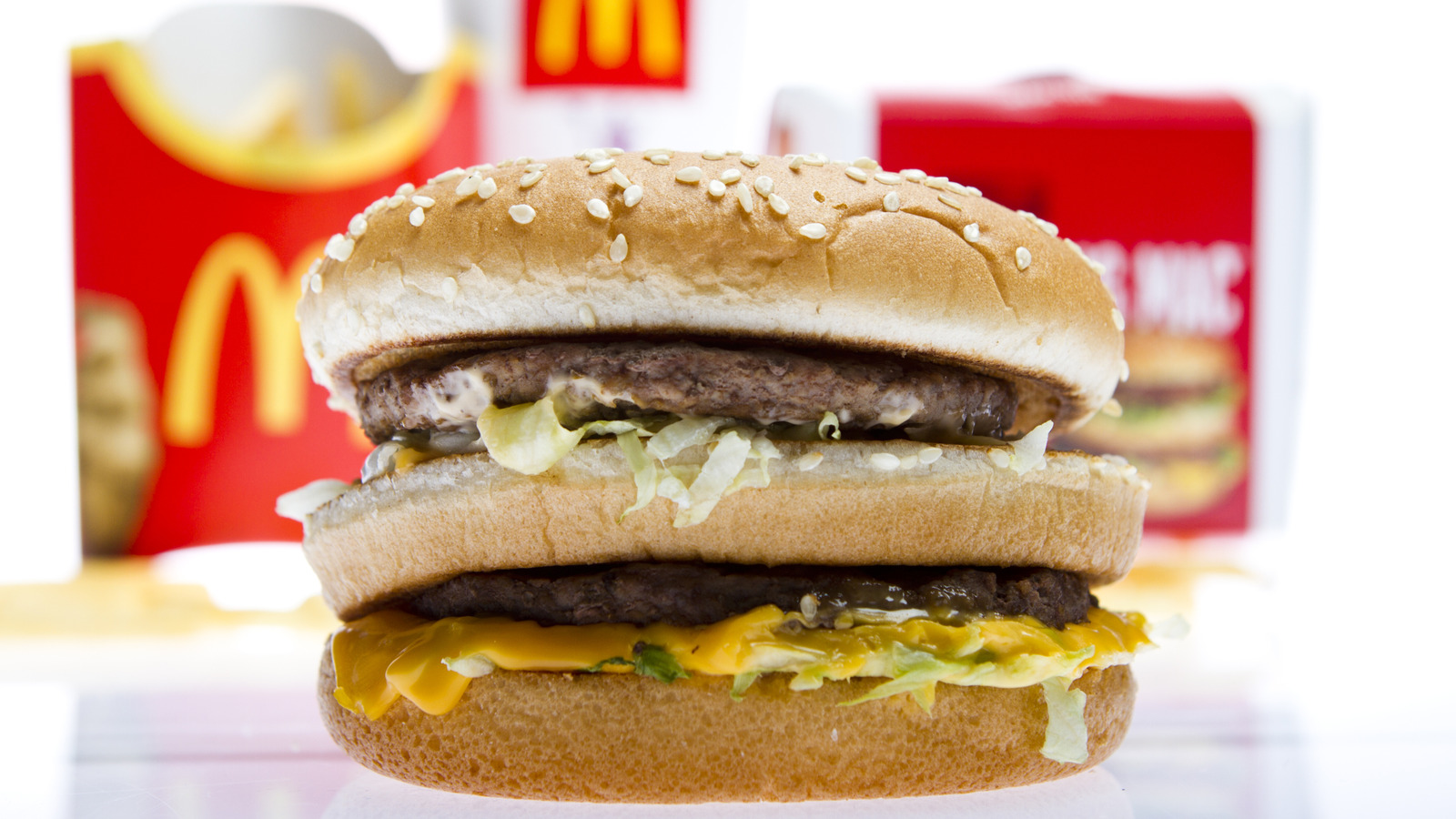
The Big Mac’s reputation is largely built on the "Special Sauce" and the unique architecture of the sandwich. However, critics often point out that the inclusion of the third bun—the "club" layer—serves primarily as a filler that dilutes the flavor of the beef and adds empty carbohydrates. By contrast, the Bacon McDouble relies on the saltiness and smoke of the bacon to elevate the beef, creating a more cohesive flavor profile that doesn’t require a signature sauce to remain palatable.
Official Responses and Corporate Strategy
McDonald’s has remained tight-lipped regarding specific sales rankings of individual burger items, yet their marketing shift over the past five years suggests an awareness of the "premium value" trend. When asked about menu composition, McDonald’s representatives often emphasize their commitment to "classic favorites" while streamlining operations.
Behind the scenes, the move away from the rigid "Dollar Menu" toward more dynamic, localized pricing—often managed via the McDonald’s mobile app—reflects the company’s response to the rising cost of goods. By promoting items like the McDouble and its bacon-adorned cousin, the company manages to satisfy the consumer’s need for value while maintaining higher margins than those found on ultra-discounted menu items of the past.
Implications: The Future of Fast Food Value
The rise of the Bacon McDouble is not merely a culinary preference; it is a symptom of a broader shift in consumer behavior. As food costs continue to rise, the "value proposition" of legacy items like the Big Mac is being questioned.
1. The Death of the "Cheap" Meal
The era of the $1 burger is effectively over. Consumers are now looking for "perceived value"—the feeling that they are getting a high-quality product for a fair price. The Bacon McDouble succeeds here because the addition of bacon creates a perception of indulgence and quality that a standard cheeseburger lacks.
2. Nutritional Literacy
Modern diners are more aware of their macronutrient intake than ever before. The fact that a customer can identify a "healthier" or more protein-dense option by comparing labels on a smartphone means that restaurants can no longer rely on brand recognition alone. The Big Mac, once the "gold standard," is now competing against more efficient versions of itself.
3. The Nostalgia Factor
Despite the data, fast food remains an emotional purchase. As noted by fans on various culinary forums, the Bacon McDouble hits a "childhood sweet spot." It provides the familiar taste of the McDonald’s kitchen—pickles, onions, and processed cheese—without the unnecessary bulk of a signature sandwich.
Conclusion: A Shift in the Culinary Landscape
The McDonald’s menu is a living organism, constantly adapting to the economic and social climate of the time. While the Big Mac will likely continue to hold its place as the company’s most recognizable icon, the Bacon McDouble represents the modern reality of the brand. It is smaller, punchier, and more efficient.
For the diner standing at the kiosk, the choice is no longer just about picking the most famous item on the board. It is about understanding the value hidden in the sub-categories of the menu. Whether it is the superior protein count, the lower caloric overhead, or simply the satisfying crunch of Applewood smoked bacon against a perfectly seasoned beef patty, the Bacon McDouble proves that sometimes, the best choice on the menu is the one that stays quiet and does the job better.
As we look toward the future of fast food, the dominance of "gimmick-based" menu items may be waning in favor of "efficiency-based" classics. In this new landscape, the Bacon McDouble stands as a testament to the fact that when it comes to the Golden Arches, you don’t always need a secret sauce to create a winner—sometimes, you just need a better burger.