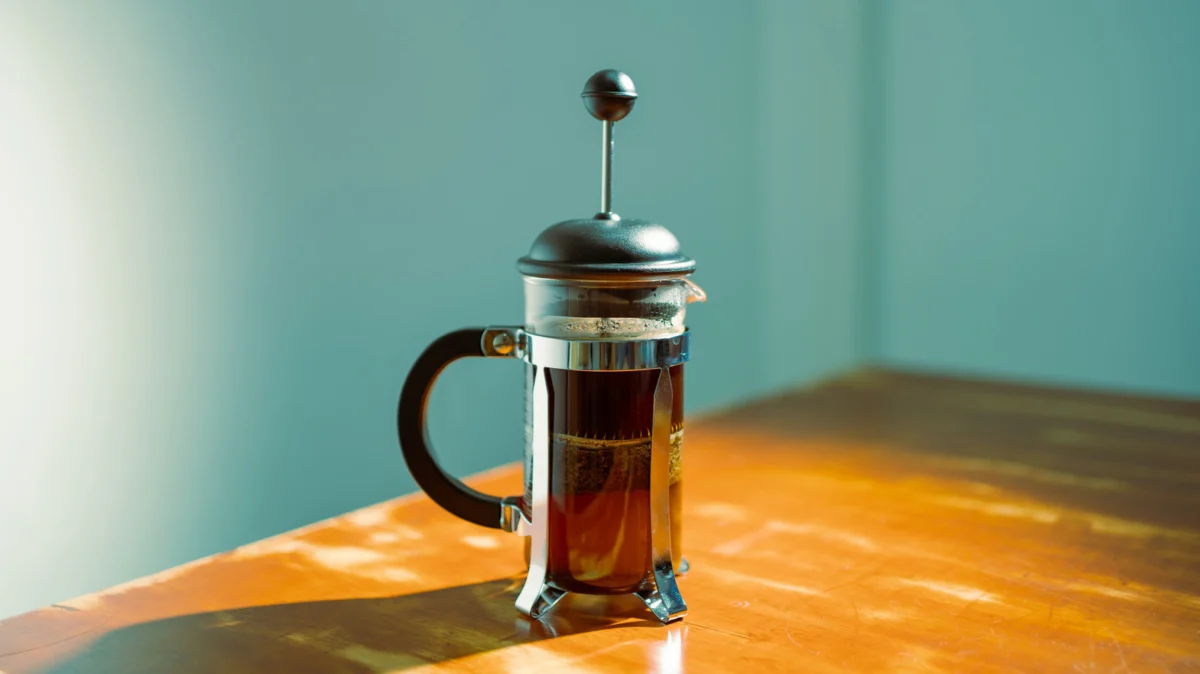
For decades, the French press—or cafetière—has held a sacred spot in the pantheon of coffee brewing. Revered for its simplicity, its ability to produce a robust cup, and its lack of reliance on electricity, it is often the first "serious" coffee maker a home enthusiast purchases. With entry-level models frequently retailing between $15 and $25, the barrier to entry is virtually non-existent.
However, beneath the romanticized image of a slow-brewed morning ritual lies a reality that many enthusiasts only discover after the initial novelty wears off. While the French press is an icon of manual brewing, it is also a device defined by its limitations. For the modern consumer, whose life is often dictated by efficiency and convenience, the French press may represent a series of logistical and sensory challenges that are difficult to overlook.
The Core Realities of Immersion Brewing
To understand the drawbacks of the French press, one must first understand its mechanism. Unlike drip coffee makers, which pass water through a bed of grounds into a carafe, the French press utilizes immersion brewing. The coffee grounds and water sit together for the duration of the brew cycle. While this creates a rich, full-bodied extraction, it also subjects the user to a specific set of operational requirements.
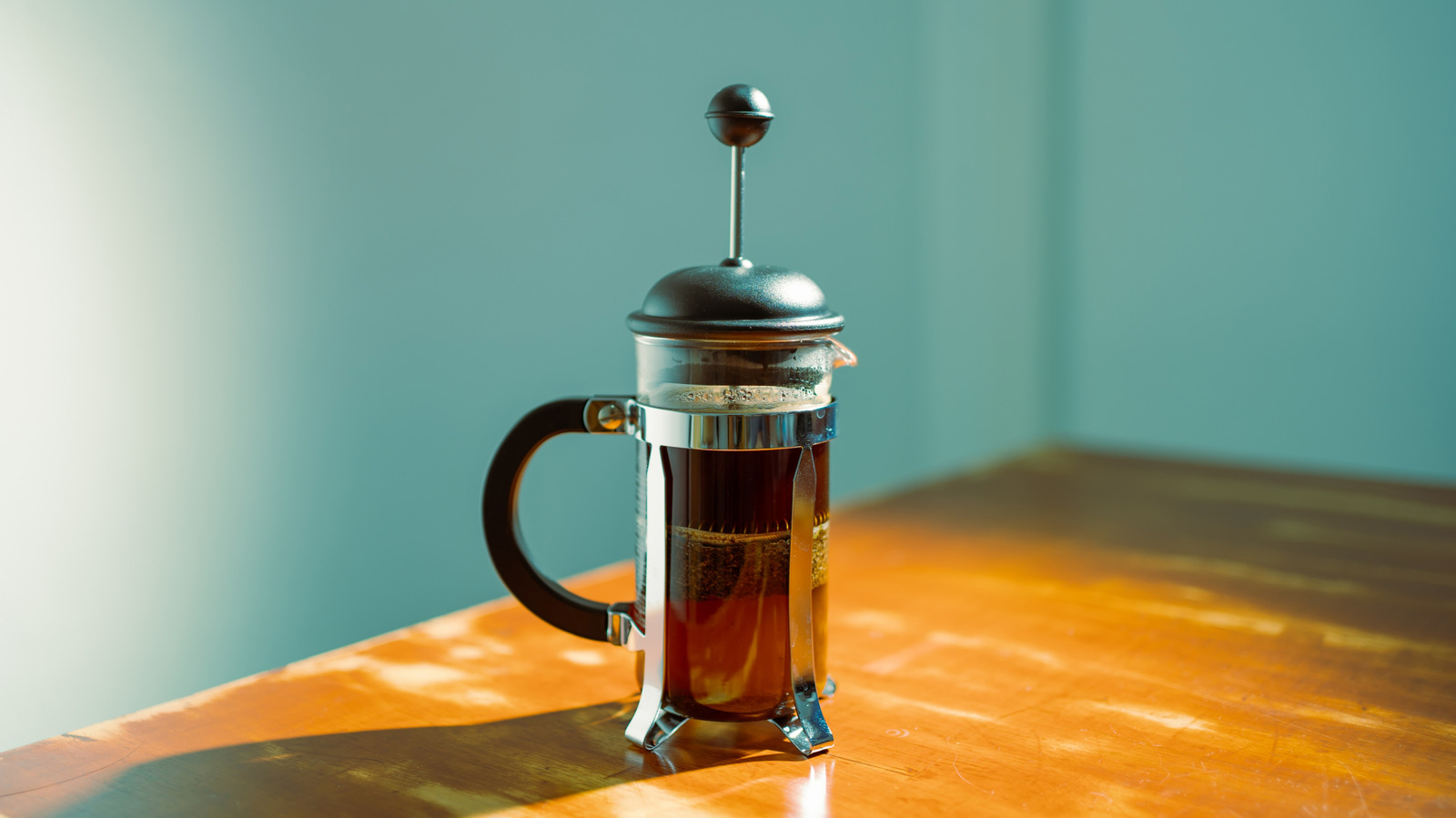
The "manual" nature of the device is not merely a style choice; it is a labor-intensive commitment. From the precise temperature of the water to the specific coarseness of the grind, the French press demands an attention to detail that automatic machines have long since automated away. When you trade the button-press convenience of a modern drip machine for the manual plunger of a French press, you are effectively trading time and effort for a specific flavor profile—a trade-off that is not always in the user’s favor.
A Chronology of the Brew: The Time Investment
The most immediate friction point for the average user is time. In an era where "on-the-go" is the standard for morning routines, the French press is fundamentally misaligned with the pace of modern life.
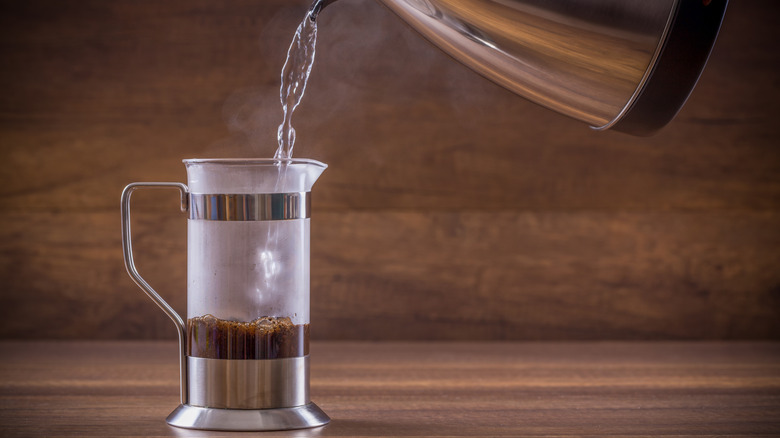
- Preparation (Minutes 0–2): The process begins with heating water. Unlike automatic brewers that heat water internally, a French press requires an external kettle. To prevent "burning" the grounds, users must wait for the water to drop from a boil to the optimal 190–200 degrees Fahrenheit range.
- The Bloom and Steep (Minutes 2–6): After adding the coffee, the "bloom"—a brief saturation period to release carbon dioxide—must occur. Following this, the mixture must steep. While four minutes is the standard, many aficionados prefer six to ten minutes for a deeper extraction.
- The Plunge and Service (Minutes 6–10): The physical act of plunging requires care to avoid sediment disturbance, followed by the immediate need to decant. If left in the press, the coffee continues to extract, quickly turning bitter.
When you account for the grinding of beans, the boiling of water, the steeping, and the inevitable cleaning, a single cup of French press coffee can easily consume 15 minutes of an already hectic morning. For those catching a train or managing children, this is not merely a "slow ritual"—it is a logistical liability.
The Temperature Tightrope
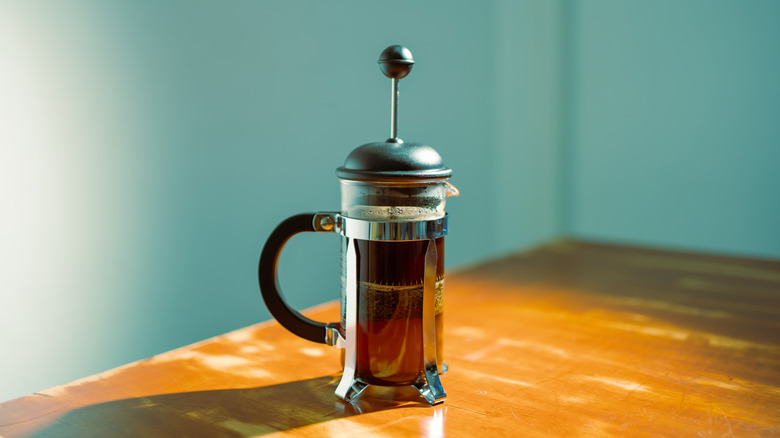
Beyond the time investment, there is the matter of thermodynamics. The French press is notoriously unforgiving when it comes to temperature control.
The Risk of Scorched Grounds
Pouring boiling water (212°F) directly onto coffee grounds is a common error that leads to a bitter, astringent cup. Because the French press provides no temperature regulation, the user is solely responsible for ensuring the water is tempered correctly. This necessitates the use of either a high-end temperature-controlled electric kettle or the patience to wait for the water to cool.
The Fragility of the Vessel
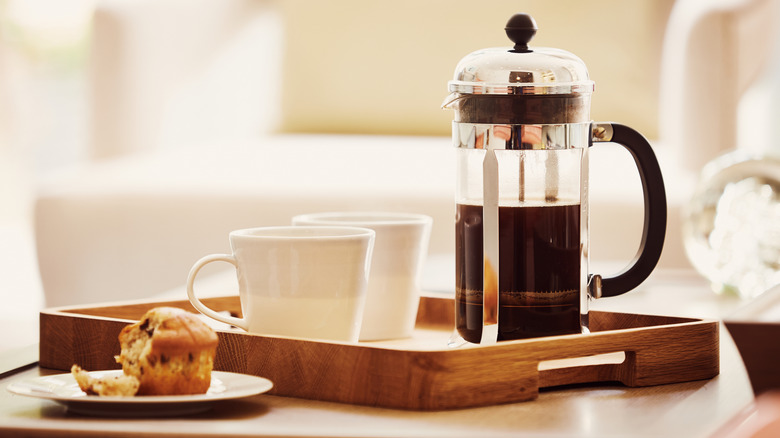
Most entry-level French presses are constructed of thin borosilicate glass. While aesthetic, these carafes are prone to thermal shock. When a cold glass jug is met with near-boiling water, the risk of cracking—or outright shattering—is significant. This forces the user to choose between a cheaper, fragile model or a more expensive, insulated stainless steel alternative. Furthermore, because the glass is thin, the heat retention is poor. Without pre-heating both the carafe and the serving mug, the coffee often reaches the palate at a lukewarm temperature, which is a major point of contention for those who prefer their caffeine steaming hot.
Sensory Implications: Sediment and Oils
For many, the appeal of the French press is its "heavy" mouthfeel. However, this is precisely what turns others away.
The Sediment Dilemma
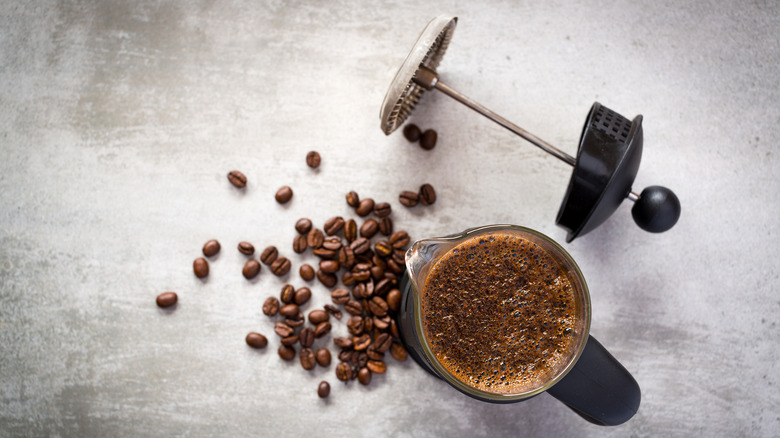
The mesh filter of a French press is not a true filter; it is a screen. Consequently, fine particles—"fines"—inevitably migrate into the final cup. This creates a gritty, muddy texture that many find unappealing. Achieving a "clean" cup requires a high-quality burr grinder capable of producing a perfectly uniform coarse grind, as anything too fine will slip through the mesh. This adds another layer of cost and equipment to the brewing process.
The Oily Texture
Because the French press lacks a paper filter, the natural coffee oils—which contain the bulk of the bean’s flavor compounds—are never stripped away. While this results in a bolder cup, it also produces a texture that some describe as "oily" or "greasy." For drinkers accustomed to the crisp, bright clarity of a pour-over or an auto-drip machine, the heavy body of a French press can be overwhelming rather than enjoyable.
The Maintenance Burden: A Tedious Reality
If the brewing process is the first hurdle, the cleanup is the final barrier. Because the grounds remain in the bottom of the vessel, the user must physically dispose of them—a process that often results in clogged drains if not handled carefully.
Furthermore, the filter assembly itself is a haven for residue. To prevent mold growth and the buildup of rancid coffee oils, the mesh filter must be disassembled and scrubbed after every single use. Most manufacturers advise against using dishwashers for these components, as the harsh detergents and high heat can damage the metal seals or the delicate glass carafe. This makes the French press one of the most high-maintenance brewing methods in the kitchen. Neglect it for even a day, and the next morning’s cup will carry the stale, bitter notes of the previous brew.
Implications for the Consumer
When evaluating whether to incorporate a French press into your daily life, it is essential to distinguish between "enthusiast" tools and "convenience" tools.
If you view coffee as a meditative, weekend-only experience where you have the time to measure, grind, wait, and scrub, the French press is a magnificent tool. It provides a level of control and body that few other methods can replicate. However, if your goal is a consistent, reliable, and low-effort start to your weekday morning, the evidence suggests that the French press may be more of a hindrance than a help.
For the average household, the transition to a stainless steel, insulated press can mitigate some of the breakage and heat-loss issues, but the fundamental issues—the time-consuming cleanup and the sediment-heavy cup—remain constant. Before making the purchase, one must ask: are you looking for a hobby, or are you looking for a caffeine delivery system? The French press, despite its charm, is almost always the former.