GENEVA – In a high-stakes gambit to solidify a fragile peace, negotiators from the United States and the Islamic Republic of Iran converged on a Swiss venue this weekend. The objective is to hammer out the technical intricacies of an interim agreement aimed at de-escalating a regional war that has threatened to consume the Middle East. However, the diplomatic atmosphere was immediately clouded by Tehran’s declaration that it had shuttered the Strait of Hormuz—the world’s most vital oil artery—and a fresh volley of threats from U.S. President Donald Trump regarding maritime "tolls."
The talks, which are being facilitated by mediators from Pakistan and Qatar, represent the most significant diplomatic engagement between Washington and Tehran in years. Yet, even as Vice President JD Vance and Iranian Parliamentary Speaker Mohammad Bagher Qalibaf arrived in Switzerland, the reality on the ground in Lebanon and the Persian Gulf underscored the immense difficulty of transitioning from a temporary truce to a lasting settlement.
I. Main Facts: A Fragile Truce Under Pressure
The current diplomatic push centers on a 60-day interim agreement signed earlier this week by President Donald Trump and Iranian President Masoud Pezeshkian. This memorandum of understanding (MoU) was designed to provide a "cooling-off" period, halting direct hostilities and allowing for the flow of humanitarian aid and commercial shipping. In exchange, the U.S. has begun the process of unfreezing billions of dollars in Iranian assets and has temporarily lifted blockades on Iranian oil exports.
However, the "60-day clock" is already ticking against a backdrop of renewed violence. On Saturday, the Iranian joint military command announced the closure of the Strait of Hormuz, citing what it termed a "clear breach" of U.S. commitments. Tehran argues that the U.S. has failed to restrain Israeli military operations in Lebanon, which Iran views as a violation of the spirit of the interim deal.
The U.S. response was swift and characteristic of the current administration’s transactional foreign policy. President Trump warned that if a final, comprehensive deal is not reached within the 60-day window, the U.S. will impose mandatory tolls on all traffic through the Strait of Hormuz. Trump described these potential fees as payment for "services rendered as the Guardian Angel to the countries of the Middle East."
Meanwhile, the conflict in Lebanon remains the primary "spoiler" for the Swiss talks. While U.S. and Qatari officials have worked behind the scenes to broker a ceasefire between Israel and the Iranian-backed Hezbollah, the Israeli Defense Forces (IDF) continued strikes in southern Lebanon on Saturday, resulting in at least 16 fatalities.
II. Chronology: The Road to Switzerland
The path to the current negotiations has been marked by rapid escalation followed by a sudden, albeit shaky, diplomatic pivot.
- February 28: The conflict reached a fever pitch when the United States and Israel launched coordinated strikes against Iranian strategic interests. This prompted an immediate retaliation from Hezbollah, which launched a massive barrage of rockets and drones into northern Israel.
- Early March: Israel expanded its ground operations, seizing significant territory in southern Lebanon to create a "buffer zone." The humanitarian crisis intensified as displacement figures soared.
- The Interim Signing (Earlier this Week): In a surprise development, President Trump and President Pezeshkian signed an interim agreement. The deal established a 60-day window to negotiate a permanent nuclear framework and a regional security architecture. The U.S. lifted its naval blockade of Iranian ports as a gesture of good faith.
- Friday, March 14: Negotiators were originally scheduled to meet in Switzerland, but the Iranian delegation canceled at the eleventh hour, citing the intensity of Israeli strikes in Lebanon.
- Saturday, March 15:
- Morning: Iran announces the closure of the Strait of Hormuz.
- Afternoon: The U.S. Central Command (CENTCOM) disputes the closure, reporting that 55 merchant ships successfully transited the waterway.
- Evening: Vice President JD Vance departs for Switzerland. Simultaneously, Iranian state TV broadcasts the arrival of Speaker Qalibaf and Foreign Minister Abbas Araghchi in Geneva.
- Late Night: Pakistani Prime Minister Shehbaz Sharif and Army Chief Field Marshal Asim Munir depart for Switzerland to begin their roles as lead mediators.
III. Supporting Data: Economic and Human Toll
The stakes of the Switzerland talks are quantified by both the massive economic implications of the Strait of Hormuz and the mounting casualties in the Levant.
The Maritime Economic Stakes
The Strait of Hormuz is the world’s most important oil transit chokepoint. Approximately one-fifth of the world’s total oil consumption passes through this narrow waterway daily.
- Volume: On Saturday alone, despite Iran’s "closure" announcement, CENTCOM reported that more than 17 million barrels of oil moved through the Strait.
- The Toll Threat: President Trump’s proposal for a "Guardian Angel" toll could fundamentally alter global shipping economics. Analysts suggest that even a nominal fee per barrel could generate billions for the U.S. Treasury but would likely face intense legal challenges under the United Nations Convention on the Law of the Sea (UNCLOS).
The Human Cost in Lebanon
The conflict between Israel and Hezbollah has exacted a devastating toll on the civilian population.
- Casualties: Lebanon’s Health Ministry announced Saturday that the total death toll has surpassed 4,000 since the escalation began.
- Saturday’s Strikes: At least 16 people were killed in southern Lebanon on Saturday, including two children in the village of Barish.
- Military Losses: Five Israeli soldiers were confirmed killed in the past 48 hours during operations in southern Lebanon.
- Displacement: Hundreds of thousands remains displaced on both sides of the Blue Line, with residents of northern Israeli towns like Metula expressing deep skepticism that any ceasefire will hold.
IV. Official Responses: Divergent Narratives
The rhetoric from the various capitals involved illustrates the wide gulf that negotiators must bridge in the coming days.
The United States:
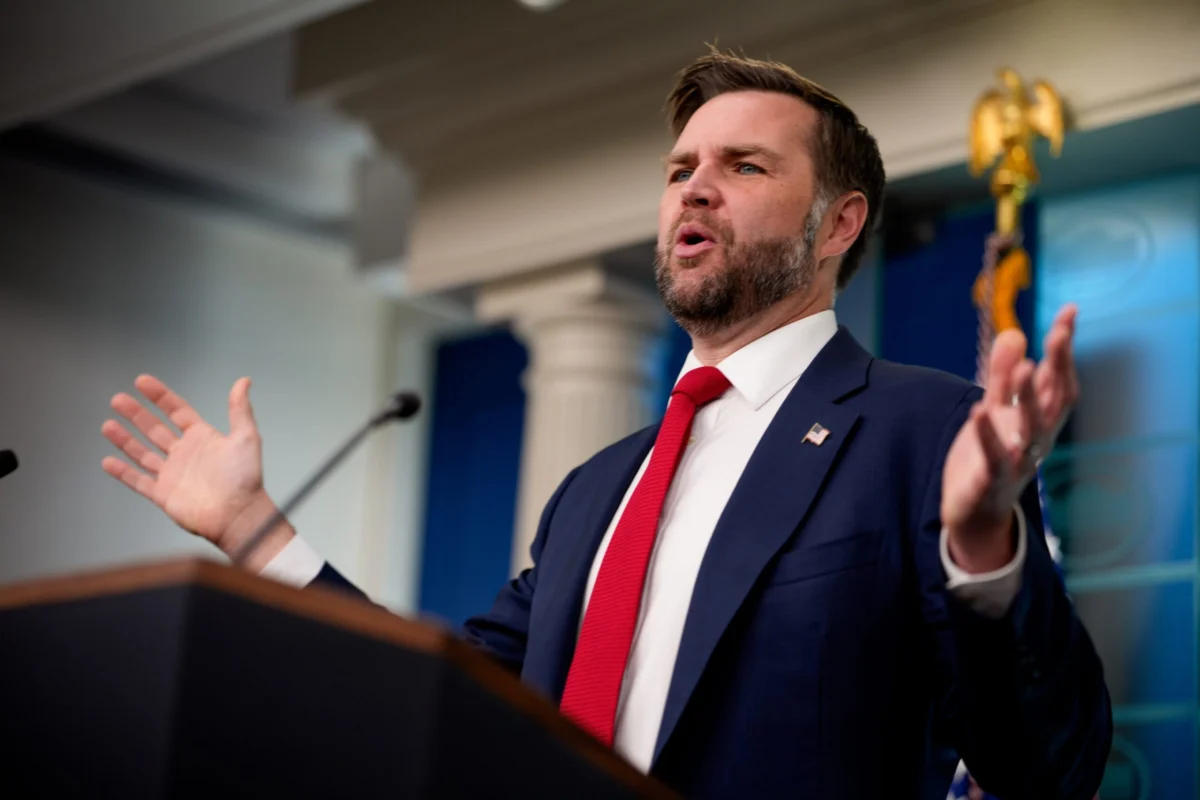
Vice President JD Vance expressed a cautious but firm optimism upon his departure. "We are looking for progress on two fronts: a permanent resolution to the nuclear issue and a sustainable ceasefire in southern Lebanon," Vance told reporters. He emphasized that the U.S. presence in the region is a stabilizing force, reinforcing Trump’s "peace through strength" doctrine.
Iran:
The Iranian position is one of conditional participation. Foreign Ministry spokesperson Esmail Baghaei warned that the entire Memorandum of Understanding is "jeopardized" if Israel does not halt its operations. "Negotiations toward a final agreement will only truly begin once the core commitments—specifically the cessation of aggression in Lebanon—are upheld," Baghaei stated.
Israel:
Prime Minister Benjamin Netanyahu remains committed to his military objectives. An Israeli military official, speaking on condition of anonymity, noted that while the IDF has received "updated directives to cease fire" in a defensive capacity, the military retains the right to respond to Hezbollah provocations. Netanyahu has vowed that Israeli forces will not withdraw until the threat from Hezbollah is "eliminated."
The Mediators:
Pakistan and Qatar have taken on the role of the "bridge." Prime Minister Shehbaz Sharif noted that Pakistan’s involvement is driven by a desire for "regional Islamic solidarity and global economic stability." Qatari officials, who have long served as a backchannel between Washington and Tehran, are focusing on the technicalities of the asset unfreezing process.
V. Implications: The 60-Day Countdown
The outcome of the Swiss talks will have profound implications for the global order over the next two months.
1. The Future of Global Trade
If Trump follows through on his threat to impose tolls on the Strait of Hormuz, it would represent a radical departure from decades of U.S. policy regarding the "Freedom of Navigation." Such a move could provoke retaliatory measures from other major powers, including China and the European Union, who rely heavily on Middle Eastern crude.
2. Iranian Domestic Stability
For the Pezeshkian administration, the success of these talks is tied to the return of billions of dollars in frozen assets. This capital is desperately needed to stabilize the Iranian rial and address domestic discontent. A failure in Switzerland could embolden hardliners in Tehran who argue that diplomacy with the West is a "dead end."
3. The Lebanon Sovereignty Crisis
The fact that neither Israel nor Hezbollah are formal signatories to the U.S.-Iran interim deal creates a dangerous "gray zone." If the U.S. and Iran cannot exert sufficient pressure on their respective allies/proxies to stop fighting, the diplomatic track in Switzerland will likely collapse. The upcoming talks in Washington next week between the Lebanese government and Israel will be a crucial litmus test for whether a diplomatic solution can be decoupled from the broader U.S.-Iran rivalry.
4. U.S. Political Landscape
For the Trump administration, a "Grand Bargain" with Iran would be a landmark foreign policy achievement, potentially neutralizing one of America’s longest-standing adversaries. However, the administration faces significant pressure from hawks in Congress who question whether lifting the blockade and unfreezing assets is a "ransom" that will only fund further Iranian proxy wars.
As negotiators settle into their Swiss venue, the world watches the clock. The 60-day window provides a sliver of hope, but as the smoke rises over southern Lebanon and the tankers navigate the tense waters of the Hormuz, that hope remains precariously thin. The "technical details" being discussed this Sunday are not merely about numbers and bank accounts—they are the blueprints for either a new regional order or a return to total war.