By Michael McWhertor
Published June 12, 2026, 6:55 PM EDT
In a move that promises to fundamentally reshape the landscape of global entertainment, the U.S. Department of Justice (DOJ) Antitrust Division announced on Friday that it has officially closed its investigation into the $111 billion acquisition of Warner Bros. Discovery by Paramount Global. By declining to contest the merger, the DOJ has cleared a monumental regulatory hurdle, pushing one of the most controversial corporate consolidations in history significantly closer to the finish line.
The decision marks a turning point for the media industry, signaling that federal regulators believe the combined entity—Paramount-Skydance—will not pose a direct threat to market competition. However, while the federal gatekeepers have stepped aside, the deal remains subject to intense scrutiny from state-level authorities, labor unions, and a vocal contingent of industry creators who fear the long-term consequences of such massive centralization.
The Scope of the Consolidation
The merger brings together a vast, sprawling empire of intellectual property and distribution channels. Should the deal reach its final closing, the new corporate entity will control an unprecedented portfolio of assets. Under one roof, the company will house iconic film studios, legacy television networks, and powerhouse streaming services.
The portfolio includes:
- Film and Television: Warner Bros. Pictures, Paramount Pictures, CBS, and the various cable networks under the Warner Bros. Discovery umbrella.
- News and Information: CNN and CBS News, creating a singular news powerhouse.
- Premium Streaming: The combination of Paramount+ and HBO Max, potentially creating a "super-service" designed to challenge the hegemony of Netflix and Disney+.
- Gaming: The integration of the recently formed Paramount Game Studios with the extensive assets of Warner Bros. Games, which includes heavy-hitting developers like Rocksteady Studios, NetherRealm Studios, and Avalanche Software.
For investors, the rationale is clear: scale. By pooling resources, the combined company aims to reduce overhead, streamline production pipelines, and create a unified streaming platform that can survive the volatile transition from traditional cable to digital-first consumption.
Chronology of a Mega-Merger
The path to this $111 billion agreement has been fraught with tension, political pressure, and significant economic maneuvering.
- Early 2026: Initial reports of potential interest between Paramount and Warner Bros. surface, triggering widespread speculation about the viability of such a deal under current antitrust standards.
- February 2026: California Attorney General Rob Bonta publicly announces that his office is "taking a very close look" at the proposed merger, signaling potential friction at the state level.
- April 2026: Warner Bros. shareholders formally vote to approve the buyout, a critical milestone that further intensified calls from legislators like Senator Elizabeth Warren to block the transaction.
- April 2026: Over 5,000 creators and various labor unions sign an open letter, formally opposing the merger, citing concerns over mass layoffs and a reduction in creative diversity.
- June 12, 2026: The DOJ Antitrust Division officially closes its investigation, determining that the merger is "not likely to result in harm to competition."
The Federal Justification: Why the DOJ Approved
The DOJ’s decision to clear the deal rests on a specific interpretation of the current entertainment market—one that the Department argues is becoming more, not less, competitive.
In its official statement, the Antitrust Division emphasized that the "legacy" status of studios like Paramount and Warner Bros. no longer guarantees dominance. Instead, they pointed to the emergence of "non-legacy" players and the rise of streaming-first production as evidence that the barrier to entry remains low.
"The Division has completed its analysis of the proposed merger… and determined that the transaction is not likely to result in harm to competition or American consumers," the officials stated.
A key part of their argument lies in the theatrical market. The DOJ cited recent box office successes from a diverse array of studios to prove that the "big five" model of the past is being disrupted. By pointing to the performance of Backrooms (A24), Obsession (Blumhouse), and Project Hail Mary (Amazon MGM), the DOJ suggests that the market is currently in an "inflection point." They argue that even after the merger, the presence of Lionsgate, Netflix, and other independent entities ensures that no single company can monopolize the production or distribution of high-budget films.
Regarding the streaming war, the DOJ went further, suggesting that the combination of Paramount+ and HBO Max could actually be a boon for consumers. The logic: by merging, the two services could offer a more "robust competitive alternative" to the larger SVOD (Subscription Video on Demand) platforms like Netflix, potentially lowering prices or increasing content quality through better resource allocation.

The View from the States: Resistance Remains
While the DOJ’s sign-off is a massive win for the merger’s proponents, the deal is far from a done deal. The state-level opposition, led primarily by California, remains a significant obstacle.
Attorney General Rob Bonta’s stance remains one of the most significant threats to the timeline. Bonta has been vocal about the dangers of media consolidation, arguing that it leads to "increased unaffordability, a loss of good-paying job opportunities, and fewer choices for consumers." Because the entertainment industry is the lifeblood of the California economy, Bonta’s office maintains that it has a vested interest in ensuring that the merger does not result in the hollowed-out corporate structure that often follows such large-scale acquisitions.
Senator Elizabeth Warren, a long-time critic of corporate consolidation, did not mince words following the DOJ announcement. Labeling the news "terrible," she doubled down on her calls for state attorneys general to "step up to stop this antitrust disaster." Her involvement signals that the debate has moved beyond simple market share percentages and into the realm of national political discourse regarding the health of the American middle class and the future of independent journalism and creative labor.
Implications for the Future
The implications of this merger, if it successfully clears the remaining state-level hurdles, are profound.
1. The Labor and Creative Impact
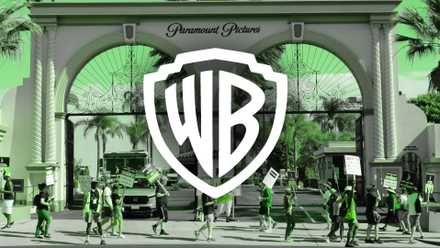
The primary fear among unions and creators is the "efficiency" that usually follows a mega-merger. With $111 billion in debt and assets to manage, the combined entity will be under immense pressure to cut costs. Historically, this has meant significant layoffs in creative departments, marketing teams, and distribution arms. The fear is that the "corporate synergy" promised to shareholders will come at the expense of thousands of jobs in Hollywood and beyond.
2. The Gaming Sector
Perhaps the most overlooked, yet potentially most transformative, aspect of the merger is the gaming division. Paramount Game Studios, a relatively new entity, would effectively gain control of some of the most storied intellectual property in the history of interactive entertainment. With the library of Warner Bros. Games—including the Batman: Arkham series, Mortal Kombat, and the various LEGO titles—the combined company would immediately become one of the most powerful players in the gaming industry. The DOJ’s statement notably avoided discussing this aspect of the merger, leaving many to wonder how this consolidation will affect developers and competition in the gaming space.
3. The Future of Content Distribution
If the DOJ is right, we are about to see a massive shift in how streaming services operate. A combined HBO Max and Paramount+ could theoretically leverage a library that spans decades of film history and prestige television, creating a platform that is nearly impossible to ignore. However, if the critics are right, this could lead to a "walled garden" effect, where consumer choice is limited to a few giant platforms that dictate prices and terms without fear of meaningful competition.
Conclusion
The DOJ’s approval is the strongest signal yet that the Paramount-Warner Bros. deal will likely move forward, but it has only intensified the debate over the future of the media industry. As the companies move toward a potential closing, they face a landscape where regulators are split, politicians are wary, and the creative workforce is bracing for a period of profound uncertainty.
The next few months will be critical. If the state-level legal challenges gain traction, we may yet see a protracted legal battle that tests the limits of antitrust law in the digital age. If they fail, the media landscape will be permanently altered, with a new corporate behemoth holding the keys to some of the most influential content brands on the planet. For now, the industry watches and waits, caught in the middle of a $111 billion shift that will define entertainment for a generation.