By Editorial Staff
Updated: September 8, 2026, 08:15 GMT
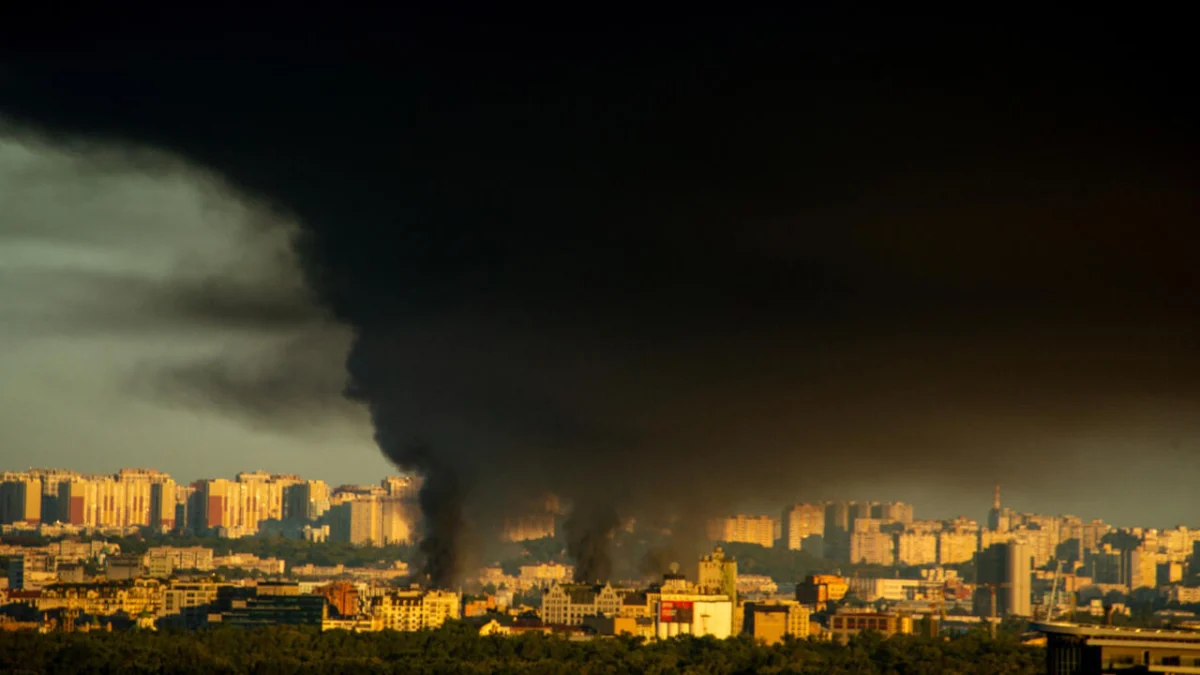
In a grim return to the reality of the ongoing conflict, Russia launched a significant wave of missile strikes against the Ukrainian capital, Kyiv, in the early hours of September 8, 2026. The bombardment marks the immediate resumption of hostilities following the expiration of a short-lived, three-day pause in aerial operations—a reprieve that had been ordered by President Vladimir Putin.
As smoke billowed over the city skyline, local authorities confirmed the devastating human toll: at least two civilians have been killed, and seven others have sustained injuries ranging from shrapnel wounds to blast trauma. The strikes have effectively ended the brief window of silence that had been cautiously monitored by international observers, signaling a hardening of Moscow’s stance even as high-level diplomatic efforts remain underway.
The Context: A Short-Lived Reprieve
The three-day cessation of strikes was widely viewed as a tactical maneuver—or perhaps a diplomatic opening—coinciding with the arrival of high-level envoys from the administration of United States President Donald Trump. Steve Witkoff and Jared Kushner, acting as special representatives for the U.S. executive, have been shuttling between Moscow and Kyiv in an intensive effort to bridge the chasm between the two warring nations.
For 72 hours, the skies over Kyiv remained quiet, offering a rare moment of respite for a population that has been subjected to relentless drone and missile campaigns for years. However, the expiration of the directive from the Kremlin has resulted in an immediate and violent reversion to the status quo.
Chronology: From Diplomatic Shuttle to Air Raid Sirens
The sequence of events over the last 96 hours has been a study in the volatile nature of the current geopolitical landscape.
- September 5: Reports emerged that President Putin had ordered a temporary halt to long-range missile strikes on major Ukrainian infrastructure, timed specifically to facilitate the movement of the U.S. delegation.
- September 6–7: Envoys Witkoff and Kushner held closed-door meetings in Moscow, followed by urgent consultations in Kyiv with Ukrainian leadership. The nature of these talks remained opaque, though sources suggested they centered on a potential framework for a ceasefire or a long-term settlement.
- September 8, 02:00 AM: The Kremlin’s pause order expired. Within minutes, the first air raid sirens began to wail across Kyiv.
- September 8, 03:15 AM: Residents reported hearing a series of thunderous explosions as cruise missiles intercepted the city’s outskirts and central districts.
- September 8, 04:00 AM: Ukraine’s State Emergency Service officially confirmed the initial casualty figures and the deployment of search-and-rescue teams to affected sites.
Official Responses and Strategic Implications
The international community has reacted with a mix of alarm and frustration. In Kyiv, the mood is one of stoic defiance. The city’s military administration issued a statement following the attacks, noting that while the air defense systems were active and engaged in neutralizing incoming threats, the density of the strike package resulted in unavoidable casualties.
"The enemy has demonstrated once again that their word holds no weight," stated a spokesperson for the Ukrainian Defense Ministry. "While our partners were attempting to find a path toward peace, Moscow was calibrating its targeting systems."
In Washington, the White House has yet to issue a formal statement regarding the resumption of the strikes, though sources close to the Trump administration suggest that the envoys—Witkoff and Kushner—remain in the region. The failure of the diplomatic "breathing room" to evolve into a more permanent cessation of violence poses a significant challenge to the current U.S. strategy of mediated diplomacy.
Supporting Data: The Cost of the Conflict
The resumption of strikes is not merely a military incident; it is a profound economic and humanitarian setback. Since the beginning of 2026, the cumulative damage to Ukraine’s energy infrastructure has been estimated in the billions of dollars. The strikes on September 8 targeted residential sectors, a shift that suggests a move to demoralize the urban population rather than strictly focusing on military-industrial targets.

According to data compiled by international monitoring groups:
- Civilian Toll: The death toll in Kyiv brings the total number of civilian casualties in the capital region alone to over 400 since the start of the current calendar year.
- Infrastructure: Preliminary reports indicate damage to three critical substations and two apartment complexes, leaving thousands without power as of dawn.
- Diplomatic Efficacy: The failure of the three-day pause has revived concerns among European allies that "shuttle diplomacy" may not be enough to deter Russian military aggression without a significant shift in the balance of power on the front lines.
Implications for Global Security
The events of September 8 suggest that the conflict has reached a critical juncture. The U.S.-led diplomatic mission was the most high-profile attempt to date to secure a negotiated exit from the conflict. By choosing to resume the bombing the moment the pause expired, Moscow has sent a clear message: military pressure remains its primary instrument of negotiation.
For the Ukrainian government, the challenge is twofold. First, they must continue to maintain the morale of a population exhausted by constant aerial threats. Second, they must navigate the delicate task of remaining at the negotiating table while their cities are under fire.
Analysts point to three potential outcomes in the coming weeks:
- The Escalation Scenario: Russia continues the strikes with increased intensity to force concessions during the current diplomatic window.
- The Stalemate Scenario: The U.S. envoys manage to negotiate a "harder" ceasefire that includes international monitors, though trust between the parties remains at an all-time low.
- The Collapse of Talks: If the current violence continues, it is highly likely that the U.S. delegation will be forced to suspend its mission, signaling a return to a purely military conflict with little prospect of a political resolution in the near term.
Humanitarian Concerns
As rescue workers continue to sift through the rubble of the damaged buildings in Kyiv, the human cost remains the most poignant aspect of the tragedy. For the people of Ukraine, the news that the strikes were linked to a "diplomatic pause" that ultimately failed adds a layer of cynicism to their suffering.
"We were told to hope for a few days," said a resident of a nearby district. "But the sky tells us the truth."
The international community, including the United Nations and various humanitarian NGOs, has called for an immediate cessation of hostilities to allow for the treatment of the wounded and the restoration of essential services. However, as of this morning, the sirens have largely fallen silent, leaving behind a city that is once again counting its losses and preparing for the next potential wave.
Conclusion: A Fragile Future
The situation in Kyiv remains fluid. The envoys Witkoff and Kushner are expected to brief the White House later today, and their assessment of the Russian leadership’s intent will likely determine the next phase of U.S. involvement in the region.
For now, the people of Kyiv are left with the cold reality of debris-strewn streets and the grim knowledge that diplomatic breakthroughs, however promising they may seem, are easily undone by the launch of a missile. The world watches with bated breath, waiting to see if the diplomatic process can survive the return of the war, or if the path to peace has been irrevocably shattered by the events of this morning.
For continuous updates, follow our liveblog coverage as we monitor the evolving situation in Kyiv and the progress of the U.S.-led diplomatic delegation.