Introduction: A Rare Moment of Vulnerability
In the high-octane world of professional mixed martial arts, the narrative of the "undefeated conqueror" is a fragile commodity. For years, Ilia "El Matador" Topuria operated under an aura of invincibility, a decade-long reign of dominance that saw him dismantle opposition with clinical precision. However, the veneer of perfection was shattered on June 6 at UFC Freedom 250, held in the historic setting of the White House.
In a fight that shocked the global sports landscape, Topuria—the heavy betting favorite—suffered a brutal defeat at the hands of the relentless Justin Gaethje. For nearly three months, the silence from the former champion’s camp was deafening. This week, however, that silence was broken in the most unexpected way: a poignant, deeply personal video letter addressed to his son, Hugo. In this raw admission, Topuria revealed that his most painful loss was not merely a tactical failure, but a profound masterclass in the true definition of character.
The Chronology of a Disrupted Legacy
To understand the gravity of Topuria’s current reflection, one must look back at the trajectory of his career leading up to the night at the White House.
The Unblemished Decade:
For over ten years, Topuria stood as a titan in the featherweight and lightweight divisions. With 17 consecutive professional victories, he wasn’t just winning; he was finishing. His technical proficiency, coupled with an iron-willed temperament, led many pundits to label him the future of the sport.
The UFC Freedom 250 Fallout:
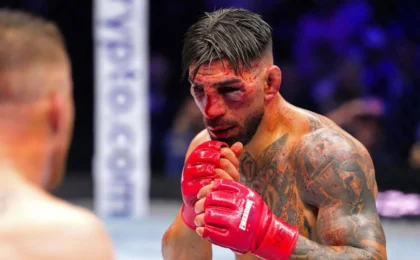
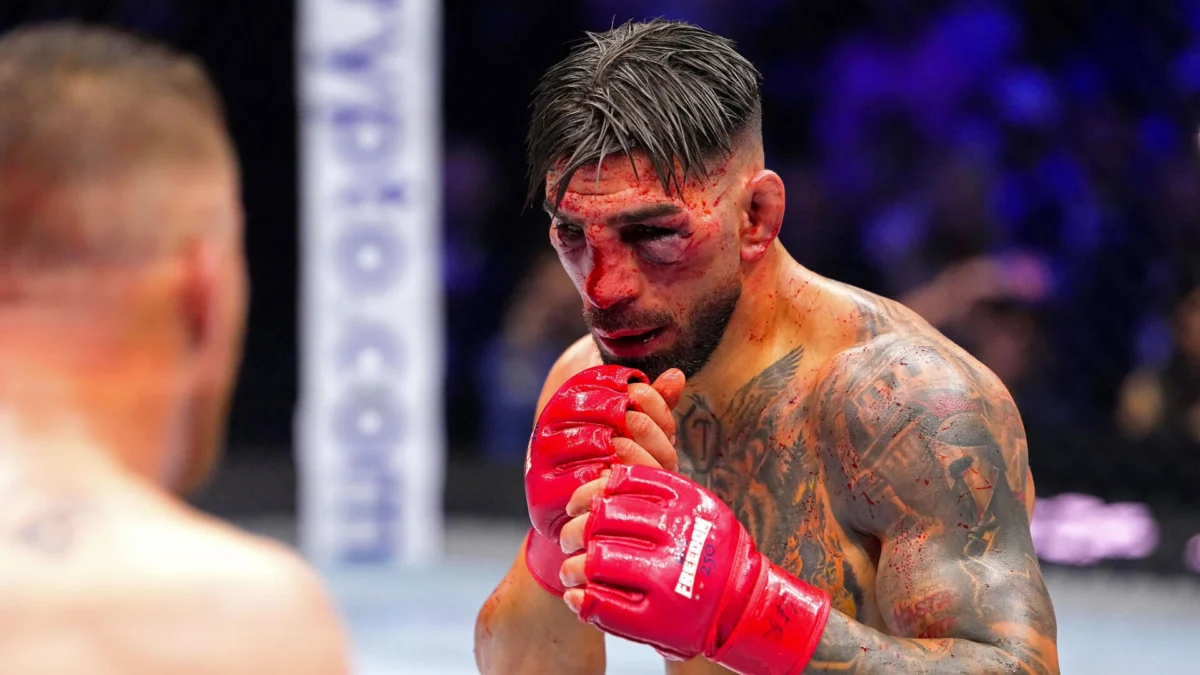
On the evening of June 6, 2026, the expectations were monumental. As the main event at the White House, the stakes were higher than ever. From the opening bell, Gaethje—a fighter known for his "Human Highlight Reel" reputation—employed a pressure-heavy strategy that neutralized Topuria’s rhythm. The culmination of the bout saw Topuria suffer non-displaced fractures in both orbital bones, an injury report later confirmed by the Spanish outlet Marca.
The Period of Silence:
Following the fight, Topuria retreated from the public eye. While rumors swirled regarding his physical recovery and his mental state, the former champion remained silent. It was not until September 4, 2026, that he chose to communicate with his fans, opting for a narrative format that prioritized his identity as a father over his identity as a fighter.
Supporting Data: The Cost of the Conflict
The physical toll of the Gaethje bout serves as a stark reminder of the brutality inherent in championship-level MMA. The injuries sustained by Topuria are significant. According to medical reports cited by Marca, the bilateral orbital fractures were not just a byproduct of the loss but a testament to the intensity of the exchange.
- The Fighter’s Profile: 17-1 record prior to UFC Freedom 250.
- The Injury: Non-displaced fractures in both orbital bones.
- The Recovery: A three-month hiatus from all media and public training footage.
- The Philosophical Shift: A move away from focusing on "winning" statistics toward "character-based" metrics.
These data points illustrate a transition from a fighter who defined himself by the scoreboard to a human being redefining his worth through resilience.
Official Responses and the "Letter to Hugo"
The video released on Friday is a significant departure from the typical trash-talking or post-fight analysis common in UFC culture. Instead, it is a piece of vulnerable cinematography.
"Hugo, I’ve been thinking about you these past two days," Topuria narrated over footage of his training and family life. "About what you felt when you saw me go down. I know it hurt you, and as your dad, I would’ve done anything to spare you from that moment. But I’m also glad we went through it together because that day made us both stronger."
This internal monologue highlights a shift in Topuria’s perspective. He acknowledges that he sought the "lesson" behind the loss rather than the "excuse" for it. By framing his defeat as a divine or cosmic test, he removes the sting of ego that usually plagues fighters who lose their status as "the man to beat."
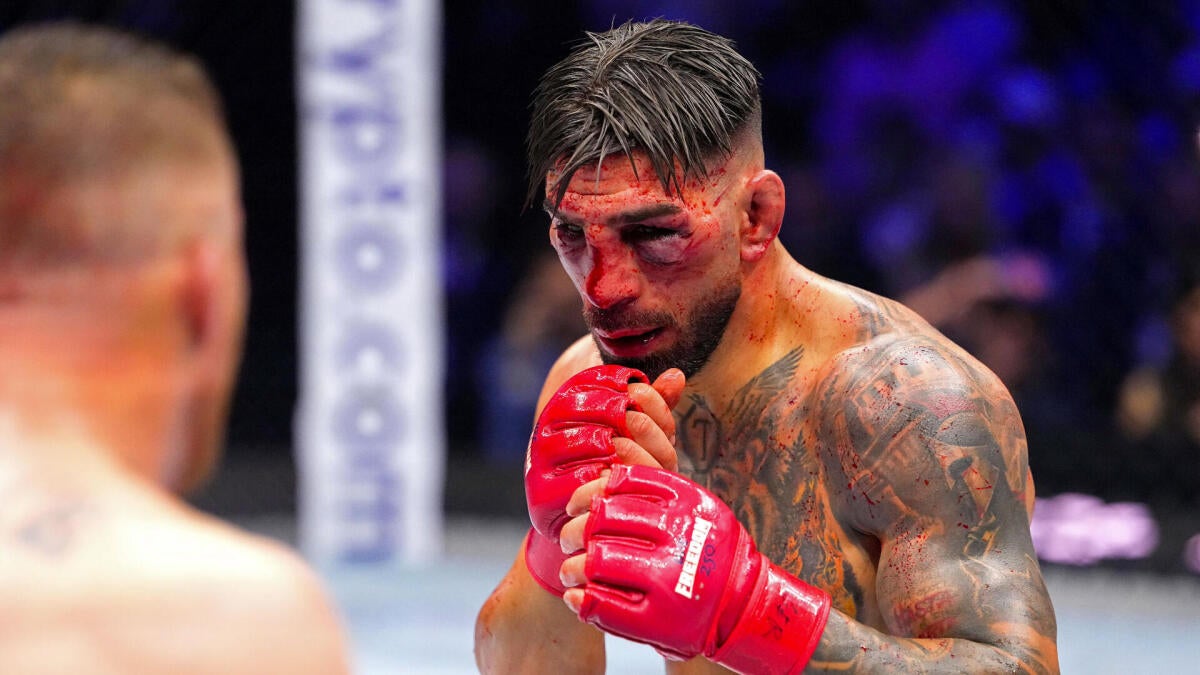
"I think God wanted me to go through that moment to teach me something no victory ever could," Topuria continued. "Character doesn’t show up when everything’s going your way. It shows up when life throws its hardest day at you."
Implications: The Future of "El Matador"
The implications of this letter are twofold: it signals a change in Topuria’s fighting philosophy and potentially changes the trajectory of his career.
1. The Psychological Pivot:
Topuria has explicitly stated that he wants his son to be "never afraid to lose." This suggests that the former champion is shedding the paralyzing fear of defeat that often forces fighters to play it safe. A liberated Ilia Topuria, one who has already experienced his "worst-case scenario" and survived, may become a more dangerous, aggressive, and unpredictable competitor in the cage.
2. A New Standard for Championship Behavior:
In an era where "winning at all costs" is the mantra of the sports world, Topuria’s admission—that he is "stronger than I was before" specifically because he lost—is a paradigm shift. It challenges the toxic obsession with the "undefeated" status that often forces athletes to retire early or avoid risky matchups to protect their record.
3. The Physical Recovery:
While the letter focuses on the spirit, the medical reality remains. The recovery from orbital fractures is delicate. Topuria’s return to the octagon will be heavily monitored by medical commissions. However, his focus on character suggests that he is not looking for a "tune-up" fight to pad his stats, but is interested in the evolution of his craft.
The Philosophical Weight of Defeat
In the concluding moments of his address, Topuria offers a manifesto for his son—and by extension, his fans—that transcends the sport of MMA. "Character is the one victory no one can ever take away from you."
This sentiment is the core of the new Topuria brand. He is moving away from the persona of the untouchable gladiator and toward a role as a resilient mentor. For the UFC, this adds a layer of depth to one of its most prominent stars. Fans who once cheered for his dominance may now find themselves rooting for his redemption.
The "darkness" Topuria speaks of—the moment the fight was stopped, the moment his orbital bones shattered, the moment his undefeated status ended—is now a part of his narrative arc. By owning that moment, he has effectively neutralized the stigma of his loss.
Conclusion: The Road Ahead
As the dust settles on UFC Freedom 250, the story of Ilia Topuria has shifted from a tragedy of a fallen star to a story of human growth. While the MMA world awaits news of his next fight, the real intrigue lies in what this version of Topuria will look like. Will the man who no longer fears the "darkness" of defeat be more volatile? Will he be more calculated?
What is certain is that Topuria has successfully redefined his legacy. He is no longer just a fighter with a perfect record; he is a man who has looked at failure, embraced it, and extracted the only thing that truly matters in the arena: the knowledge that he is capable of getting back up. For Hugo, and for the legion of fans watching, this may be the most important fight of Ilia Topuria’s life—and one he appears to have won decisively.