By Cameron Salerno | June 25, 2026
The 2026 NBA Draft has concluded at the Barclays Center in Brooklyn, a two-day spectacle that saw the professional dreams of 60 basketball prospects realized. From the marquee selection of BYU phenom AJ Dybantsa at No. 1 overall by the Washington Wizards to the final buzzer, where the Milwaukee Bucks tabbed Malique Lewis at pick No. 60, the draft served as a reminder of the volatility inherent in talent evaluation.
While the first round unfolded with relative predictability, the second round provided the chaotic, heart-wrenching narratives that define the NBA’s draft ecosystem. For every player who heard their name called, there were dozens of others—standouts on the college hardwood—who were left waiting by the phone. As the dust settles, these "snubs" are already pivoting, proving that for many of basketball’s brightest young stars, going undrafted is merely a detour, not a dead end.
The Landscape of the 2026 Draft: A Two-Day Rollercoaster
The 2026 event was characterized by a deep talent pool, making the exclusion of certain players from the draft board particularly striking. The first day established a rhythm, but Day 2 introduced significant surprises. Notable prospects who were projected to hear their names called, such as Duke’s Isaiah Evans, Arkansas’ Meleek Thomas, and North Carolina’s Henri Veesaar, found themselves on the outside looking in.
Veesaar’s slide to the 52nd pick was perhaps the most jarring development of the weekend, a stark reminder that team needs and individual workouts often outweigh raw collegiate production in the eyes of front offices. The reality for these prospects is harsh: in an era of lucrative Name, Image, and Likeness (NIL) deals, the decision to declare for the draft early is a high-stakes gamble. For players like Evans, Thomas, and Veesaar, the missed draft opportunity represents a potential financial loss compared to the stability of another year of NIL income.
Chronology: The Shift from Draft Night to Free Agency
The transition from the draft floor to the free-agent market is lightning-fast. As the 60th pick was announced, a secondary market—often just as aggressive as the draft itself—opened. Within minutes of the final selection, agents and NBA general managers began finalizing two-way contracts and Exhibit-10 deals.
- The Immediate Aftermath: Almost as soon as the draft concluded, teams like the Lakers, Heat, and Thunder were active, securing high-upside prospects to bolster their G-League rosters and training camp invites.
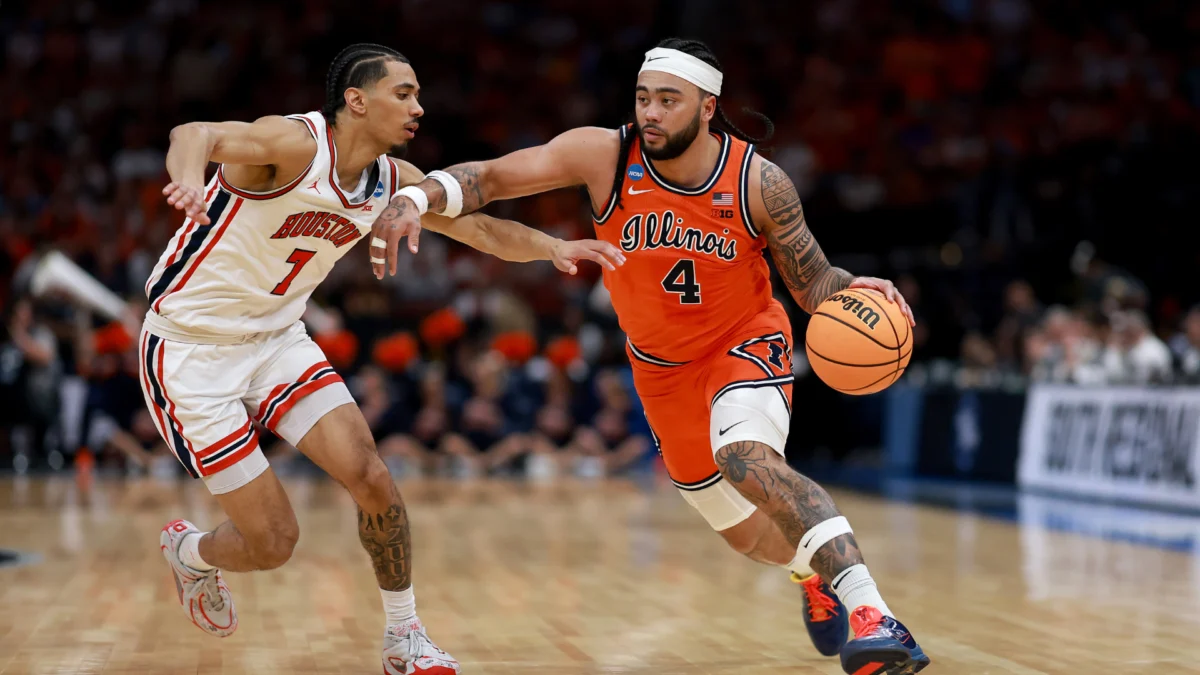
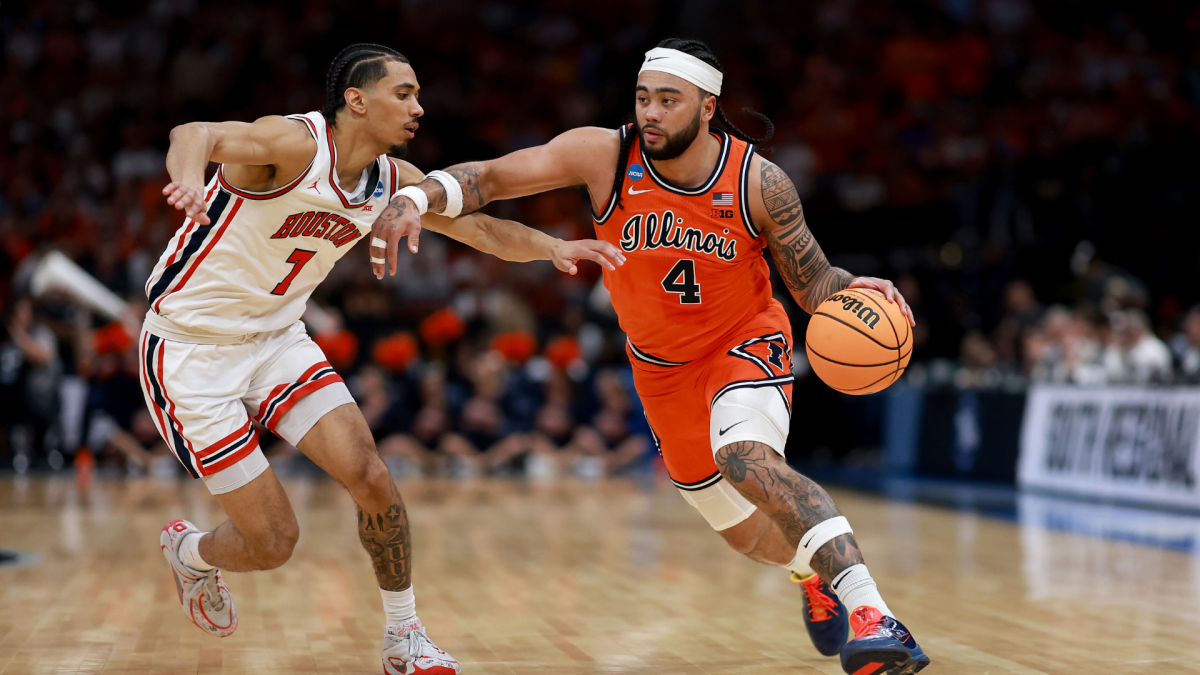
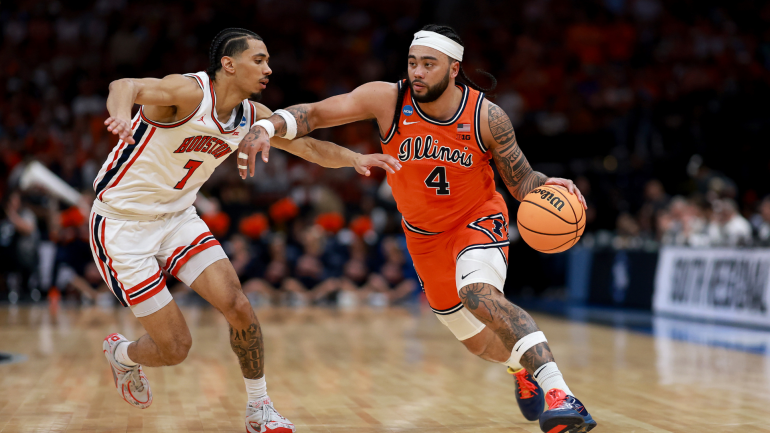
- The "Big Board" Vacuum: Players like Kylan Boswell, an anchor for the Illinois Final Four team, and Houston’s Milos Uzan, who bypassed last year’s draft to refine his game, remained on the board. Their omission from the 60-pick sequence serves as a case study in how modern scouts prioritize specific skill sets over overall collegiate legacy.
- The Scramble: By early Thursday morning, a significant portion of the undrafted talent pool had already secured professional homes. The race for these players is not merely about talent; it is about finding the right "fit" for an organization’s developmental pipeline.
Supporting Data: Identifying the Snubs
The following breakdown highlights the players who were identified by the CBS Sports Big Board as top-tier talent but failed to hear their names called during the draft process.
Top Undrafted Prospects (Big Board Rankings)
| Rank | Player | School | Position |
|---|---|---|---|
| 46 | Kylan Boswell | Illinois | PG |
| 47 | Milos Uzan | Houston | PG |
| 52 | Aaron Nkrumah | Tennessee State | SG |
| 54 | Keyshawn Hall | Auburn | SF |
| 55 | Nate Bittle | Oregon | C |
| 60 | Quadir Copeland | NC State | PG |
| 64 | Tucker DeVries | Indiana | SF |
| 76 | Graham Ike | Gonzaga | C |
These rankings illustrate a clear trend: point guards and versatile wings were among the most prominent players left on the board. For scouts, these players represent "value buys"—talent that was vetted thoroughly but ultimately pushed out by teams prioritizing specific positional needs or draft-and-stash international candidates.
Official Responses and Strategic Signings
NBA franchises have become increasingly sophisticated in how they treat the undrafted market. Instead of viewing these players as "leftovers," teams now treat the hours following the draft as an extension of the selection process.
Key Undrafted Signings
| Player | College | NBA Team | Contract Type |
|---|---|---|---|
| AK Okereke | Vanderbilt | Lakers | Two-way |
| Tre Donaldson | Miami | Heat | Two-way |
| Josh Dix | Creighton | Thunder | Two-way |
| Quadir Copeland | NC State | Rockets | Two-way |
| Rafael Castro | George Washington | Bucks | Two-way |
| KeShawn Murphy | Auburn | Wizards | Exhibit-10 |
The prevalence of "Two-Way" contracts highlights a shift in team philosophy. NBA teams want to keep these players within their ecosystem, allowing them to bridge the gap between the G-League and the main roster without taking up a full-time spot on the 15-man active roster.

Implications: The Road Ahead for the Undrafted
What does it mean for a player to be undrafted in 2026? Historically, the stigma was immense. Today, it is a different story. The success of players like Fred VanVleet and Alex Caruso has paved the way for a new generation to view the undrafted route as a legitimate path to stardom.
1. The Summer League Catalyst
The upcoming NBA Summer League in Las Vegas will serve as the true proving ground. For players like Kylan Boswell and Milos Uzan, these games are not exhibitions; they are job interviews. A standout performance in July can earn a player a standard contract, effectively bypassing the uncertainty of the developmental league.
2. The Economics of the Modern Prospect
The NIL era has changed the leverage dynamics. Players who are not projected to be first-round picks now have to weigh the opportunity cost of leaving school. If a player cannot secure a guaranteed contract, they may opt for another year of college, where they can earn significant money while improving their draft stock. This year’s class features several players who may have been better served by staying in school, but the allure of the NBA is a powerful force that often overrides fiscal prudence.
3. Developmental Philosophy
NBA organizations have shifted their focus toward long-term development. By signing players to Exhibit-10 deals—non-guaranteed contracts that allow teams to retain rights—franchises are essentially creating their own "private colleges." They can nurture these players in the G-League, refining their shooting mechanics and defensive rotations, and calling them up only when they are ready to contribute at the highest level.
Conclusion: Resilience as a Skill Set
The 2026 NBA Draft, while a celebration for the 60 men who were drafted, is also a story of resilience for those who were not. Basketball history is replete with legends who were overlooked on draft night. The players listed in this report now face a daunting task: they must prove that the scouts and the 30 general managers were wrong.
As these prospects head to summer camps and mini-camps, they carry the weight of their collegiate success and the hunger of being "snubbed." In the modern NBA, where depth is essential and the talent gap between the bottom of the first round and the top of the undrafted pool is thinner than ever, the opportunity for these players to make an impact is real.
For the fans and the scouts, the next few weeks will be critical. We will watch these undrafted free agents closely, waiting to see who among them will emerge as the next diamond in the rough. The draft may have ended on Wednesday, but for these young men, the real work is only just beginning. The path to the NBA is rarely a straight line, and for this year’s undrafted class, the detour might just lead them exactly where they wanted to go all along.