In the hyper-saturated landscape of modern gaming, where digital storefronts are flooded with hundreds of new releases every week and social media algorithms bury indie gems under a mountain of marketing noise, the task of discovery has become a full-time job. For the average player, keeping track of the next big indie darling or the latest innovative strategy title is an exercise in futility. Recognizing this disconnect between developer output and player awareness, we are proud to introduce Wishlister, a weekly editorial initiative dedicated to cutting through the clutter.
Every Tuesday, we deliver a curated newsletter—and every Friday, a comprehensive site breakdown—highlighting the most promising titles hitting Steam. Our goal is simple: to ensure that the games you will eventually love don’t slip through the cracks of your memory.
The Gamescom 2026 Aftermath: A New Wave of Anticipation
The timing of this launch could not be more auspicious. The industry has just emerged from a frantic and content-heavy Gamescom 2026 in Germany. The event served as a massive pressure cooker for the gaming world, delivering a deluge of trailers, deep-dive presentations, and surprise announcements during high-profile showcases like Opening Night Live and the Future Games Show.
For many, the sheer volume of information provided during the event proved overwhelming. It is easy to walk away from a week of rapid-fire trailers with a blurred sense of what actually looks playable versus what is merely cinematic polish. As we look at the current Steam horizon, we have identified six titles that emerged from the chaos of Gamescom not just as announcements, but as essential additions to your "must-watch" list.
1. Pony Island 2: Panda Circus
The Evolution of the Surreal
Daniel Mullins, the mastermind behind the genre-bending, meta-narrative masterpiece Inscryption, has long established himself as an auteur of the unexpected. Following his massive mainstream success in 2021, many wondered if the industry’s pressures would soften his jagged, experimental edges.
The reveal of Pony Island 2: Panda Circus confirms that success has only emboldened his creative volatility. Described by the studio as a "phantasmagorical voyage through time, myth, divinity, and video games," the title defies traditional genre categorization. While Inscryption played with the mechanics of card games and escape rooms to trap the player in a psychological narrative, Panda Circus appears to be leaning into a wider, more chaotic scope. It is an unclassifiable experience that demands to be played blind.
Implications: Mullins has become the standard-bearer for "meta-games." By keeping this on your wishlist, you aren’t just tracking a release; you are positioning yourself to be among the first to decode the next great puzzle in indie gaming.
2. Acornia: Mirror Worlds
A Genre-Hopping Masterpiece in the Making
Splashteam, the studio that earned critical acclaim for the charming, Pikmin-inspired Tinykin, is pivoting toward a bold new experiment. Acornia: Mirror Worlds was arguably the breakout surprise of the Gamescom pre-show.
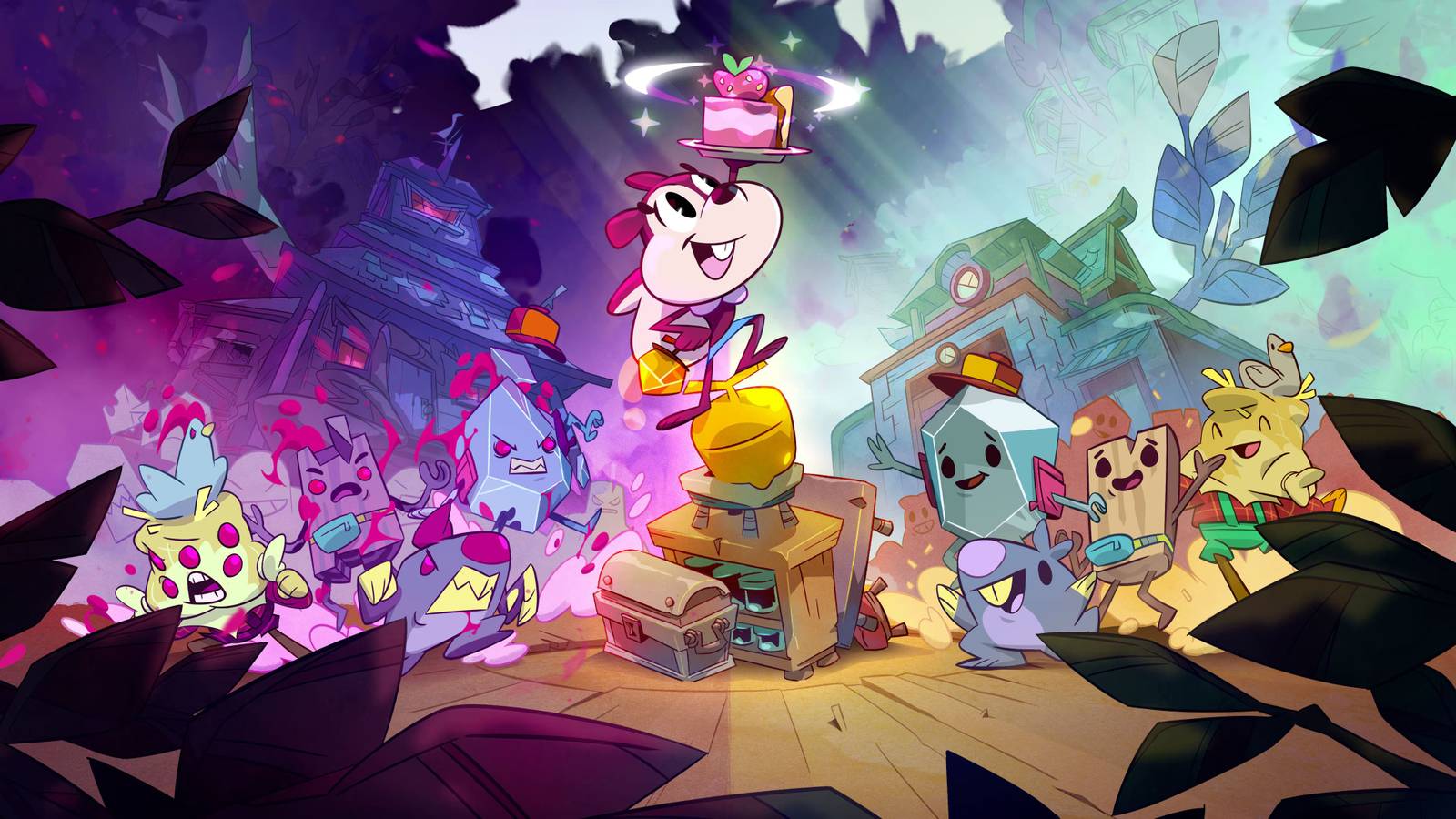
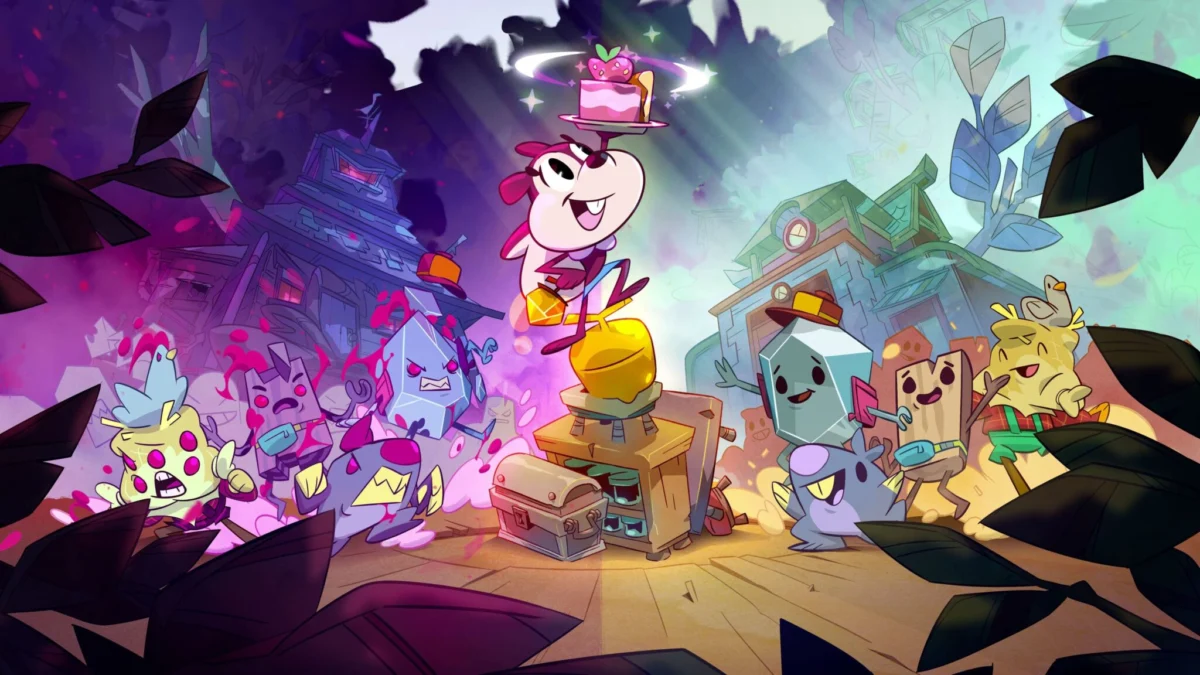
The game presents an intriguing architectural hybrid: it functions simultaneously as an action-platformer, a card collector, and—perhaps most curiously—a bakery management simulation. Following the protagonist, an adorable squirrel named Alva, players utilize a unique projectile-based combat system where ammunition is stored directly in the character’s cheeks. The visual language is bright, inviting, and deceptively simple, masking a complexity that suggests a deep, interconnected set of systems.
Supporting Data: The pedigree of Splashteam is significant. Tinykin succeeded because it mastered the "cozy-yet-precise" platforming feel. If Acornia can marry that level of mechanical polish with the complexity of a management sim, it stands to be a landmark title for the studio.
3. Dungeons & Dragons: Long Rest Tavern
The Coziness of the Campaign
The Dungeons & Dragons brand is often synonymous with high-stakes combat, dragon-slaying, and epic narrative stakes. However, the most memorable moments in any TTRPG campaign are often the quiet ones: the downtime spent in the tavern, the inventory management, and the roleplay between bouts of violence.
Dungeons & Dragons: Long Rest Tavern takes the bold approach of focusing entirely on that downtime. This is a cozy management sim where the goal is not to defeat a lich, but to ensure that the adventurers who visit your establishment are fed, rested, and equipped for their next quest. By shifting the perspective from the hero to the proprietor, the developers are tapping into the current market hunger for "low-stakes, high-immersion" management games.
4. RollerCoaster Tycoon Wonderworks
A Legacy Franchise in Modern Hands
The RollerCoaster Tycoon brand is legendary, carrying decades of nostalgia for PC strategy fans. However, the series has struggled to maintain its footing in recent years. Enter Springloaded, the developer behind the cult-hit Let’s Build a Zoo.
RollerCoaster Tycoon Wonderworks is not just another sequel; it is a fundamental reimagining of the series’ core systems. Springloaded is known for its signature brand of off-beat humor and deep, systems-heavy management. By pairing this studio with the iconic IP, the publishers are signaling a return to the series’ roots of creative, chaotic simulation.
Official Response: While details remain tight, early previews suggest that the game focuses on the "creative soul" of park building rather than just the spreadsheet-heavy logistics that plagued some of the series’ later entries.
5. Murals
Dlala Studios’ Original Vision
After the massive success of Disney Illusion Island, a title that showcased the studio’s ability to handle high-profile, established intellectual properties with grace, Dlala Studios is finally turning its attention to an original project.

Murals is a hack-and-slash action game set in a fantasy world that has been twisted by corrupted fairytales. The art style—a hallmark of Dlala’s work—is uniquely illustrative, giving the isometric action a storybook quality that feels fresh in a genre often dominated by dark, gritty aesthetics. This title represents a crucial pivot point for the studio, moving from "work-for-hire" prestige to becoming an independent creative force.
6. Lego Skylines
The Intersection of Creativity and Complexity
Lego Skylines feels like an inevitable collision of two massive cultural juggernauts. By merging the modular, tactile nature of Lego bricks with the deep, sprawling urban simulation of the Cities: Skylines series, the developers have created a concept that feels both familiar and revolutionary.
Unlike most city-builders that can feel intimidating to the uninitiated, Lego Skylines aims to be an approachable entry point. However, early reports indicate that the "Lego" aesthetic does not come at the cost of depth. The game retains the structural complexities of a high-end simulator, allowing players to build entire metropolises that look like they could be plucked from a living room rug and held in the hand.
The Strategic Importance of the Wishlist
For the modern developer, a Steam wishlist is the most vital metric in the industry. It is the primary signal to the Steam algorithm that a game has momentum. When you add a game to your list, you are not just bookmarking a purchase; you are actively contributing to the visibility of that project.
As we move forward with the Wishlister newsletter, our mission remains to provide you with the data needed to make informed decisions before the launch day hype cycle takes over. Whether you are looking for the next cozy management sim or a complex, experimental title like Pony Island 2, our goal is to ensure your library is prepared for the best the industry has to offer.
Join us next week as we continue to track the titles that matter, ensuring you never miss a beat in the evolving world of PC gaming.