In a highly charged courtroom proceeding in Provo, Utah, a preliminary hearing for 23-year-old Tyler Robinson—the man accused of assassinating conservative activist and Turning Point USA founder Charlie Kirk—concluded with all charges being bound over for trial. The decision, handed down by 4th District Court Judge Tony Graf Jr. on Tuesday, September 1, 2026, ensures that Robinson will face a trial for aggravated murder, a capital offense in Utah that carries the possibility of the death penalty.
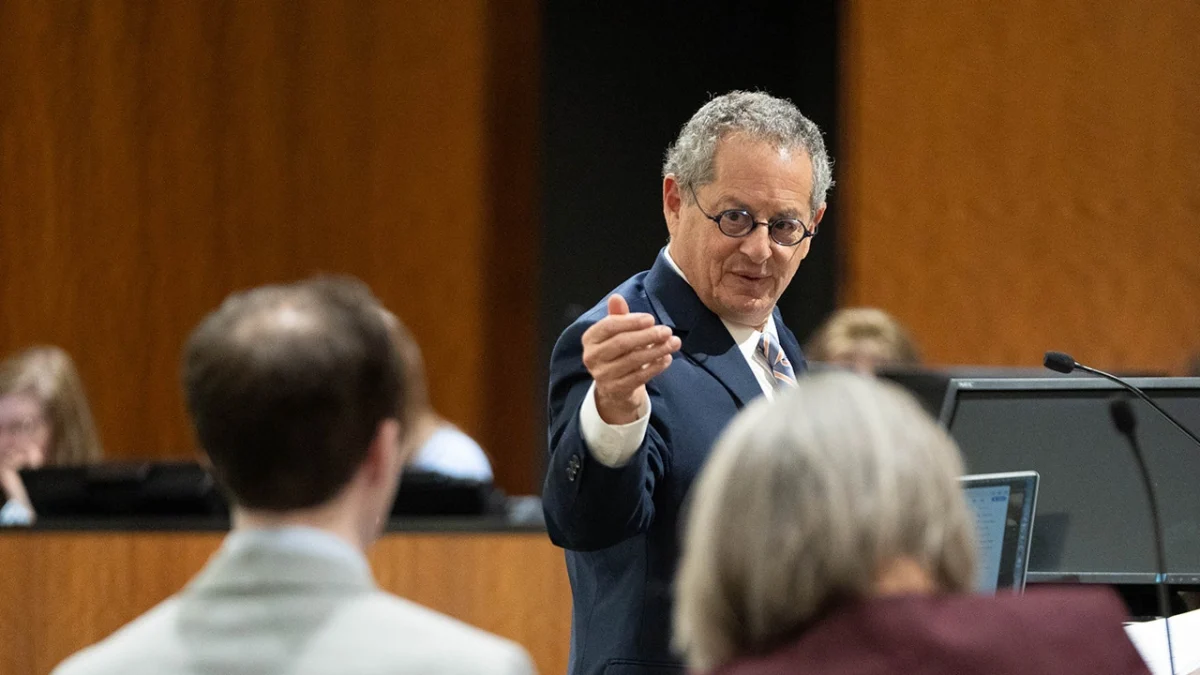
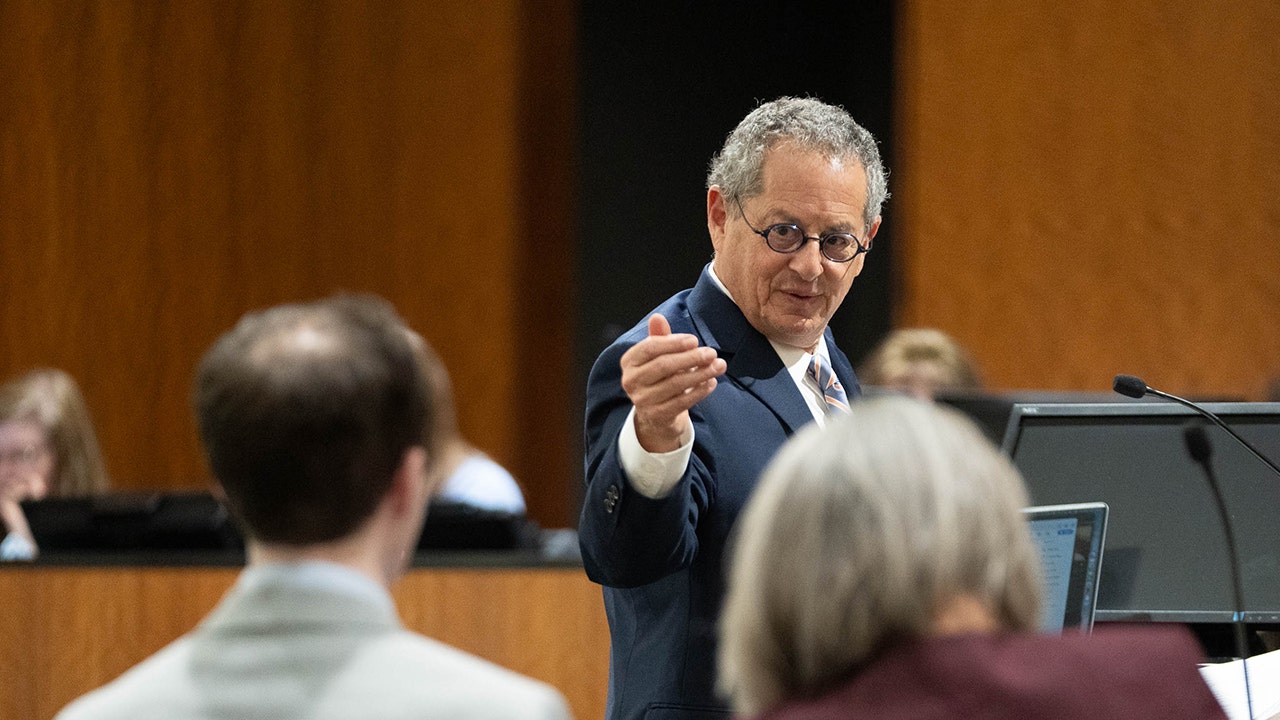
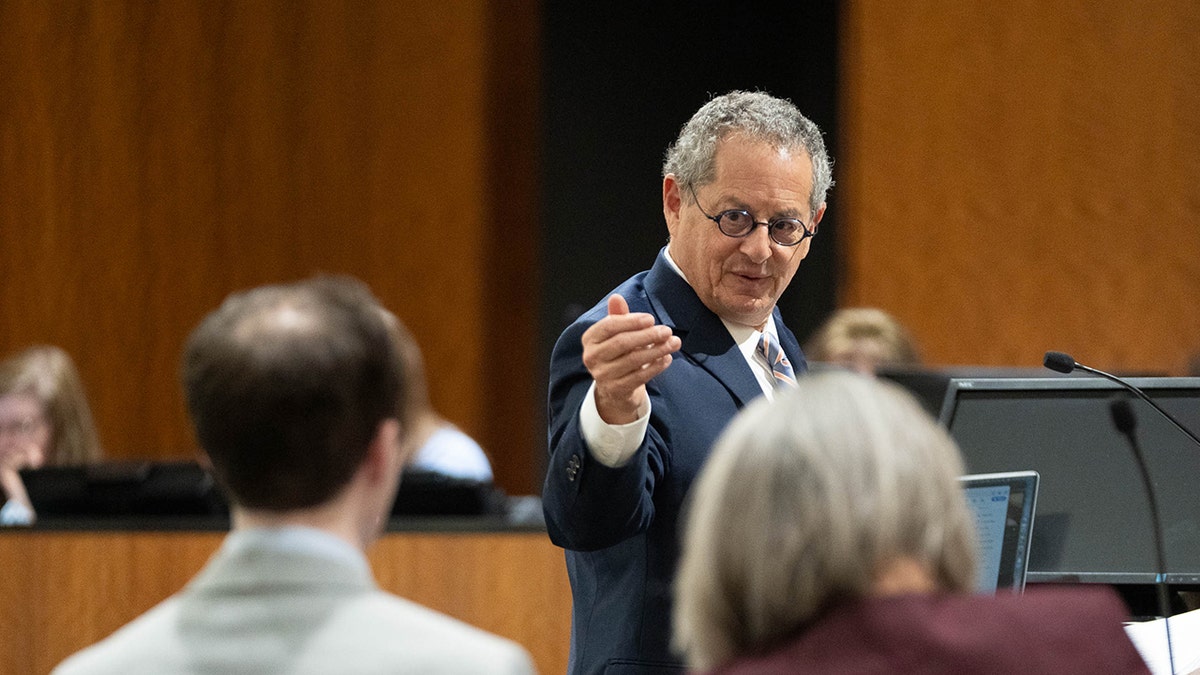
While the legal outcome of the hearing was expected given the state’s extensive evidence, the proceedings sparked intense controversy and emotional outpourings due to the defense’s argumentative strategy. California-based defense attorney Richard Novak drew sharp condemnation from prosecutors, victim advocates, and outside legal observers for remarks that appeared to blame the victim, painting the 31-year-old Kirk as a purveyor of "hate" prior to his death.
Kirk, a prominent national political figure, author, and father of two, was shot and killed on September 10, 2025, while addressing thousands of onlookers during an outdoor public speaking event at Utah Valley University (UVU) in Orem, Utah. The assassination, captured on multiple mobile devices and broadcast streams, sent shockwaves through the national political landscape.
During his closing arguments, Novak attempted to block the case from moving to trial by arguing that there was a "significant gap" between Kirk’s public positions and Robinson’s personal beliefs, claiming that Kirk "spoke hatefully of certain groups of people." The remarks provoked immediate distress among Kirk’s family members in attendance—including his widow, Erika Lane Frantzve, and his parents, Kathryn and Robert Kirk—and prompted swift, stern rebuttals from the prosecution and the family’s legal representative.
Chronology of Events
The legal battle and the tragic events leading up to the September 2026 preliminary hearing span a year of intense investigation, grief, and high-stakes courtroom maneuvers.
September 10, 2025: The Assassination at Utah Valley University
Charlie Kirk arrived at the UVU campus in Orem, Utah, as part of Turning Point USA’s high-profile "American Comeback Tour." The outdoor event drew thousands of students, supporters, and counter-protesters. While Kirk was speaking at the podium, a shooter, later identified by authorities as Tyler Robinson, opened fire from the crowd with a rifle. Kirk was struck and killed. The sudden violence triggered mass panic on campus, leading to an immediate lockdown and a swift response from local, state, and federal law enforcement agencies.
Following a rapid manhunt, law enforcement apprehended Robinson, a resident of the area. Investigators quickly uncovered key physical and digital evidence, including incriminating text messages sent to Robinson’s roommate and romantic partner, Lance Twiggs. Twiggs became a central figure in the state’s investigation, cooperating with authorities and providing critical insights into Robinson’s mindset, planning, and alleged confession.
July–August 2026: Pretrial Maneuvers and Death Penalty Disputes
As the case wound its way toward a preliminary hearing, Robinson’s defense team filed motions attempting to take the death penalty off the table. Meanwhile, prosecutors compiled a sprawling discovery file, framing the case as a premeditated, politically motivated assassination.
September 1, 2026: The Preliminary Hearing and Binding Over
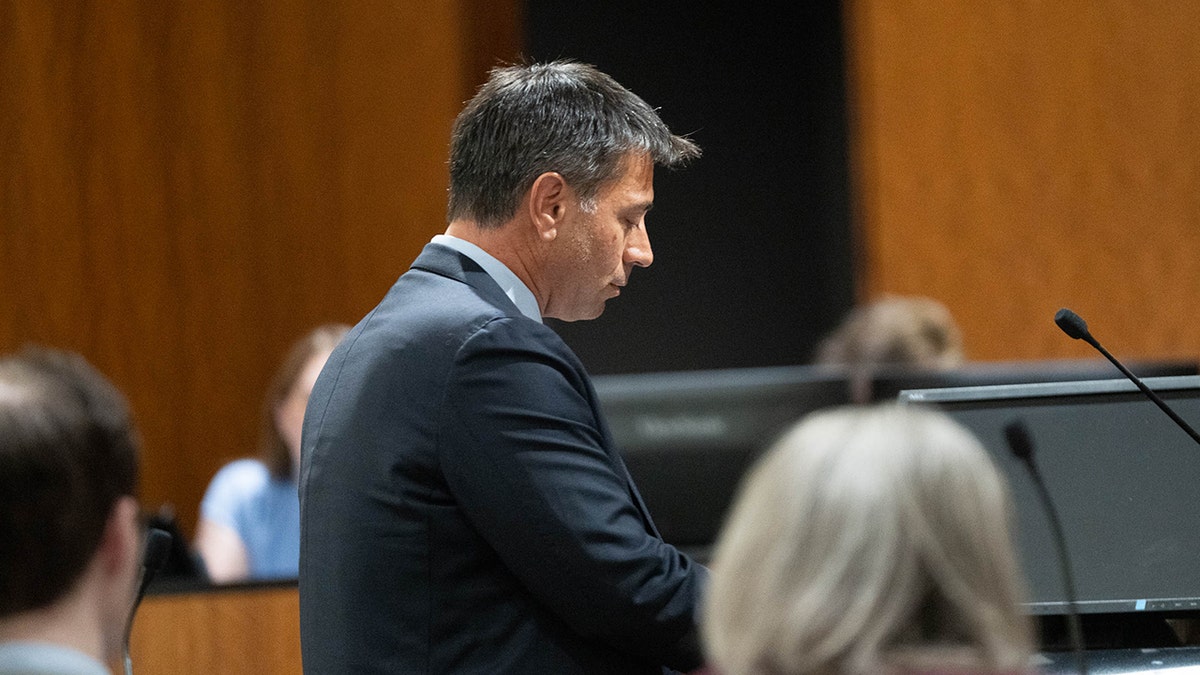
The preliminary hearing culminated in Provo’s 4th District Court. After listening to testimony regarding Robinson’s text messages, witness accounts, and forensic evidence, Judge Tony Graf Jr. heard closing arguments. It was during these arguments that defense attorney Richard Novak accused Kirk of spreading hate. Despite the defense’s objections, Judge Graf found sufficient probable cause and bound Robinson over for trial on all charges, including capital-eligible aggravated murder. Defense attorney Kathy Nester entered not guilty pleas on Robinson’s behalf.
October 23, 2026: Upcoming Pretrial Conference
The court scheduled a pretrial conference for late October, during which Judge Graf is expected to establish a timeline for motion hearings and tentatively set a date for the criminal trial.
Supporting Data and Evidence
The prosecution’s case against Robinson rests on a robust foundation of digital forensics, eyewitness testimony, and physical evidence. Chief among these items are the electronic communications recovered from Robinson’s phone, which prosecutors argue establish clear premeditation and a political motive.
The Text Message Confessions
According to investigative reports and court testimony, Robinson sent a series of highly revealing text messages to Lance Twiggs immediately following the shooting. In these messages, Robinson allegedly confessed to the killing, explained his ideological motive, and expressed a desire to evade capture:
On Motive: "Why did I do it? I had enough of his hatred. Some hate can’t be negotiated out."
On Premeditation and Concealment: "If I am able to grab my rifle unseen, I will have left no evidence."
The Role of Lance Twiggs
Twiggs’ testimony has been a cornerstone of the prosecution’s evidentiary narrative. During the preliminary hearing, transcripts and audio from Twiggs’ explosive interviews with law enforcement were played in court. These records detail how Robinson allegedly planned the attack, purchased the firearm, and expressed growing hostility toward conservative speakers visiting college campuses.
Legal Standard of a Preliminary Hearing
Legal analysts pointed out that the defense’s aggressive posture during the hearing was highly unusual given the low evidentiary threshold required at the preliminary stage. In Utah, a preliminary hearing is not designed to determine guilt beyond a reasonable doubt; rather, the state must only demonstrate "probable cause"—a reasonable belief that a crime was committed and that the defendant committed it.
Because the standard of proof is low, defense attorneys rarely mount exhaustive, highly controversial arguments attacking the victim’s character at this stage, as such strategies are unlikely to prevent a bind-over and risk alienating both the judge and potential future jurors.
Official Responses and Courtroom Reaction
The defense’s decision to characterize Charlie Kirk’s speech as "hate" drew immediate condemnation from the prosecution table, the victim’s family, and independent legal experts.
Prosecution’s Rebuttal
Chief Deputy Utah County Attorney Chad Grunander delivered a sharp response to Novak’s claims during his rebuttal argument. Grunander argued that Novak was conflating political and religious discourse with actual hatred, and that the defense’s argument ironically validated the state’s theory of the crime.
"The state takes great exception with Mr. Novak attributing all of this ‘hate’ to Mr. Kirk during his argument today," Grunander told the court. "None of what was presented during the preliminary hearing [shows] that he is hateful towards this group or hateful towards that group. He had an opinion that he would express on politics and religion. That doesn’t make it hate, but the fact that Mr. Novak even considered it as hate makes the case for the state—in his client’s own words, he hated what Mr. Kirk stood for."
Victim Family Representation
Jeffrey Neiman, the attorney representing the Kirk family, addressed the court to defend the deceased’s legacy and redirect the definition of "hate" to the violent act itself. Neiman emphasized that Kirk’s public career was dedicated to robust debate, not violence.
"Charlie was the opposite of hate," Neiman asserted. "Firing a bullet into a crowd and assassinating him. That is hate."
During Novak’s presentation, members of the Kirk family were visibly shaken. Witnesses in the courtroom observed Kirk’s widow, Erika, and his parents exchanging distressed looks. At one point, Erika Kirk leaned forward to speak directly with an aide from the county attorney’s office, highlighting the emotional toll of the defense’s strategy.
Independent Legal Commentary
Outside the courtroom, defense analysts criticized Novak’s tactics as unprofessional and strategically flawed. David Gelman, a New Jersey-based criminal defense attorney and former prosecutor who has closely monitored the proceedings, expressed astonishment at the defense’s conduct.
"I think what the defense attorney said regarding Charlie Kirk and that he was full of hate, that was so unprofessional," Gelman said. "That was so out of left field that he honestly—he should be embarrassed of what he said."
Gelman added: "You don’t ever, and I mean ever, say that—No. 1, as a defense attorney or a prosecutor, especially not even at a trial. If you want to paint Charlie as a bad person in front of the jury, knock your socks off. Do whatever you think you have to do. But to do that at a preliminary hearing… when you have the victim’s family all there, that was totally uncalled for."
Implications and the Road to Trial
The assassination of Charlie Kirk and the subsequent prosecution of Tyler Robinson carry profound implications for the American legal system, political discourse, and the safety of public figures.
Political Violence and the First Amendment
The case represents a grim milestone in the radicalization of political discourse in the United States. Kirk’s death underscores the growing danger faced by political commentators, activists, and speakers of all ideological persuasions on college campuses and public forums. The defense’s attempt to use Kirk’s conservative speech as a mitigating factor or a challenge to the bind-over has sparked intense debate over whether "hate speech" rhetoric is being weaponized to excuse or rationalize acts of domestic terrorism and political assassination.
The Capital Punishment Question
Because the state of Utah has charged Robinson with aggravated murder, the case could become one of the state’s most high-profile death penalty trials in decades. Utah law allows for the death penalty under specific aggravating circumstances, including when the homicide is committed in a public place where others are placed at great risk, or when the act is deemed a targeted assassination. The defense team is expected to continue fighting to have capital punishment removed as a sentencing option, a battle that will likely dominate the motion hearings leading up to the trial.
Next Legal Steps
With Judge Graf binding the case over and Kathy Nester entering not guilty pleas on Robinson’s behalf, the case officially enters the pretrial phase in district court. The upcoming pretrial conference on October 23, 2026, will serve as the roadmap for the trial. Legal experts anticipate months of contentious motions regarding the admissibility of Robinson’s text messages, the testimony of Lance Twiggs, and potential change-of-venue requests due to the immense media coverage surrounding the case in Utah County.