The digital landscape is currently navigating a profound existential crisis. For decades, the internet functioned on a foundational premise of human-generated content—a marketplace of ideas, reviews, and professional credentials built by people, for people. Today, that premise is eroding. The rapid proliferation of Generative AI has not only democratized content creation but has also saturated the digital ecosystem with what critics derisively call "AI slop."
This is no longer merely a problem of nuisance spam or cluttered social media feeds. The encroachment of synthetic content has reached the bedrock of professional and civic life. From AI-generated resumes flooding hiring portals and fabricated product reviews swaying consumer habits to sophisticated synthetic data appearing in insurance claims, the line between reality and hallucination is vanishing. As platforms struggle to discern the authentic from the algorithmic, a new industry of "trust-layer" startups has emerged, aiming to police the digital frontier. Among the most prominent is Pangram, a company currently at the center of the debate over whether technology can—or should—act as the ultimate arbiter of truth.
The Chronology of a Digital Trust Deficit
The current crisis did not emerge overnight; it is the culmination of several years of exponential AI advancement.
- 2022–2023: The Generative Explosion: The public release of advanced Large Language Models (LLMs) and high-fidelity image generators triggered a gold rush. Content creators, marketers, and bad actors alike began leveraging these tools to produce massive volumes of text and media at near-zero marginal cost.
- Early 2024: The Contamination Phase: Businesses began noticing a degradation in the quality of incoming data. HR departments reported an influx of AI-written cover letters, while e-commerce giants struggled with a wave of bot-generated, indistinguishable product reviews.
- Mid-2024: The Call for Infrastructure: As the "AI slop" problem intensified, it became clear that manual moderation was insufficient. A gap appeared in the market for automated detection systems.
- July 2026: The Investment Spike: Pangram officially signaled the maturity of this niche market by securing $9 million in funding. Shortly thereafter, the company solidified its market position through a strategic partnership with Substack, marking a pivotal moment in the fight for transparency in newsletter journalism.
Supporting Data: Why Detection Matters
The necessity for detection tools is underscored by the economic and social stakes. Research indicates that consumer trust in online platforms is inversely proportional to the perceived volume of automated content.
According to recent market analysis, over 60% of internet users report being "unsure" whether the content they engage with daily is human-authored. This uncertainty has tangible consequences:
- Hiring Efficiency: With automated tools generating standardized, optimized resumes, recruiters are spending 40% more time vetting candidates, as they must distinguish between genuine experience and AI-hallucinated credentials.
- Platform Integrity: Substack’s recent collaboration with Pangram acknowledges that readers are increasingly wary of "ghost-written" newsletters. By providing a technical layer that identifies AI usage, the platform aims to preserve the creator-subscriber relationship, which relies entirely on authenticity.
- The Image Problem: With the release of Pangram’s new image detection tool, the focus shifts to the visual medium. Studies have shown that deepfake imagery and synthetic photography have reached a level of realism that bypasses the average human’s ability to detect manipulation, posing significant risks to news cycles and public discourse.
Official Perspectives: The View from the Top
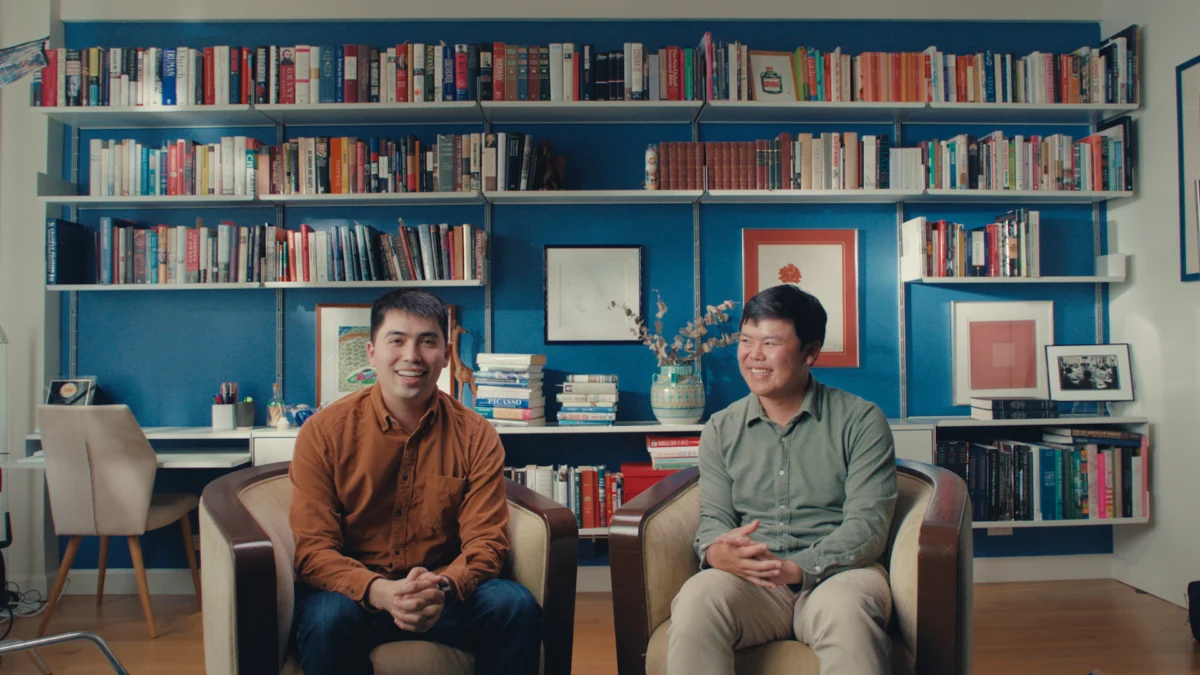
To understand the nuance of the current landscape, one must look at the leadership driving these detection efforts. Max Spero, co-founder and CEO of Pangram, has become a central figure in this dialogue. In a recent appearance on TechCrunch’s Equity podcast, Spero argued that the goal of his firm is not necessarily to ban AI, but to provide the "trust layer" required for a digital economy to function.
"The goal isn’t to demonize the tool," Spero noted during the interview. "It is about radical transparency. When you are reading a newsletter, making a hiring decision, or looking at a piece of media, you deserve to know the provenance of that content."
Spero emphasizes a critical distinction that many in the industry struggle to define: the difference between "AI-assisted" and "AI-generated." AI-assisted content often involves human intent, editorial oversight, and specific human-led research, with AI acting as a tool for polish or efficiency. AI-generated content, by contrast, is often autonomous and devoid of original human inquiry. Pangram’s technology seeks to provide metadata or markers that distinguish between these states, allowing users to make informed decisions about the information they consume.
The Implications of a "Verified" Internet
The rise of companies like Pangram raises significant long-term questions about the architecture of the web.
1. The Rise of the Digital "Certified Human"
If detection tools become the industry standard, we may see the emergence of "Certified Human" badges across the web. While this may increase trust, critics argue it could lead to a two-tiered internet: one where human-created content is gated or monetized, and a "wild west" of AI-generated content that becomes increasingly difficult to navigate.
2. The Arms Race of Detection
There is an inevitable technological arms race occurring between generative models and detection systems. As detection tools get better at identifying patterns in AI-generated text, generative models are being retrained to mimic human "imperfections" more effectively. This creates a perpetual cycle of escalation, where the cost of verification may eventually outpace the value of the content itself.
3. Ethical and Intellectual Property Concerns
The use of AI detection tools also touches on broader debates regarding intellectual property. If a writer uses AI to outline an article, to what extent does that AI "own" the logic of the piece? Furthermore, if platforms start labeling content as "AI-generated," does that label create an inherent bias against creators who use these tools ethically?
4. The Future of Human-Led Content
Ultimately, the goal of these startups is to prove that human labor still has a premium value. In a world where anything can be manufactured, the value shifts from the output to the process. By surfacing the process behind the content, Pangram and its peers are attempting to save the digital economy from a race to the bottom.
Conclusion: The Path Forward
The "trust problem" of the internet is not a temporary technical hurdle; it is a fundamental shift in how we interact with information. The $9 million invested in Pangram and the subsequent integration of its tools into major platforms like Substack represent the first real attempt to build guardrails for the AI era.
However, technology alone cannot solve a human trust deficit. While detection tools can provide the data necessary to verify authenticity, the burden of truth ultimately lies with the consumers and the platforms. As the digital ecosystem continues to evolve, the challenge will be to integrate these trust layers without stifling the genuine innovation that AI can offer. We are entering an era where skepticism is a mandatory survival skill, and the ability to verify one’s digital footprint may soon become as important as the content itself.
The conversation surrounding AI detection is only just beginning. As platforms, regulators, and startups continue to grapple with the complexities of this transition, one thing remains certain: the internet of the future will be a verified one, or it will be a landscape where truth is effectively impossible to find. Through the lens of podcasts like Equity and the work of founders like Max Spero, the tech industry is finally beginning to acknowledge that when everything is possible, nothing is certain without a layer of trust.