After decades of defining the visual language of modern superhero cinema, director Zack Snyder is shifting his lens toward a grittier, more grounded horizon. With the release of the first trailer for The Last Photograph, the filmmaker has signaled a departure from the heightened, operatic fantasy of his DC Universe tenure and the space-opera ambitions of his Rebel Moon saga. Instead, he is inviting audiences into a psychological, atmospheric descent into the South American wilderness.
The Main Facts: A Shift in Tone
On August 31, 2026, Zack Snyder unveiled the first teaser for The Last Photograph, a project that has lived in the periphery of his filmography for nearly twenty years. The three-minute trailer offers a stark contrast to the high-octane, slow-motion-heavy action sequences that have become synonymous with the "Snyder aesthetic."
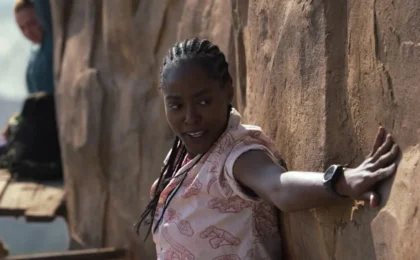
While the film features violence, the trailer prioritizes sensory, melancholic detail: the tactile friction of a hand across a bar, the listless drift of a boat on a river, and the profound isolation of the jungle. The footage draws immediate comparisons to the existential dread found in Joseph Conrad’s Heart of Darkness and Francis Ford Coppola’s Apocalypse Now.
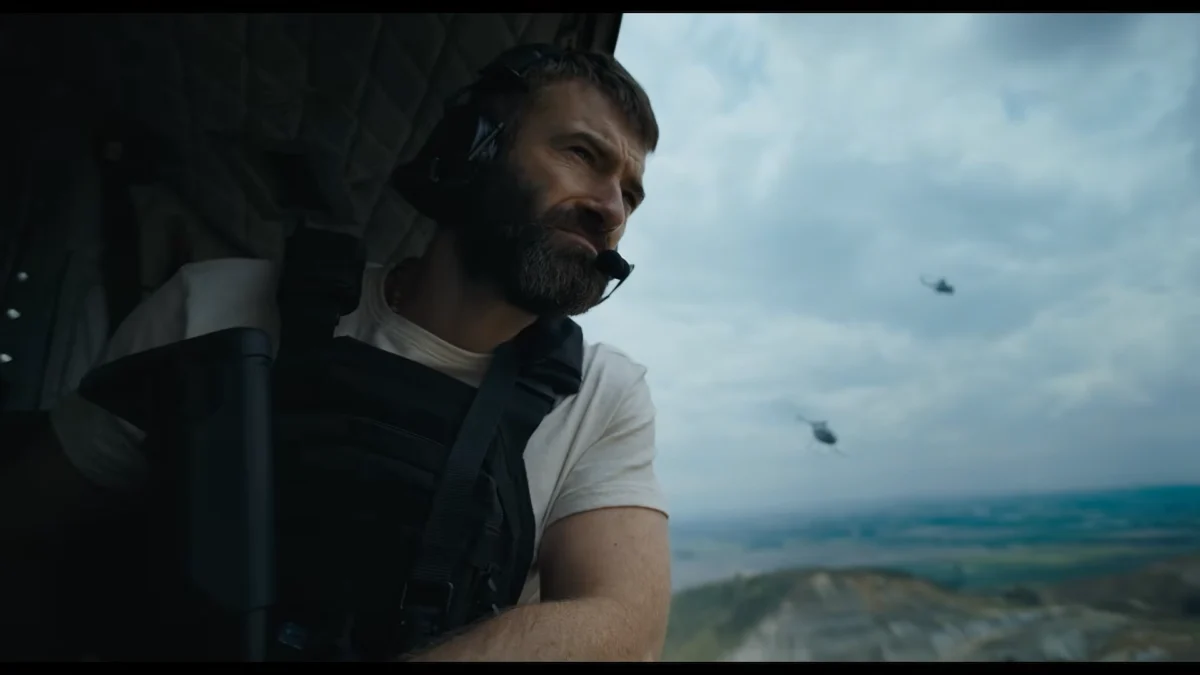
The film follows Ethan Black, an ex-DEA operative portrayed by Stuart Martin, who embarks on a desperate mission to locate his missing niece and nephew in the mountains of South America following the assassination of their diplomat parents. He is joined by a disillusioned, "washed-up" war photographer (Fra Fee), who serves as the only witness to the murders. As they venture deeper into the untamed terrain, the boundaries between reality and the surreal begin to dissolve, forcing Black to confront the ghosts of his own history.
A Chronology of a Long-Gestating Vision
The journey of The Last Photograph to the screen is a testament to the long-term planning often seen in high-profile directorial careers.
- The Mid-2000s: The seed for the project was planted in Snyder’s mind nearly two decades ago. Initially conceived as a passion project, it sat in development hell while the director became increasingly occupied with his massive comic-book adaptations.
- 2016: Industry reports, including those from The Hollywood Reporter, confirmed that Snyder was actively firming up plans to produce the film immediately following his initial work on the DC slate.
- 2024-2025: Behind the scenes, The Stone Quarry—the production company co-founded by Zack and Deborah Snyder—moved the project into active pre-production, finalizing a screenplay written by frequent collaborator Kurt Johnstad.
- August 31, 2026: The official teaser trailer drops, ending the speculation surrounding the film’s tone and confirming its imminent festival debut.
- September 13, 2026: The Last Photograph is scheduled for its world premiere at the Toronto International Film Festival (TIFF).
Supporting Data: The Creative Engine
The Last Photograph is not merely a director-for-hire project; it is a collaborative effort between long-time creative partners.
Production and Writing:
The screenplay is penned by Kurt Johnstad, whose resume includes 300 and the recent Rebel Moon series. The involvement of The Stone Quarry ensures that the film remains within the Snyder creative ecosystem, while production support from Hollywood Gang Productions and Telecinco Cinema provides the necessary infrastructure for international location shooting.
The Musical Landscape:
The film’s score is a collaborative effort between legendary composer Hans Zimmer, Omer Benyamin, and Steven Doar. Zimmer’s involvement suggests a shift from the bombastic, thematic suites of Man of Steel or Batman v Superman toward something more dissonant and ambient, reflecting the film’s "surreal" descent.
Cast Breakdown:
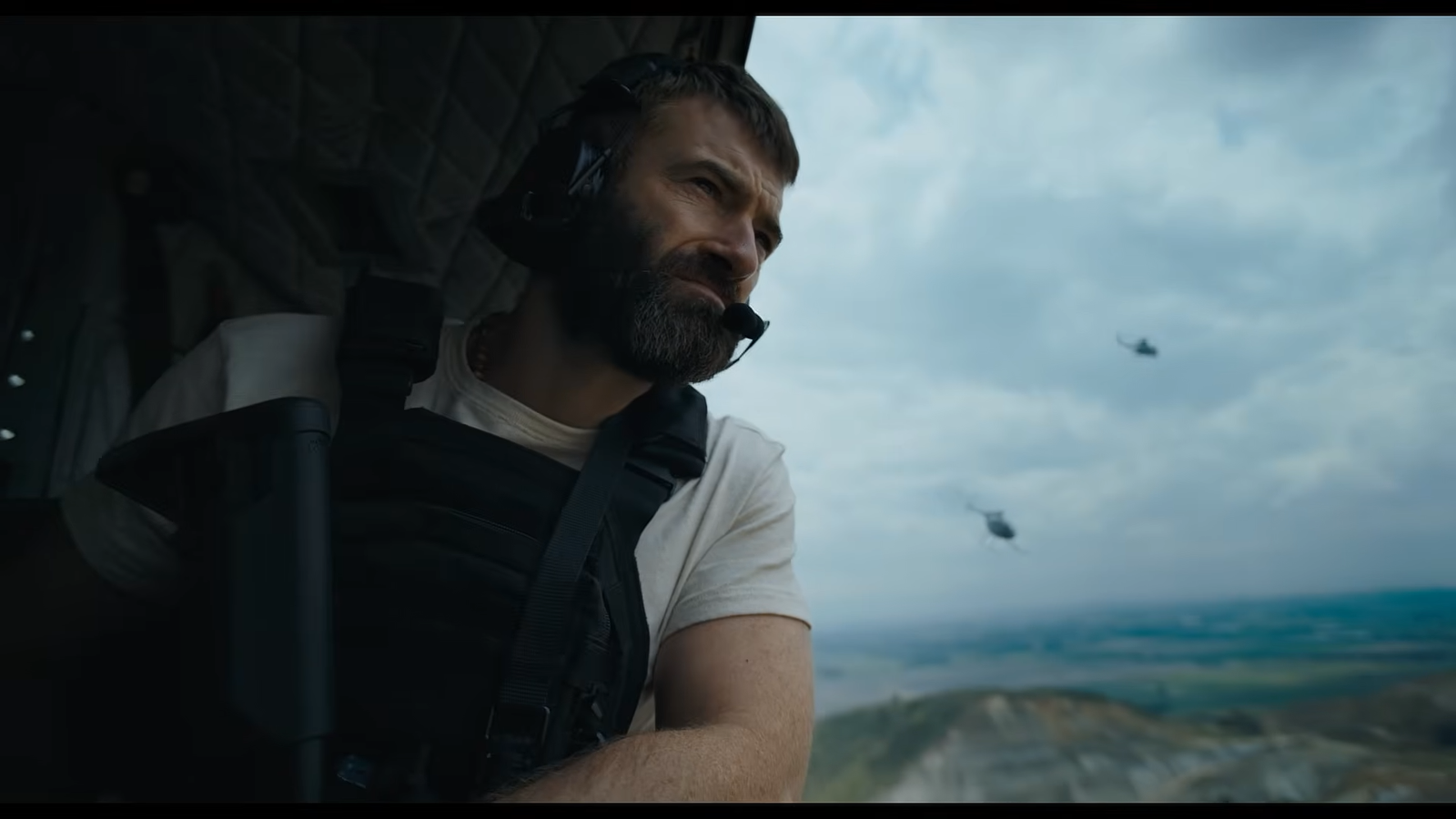
- Stuart Martin as Ethan Black: Tasked with anchoring the film, Martin plays a man defined by professional loss and personal trauma.
- Fra Fee as The Photographer: Acting as the emotional, if broken, moral compass of the journey, Fee’s character provides the narrative pivot point.
Official Responses and Industry Context
The industry response to the trailer has been one of curiosity. Snyder is rarely associated with "small-scale" projects, yet The Last Photograph appears to be exactly that: a focused, character-driven study rather than a franchise-building exercise.
Critics have noted that this stylistic pivot comes at a pivotal moment in Snyder’s career. Having mastered the "blockbuster" formula, the move to a project with a more intimate, visceral scope is being viewed as a bid for critical reassessment. By stepping away from established IP and focusing on a story he has carried for twenty years, Snyder is attempting to prove his versatility as a storyteller who can handle the quiet, internal decay of a character as effectively as he handles the destruction of a city.
Furthermore, the recent rumors regarding his attachment to an Escape from New York reboot underscore that while he is exploring new genres, he is not abandoning his roots in cult-classic, high-tension storytelling.
Implications: A New Era for Snyder?
The significance of The Last Photograph cannot be overstated. If successful, it could redefine the public perception of Zack Snyder.
1. Stylistic Maturation
For years, detractors of Snyder’s work have pointed to his reliance on visual spectacle over character nuance. The Last Photograph serves as a direct rebuttal to this criticism. By focusing on a "melancholic" narrative, Snyder is signaling a transition toward a more mature, contemplative style of filmmaking. The film invites the audience to observe the world through a lens of decay and memory rather than through the lens of a comic-book panel.
2. The Power of the "Pet Project"
In an era where original IP is becoming increasingly rare in Hollywood, Snyder’s ability to bring a 20-year-old passion project to the screen highlights the unique leverage he possesses. This project proves that even in a landscape dominated by sequels and legacy characters, a director with a distinct enough vision can carve out space for original, mid-budget narratives that prioritize artistic vision over merchandising potential.
3. Redefining "Action"
By incorporating the aesthetics of war photography—a theme central to the film’s plot—Snyder is effectively commenting on the nature of violence itself. In his previous works, violence was often heroic or cataclysmic. Here, the trailer suggests it is haunting and inescapable. The implication is that the "action" in this film serves as a catalyst for trauma, rather than a climax for a hero’s journey.
Conclusion: The Horizon
As the film prepares to debut at the Toronto International Film Festival, the industry remains in a state of watchful anticipation. The Last Photograph represents a rare intersection of a seasoned auteur returning to his roots and a filmmaker attempting to break the mold of his own career.
Whether the film will mirror the success of his most acclaimed works or stand as a niche, artistic experiment remains to be seen. However, one thing is clear: Zack Snyder is no longer interested in the comfort of capes and cosmic power. He is looking for something far more human, and arguably, far more dangerous. The journey into the South American mountains begins on September 13, and if the early footage is any indication, it is a trip that will demand the audience’s full, undivided attention.