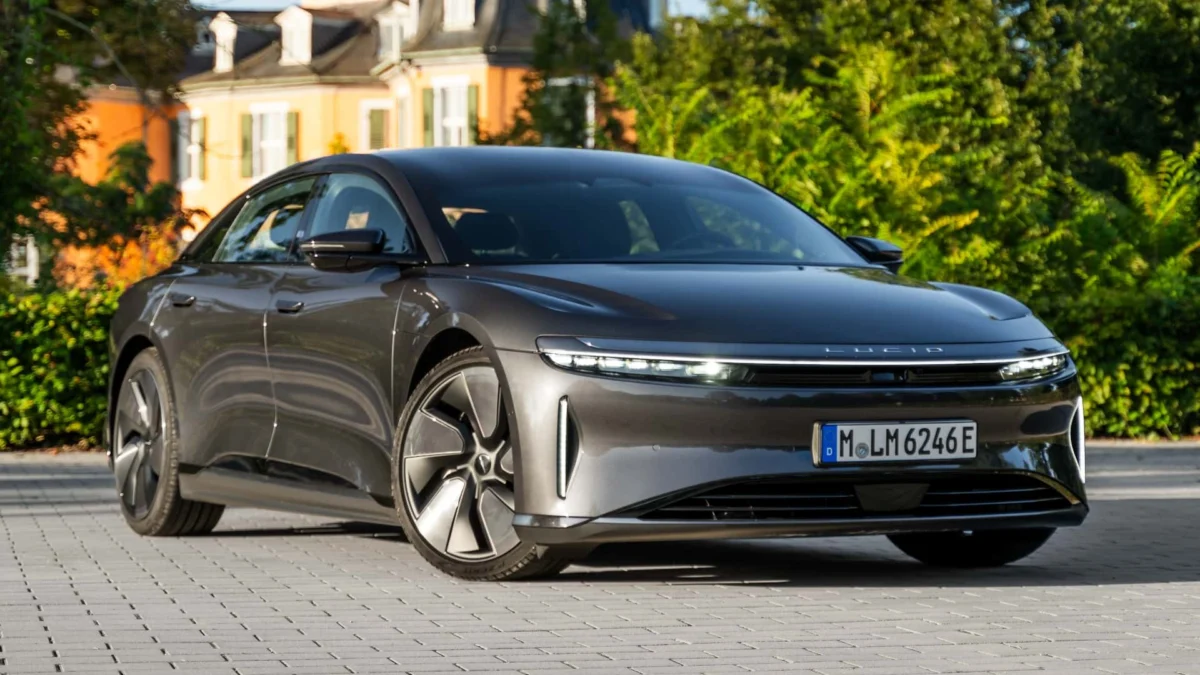
In a significant move addressing potential electrical hazards, luxury electric vehicle manufacturer Lucid Motors has issued a safety recall for 27,185 of its flagship Air sedans. The recall, officially filed with the National Highway Traffic Safety Administration (NHTSA) under campaign number 26V540000, covers vehicles produced across five model years, ranging from 2022 through 2026. While the term "fire risk" often triggers alarm among electric vehicle owners, the scope of this particular issue is contained within the low-voltage circuitry rather than the high-voltage powertrain, and a digital solution is already in place.
The Core Defect: When Software Fails to Protect Hardware
The primary concern, as outlined in technical documents submitted to the NHTSA, involves the vehicle’s exterior lighting circuit. The defect stems from a lack of sufficient overcurrent protection. In electrical engineering, overcurrent protection is a critical fail-safe—typically managed by fuses or circuit breakers—that prevents wires from overheating when more electrical current flows through them than they are designed to handle.
In the case of the affected Lucid Air units, the vehicle utilizes a "software eFuse"—a digital implementation of a traditional circuit breaker. The intended function of this system is to cut power to the front exterior lighting circuit if the system detects an anomalous spike in current. However, internal analysis and field reports revealed that under certain, specific operating conditions, the software logic failed to intervene in time. If the system does not cut the power, the resulting heat buildup in the lighting circuit poses a genuine fire risk to the vehicle.
It is important to distinguish this issue from the high-voltage battery fires that have historically plagued the broader EV industry. This recall does not involve the massive lithium-ion battery pack that provides the car’s range and power. Instead, it is a localized failure in the 12-volt system responsible for headlights and turn signals. While still serious, the nature of this fault highlights a growing trend in the automotive industry: the increasing reliance on complex software to manage essential electrical components.
A Timeline of Discovery: From Internal Incident to National Recall
The path to this recall was not instantaneous; it was the result of a multi-year investigation into localized electrical failures.
- June 2023: The first sign of trouble appeared within Lucid’s own fleet. A company-owned 2023 Lucid Air model experienced a fire that originated in the front left corner of the vehicle. This event prompted an immediate internal investigation by the manufacturer’s engineering team.
- 2023–2025: Over the subsequent three years, Lucid tracked two additional field incidents where similar thermal events occurred.
- October 2025 – April 2026: The frequency of reports increased, with the NHTSA logging four separate consumer complaints regarding smoke originating from the front end of the vehicles.
- The Investigative Hurdles: Throughout this period, investigators faced significant challenges in isolating the exact cause. Because the damage caused by thermal events often obscures the original failure point, pinning down a "definitive" root cause was difficult. However, after extensive diagnostic testing, investigators concluded they could not rule out the front combination lamp assembly as the definitive source of the electrical resistance that led to the overheating.
- August 19, 2026: The official recall was filed with the NHTSA, formalizing the manufacturer’s strategy to address the fleet-wide vulnerability.
The Digital Remedy: An Over-the-Air Solution
One of the defining characteristics of modern EVs like the Lucid Air is their ability to receive software updates remotely. This capability has fundamentally changed how automotive recalls are handled. Rather than requiring tens of thousands of owners to visit a service center for a physical hardware replacement, Lucid has already deployed a software patch.
The remedy, identified as software version 2.10.0, was pushed to the vehicle fleet in July 2026. This update effectively reconfigures the logic of the "eFuse." By adjusting the overcurrent thresholds, the software ensures that the system is significantly more sensitive and faster to react. It effectively closes the gap that allowed for potential overheating, ensuring that power to the lighting circuit is cut immediately if an irregularity is detected.
Because this update is delivered over-the-air (OTA) for vehicles with an active cellular connection, the vast majority of the 27,185 affected vehicles have likely already been "repaired" without the owner ever having to step foot in a dealership.
Navigating the Recall: What Owners Must Do
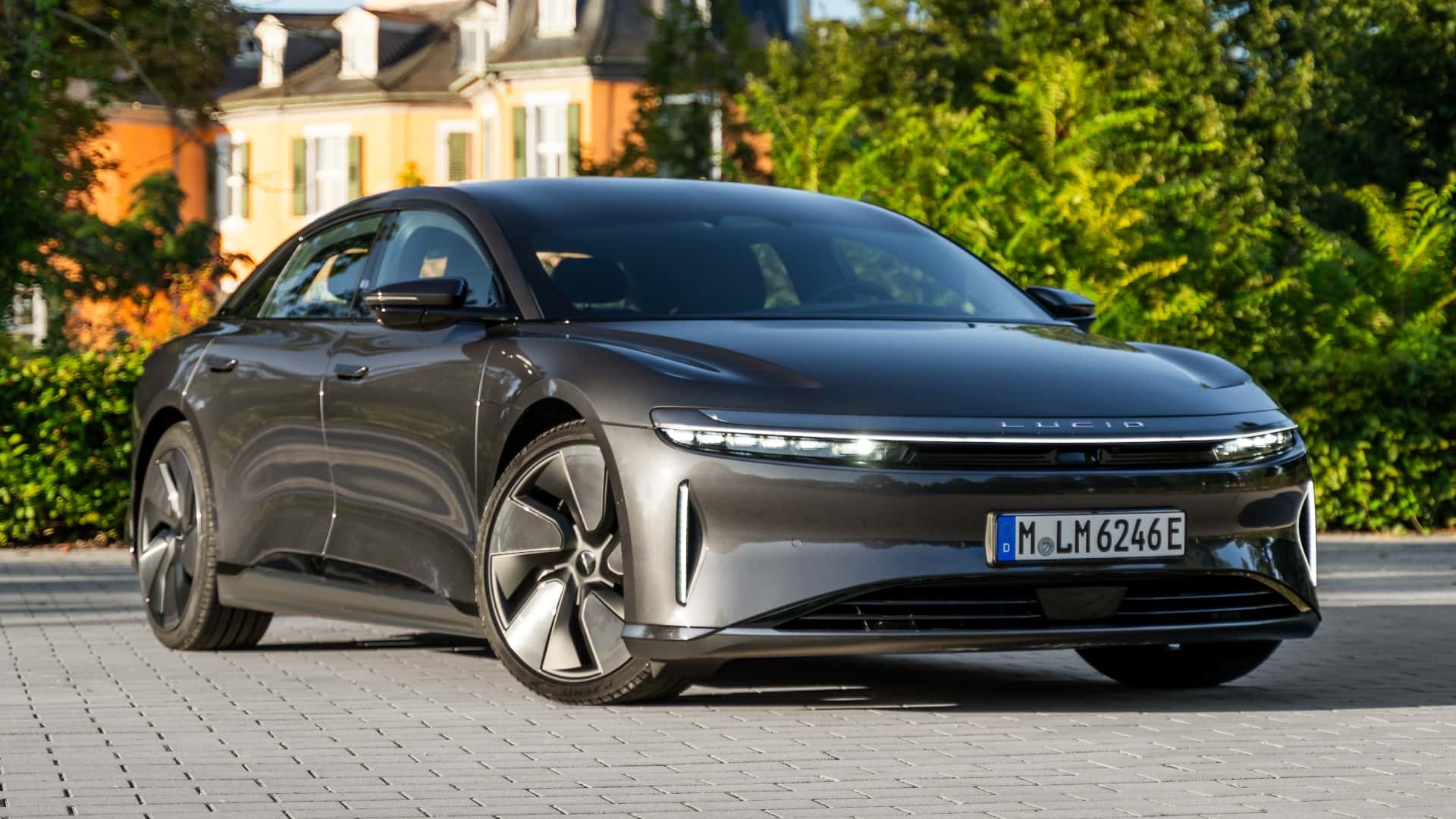
Despite the efficiency of the software patch, Lucid and the NHTSA are maintaining a strict safety protocol. Until a vehicle owner can definitively confirm that their specific car has successfully installed version 2.10.0 or a later update, they are advised to follow a conservative safety precaution: park the vehicle outdoors and away from buildings or structures.
This is a standard, albeit inconvenient, precaution for fire-related recalls, intended to prevent property damage should an electrical fault occur while the vehicle is charging or sitting idle.
Step-by-Step Verification Guide for Owners:
- Access the Interface: Locate the "Software" or "Settings" menu on the vehicle’s central infotainment display.
- Verify Version: Check the currently installed software version. If it is 2.10.0 or higher, the recall remedy has been applied.
- Check the App: Lucid owners can also verify the status of their vehicle’s software through the official mobile application.
- The "No-Connectivity" Exception: Some vehicles may not have a stable cellular connection, which would prevent the OTA update from downloading. If an owner cannot confirm the update status via the dashboard or app, they are urged to contact a Lucid service center immediately.
- Avoid Assumptions: In the age of digital updates, it is tempting to assume that "if it’s connected, it’s fixed." However, given the potential risks, the most responsible course of action is to manually verify the update status or seek professional confirmation from a service advisor.
The Broader Implications: Software-Defined Risks
This recall serves as a case study for the current state of the automotive industry. As cars become more like "computers on wheels," the line between a mechanical failure and a software bug continues to blur.
In recent months, the automotive sector has seen a wave of "park outside" recalls affecting major manufacturers. From the Kia Telluride seat motor fire recall to the Ford Bronco engine fire concerns, the common thread is often an electrical component—managed by software—that fails to behave as intended under load.
For consumers, this creates a new reality: the "repair" process is no longer just about turning wrenches. It is about cybersecurity, software integrity, and data connectivity. While the ability to fix a fire risk with a simple wireless update is a testament to the ingenuity of modern engineering, it also underscores the fragility of complex systems. When a line of code acts as a safety fuse, that code becomes a single point of failure.
Looking Ahead: The Future of Lucid
Despite this recall, Lucid remains in a strong position, continuing to focus on the expansion of its lineup, including the highly anticipated Gravity SUV. The company has demonstrated a proactive approach to this safety issue, choosing to notify owners well before the formal, legally mandated mailing of recall letters on October 16, 2026.
For the Lucid Air, a vehicle often praised for its cutting-edge range and efficiency, this recall is a reminder that even the most advanced technology requires constant refinement. As manufacturers like Lucid continue to lean into software-defined vehicle architectures, the speed of their response—both in identifying the bug and deploying the digital fix—will remain a critical metric by which the public and regulators judge their commitment to safety.
For now, the advice for Lucid owners is straightforward: update, verify, and until then, find a spot in the driveway rather than the garage. While the risk is statistically low, in the world of automotive safety, vigilance remains the most effective tool in the kit.