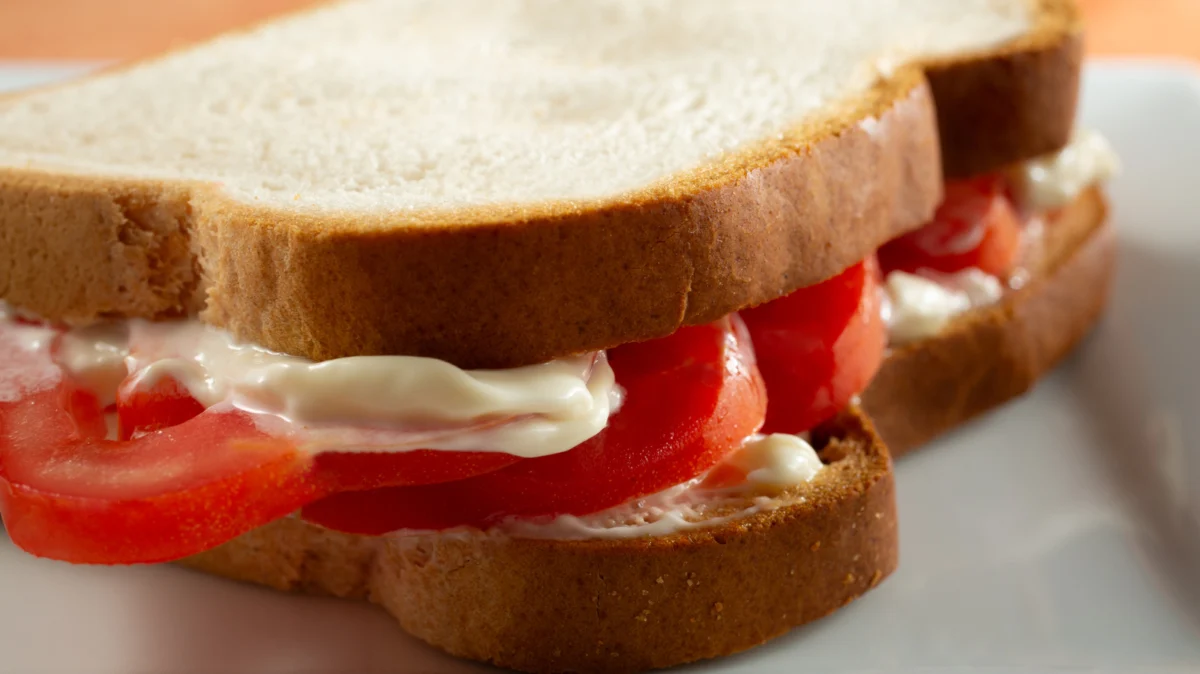
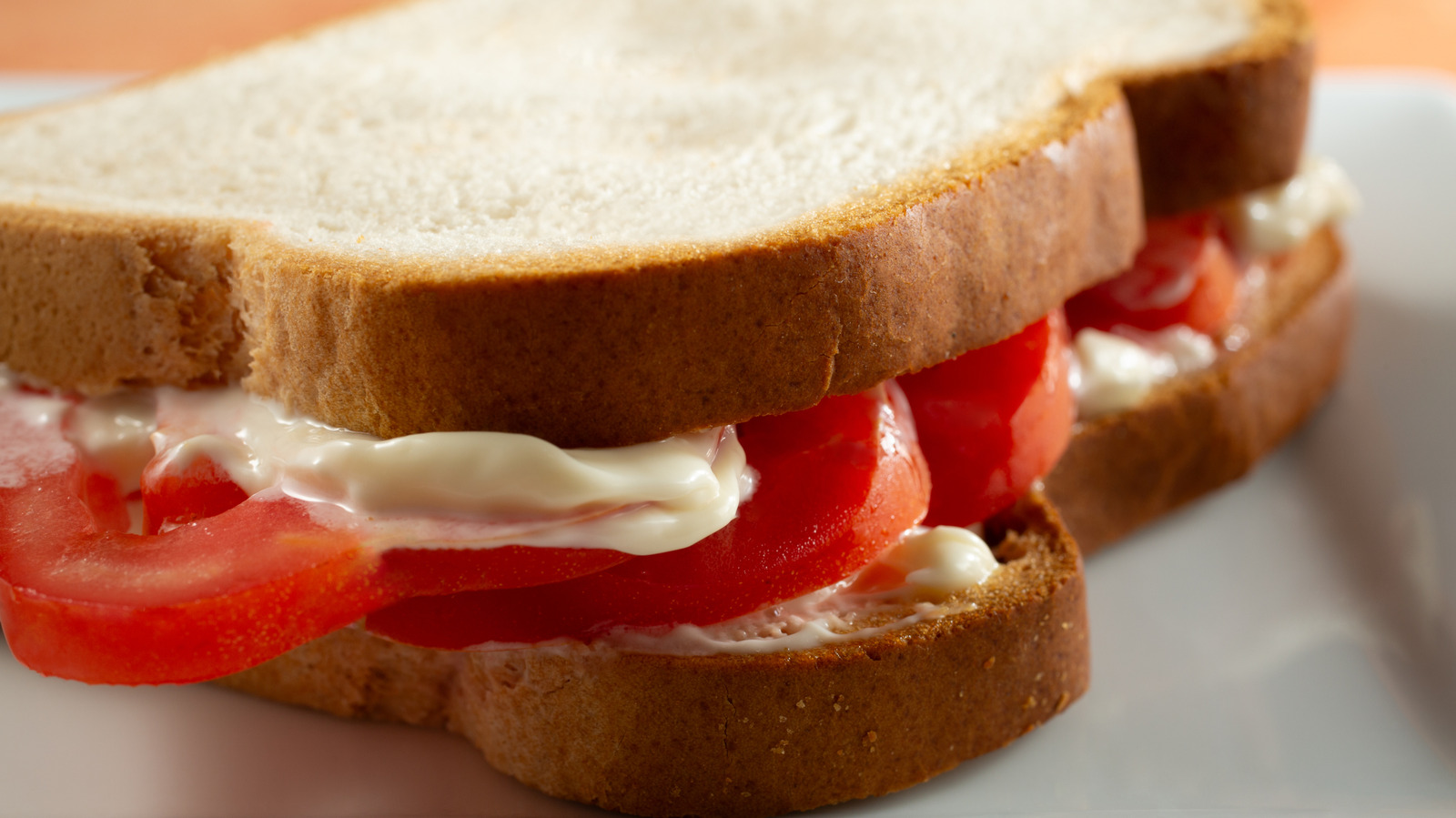
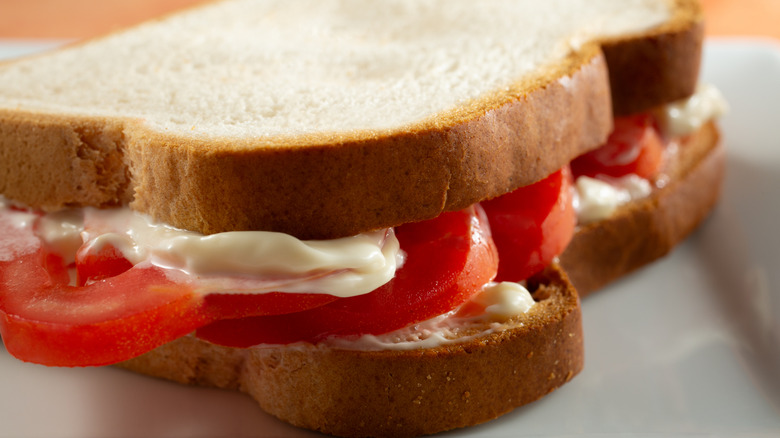
Few culinary rituals are as sacred in the heat of July and August as the classic tomato sandwich. It is a dish defined by minimalism: two slices of soft bread, a generous smear of mayonnaise, thick slabs of vine-ripened heirloom or beefsteak tomatoes, and a dusting of salt and freshly cracked black pepper. It is the taste of the garden in its prime, a fleeting experience that disappears as quickly as the frost arrives.
However, even the most cherished traditions benefit from a touch of innovation. Culinary enthusiasts are currently embracing a bold, savory pivot that challenges the dominance of traditional mayonnaise. By substituting standard mayo with French onion dip, home cooks are discovering a way to inject profound umami, textural complexity, and a sophisticated flavor profile into one of summer’s simplest pleasures.
The Anatomy of the Classic Tomato Sandwich
To understand the significance of this upgrade, one must first appreciate the architecture of the original. The tomato sandwich is a study in texture and acidity. The bread acts as a structural vessel, the mayonnaise provides a fatty, emulsified barrier to prevent the bread from becoming soggy, and the tomato—the star of the show—provides the vibrant, juicy acidity that cuts through the richness of the fat.
Historically, mayonnaise has been the "glue" of the sandwich. Its neutral, creamy base allows the natural sweetness of the tomato to shine. But for those looking to elevate the experience, the current trend suggests that mayonnaise may be too one-dimensional. The shift toward French onion dip is not merely a change in ingredients; it is a shift in philosophy, moving from a neutral base to a flavor-forward foundation.
The Evolution: Introducing the French Onion Element
French onion dip, a staple of American party culture, is traditionally composed of sour cream, dried onion soup mix (or fresh, deeply caramelized onions), and a blend of savory seasonings. When applied to a tomato sandwich, the dip performs three distinct functions:
- The Umami Boost: The concentrated flavor of onions—whether roasted, caramelized, or dried—provides a savory depth that mayonnaise lacks. This depth bridges the gap between the raw, bright acidity of the tomato and the earthy, toasted notes of the bread.
- The Tang Factor: The base of sour cream introduces a cultured tang. This acidity mimics the brightness of a vinaigrette, effectively highlighting the natural sweetness of the tomato rather than just masking it.
- Textural Contrast: Unlike the smooth, uniform consistency of commercial mayonnaise, a high-quality French onion dip often contains small bits of onion. These morsels provide a subtle, welcome crunch that breaks up the soft texture of the bread and tomato.
Supporting Data: Why Umami Matters in Summer Fare
Food scientists and culinary historians have long noted that the pairing of high-acid vegetables (like tomatoes) with high-umami accompaniments creates a "craveability" factor that sustains interest throughout a meal. According to studies on flavor pairing, the combination of glutamates found in onions and the citric and malic acids in tomatoes creates a synergistic effect on the palate.
When chefs analyze why certain sandwiches become "classics," they look for a balance of the five basic tastes: sweet, sour, salty, bitter, and umami. The traditional tomato sandwich relies heavily on sweet (tomato) and salty (seasoning). By introducing French onion dip, the cook adds a significant umami punch, rounding out the profile and creating a more satiating experience that feels more like a substantial lunch and less like a snack.
A Chronology of the Tomato Sandwich
The evolution of the tomato sandwich reflects the broader arc of American culinary history:
- The Early 20th Century: The sandwich emerged as a practical way to consume the abundance of the home garden. It was a utilitarian meal for laborers and farmers, focused on caloric density and ease of assembly.
- The Mid-Century Boom: With the rise of commercial mayonnaise (such as Hellmann’s or Duke’s), the sandwich became a staple of the American suburban lunch, emphasizing convenience and the "perfect" white bread aesthetic.
- The 21st Century "Gourmet" Shift: As farmers’ markets gained popularity and heirloom tomato varieties became widely accessible, the sandwich transitioned into a seasonal event. Chefs began experimenting with artisanal breads—country boules, focaccia, and sourdough—which necessitated more flavorful spreads.
- The Present Day: We are now in an era of "culinary remixing," where pantry staples like French onion dip are being reclaimed and repurposed for high-flavor applications.
Implications for the Modern Kitchen
The move toward using French onion dip is symptomatic of a broader trend: the deconstruction of the "rules" of home cooking. For decades, the tomato sandwich was defined by a rigid adherence to mayonnaise. By breaking this rule, the modern cook demonstrates that the value of a dish lies in the harmony of its flavors rather than its adherence to tradition.
Furthermore, this trend has implications for seasonal meal planning. A sandwich that once felt like a "side" can now serve as a main course, provided the condiments are sufficiently robust. This shift allows for more creativity in the kitchen, encouraging cooks to experiment with other savory spreads, such as garlic aioli, pimento cheese, or even herb-infused whipped feta.
Expert Perspectives and Alternatives
While French onion dip is currently enjoying the spotlight, culinary experts suggest that the "upgrade" is not limited to one specific condiment. The core goal is to introduce a flavorful, creamy agent that complements the tomato.
For those who find French onion dip too intense, there are several "side-grade" options that achieve similar results:
- Garlic Aioli: Provides a sharp, pungent kick that pairs beautifully with the earthy notes of a tomato.
- Pimento Cheese: Offers a Southern-inspired complexity, adding a layer of sharp cheddar and piquant peppers to the sandwich.
- Herbed Mayonnaise: By folding fresh basil, chives, or parsley into standard mayo, one can brighten the sandwich without losing the traditional creamy mouthfeel.
Crafting the Perfect Upgraded Sandwich: A Guide
To execute this sandwich at home, consider the following methodology:
- Selection: Choose a sturdy bread. A toasted sourdough or a thick-cut country boule will hold up better to the moisture of the tomato than a soft, processed white bread.
- The Dip: If using store-bought dip, opt for a brand that prioritizes real sour cream and caramelized onions. If making your own, ensure the onion flavor is concentrated.
- The Tomatoes: Never refrigerate your tomatoes. The cold ruins the texture and mutes the flavor. Slice them thick—at least a quarter-inch—and salt them lightly a few minutes before assembly to draw out their juices.
- The Assembly: Apply a thick, even layer of the dip to both slices of bread. This creates a "seal" that prevents the tomato juice from migrating into the crumb.
Complementary Sides: Completing the Meal
A sandwich of this caliber deserves a supporting cast that respects its seasonality. To turn this into a comprehensive summer feast, consider the following accompaniments:
- The Crunchy Element: Kettle-cut potato chips provide a necessary textural contrast to the soft bread and juicy tomato. The saltiness of the chips complements the savory notes of the French onion dip.
- The Acidic Element: A side of pickled vegetables—whether standard dill spears or bread-and-butter pickles—cleanses the palate between bites.
- The Seasonal Soup: A chilled corn chowder or a vibrant watermelon gazpacho highlights the produce of the season, mirroring the garden-fresh quality of the sandwich.
- The Green Salad: A bowl of peppery arugula with a light lemon vinaigrette provides a bitter contrast that cuts through the richness of the dip, ensuring the palate remains refreshed until the final bite.
Conclusion: Embracing the Future of Tradition
The tomato sandwich is a testament to the idea that simplicity, when executed with high-quality ingredients, is the pinnacle of flavor. However, the introduction of French onion dip proves that even our most cherished classics have room to grow. By embracing the savory, umami-rich profile of this iconic dip, home cooks are not destroying a tradition—they are revitalizing it for a new generation of palates.
Whether you are a purist who refuses to abandon the mayo, or an adventurous cook ready to experiment with the savory depth of caramelized onions, the goal remains the same: to celebrate the tomato during its brief, glorious season. The beauty of the tomato sandwich lies in its adaptability, and in this current culinary climate, the best version is the one that tastes like home—with just a little bit of a twist.