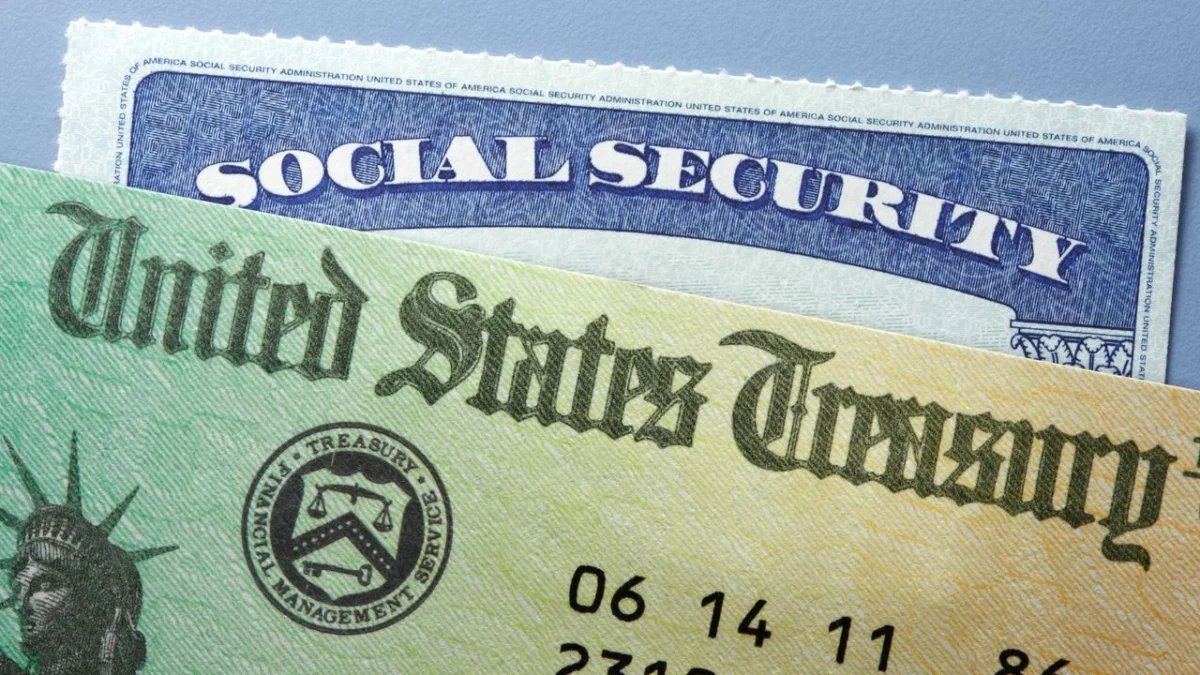
For decades, the arrival of the Social Security check in the mailbox was a rhythmic certainty for millions of older Americans. For many, that crisp envelope represented more than just a payment; it was a tangible link to a lifetime of labor and a dependable lifeline for monthly expenses. However, the Social Security Administration (SSA) has officially signaled the end of this era. In 2025, the agency began a decisive push to mandate electronic payments for all beneficiaries, marking a permanent shift in how the nation’s most vital safety net is delivered.
This transition is not merely a bureaucratic upgrade; it represents a fundamental change in the relationship between the government and its beneficiaries. While the SSA touts increased security and efficiency, the move presents significant hurdles for the most vulnerable populations—those who have remained tethered to paper checks due to lack of banking access, digital literacy barriers, or physical challenges.
Main Facts: The End of the Paper Era
The SSA’s mandate is clear: the era of the paper Social Security check is concluding. Under the new policy, all benefit payments are being shifted to electronic formats. Beneficiaries now have two primary pathways for receiving their monthly income:
- Direct Deposit: Funds are transferred electronically into a personal checking or savings account at a bank or credit union.
- The Direct Express® Debit Mastercard®: For those who are "unbanked"—individuals who do not possess or cannot maintain a traditional bank account—the Treasury-sponsored prepaid debit card serves as the default electronic alternative.
Paper checks are now relegated to a "last resort" status. To continue receiving a paper check, a beneficiary must obtain a formal government waiver, a process that is intended to be granted only under exceptional circumstances. This shift is part of a broader, government-wide mandate to modernize federal disbursements, aimed at mitigating the risks of mail theft, reducing the administrative costs of printing and postage, and ensuring faster, more reliable delivery of funds.
Chronology of the Shift
The movement toward a paperless federal payment system did not happen overnight. It is the culmination of a multi-year strategy by the U.S. Department of the Treasury and the SSA.
- Early 2010s: The federal government began heavily incentivizing the move to electronic payments, gradually phasing out paper checks for most federal employees and new benefit recipients.
- 2023–2024: The SSA ramped up communications, urging the remaining "holdouts"—those still receiving physical checks—to voluntarily enroll in direct deposit.
- 2025: The mandate became the operational standard. The SSA officially ordered the transition for all remaining paper-check beneficiaries.
- 2026 and Beyond: The agency is currently working to finalize the transition for the final cohort of beneficiaries. Any remaining paper payments are subject to stringent oversight and the requirement of a validated hardship waiver.
Supporting Data and the "Unbanked" Reality
The push for electronic-only payments highlights a critical demographic divide. According to data regarding financial inclusion, millions of American households remain "unbanked" or "underbanked." For these individuals, the transition is not as simple as walking into a bank.
The reasons for not using traditional banking are varied:
- Economic Barriers: High monthly maintenance fees, overdraft penalties, and minimum balance requirements can make traditional checking accounts unsustainable for low-income seniors.
- Geographic and Physical Barriers: As bank branches continue to close, particularly in rural areas, physical access to financial institutions has become a challenge for elderly beneficiaries with limited mobility or transportation options.
- Trust and Past Experience: Many individuals who have experienced predatory lending or previous banking failures are hesitant to engage with traditional financial institutions.
The Direct Express card was designed specifically to bridge this gap. Because it does not require a bank account, it ensures that even those without traditional financial services can receive their benefits on time. However, the shift assumes a level of technological comfort that some of the oldest beneficiaries may lack, necessitating a need for family involvement and support.
Official Responses and Rationale
The Social Security Administration has been transparent about its motivations for this shift. By moving away from the U.S. Postal Service for benefit delivery, the agency aims to:
- Improve Security: Paper checks are prime targets for mail theft and forgery. Electronic transfers are encrypted and significantly more difficult for criminals to intercept.
- Enhance Reliability: Natural disasters, mail service interruptions, and administrative delays have historically caused anxiety for those waiting on their checks. Electronic payments ensure that funds are available at the bank or on the debit card on the precise payment date.
- Reduce Fraud: By implementing more robust identity-proofing measures—such as requiring visits to local offices for address changes—the SSA is attempting to curb "account takeover" fraud, where scammers redirect payments to their own accounts.
"Our goal is to ensure every beneficiary receives their hard-earned money in the safest and most efficient way possible," an SSA representative noted in recent guidance. "Modernizing our payment systems is an essential step in protecting the integrity of the Social Security program."
Implications: The Human Element and Consumer Protection
While the government views this as a technological upgrade, advocacy groups and financial planners frame it as a significant consumer protection issue. The transition places a heavy burden on seniors who may be experiencing cognitive decline, social isolation, or a lack of digital literacy.
The Identity-Proofing "Friction"
A paradox has emerged: in the name of security, the SSA has made it harder to manage one’s own account. Because of rising concerns over identity theft, individuals often must now visit a physical Social Security office to verify their identity if they wish to change their direct deposit information. For an 85-year-old with mobility issues, this "security measure" becomes a significant hurdle, potentially forcing them to rely on third-party "helpers," which introduces new risks of financial exploitation.
The Threat of Scams
The transition period is a goldmine for bad actors. Scammers are adept at exploiting transitions, frequently calling or emailing seniors under the guise of the SSA to "help" them set up their new electronic payments. These fraudulent attempts often end with the victim handing over their Social Security number, bank details, or PINs.
The Role of Family and Caregivers
The burden of ensuring a smooth transition often falls on the families of beneficiaries. The most effective way to protect a loved one is to be proactive:
- Audit Current Arrangements: Many families assume their relatives are already on direct deposit, only to discover a paper check is still arriving.
- Create a Payment Calendar: Map out exactly when the money should arrive and which bills it is intended to cover.
- Formalize Legal Support: Families should move beyond informal arrangements. If a beneficiary can no longer manage their finances, a "representative payee" designation through the SSA is often more effective and legally recognized than a standard power of attorney for federal benefit management.
Conclusion: A New Foundation for Security
The end of the paper Social Security check marks the final stage of the digital transformation of the American retirement system. While the change creates logistical challenges for the most vulnerable, it is a necessary evolution to combat the sophisticated fraud schemes that plague today’s financial landscape.
For the vast majority of retirees, this transition will be a seamless improvement in speed and security. For the minority who still rely on the physical mail, the transition serves as a critical prompt for families, caregivers, and financial professionals to step in. Retirement planning is no longer just about investment portfolios and tax strategy; it is about ensuring the fundamental mechanics of daily life—the arrival of the monthly benefit—remain stable, secure, and under the control of the rightful recipient. By preparing now, families can ensure that this digital shift strengthens, rather than threatens, the financial foundation of our older population.