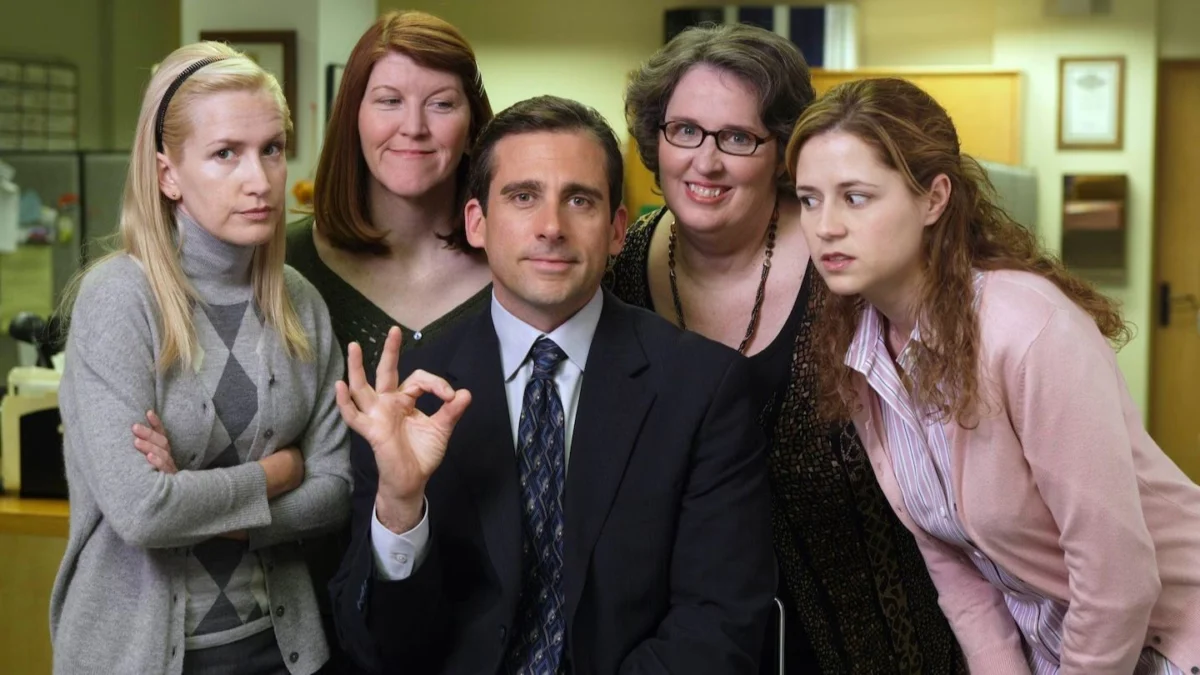
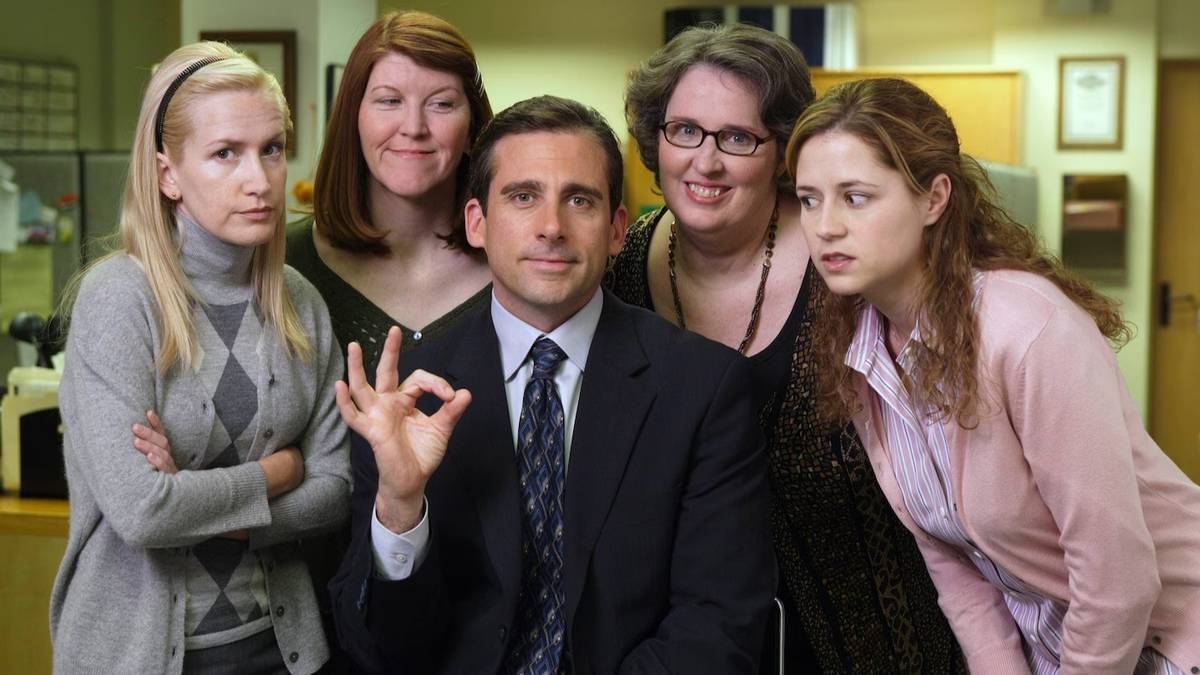
In the pantheon of television comedy, few series have managed to transcend their original broadcast runs to become cultural phenomena quite like NBC’s The Office. More than a decade after the cameras stopped rolling at Dunder Mifflin, the mockumentary remains a cornerstone of the streaming era, consistently ranking as one of the most-watched programs on platforms like Peacock and Netflix. Its "everyman" appeal—anchored in the mundane frustrations of middle-management, office romances, and the absurdity of corporate culture—resonated with a global audience.
However, as The Office continues to solidify its status as "sitcom royalty," a critical conversation is emerging among television critics and viewers alike. Is there another workplace comedy that matches its heart, wit, and sociological depth? The answer lies within the aisles of Cloud 9. Superstore, created by The Office alumnus Justin Spitzer, is arguably television’s most underappreciated masterpiece, offering a sharper, more modern evolution of the workplace sitcom.
The Genetic Link: From Scranton to St. Louis
To understand the brilliance of Superstore, one must first acknowledge its pedigree. Justin Spitzer served as a writer and producer on over 130 episodes of The Office, absorbing the DNA of the mockumentary format—the lingering stares, the awkward silences, and the ensemble-driven storytelling—and translating it into a high-stakes retail environment.
While The Office explored the slow-burn boredom of a paper company in a dying industry, Superstore moves the needle to the front lines of the American economy. Set in the fictional "Cloud 9," a sprawling big-box store in St. Louis, the show takes the familiar workplace formula and injects it with the frenetic, unpredictable energy of the retail sector. Where Dunder Mifflin was defined by its stagnation, Cloud 9 is defined by its constant, chaotic movement.
Chronology of a Cult Classic: Building the Cloud 9 Community
Superstore debuted in November 2015, entering a television landscape crowded with single-camera comedies. Over the course of its six-season run, which concluded in March 2021, the show evolved from a lighthearted "will-they-won’t-they" romantic comedy into a biting, poignant social commentary.
Phase 1: The Foundation (Seasons 1–2)
The early episodes focused on the burgeoning dynamic between Amy Sosa (America Ferrera), a sharp-witted floor supervisor, and Jonah Simms (Ben Feldman), a business-school dropout looking for purpose. Their chemistry provided the show’s emotional anchor, mirroring the iconic Jim and Pam dynamic from The Office. However, the show quickly differentiated itself by utilizing the "big-box" setting to introduce a diverse, eccentric ensemble cast.
Phase 2: Ensemble Expansion (Seasons 3–4)
By the middle of its run, the show stopped relying solely on the leads. Characters like the intense manager Dina Fox (Lauren Ash), the perpetually anxious Glenn Sturgis (Mark McKinney), and the deadpan Garrett (Colton Dunn) moved from supporting players to pillars of the narrative. This era saw the show find its "voice," balancing slapstick humor with the specific frustrations of retail life.
Phase 3: The Sociopolitical Pivot (Seasons 5–6)
In its final years, Superstore leaned into the reality of its setting. The show tackled the nuances of unionization, the crushing weight of maternity leave policies, and the systemic instability of hourly labor. By the time the series finale aired, it had successfully navigated the COVID-19 pandemic as a central plot device, cementing its legacy as a show that wasn’t afraid to look reality in the eye.
Supporting Data: Why ‘Superstore’ Outperforms Its Peers
The success of Superstore is not merely anecdotal; it is reflected in the way the show utilizes its environment to drive humor. A hallmark of the series is the "cutaway" technique—brief, non-sequitur segments that feature customers behaving in increasingly bizarre ways. These moments function as a comedic release valve, highlighting the absurdity of the public-facing nature of retail.
According to viewer metrics and critical reception, Superstore maintains a higher "rewatchability" score than many of its contemporaries. This is largely due to the density of its jokes; while The Office focused on character-driven cringe, Superstore layers character arcs with physical comedy and environmental gags.
Furthermore, the show’s depiction of the "Retail Experience" is widely cited by former and current employees of companies like Walmart and Target as being remarkably accurate. By grounding its comedy in the legitimate struggles of the working class—without becoming overly didactic—Superstore achieves a level of relatability that few other sitcoms have managed in the 21st century.
Official Responses and Industry Reception
During its tenure, Superstore was a critical darling, though it often flew under the radar in terms of major award recognition. Former NBC executives have frequently cited the show as a "steady hand" for the network, noting that its performance on streaming platforms post-cancellation has mirrored the "evergreen" growth patterns seen in The Office and Parks and Recreation.

"The show manages to be both a comforting procedural and a bold statement on the American Dream," noted one industry analyst. "It is the rare comedy that respects the intelligence of its audience enough to let them laugh at the absurdity of a situation while simultaneously feeling the weight of the characters’ financial realities."
The Implications: Why It Deserves the ‘Office’ Treatment
As we look toward the future of television, the "streaming effect" remains the greatest equalizer. The Office became a titan because it was available, accessible, and infinitely bingeable. Superstore possesses every one of these traits.
The implications of elevating Superstore to the status of "sitcom royalty" are significant. It shifts the focus of the genre away from white-collar boardrooms and toward the essential workers who keep the economy functioning. By documenting the struggle for better wages, the fight for union representation, and the inherent value of the "meaningless" retail job, Superstore provides a roadmap for the future of the workplace comedy.
If we are to measure the success of a sitcom by its ability to create a "found family" within a professional setting, Superstore has already met the criteria. Like Dunder Mifflin, Cloud 9 is a place where, despite the fluorescent lights and the corporate nonsense, the characters find meaning in each other.
The era of The Office was one of discovery—finding the humor in the mundane. The era of Superstore is one of recognition—acknowledging the humor and the humanity in the essential. As audiences continue to cycle through their favorite comfort shows, it is high time that Superstore is moved from the "hidden gem" category to its rightful place as one of the greatest workplace comedies ever produced. It isn’t just a worthy successor; it is a vital, necessary evolution of the genre.