Main Facts: High-Stakes Fundraising Meets Intraparty Friction
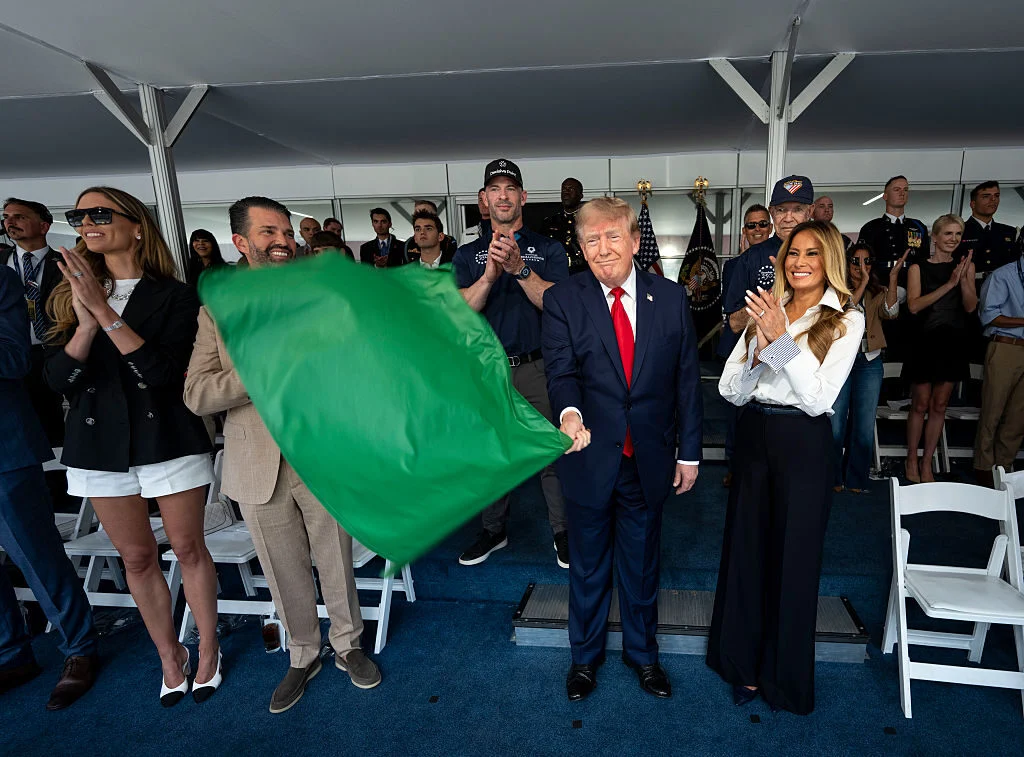
President Donald Trump travels to Houston, Texas, on Thursday to headline an exclusive Republican National Committee (RNC) fundraising gala and stump for Texas Attorney General Ken Paxton, the controversial GOP nominee for United States Senate. The high-dollar swing underscores a central paradox confronting the Republican Party ahead of the upcoming midterm elections: while conservative committees and affiliated political action committees (PACs) are sitting on an unprecedented war chest exceeding half a billion dollars, party strategists and down-ballot candidates grow increasingly anxious over a perceived reluctance to deploy those funds in critical, tight races across the country.
The Houston event, where ticket packages for attending couples reach up to $443,000, is slated to inject millions more into the RNC’s coffers. However, the political backdrop in Texas has grown unexpectedly perilous for Republicans. Paxton, who ousted long-serving incumbent Sen. John Cornyn in a contentious GOP primary earlier this year, is currently locked in a razor-thin general election contest against Democratic nominee James Talarico, a state representative who has outpaced Paxton in direct candidate-to-candidate fundraising.
       Selected GOP War Chest & Key Spending Figures (2026 Cycle)
┌─────────────────────────────────────────┬─────────────────────────┐
│ Metric / Entity                         │ Amount / Value          │
├─────────────────────────────────────────┼─────────────────────────┤
│ Trump Claimed Total Raised              │ ~$850,000,000           │
│ MAGA Inc. Cash on Hand (End of July)    │ $400,684,172            │
│ RNC Cash on Hand (End of July)          │ >$130,000,000           │
│ RNC July Single-Month Fundraising Total │ $19,400,000             │
│ Top Couple Ticket Cost (Houston Event)  │ $443,000                │
│ MAGA Inc. SC Primary Runoff Spending    │ $827,700                │
│ MAGA Inc. GA-14 Spending (March 9)      │ $17,900                 │
└─────────────────────────────────────────┴─────────────────────────┘
The tension is compounded by public complaints from conservative influencers and party insiders who argue that national leadership is failing to support vulnerable nominees or counter aggressive Democratic ad spending. Despite sitting on hundreds of millions of dollars, the primary Trump-aligned Super PAC, MAGA Inc., has engaged in sparse independent expenditures for general election candidates in recent months. Meanwhile, polling data indicates President Trump’s approval rating remains underwater in key battleground states, amplifying concerns that Republicans could lose their legislative majorities if capital is not deployed effectively before November.
Chronology: Tracing the GOP’s 2026 Midterm Timeline and Spending Pattern
To understand the current friction within the Republican coalition, it is necessary to examine the key political and financial milestones leading up to this week’s Texas swing:
               Key Campaign Milestones Leading to the Texas Swing
┌─────────────────┬────────────────────────────────────────────────────────┐
│ Date            │ Event / Milestone                                      │
├─────────────────┼────────────────────────────────────────────────────────┤
│ March 9, 2026   │ MAGA Inc. makes twin $8,950 text buys for Clay Fuller   │
│                 │ in GA-14 special election (last major spend for months).│
├─────────────────┼────────────────────────────────────────────────────────┤
│ Late Primary    │ Ken Paxton defeats incumbent Sen. John Cornyn in Texas │
│ Season          │ GOP primary, backed heavily by Trump.                  │
├─────────────────┼────────────────────────────────────────────────────────┤
│ July 31, 2026   │ RNC completes record $19.4M monthly haul; MAGA Inc.   │
│                 │ reports $400.6M cash on hand in FEC filings.           │
├─────────────────┼────────────────────────────────────────────────────────┤
│ Mid-August 2026 │ Trump brags at Joint Base Andrews of ~$850M raised     │
│                 │ across affiliated political organizations.             │
├─────────────────┼────────────────────────────────────────────────────────┤
│ Aug. 25, 2026   │ Trump-backed Sen. Darline Graham wins SC runoff after  │
│                 │ MAGA Inc. drops $827K targeting Rep. Ralph Norman.     │
├─────────────────┼────────────────────────────────────────────────────────┤
│ Aug. 26, 2026   │ Trump amplifies social post warning GOP is "sleep-     │
│                 │ walking toward a midterm reckoning"; UVA shifts TX to   │
│                 │ Toss-Up.                                               │
├─────────────────┼────────────────────────────────────────────────────────┤
│ Aug. 27, 2026   │ White House affirms Trump's commitment; Trump travels  │
│                 │ to Houston for $443K/couple RNC fundraiser.            │
└─────────────────┴────────────────────────────────────────────────────────┘- March 9, 2026 – Early Special Election Intervention: MAGA Inc. makes a rare early expenditure during the final stretch of the special election in Georgia’s 14th Congressional District. The PAC executes two text message buys totaling $17,900 to support Clay Fuller, who eventually wins the seat vacated by former Rep. Marjorie Taylor Greene. Following this buy, direct Super PAC spending on behalf of specific candidates slows significantly.
- Texas Primary Cycle – The Cornyn Ouster: Supported by Trump and hardline conservative groups, Texas Attorney General Ken Paxton wages a high-profile primary challenge against five-term Republican Sen. John Cornyn. Paxton defeats Cornyn, creating deep rifts within the Senate Republican establishment, many of whom favored the veteran incumbent for his legislative record and fundraising prowess.
- July 31, 2026 – Reporting Period Close: Federal Election Commission (FEC) disclosures reveal extraordinary cash reserves across Republican entities. The RNC reports a record single-month July haul of $19.4 million, leaving it with more than $130 million on hand. Simultaneously, MAGA Inc. files disclosures showing $400,684,172 in available liquid capital.
- Mid-August 2026 – Joint Base Andrews Statements: Departing Joint Base Andrews in Maryland for a political rally in South Carolina, Trump brags to reporters about the scale of his campaign war chest. He claims overall political vehicles associated with him have brought in approximately $850 million, promising to use both committee money and his personal capital for "good Republican candidates."
- August 25, 2026 – South Carolina Runoff Victory: South Carolina Sen. Darline Graham defeats 5-term Representative Ralph Norman in a bitter GOP primary runoff election. FEC filings show MAGA Inc. spent $827,700 on phone calls and voter text messages in the final days of the race to buoy Graham, whom Trump endorsed after Norman previously backed former Governor Nikki Haley in the 2024 presidential primary.
- August 26, 2026 – Social Media Backlash and Rating Shift: Trump reposts a message from conservative influencer Matt Van Swol sharply attacking congressional Republicans for failing to deliver reforms and warning of a "midterm reckoning." That same day, the University of Virginia’s Center for Politics officially shifts its rating for the Texas Senate race from "Leans Republican" to "Toss-Up."
- August 27, 2026 – The Houston Swing: White House Press Secretary Karoline Leavitt clarifies Trump’s commitment to retaining congressional majorities before the President boards Air Force One for the high-dollar RNC event in Houston.
Supporting Data: Financial Hauls vs. Polling Realities
An examination of financial and polling metrics reveals a sharp dichotomy between the party’s fundraising success and its structural vulnerabilities on the electoral map.
                   Approval & Race Ratings in Key Senate Battlegrounds
┌─────────────────┬──────────────────────────┬─────────────────────────────┐
│ State           │ Trump Approval (YouGov)  │ Race Rating Status          │
├─────────────────┼──────────────────────────┼─────────────────────────────┤
│ Texas           │ Net Negative             │ Toss-Up (UVA / Cook)        │
│ Alaska          │ Net Negative             │ Toss-Up                     │
│ Iowa            │ Net Negative             │ Toss-Up                     │
│ Maine           │ Net Negative             │ Toss-Up                     │
│ Michigan        │ Net Negative             │ Toss-Up                     │
│ Ohio            │ Net Negative             │ Toss-Up                     │
│ Georgia         │ Net Negative             │ Tilt / Leans Democratic     │
│ North Carolina  │ Net Negative             │ Tilt / Leans Democratic     │
│ New Hampshire   │ Net Negative             │ Tilt / Leans Democratic     │
└─────────────────┴──────────────────────────┴─────────────────────────────┘
The Financial Reserve
The financial figures collected by conservative organizations ahead of the fall push represent historical highs for an off-year cycle:
- Total Trump-Affiliated War Chest: Approximately $850 million claimed across all vehicles.
- MAGA Inc. Super PAC Balance: $400,684,172 cash on hand as of the August FEC filing deadline.
- RNC Balance: Exceeding $130 million on hand following a $19.4 million July haul.
- Houston Fundraiser Pricing: Ticket tiers maxing out at $443,000 per couple.
However, FEC filings show a stark contrast between total accumulation and direct independent spending on general election candidates. Aside from the $827,700 primary intervention in South Carolina and the $17,900 special election spend in Georgia, MAGA Inc. did not execute sustained multi-state advertising buys through the early summer months, choosing instead to hold its reserves.
The Electoral Map and Approval Metrics
This strategy of withholding funds comes amidst deteriorating approval figures for the administration. A recent nationwide survey conducted by YouGov and The Economist indicates President Trump’s approval rating is net-negative in 47 out of 50 states. Only three deep-red states—Wyoming, Idaho, and West Virginia—registered positive net approval ratings for the President.
Crucially, this net-negative standing extends across all nine Senate battlegrounds identified by nonpartisan election analysts:
- Toss-Up States: Alaska, Iowa, Maine, Michigan, Ohio, and Texas.
- Tilt/Leans Democratic States: Georgia, North Carolina, and New Hampshire.
The nonpartisan Cook Political Report and Inside Elections both emphasize that while Republicans maintain a structural geographic advantage in the Senate, competitive expansion into red-leaning territory like Texas and Iowa signals real Democratic momentum.
Official Responses: Strategy Defenses and Intraparty Backlash
The decision to hold cash in reserve while conservative races tighten has fueled a public and private debate within the Republican ecosystem, prompting responses from campaign operatives, strategists, and White House officials.
The View from Republican Strategists
Many GOP campaign managers and donors have voiced growing concern over the delay in distributing resources. Douglas Heye, a veteran Republican strategist, highlighted the rising anxiety among down-ballot candidates:
"The frustration is real—both in that they’ve been sitting on it for so long and what the ultimate messaging may be."
Regarding Texas specifically, one anonymous GOP donor told Politico that the general view among party leadership is that the responsibility falls squarely on the former president:
"It’s Trump’s responsibility to bankroll Paxton’s general election campaign since he opted to endorse him over Cornyn, upsetting some Senate Republicans."
Conversely, other campaign advisors argue that conserving resources for a late-stage media blitz is standard operating procedure. Chapin Fay, a New York-based Republican strategist, noted that early financial conservation is a tactical necessity:
"National money always moves in waves as outside groups build up resources early and spend heaviest in the closing stretch once the map is set and media markets tighten. That’s true of every cycle, every committee, every party. I’d expect to see the bulk of it move in the six to eight weeks before Election Day, when it does the most good and the final political map shakes out. At two weeks before Labor Day, there is plenty of game left this cycle."
Party Messaging and White House Position
Party officials have sought to project unity and emphasize their total cash dominance over Democrats. Mike Marinella, spokesman for the National Republican Congressional Committee (NRCC), issued a statement framing the fundraising disparity:
"House Republicans are building a war chest. Democrats are building a socialist bailout fund."
However, President Trump himself amplified public doubts about party performance. On Wednesday, Trump reposted a social media commentary from conservative influencer Matt Van Swol, who offered a blistering critique of congressional GOP leaders:
"I don’t think the GOP fully grasp how badly they are f*****g up right now. I’m talking to people who normally have ZERO interest in politics who are legitimately pissed off… They are not seeing the major reform they thought would happen and are REALLY MAD about it… I’m very worried the GOP is sleepwalking toward a midterm reckoning they don’t see coming. People are pissed off that they voted Trump into office and then the GOP continues to slow-walk every reform people want."
Asked by reporters on Thursday morning whether Trump’s amplification of the post meant he was washing his hands of aiding down-ballot Republicans, outgoing White House Press Secretary Karoline Leavitt dismissed the claim, asserting that the President remains "wholeheartedly committed to helping Republicans across the board retain the majority."
                 Key Quotes and Perspectives on GOP Midterm Strategy
┌───────────────────┬─────────────────────────────┬─────────────────────────────────────────────────────────┐
│ Speaker           │ Role / Affiliation          │ Core Perspective                                        │
├───────────────────┼─────────────────────────────┼─────────────────────────────────────────────────────────┤
│ Douglas Heye      │ Republican Strategist       │ Frustration is real over reserved cash and messaging.   │
│ Chapin Fay        │ GOP Strategist              │ Wave-spending strategy; bulk moves 6-8 weeks prior.     │
│ Mike Marinella    │ NRCC Spokesman              │ GOP is building a war chest vs. Dem "socialist bailout".│
│ Matt Van Swol     │ Conservative Influencer     │ GOP is "sleepwalking toward a midterm reckoning."       │
│ Karoline Leavitt  │ White House Press Secretary │ Trump is "wholeheartedly committed" to keeping majorities│
│ J. Miles Coleman  │ UVA Center for Politics     │ Paxton lacks early national funding due to Cornyn rift. │
└───────────────────┴─────────────────────────────┴─────────────────────────────────────────────────────────┘
Trump’s post-primary commentary has also targeted former primary rivals. Following Sen. Darline Graham’s victory in South Carolina over Rep. Ralph Norman, Trump mocked Norman on social media for his past endorsement of Nikki Haley:
"Ralph Norman had the look of a good Congressman (Not great, but good), but ruined his career when he endorsed Nikki Haley."
Implications: Strategic Consequences for the Midterm Battleground
The convergence of massive financial reserves, negative presidential approval ratings, and intraparty disputes carries profound implications for the final stretch of the midterm cycle.
                           Key Midterm Strategic Factors
┌─────────────────────────────────────────────────────────────────────────────────┐
│ 1. Resource Allocation Timing                                                   │
│    • Super PACs holding cash until late August/September limits early narrative    │
│      building, forcing reliance on rapid late-stage ad blitzes.                 │
├─────────────────────────────────────────────────────────────────────────────────┤
│ 2. The Texas Senate Dynamic                                                     │
│    • Ken Paxton's primary victory over John Cornyn creates donor resistance;     │
│      Democrat James Talarico gains leverage in candidate-to-candidate fundraising. │
├─────────────────────────────────────────────────────────────────────────────────┤
│ 3. Structural Geography vs. Climate                                             │
│    • Republicans retain a favorable Senate map, but underwater presidential      │
│      approval ratings expand the playing field into historically safe red states.│
├─────────────────────────────────────────────────────────────────────────────────┤
│ 4. Establishment Tension & MAGA Loyalty                                         │
│    • Primary interventions leave lingering resentment, complicating national    │
│      party willingness to rescue divisive nominees down the stretch.             │
└─────────────────────────────────────────────────────────────────────────────────┘
1. The Texas Senate Race as a Bellwether
The shift of the Texas Senate race to "Toss-Up" status by the University of Virginia’s Center for Politics underscores the risk inherent in the GOP’s primary dynamics. Ken Paxton’s nomination over John Cornyn alienated establishment donors, allowing Democratic nominee James Talarico to gain ground.
Analyzing the race shift, J. Miles Coleman of the UVA Center for Politics pointed to the delay in national expenditure as a primary factor:
"National Republican money—the sort of cavalry that has bailed out shaky nominees in other states—has been slower to arrive for Paxton, who has badly trailed Talarico in candidate-to-candidate fundraising. Part of that may reflect whatever lingering resentments some in the party may hold still towards Paxton after he ousted Cornyn. Some of it may simply be GOP resources being sent to states that are higher priority or less expensive. Either way, national Republicans will need to pour in tens of millions down the stretch—who does it, when it happens, and what it changes represent the biggest questions in this race."
If the national party is forced to pour tens of millions of dollars into Texas—a state traditionally considered safe for statewide Republicans—it will drain capital away from offense in states like Michigan, Pennsylvania, and Nevada.
2. High-Risk "Late-Wave" Spending Strategy
By withholding the majority of MAGA Inc.’s $400 million balance until the final six to eight weeks before Election Day, the Republican party is committing to a late-burst strategy. While this ensures maximum spending efficiency when voters are paying the closest attention, it carries significant risks:
- Ad-Market Saturation: In major media markets across Texas, Ohio, and Michigan, broadcast ad slots become increasingly expensive and scarce close to Election Day, diminishing the purchasing power of late dollars.
- Early Voting Vulnerability: In states with robust early voting schedules, a significant portion of the electorate casts ballots before late-wave ad blitzes reach full saturation.
- Narrative Control: Leaving Democratic candidates unchecked on airwaves throughout the summer allows them to define GOP nominees early, a deficit that late spending can struggle to reverse.
3. Structural Map Advantages vs. Wave Dynamics
Despite these tactical frictions, political analysts note that Republicans maintain a baseline advantage in the battle for control of the Senate due to the broader political geography. Writing for The Cook Political Report, senior analyst Jessica Taylor framed the dynamic heading into Labor Day:
"The battle for the Senate is about to intensify ahead of the traditional Labor Day starting gun. Republicans still retain a structural advantage given the partisan challenges of the map, and Democrats still need almost every key race to break their way. In a wave election akin to 2006, even states that Trump won by double digits could move within Democrats’ reach. That’s what we see happening in Texas and Iowa."
As President Trump returns to the fundraising trail in Houston, the outcome of the midterms will likely depend on whether the party’s historic financial reserves are deployed swiftly enough to stabilize volatile races—or whether internal rivalries and delayed spending leave conservative candidates exposed to a broader Democratic surge.