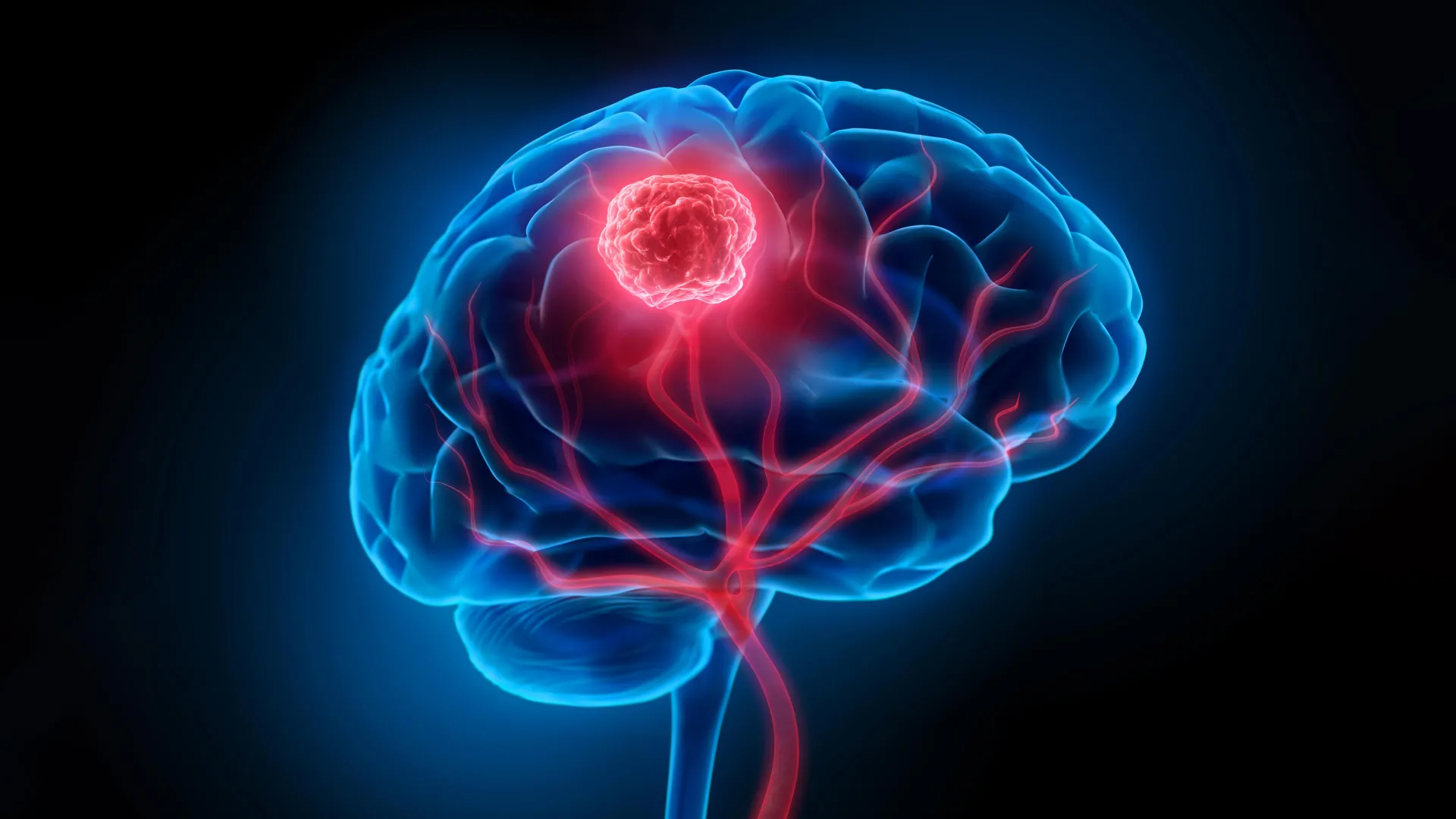
Glioblastoma multiforme (GBM) remains one of the most formidable adversaries in modern oncology. Known for its aggressive growth and inherent resistance to conventional therapies, this primary brain tumor carries a prognosis that has remained stubbornly low for decades. With a five-year survival rate hovering at a mere 7 percent, the medical community has long sought a paradigm shift in how we approach the surgical and postoperative management of this disease.
A collaborative international research team—comprising experts from the University of Technology Sydney (UTS), Harvard University, and Henan University—may have found the answer in the realm of nanomedicine. Their latest study, published in the journal Science Translational Medicine, introduces a novel “double-punch” nanozyme platform. By utilizing smart nanoparticles that bridge the gap between real-time surgical visualization and post-resection therapeutic intervention, this technology aims to solve the dual problem of tumor invisibility and rapid recurrence.
The Landscape of the Challenge: Why Glioblastoma Remains Untreatable
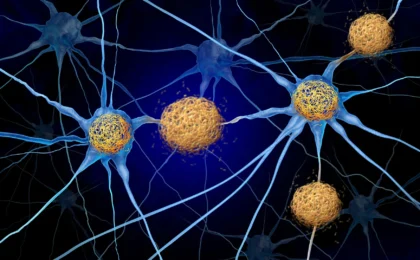
To understand the significance of this new development, one must first appreciate the biological barriers that make glioblastoma so lethal. Unlike many other cancers, GBM cells possess a highly invasive nature. They do not merely grow as a single, contained mass; instead, they infiltrate the surrounding healthy brain parenchyma like the roots of a tree.
The Surgical Dilemma
For neurosurgeons, the primary goal is “gross total resection”—the complete removal of the tumor. However, because these cancer cells blend seamlessly into the healthy brain tissue, surgeons are often forced to choose between leaving behind microscopic tumor clusters or risking damage to critical brain regions responsible for speech, movement, or cognition. This inherent limitation is a major driver of tumor recurrence, as the remaining cells act as seeds for a new, often more aggressive tumor.
The Blood-Brain Barrier (BBB)
Beyond the surgical struggle, the brain’s natural defense system—the blood-brain barrier—acts as an impenetrable fortress for most pharmacological agents. The BBB is designed to protect the brain from toxins, but it also excludes the vast majority of chemotherapy and radiotherapy agents. Consequently, even when surgeons identify residual tumor tissue, effectively delivering enough medication to kill those cells without systemic toxicity remains an elusive goal.
Chronology of Development: From Semiconductor Physics to Nanomedicine
The development of this platform represents a unique fusion of semiconductor manufacturing techniques and biomedical engineering. The research journey began with a fundamental question: Could a single material perform two distinct, sequential functions to address both the surgical and postoperative phases of treatment?
- Conceptualization: Researchers sought a material that could operate at the atomic level. Drawing inspiration from the precision of semiconductor manufacturing, they developed an ultra-thin, two-dimensional sheet.
- The Atomic Architecture: Using specialized fabrication techniques, the team arranged individual atoms onto this 2D sheet. This structure is not merely a scaffold; it is a functional machine capable of changing its behavior in response to external stimuli.
- The Proof of Concept: Following the design phase, the team tested the material’s ability to traverse the blood-brain barrier in laboratory settings. By attaching specific targeting molecules to the nanoparticles, they successfully achieved accumulation within glioma cells.
- Animal Trials: The transition to in vivo studies using mouse models provided the first clear evidence of the platform’s potential. The results were stark: the treatment significantly outperformed surgery alone, extending survival rates and preventing immediate tumor regrowth.
Supporting Data: The "Double-Punch" Mechanism
The efficacy of the UTS-led research lies in the versatility of the nanozyme platform. It functions as a chameleon, shifting roles based on the needs of the surgeon and the state of the surgical cavity.
Role 1: Surgical Navigation
During the operation, the nanoparticle acts as a high-sensitivity imaging agent. A fluorescent dye engineered onto the 2D sheet responds to near-infrared (NIR) wavelengths. While these wavelengths are invisible to the human eye, specialized surgical equipment can detect them, causing the tumor to "glow."
The resolution achieved by this technology is remarkable. The platform can illuminate individual tumor cell clusters as small as 44 micrometers. For context, this is a resolution significantly beyond what is currently available in the operating theater, allowing surgeons to excise malignant tissue with unprecedented precision while sparing healthy neurons.
Role 2: Post-Operative Phototherapy
Once the macroscopic tumor has been removed, the second phase of the "double-punch" begins. The same material is administered into the surgical cavity. When reactivated with the same NIR light, the nanozyme initiates a dual-action destruction process:
- Oxygen Enrichment: The platinum atoms within the structure act as a catalyst, converting the tumor’s endogenous hydrogen peroxide into oxygen. This is critical, as many solid tumors thrive in a low-oxygen (hypoxic) environment that renders standard radiation less effective.
- Thermal and Reactive Destruction: The NIR light triggers the release of heat and reactive molecules (such as reactive oxygen species), which systematically destroy any residual, microscopic cancer cells that the surgeon could not see or reach.
Official Responses and Scientific Perspective
Dr. Bingyang Shi, Chair Professor of nanomedicine at the School of Electrical, Mechanical and Biomedical Engineering at UTS, has been at the forefront of this project. In his view, the genius of the system is its simplicity and efficiency.
"We’ve engineered a single material that does two jobs in sequence," Dr. Shi stated. "It’s a precise guide for the surgeon during the operation, and then a targeted clean-up treatment afterward."
Professor Shi emphasizes that the clinical implications for the patient are twofold. First, it reduces the trauma associated with overly aggressive surgery by providing better guidance. Second, it addresses the "invisible" enemy—the microscopic cells left behind—which are the primary cause of recurrence.
However, the team maintains a rigorous scientific caution. "The results are very encouraging, but this is still early-stage research carried out in mouse models, not in people—and that distinction is important," Dr. Shi noted. He highlights that the transition from a mouse model to the human brain involves scaling challenges and safety assessments that are non-trivial. The team is now focusing on verifying the therapeutic performance at a larger scale to ensure that the material behaves as predictably in a human-sized cranium as it does in a rodent.
Implications: A Future for Glioblastoma Treatment
If this technology successfully clears the hurdle of clinical trials, the implications for neuro-oncology could be transformative.
Reducing Recurrence
Recurrence is the primary reason for the low survival rate of glioblastoma. Current standards of care—surgery followed by radiotherapy and chemotherapy—often fail because they cannot eliminate the diffuse, infiltrating nature of the cancer. A postoperative "clean-up" tool that specifically targets residual cells could potentially turn a terminal diagnosis into a manageable chronic condition, or even improve the prospects of long-term remission.
Advancing Precision Medicine
The use of atomic-scale manufacturing to create therapeutic agents marks a new era in precision medicine. By leveraging the specific metabolic properties of cancer cells (such as their reliance on hydrogen peroxide), this platform minimizes "off-target" effects. This is a critical improvement over traditional chemotherapy, which often damages healthy cells throughout the body, leading to significant side effects for the patient.
Improving Quality of Life
Beyond survival statistics, the quality of life for brain cancer patients is paramount. By allowing surgeons to be more selective, the nanozyme platform could help preserve cognitive and motor functions that are often compromised by traditional, less precise surgical approaches.
The Road Ahead
The journey from a laboratory at UTS to the operating room is long and complex. The researchers must now focus on:
- Toxicity Profiling: Ensuring that the long-term presence of these platinum-based nanozymes does not induce inflammatory responses in the brain.
- Pharmacokinetics: Understanding how these particles clear from the body after their work is done.
- Regulatory Pathways: Navigating the stringent requirements for clinical trials involving nanomaterials.
For now, the "double-punch" platform stands as a beacon of innovation. While the medical community waits for further data, the research serves as a reminder that the solution to our most complex diseases may well lie in the smallest of scales. By combining the surgeon’s eye with the power of atomic engineering, this technology offers a glimmer of hope that the prognosis for glioblastoma may finally be on the cusp of change.