Introduction: The Silent Collapse of a Generation
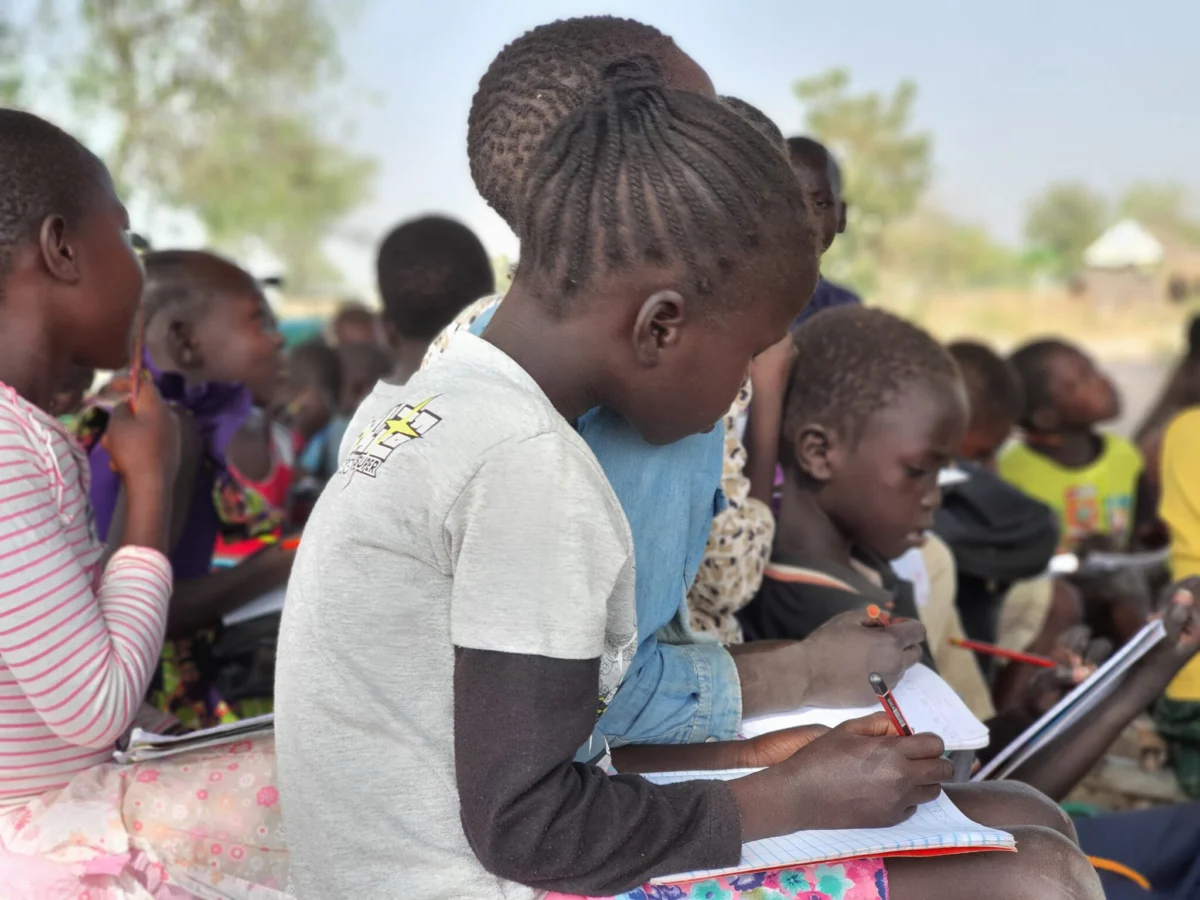
The ongoing civil war in Sudan has not only fractured the nation’s political stability but has dealt a catastrophic blow to its human capital. Amidst the rubble of conflict, a beacon of hope emerged on Monday as Education Cannot Wait (ECW), the United Nations’ global fund for education in emergencies, announced a $22 million multi-year investment aimed at revitalizing Sudan’s decimated school system.
The initiative is designed to provide holistic, safe, and sustainable learning opportunities for 200,000 children, including internally displaced persons (IDPs), refugees, and children in vulnerable host communities. As the conflict drags on, this funding represents a critical intervention to prevent an entire generation of Sudanese youth from falling into a "lost decade" of educational deprivation.
The Chronology of Conflict: From Stability to Emergency
To understand the gravity of the current educational collapse, one must look at the timeline of the instability that has gripped Sudan since the onset of the current civil war in April 2023.
- April 2023: The power struggle between the Sudanese Armed Forces (SAF) and the Rapid Support Forces (RSF) erupts into open conflict in Khartoum, quickly spreading across the country. Educational institutions immediately shutter as safety becomes the primary concern.
- Late 2023: As the war persists, thousands of schools are converted into emergency shelters for displaced families, while others are damaged or occupied by armed factions.
- 2024: The conflict intensifies, leading to a humanitarian crisis of historic proportions. The focus of the international community shifts toward emergency aid, but the "silent crisis"—the disruption of schooling—remains largely underfunded.
- August 2026: ECW announces the $22 million grant, marking a shift toward long-term stabilization efforts. This initiative is designed as a three-year strategic roadmap to reclaim the learning spaces lost during the preceding three years of violence.
Supporting Data: The Scale of the Catastrophe
The statistics released by ECW and international aid agencies paint a harrowing picture of a nation on the brink. The numbers are not merely digits; they represent a fundamental erosion of Sudan’s future.
The Educational Vacuum
According to the latest UN reports, at least 8 million children—nearly 50% of Sudan’s 17 million school-age population—are currently out of school. The disruption is not a short-term hurdle but a prolonged systemic failure. Some students have endured nearly 500 days without formal instruction. This prolonged absence creates a "learning deficit" that becomes increasingly difficult to bridge as children grow older, leading to higher risks of child labor, early marriage, and recruitment into armed groups.
The Humanitarian Burden
The education crisis exists within a broader, more severe humanitarian context:
- Displacement: 14 million people have been forced to flee their homes, turning schools into refugee camps and separating families.
- Humanitarian Need: 33.7 million people in Sudan are currently dependent on humanitarian assistance to survive.
- Infrastructure Decay: The vast majority of schools remain non-operational. Even where buildings remain standing, a lack of sanitation, safety, and teachers makes a return to traditional classrooms impossible without significant external intervention.
Official Responses and Strategic Implementation
The implementation of the $22 million grant will be managed by a consortium of experienced humanitarian actors, ensuring that the aid reaches the most marginalized areas. The program is a collaborative effort between Save the Children, Plan International, LM International, and local partners, including the Alsalam Organisation for Relief and Development (AORD) and Sadagaat.
The Perspective of Aid Agencies
Francesco Lanino, Deputy Country Director for Save the Children, has been vocal about the necessity of this intervention. "To protect the future of the children of Sudan, we must focus on access to safe, quality education," Lanino stated. He emphasized that education is not merely a service; it is a form of protection. For children living in conflict zones, the classroom provides a sense of normalcy, psychosocial support, and a vital shield against the predatory nature of war.
The Role of Education Cannot Wait
As the UN’s billion-dollar fund, ECW specializes in the "forgotten" crises. By providing multi-year funding rather than short-term grants, ECW allows local partners to plan for the long term. This approach includes:
- Rehabilitating Infrastructure: Repairing damaged school buildings to ensure they are safe for students.
- Teacher Training: Providing psychosocial training to educators who are also navigating the trauma of war.
- Flexible Learning: Introducing community-based learning centers for children who cannot access traditional schools due to security concerns.
Implications: The Long Road to Reconstruction
The impact of this funding goes far beyond the classroom. Education is the bedrock of societal reconstruction, and the implications of this $22 million initiative are multifaceted.
Preventing a "Lost Generation"
The most immediate implication is the stabilization of a generation. Without this intervention, millions of children would likely remain illiterate or functionally uneducated. By integrating these children back into a learning framework, the program prevents the social marginalization that often follows prolonged conflict.
Strengthening Local Agency
A vital component of this initiative is the inclusion of local partners like AORD and Sadagaat. By working through local organizations, the program ensures that the aid is culturally sensitive and logistically feasible. It strengthens the Sudanese civil society’s ability to lead its own recovery, rather than relying solely on international aid workers who may not have deep roots in the affected communities.
A Catalyst for Peace
Education is often cited as a key component of conflict resolution. By providing children with the tools to think critically and the skills to succeed, the initiative creates a path for a peaceful future. When communities see that their children are being cared for and educated, it creates a sense of shared purpose that can help bridge the deep-seated divisions caused by the war.
Conclusion: Challenges Ahead
While the $22 million injection is a significant step forward, it is only the beginning. The challenges facing Sudan remain immense. The security situation is volatile, and the logistical hurdles of moving resources across a country fractured by conflict are daunting.
However, the resilience of the Sudanese people remains the program’s greatest asset. Families continue to prioritize their children’s education despite the threat of violence, proving that the desire for knowledge remains undimmed by the darkness of war.
This initiative serves as a reminder to the international community that the crisis in Sudan is not just a military or political conflict; it is a battle for the minds and souls of the next generation. As the UN, Save the Children, and local organizations begin this three-year journey, the world watches to see if this investment can truly turn the tide and provide the stability necessary for Sudan to rebuild its future, one classroom at a time. The success of this program will be measured not just in dollars spent, but in the number of children who are given the chance to walk into a schoolhouse, sit at a desk, and imagine a world beyond the current conflict.