By [Your Name/Journalistic Byline]
August 26, 2026
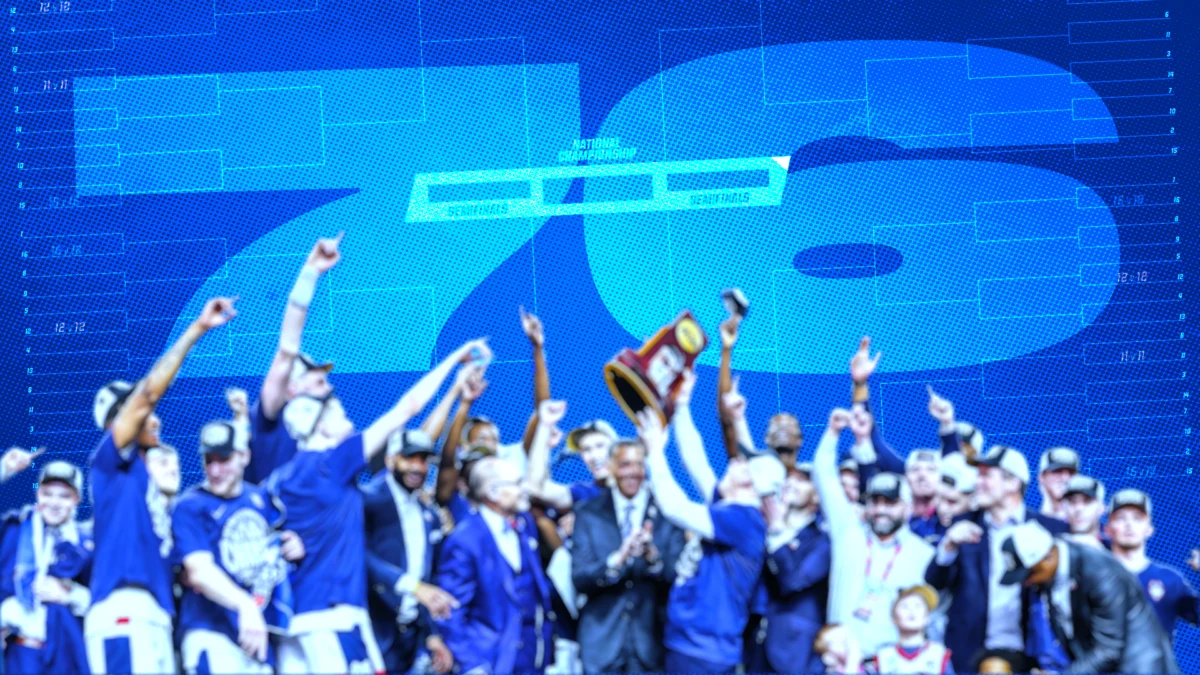
The landscape of collegiate athletics has undergone a seismic shift, and the latest tremor is the expansion of the NCAA Men’s Basketball Tournament to 76 teams. While the move, officially confirmed on May 7, 2026, was once touted as a way to increase access and fan engagement, it has inadvertently triggered a wave of anxiety within the coaching ranks.
In the latest installment of CBS Sports’ annual "Candid Coaches" series, insiders Gary Parrish and Matt Norlander surveyed nearly 100 Division I head coaches. The results were stark: nearly half of the respondents believe that the expansion of the "Big Dance" will lead to a decrease in overall job security. As the financial stakes of college basketball reach unprecedented heights, the expanded bracket is no longer being viewed as an opportunity—it is being viewed as an ultimatum.
The Chronology of an Expanded Dream
The path to a 76-team tournament began in the halls of the NCAA long before the ink dried this past May. Two years ago, in August 2024, the sentiment among coaches was markedly different. During that year’s Candid Coaches survey, the majority of respondents voiced a desire for expansion, with many favoring a 76-team format over a 72-team model. At the time, the logic was straightforward: more spots meant more opportunities for teams on the bubble and a greater likelihood of post-season revenue for athletic departments.
However, the reality of the 2026-2027 season has tempered that enthusiasm. With the tournament structure officially expanding by eight teams, the "bubble" has not vanished; it has merely become more crowded and, according to many coaches, "dumber." The transition from the 68-team era to the 76-team era marks the most significant structural change to the tournament since the 2011 expansion, and it arrives at a time when the college basketball ecosystem is already reeling from the complexities of the transfer portal, Name, Image, and Likeness (NIL) collectives, and the dawn of formal revenue-sharing.
Supporting Data: The Coaching Verdict
When surveyed on how the 76-team field would influence their professional longevity, the coaches’ responses were telling:
- Less Job Security: 44%
- About the Same: 37%
- More Job Security: 19%
The data suggests that for the vast majority of coaches, the expansion serves as a "be careful what you wish for" cautionary tale. While the 19% who believe job security will improve argue that the extra spots provide a safety net for teams that might have historically been left out, the plurality of coaches—the 44% who fear for their positions—are looking at the macro-economic shifts in the sport.

The Convergence of NIL, Revenue-Sharing, and Expectations
The primary driver behind the fear of diminished job security is not the tournament itself, but what the tournament represents in the age of modern financial investment. Coaches are no longer just managing student-athletes; they are managing multi-million-dollar assets.
"I think there will be less job security—especially now that revenue sharing is in full swing," one anonymous coach told CBS Sports. The sentiment is echoed by many in the industry. As institutional investment in basketball programs grows—with some schools funneling between $10 million and $25 million annually into roster-building funds—the tolerance for mediocrity has evaporated.
In this new environment, the "no-excuses" culture has taken root. When a university administration or a group of wealthy boosters provides a head coach with the capital to land top-tier talent, they are no longer paying for a process; they are paying for a product. That product is expected to be a staple in the NCAA Tournament.
The Narrative Trap: Why 76 is the New "Do-or-Die"
Perhaps the most damaging aspect of the 76-team expansion is the shift in public and administrative narrative. Previously, missing the tournament could be justified by a variety of factors: a rebuilding year, a difficult conference schedule, or a lack of institutional resources.
However, with 76 teams now in the field, the barrier to entry has arguably never been lower for programs with legitimate funding. If a coach at a high-resource institution fails to secure a spot in an expanded bracket, the blame will no longer be placed on the system or the schedule. It will be placed directly on the head coach.
"If you have resources, you shouldn’t miss that," notes Gary Parrish. "When you do, patience will be short."
For boosters, who often hold significant sway over the hiring and firing decisions of athletic directors, the math is simple. If they are writing checks that directly impact the talent on the floor, they expect to see that talent competing in the postseason. Failing to qualify for an expanded tournament is no longer a "near miss"; it is viewed as a failure of management.

Official Responses and Industry Implications
While the NCAA has marketed the expansion as a victory for parity and fan engagement, the internal reaction from the coaching fraternity suggests a disconnect. Athletic directors are now operating in a world where the financial return on investment is tied to tournament appearance units.
The pressure is most acute at the mid-major and high-major levels where the gap between "have" and "have-not" programs is being exacerbated by NIL. Coaches are finding themselves in a high-stakes game of musical chairs where the music is being played by donor-funded collectives.
"I had a coaching friend at a prominent mid-major program tell me that before a big game last February, the chancellor came into the locker room and said, ‘I did my job. Now it’s time for you to do yours,’" the anonymous coach recalled. This anecdote encapsulates the new reality: administrators are delivering on the financial promises requested by coaches, and in exchange, the coaches are being held to an uncompromising standard of immediate performance.
Conclusion: A New Era of Coaching Liability
The expansion to 76 teams was designed to bring more excitement to March, but for the men on the sidelines, it has brought a sense of foreboding. The "Candid Coaches" data reflects a profession that feels the walls closing in. As revenue-sharing models become the standard, the financial commitment from schools will only continue to climb.
Ultimately, the 76-team tournament serves as a reminder that in the world of big-time college athletics, more access does not necessarily mean more patience. For the coaches of the 2026-2027 season, the expanded bracket is a double-edged sword. It offers a wider door through which to walk, but it also provides a much clearer path to the exit. As the season approaches, the pressure to produce results has never been higher, and for those who fall short, the excuses are running out.
The NCAA Tournament remains the crown jewel of the sport, but for the coaches tasked with navigating it, the road to the Big Dance has become the most treacherous path they have ever walked.