It has been a disorienting year for the devoted legion of Buffy the Vampire Slayer fans. For months, the rumor mill surrounding the franchise reached a fever pitch, only to be met with a cold, definitive silence from Hulu. The dream of a return to Sunnydale—a project that promised to bridge the gap between the original cult classic and a new generation of viewers—was unceremoniously buried in March when lead star Sarah Michelle Gellar confirmed that the revival, titled Buffy the Vampire Slayer: New Sunnydale, had been canceled.
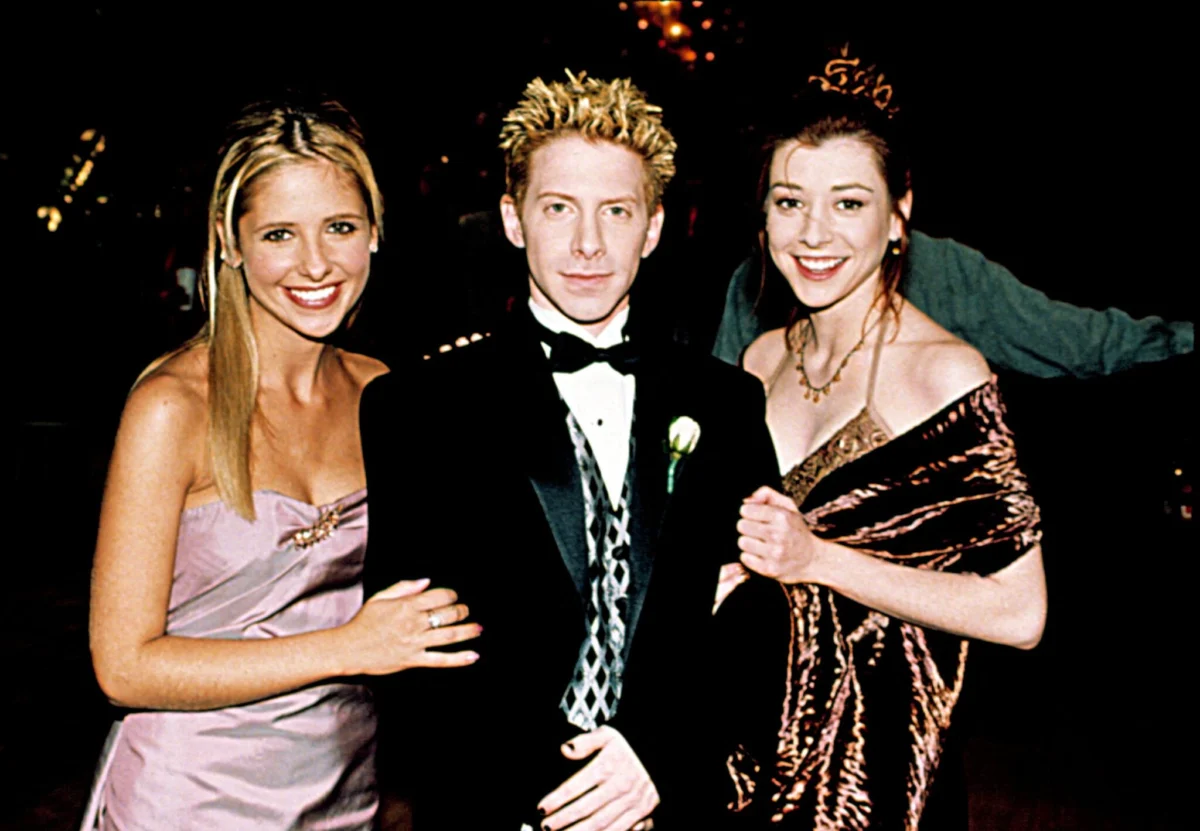
Despite a completed pilot episode helmed by acclaimed visionary Chloë Zhao (Nomadland, The Eternals), the streaming giant opted to scrap the project entirely rather than pursue a creative overhaul. In a rare moment of candid reflection, Seth Green, who famously portrayed the werewolf and fan-favorite Oz, weighed in on the sudden cancellation during an exclusive interview with Polygon. While Green was ostensibly discussing the 25th-anniversary celebration of Robot Chicken, his perspective on the Buffy news provides a sobering look at the volatile nature of modern television production.
The ‘New Sunnydale’ Debacle: A Timeline of Hopes and Heartbreak
The road to New Sunnydale was paved with high expectations. When news first broke that a revival was in development, the industry buzzed with the potential of a "next-gen" Slayer story. The casting of Ryan Kiera Armstrong as the new lead, coupled with the return of Sarah Michelle Gellar in a mentorship capacity, suggested a narrative structure that honored the legacy of the original series while forging a fresh path.
A Chronology of the Cancellation:
- Early 2025: Initial reports confirm that Hulu has greenlit a pilot for Buffy the Vampire Slayer: New Sunnydale, with Chloë Zhao signed on to write and direct.
- Mid-2025: Production on the pilot takes place under heavy security. Rumors circulate that the show intends to lean into the atmospheric, character-driven storytelling Zhao is known for.
- March 2026: Sarah Michelle Gellar breaks the news to the public: Hulu has declined to pick up the series. The pilot, despite its high-profile creative team, is shelved.
- August 2026: Five months after the official cancellation, industry insiders and fans alike remain in the dark regarding specific executive feedback. The lack of a "creative pivot" or "re-shoot" phase suggests the decision was financial or high-level strategic, rather than a critique of the artistic quality.
The Perspective from Within: Seth Green’s Take
Seth Green, whose portrayal of the stoic and dry-witted Oz remains a hallmark of the series’ original run, expressed a sentiment shared by much of the fandom: deep frustration.
"I know they shot a pilot," Green told Polygon. "I know that Sarah was excited about it, which tells me that there’s a lot of good stuff going on in it. And I was definitely disappointed to hear that it was being abandoned, rather than made perfect for the fans."
Green’s comments highlight a recurring frustration in the current streaming landscape: the "tax write-off" culture. In recent years, major platforms have been increasingly willing to abandon completed projects for budgetary reasons, often leaving creators and actors—many of whom invested significant emotional labor into the work—without a platform to showcase their efforts. For the Buffy community, the loss of New Sunnydale feels less like a narrative failure and more like a bureaucratic casualty.
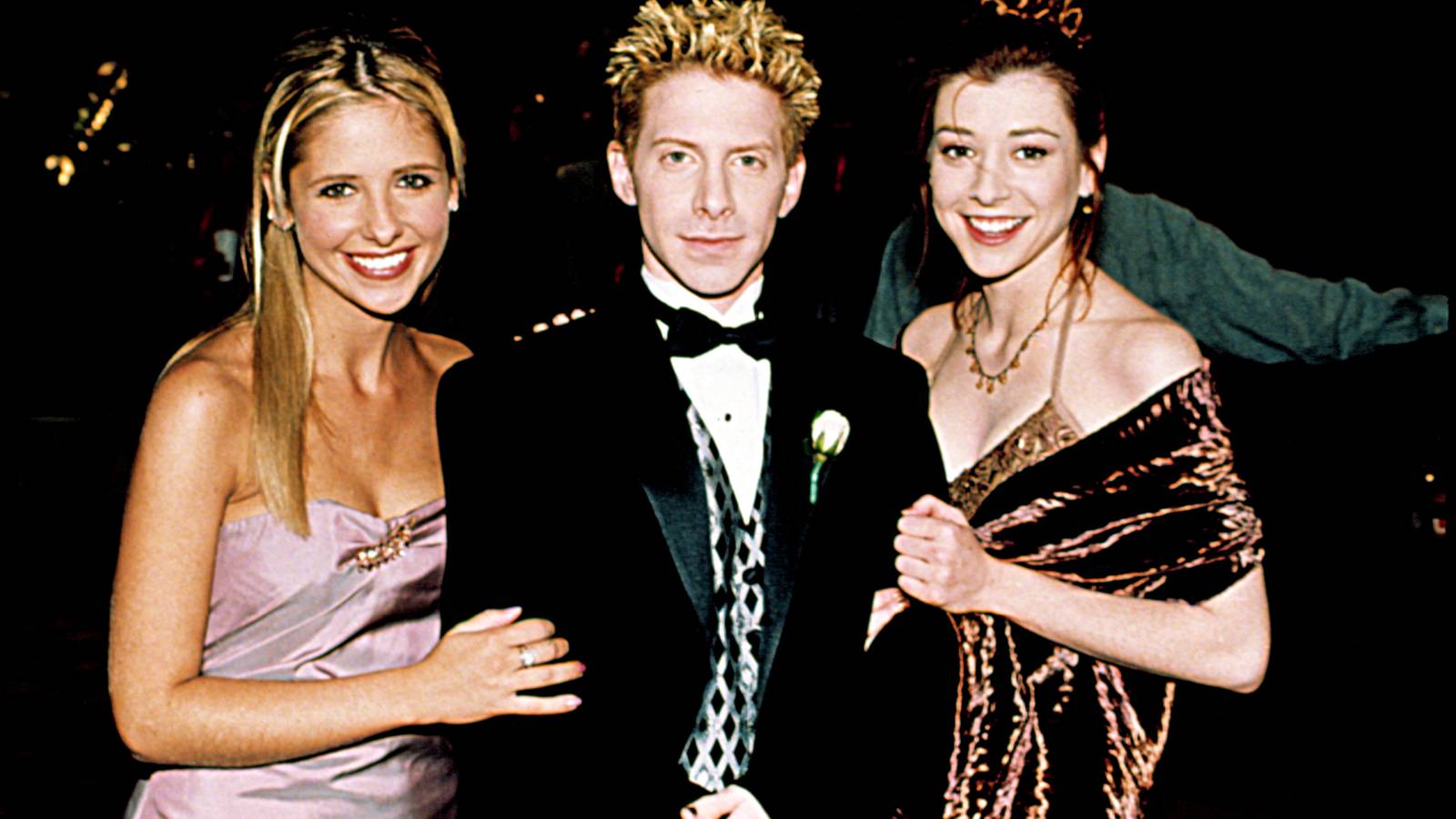
Why ‘Buffy’ Remains a Cultural Titan
To understand why the cancellation of New Sunnydale stung so deeply, one must look at the unique position Buffy the Vampire Slayer holds in television history. It was more than a supernatural drama; it was a blueprint for the modern genre show.
The Metaphorical Power of the Hellmouth
The series’ genius, as many critics have noted over the decades, was its ability to externalize the internal pain of adolescence. Vampires were not just monsters; they were stand-ins for toxic boyfriends, academic pressure, and the existential dread of high school.
"This show is such a good shepherd through that time," Green notes. His observation touches on why the show remains relevant to a modern audience. Even in 2026, the struggles depicted in the show—finding one’s identity, navigating betrayal, and the transition into adulthood—remain universal. The Buffy model of "monster-of-the-week" storytelling, which doubles as a cathartic examination of the human condition, has been imitated countless times but rarely perfected.
The Intergenerational Appeal
Green also emphasizes the "legacy" aspect of the franchise. Buffy has enjoyed a second life on DVD and later on streaming platforms, where original viewers became parents and introduced the show to their children.
"There remains an enormous opportunity for both a new generation and legacy parents to enjoy these stories together," Green says. This "dual-audience" potential is exactly what networks usually chase in reboot culture. By failing to launch New Sunnydale, Hulu arguably walked away from a built-in demographic that spans nearly three decades of viewers.
Official Responses and Industry Implications
The silence from Hulu and the studio brass has been deafening. In the industry, "dead on arrival" projects are usually met with standard PR lines regarding "creative direction" or "strategic realignment." However, the lack of explanation for the Buffy cancellation has led to rampant speculation.

Some analysts suggest that the baggage associated with the franchise—specifically the controversy surrounding the show’s original creator—may have made the project a "hot potato" that the streamer eventually felt was too risky to handle, regardless of the quality of Chloë Zhao’s pilot. Others point to the saturation of the superhero/fantasy market, arguing that streaming platforms are currently pulling back on high-budget IP revivals in favor of safer, lower-cost reality and unscripted content.
The Road Ahead: Can the Slayer Return?
Despite the disappointment, Seth Green remains optimistic about the viability of the franchise. His assertion that "there are still plenty of stories to tell" serves as a rallying cry for the fandom.
The death of New Sunnydale does not necessarily mean the death of the Buffy IP. Intellectual properties with the staying power of Buffy rarely stay dormant forever. The question now shifts from "Will it happen?" to "What form will it take?"
Potential Future Paths for the Franchise:
- The Animated Route: Given Green’s own success with Robot Chicken, there is a proven market for adult-oriented animation that could explore the Buffy lore without the constraints of live-action production costs.
- The Literary/Graphic Novel Continuation: The Buffy universe has successfully expanded into comics and novels in the past. This may be the most viable path for long-term storytelling that doesn’t rely on the whims of streaming executives.
- The Soft Reboot: If a studio can decouple the franchise from its past controversies and focus on a fresh, modern interpretation of the "Slayer" mythos, there is still a massive, hungry audience waiting.
Conclusion: A Legacy Undimmed
The cancellation of New Sunnydale is a reminder that in Hollywood, even the most beloved icons are subject to the cold math of corporate interests. However, as Seth Green reminds us, the essence of Buffy the Vampire Slayer is not tied to a single pilot or a single streaming platform.
The show’s legacy is defined by the way it connected with a generation of teenagers who felt misunderstood, providing them with a "good shepherd" through the trials of life. Whether or not we ever see a new Slayer on our screens, the original series remains a touchstone of pop culture—a testament to the power of stories that grow, change, and endure long after the final credits roll.
For now, fans are left with the memories of the past and the hope that, somewhere in the future, the Hellmouth will open once again. Until then, the story of the Slayer lives on in the hearts of those who continue to watch, share, and find meaning in the fight against the darkness.