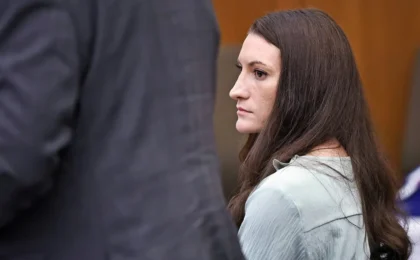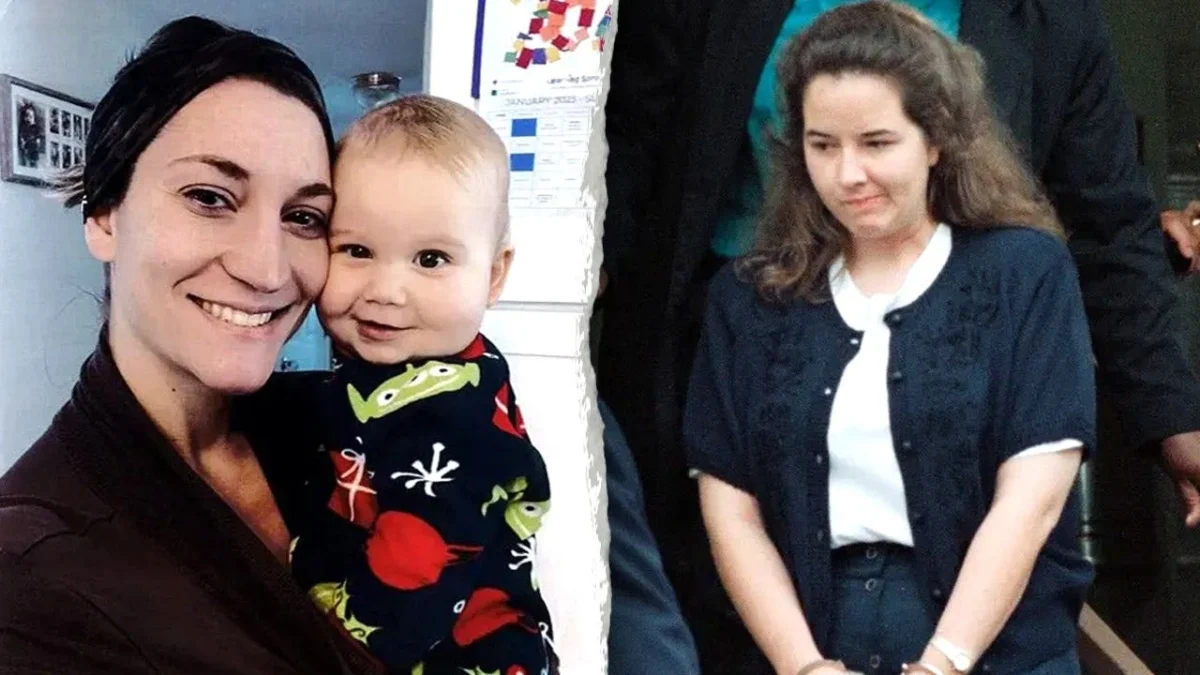
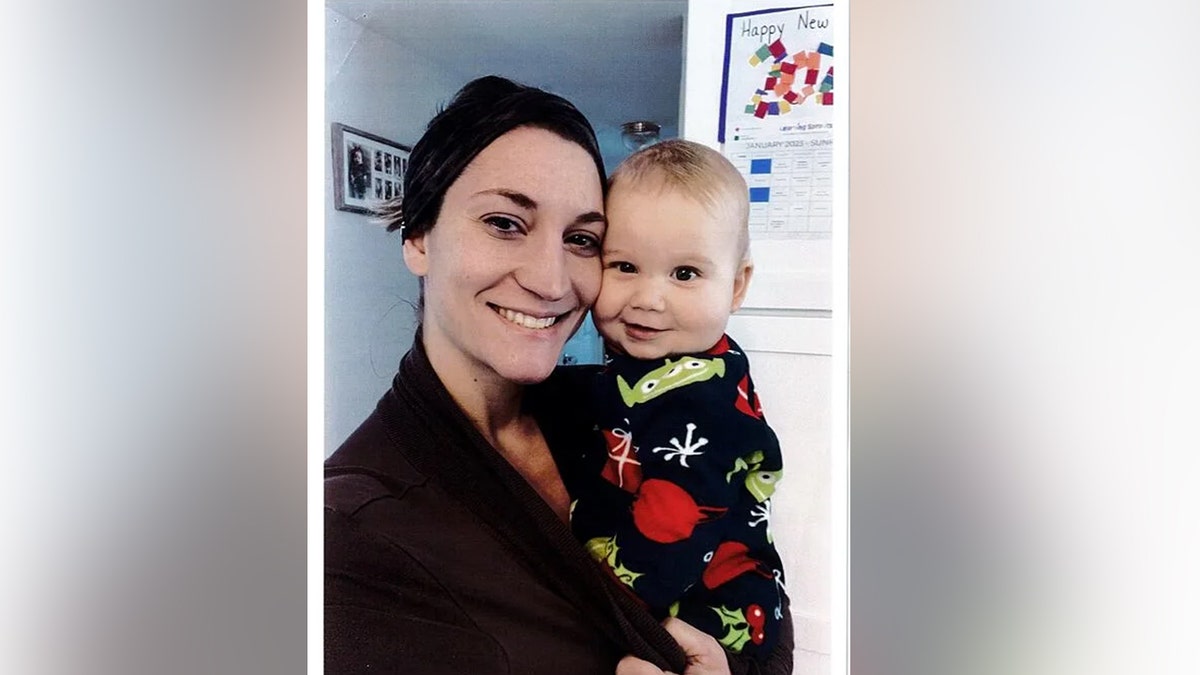
As the high-profile murder trial of Lindsay Clancy nears its climax in Plymouth Superior Court, the legal community and the public are closely watching the complex interplay of maternal mental health, criminal responsibility, and jury psychology. Clancy, a 36-year-old former labor and delivery nurse from Duxbury, Massachusetts, stands accused of three counts of first-degree murder in the January 2023 strangulation deaths of her young children: Cora, 5; Dawson, 3; and Callan, 8 months.
With closing arguments imminent, the case is poised to go to a jury composed of 12 women and six men, from which the final 12 deliberating jurors will be selected. While a defense centered on postpartum psychosis often seeks to elicit deep maternal empathy, seasoned legal experts warn that the high concentration of women on the panel could introduce an unexpected and less sympathetic dynamic.
Drawing a parallel to one of the most infamous infanticide cases in American history, Representative Tommy Pope—the South Carolina lawmaker who successfully prosecuted Susan Smith in 1995—suggests that the female jurors may judge Clancy with a degree of severity that catches many by surprise.
Main Facts of the Case
The trial of Lindsay Clancy has gripped the nation, forcing a painful confrontation with the limits of the insanity defense and the devastating realities of postpartum mental illness. The central facts of the prosecution and defense are clearly defined, yet highly contested:
- The Charges: Lindsay Clancy faces three counts of first-degree murder, alongside charges of strangulation and assault. The prosecution contends that the killings were planned and deliberate, carried out during a brief window of time when her husband was away from the home.
- The Defense’s Argument: Defense attorney Kevin J. Reddington argues that Clancy is not criminally responsible due to mental disease or defect. He asserts that she was suffering from severe postpartum psychosis, a rare and psychiatric emergency characterized by delusions, hallucinations, and a break from reality. The defense claims she acted under the influence of "command hallucinations" that stripped her of her free will.
- The Prosecution’s Argument: Assistant District Attorneys argue that Clancy’s actions were calculated. They point to her ability to coordinate her husband’s departure from the house to run errands, her research into pediatric dosages, and her apparent awareness of the wrongfulness of her actions immediately before and after the event.
- The Defendant’s Physical State: Following the killings, Clancy attempted suicide by jumping from a second-story window of her home. The fall left her paralyzed from the waist down. She has appeared in the courtroom throughout the trial in a wheelchair, a physical reality that legal experts believe could influence the jury’s perception of punishment and suffering.
Chronology of the Tragedy and Legal Proceedings
To understand the gravity of the trial, it is necessary to examine the timeline of events leading up to the tragedy in Duxbury and the subsequent legal battle in the summer of 2026.

Late 2022 to Early January 2023: The Mental Health Spiral
In the months following the birth of her third child, Callan, Lindsay Clancy’s mental health deteriorated rapidly. Her family and husband, Patrick Clancy, grew increasingly concerned. Lindsay sought extensive psychiatric help, consulting with multiple doctors, psychiatrists, and nurse practitioners. She was prescribed a rotating cocktail of psychiatric medications to combat severe anxiety and depression, and spent time at McLean Hospital, a psychiatric facility in Belmont, Massachusetts. Despite these interventions, her anxiety remained acute.
January 24, 2023: The Fatal Evening
On the afternoon of January 24, Lindsay Clancy asked her husband to leave their Duxbury home to pick up takeout food and a prescription at a local pharmacy—errands that would keep him away for approximately 55 minutes.
During this brief window, prosecutors allege she took her three children to the basement. Using exercise bands, she strangled Cora, Dawson, and Callan.
When Patrick Clancy returned to the home, he found the house unusually quiet. He eventually discovered his wife in the backyard, having survived a jump from their second-story window. In a state of shock, he discovered the three children in the basement. Cora and Dawson were pronounced dead shortly after arrival at the hospital, while infant Callan survived on life support for several days before succumbing to his injuries.
February 2023 – July 2026: Pre-Trial and Medical Evaluations
Following the tragedy, Clancy was hospitalized and treated for spinal cord injuries that left her paralyzed. She was arraigned from her hospital bed. Over the next three years, extensive psychiatric evaluations were conducted by both state-appointed experts and independent clinicians hired by the defense. The defense of lack of criminal responsibility (insanity) was formally entered.
August 2026: The Trial in Plymouth Superior Court
The trial commenced in August 2026, featuring highly emotional testimony from first responders, family members, and medical professionals.
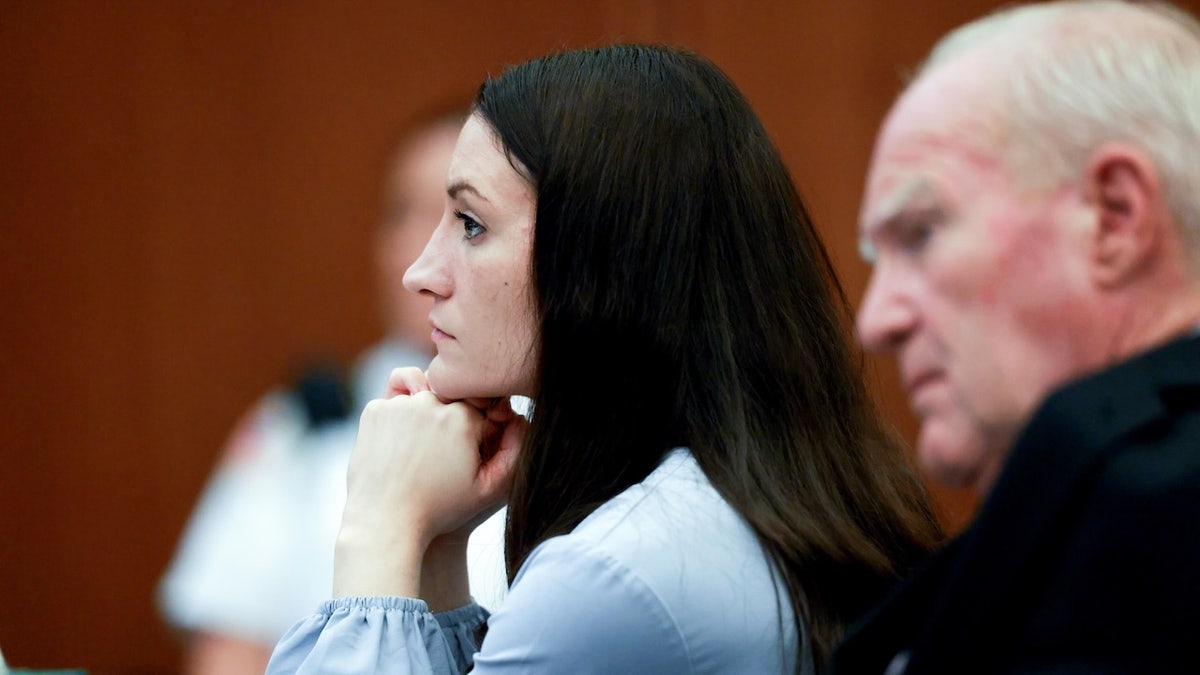
- August 11, 2026: Lindsay Clancy appeared in court alongside her attorney, Kevin Reddington, as the defense presented its core psychiatric evidence.
- August 25, 2026: The prosecution called its rebuttal experts, challenging the validity and timing of Clancy’s reported hallucinations.
- Late August 2026: Testimony concluded, setting the stage for closing arguments and jury deliberations.
Supporting Data and Forensic Psychiatric Testimony
The outcome of the trial hinges on a classic "battle of the experts." Under Massachusetts law, if a defendant raises a defense of lack of criminal responsibility, the prosecution must prove beyond a reasonable doubt that the defendant was legally sane at the time of the offense—meaning they had the substantial capacity to appreciate the wrongfulness of their conduct and to conform their conduct to the requirements of the law.
The Defense Experts: The "Puppet" State
Dr. Phillip Resnick, a renowned forensic psychiatrist specializing in maternal filicide, testified for the defense. Dr. Resnick concluded that Clancy was experiencing a severe state of postpartum psychosis on the night of the killings.
He testified that she was suffering from a "command hallucination" so overwhelming that she felt like "a puppet" controlled by an external force. According to Resnick, Clancy was in a dream-like state, genuinely believing that her actions were necessary or inevitable, which prevented her from understanding that what she was doing was morally or legally wrong.
The Prosecution Experts: The Question of Timing
The prosecution’s rebuttal focused heavily on the timing and consistency of Clancy’s symptoms. Dr. Gregory Saathoff, a forensic psychiatrist at the University of Virginia and a consultant for the FBI’s Behavioral Analysis Unit, raised significant doubts about the defense’s narrative.

+-------------------------------------------------------------------------+
|                  Comparison of Expert Clinical Opinions                 |
+-------------------------------------------------------------------------+
| Feature Assessed        | Dr. Phillip Resnick (Defense) | Dr. Gregory Saathoff (Pros.)  |
+-------------------------+-------------------------------+-------------------------------+
| Primary Diagnosis       | Postpartum Psychosis          | Severe Depression/Anxiety     |
| Nature of Voices        | Command Hallucinations        | Inconsistent/Retrospective    |
| Cognitive Control       | Acted as a "Puppet"           | Preserved Planning Capacity   |
| Awareness of Wrongness  | Entirely Absent               | Present (Inferred from Steps) |
+-------------------------+-------------------------------+-------------------------------+
Dr. Saathoff pointed out to the jury that Clancy had never reported hearing voices or experiencing auditory hallucinations to any of the numerous clinicians, psychiatrists, or emergency department staff she saw prior to January 24, 2023.
"What was significant to me is that she had not spoken about hearing voices before to any of the mental health professionals," Saathoff testified. He called the sudden emergence of this symptom "very unusual," adding that it was doubly strange that the voices allegedly "stopped with the strangling of her youngest son."
Furthermore, the prosecution asked psychologist Kirk Heilbrun whether an individual experiencing a command hallucination could still retain the cognitive capacity to conform their conduct to the law. Heilbrun responded, "In some cases they can," providing the prosecution with a critical legal lever to argue that even if Clancy heard voices, she still possessed the legal capacity to choose not to act on them.
Official Responses and Legal Perspectives
The structural dynamics of the jury and the visual presentation of the defendant in the courtroom have drawn sharp analysis from veteran prosecutors.
The Susan Smith Parallel and Jury Gender Dynamics
Representative Tommy Pope, Speaker Pro Tempore of the South Carolina House of Representatives, famously prosecuted Susan Smith in 1995. Smith had claimed a Black carjacker took her two young sons, Michael and Alexander, but later confessed to letting her car roll into a lake with the children strapped inside.
Pope’s experience with jury selection in that emotionally charged trial led him to challenge the common assumption that female jurors are naturally more sympathetic to mothers accused of harming their children.
"For the most part, the women [during jury selection] were the ones that said, ‘You know, when I had my kids, I went through hell, or I went through depression, or I battled this, or I was overwhelmed. But they’re the most important thing in my life,’" Pope told Fox News Digital.
Pope explained that a female juror who has personally battled postpartum depression or the immense stresses of motherhood—and survived them without harming her children—might hold Clancy to an incredibly high standard. "Strange twist, while a woman may have even faced postpartum depression, she may have overcome it and then be less sympathetic to Clancy."
           [ Juror Profile: Mothers Who Overcame PPD/Struggle ]
                                   │
                                   ▼
          [ "I struggled, but I protected my children at all costs." ]
                                   │
                                   ▼
                     [ LESS SYMPATHETIC TO CLANCY ]
The Impact of Physical Disability in the Courtroom
Conversely, Pope noted that Clancy’s permanent paralysis, resulting from her suicide attempt, could introduce a different bias, particularly among male jurors.
While the prosecution argues that her jump was an attempt to escape criminal consequences, her physical confinement to a wheelchair presents a powerful visual image of vulnerability.

"You have somebody that’s now paralyzed, which obviously doesn’t equate to killing three children," Pope observed. "But some jurors, and I would think maybe even more so men, would think, ‘Well, she’s already punished. She’s in a wheelchair.’ So in a strange twist, it could almost be the opposite."
Implications for Law, Medicine, and Society
The verdict in the Lindsay Clancy trial will resonate far beyond the courtroom in Plymouth, Massachusetts, carrying profound implications for the legal system, psychiatric medicine, and societal support structures.
Legal Precedent for Postpartum Psychiatric Defenses
A verdict of not guilty by reason of insanity would represent a significant milestone in how American courts handle postpartum psychosis. Historically, infanticide cases in the United States have rarely resulted in successful insanity defenses, as prosecutors frequently convince juries that any level of planning or concealment proves legal sanity.
If the jury accepts Clancy’s defense, it could pave the way for a more nuanced legal understanding of how severe psychiatric breaks bypass conscious moral reasoning. Conversely, a conviction will reinforce the high bar required to prove lack of criminal responsibility, signaling that the law demands strict accountability regardless of underlying mental illness.
Gaps in Maternal Mental Health Infrastructure
Outside the courthouse, the trial has galvanized advocates for maternal healthcare. Supporters who have gathered throughout the proceedings argue that Clancy’s tragedy exposes systemic failures in postpartum screening and support.

"This trial has really made a lot of us realize just how bad things are," a supporter outside the courthouse told Fox News Digital. "Obviously, a really sad story and hard to listen to at times. But if this moves the needle just a teeny tiny bit, and women start to experience more support, then I’m here for that."
The advocate noted that when she left the hospital after giving birth, there was little to no education offered regarding the warning signs of postpartum psychosis, leaving mothers and their families to navigate complex psychiatric emergencies entirely on their own. "It shouldn’t be that way," she said. "And I hope things change."
As the jury prepares to deliberate, the case of Commonwealth v. Clancy stands as a tragic case study at the intersection of criminal justice and mental health, leaving a family shattered and a community searching for answers.