Main Facts: A Historic Migration of Federal Lawmakers to State Executives
An unprecedented exodus of federal lawmakers from Washington, D.C., to state capitals could redefine American executive leadership at the start of 2027. Fourteen of the nation’s current governors previously served in the United States Congress—a number that could surge to 20 following the November 2026 gubernatorial elections.
Across six states and one U.S. territory, voters will have the opportunity this fall to elect governors who hold legislative experience on Capitol Hill to succeed outgoing chief executives without federal backgrounds. In two states—Alabama and Florida—the outcome is mathematically locked: regardless of which party prevails, the next governor will be a former member of Congress.
This shifting political landscape features high-profile U.S. Senators, Cabinet secretaries, and prominent House members across the ideological spectrum seeking to trade the legislative gridlock of Washington for the direct executive authority of state gubernatorial mansions.
From marquee Democratic figures like Minnesota Sen. Amy Klobuchar, former Interior Secretary Deb Haaland, and former Health and Human Services Secretary Xavier Becerra to high-profile conservative Republicans like Tennessee Sen. Marsha Blackburn, Alabama Sen. Tommy Tuberville, and Florida Rep. Byron Donalds, Capitol Hill experience has become one of the most prominent credentials in contemporary executive politics.
Chronology: The Growing Exodus from Capitol Hill to State Capitals
The trend of federal legislators abandoning Congress for state executive mansions has accelerated markedly over the past several election cycles, culminating in the historic candidate slate of 2026.
       HISTORICAL TENDENCY & RECENT TRAJECTORY

  2022–2024 Cycle           2025–2026 Off-Year          November 2026 / Jan 2027
  ------------------        --------------------        ------------------------
  • Federal lawmakers       • Former Reps. Mikie        • Potential expansion to
    transition to state       Sherrill (NJ) and           20 governors with U.S.
    houses (e.g., Landry      Abigail Spanberger          Congressional backgrounds.
    in LA, Braun in IN,       (VA) secure state executive • Elections in key states
    Armstrong in ND).         mandates.                   (AL, FL, AZ, WI, MI, MN).
Historically, the pathway to national political power flowed upward: state legislators became governors or U.S. Representatives, and governors frequently used statehouses as launching pads for presidential runs or Senate seats. However, over the past decade, that trajectory has increasingly reversed.
- 2022–2024 Election Cycles: Former House and Senate members successfully launched gubernatorial bids, establishing strong footholds in states such as Louisiana (Gov. Jeff Landry, former U.S. Rep.), Indiana (Gov. Mike Braun, former U.S. Senator), Montana (Gov. Greg Gianforte, former U.S. Rep.), and North Dakota (Gov. Kelly Armstrong, former U.S. Rep.). Simultaneously, Puerto Rico elected former Resident Commissioner Jenniffer González-Colón to its governorship.
- 2025 Off-Year Contests: The trajectory gathered momentum in key off-year gubernatorial contests, where former Democratic Representatives Mikie Sherrill of New Jersey and Abigail Spanberger of Virginia positioned themselves as central executive figures in their respective states.
- Summer 2026 Primaries: Key primary contests finalized a series of high-stakes matchups. In Florida, Republican Rep. Byron Donalds secured his party’s nomination while former Republican-turned-Democrat Rep. David Jolly won the Democratic nomination. In Colorado, an insurgent primary wave ousted incumbent Sen. Michael Bennet in June, leaving former Republican Rep. Greg Lopez as an independent challenger on the fall ballot.
- November 2026 Posture: With general election slates set, political analysts at Inside Elections with Nathan L. Gonzales project that as many as 20 state and territorial executives in early 2027 could possess federal legislative credentials.
Supporting Data: State-by-State Race Breakdown and Electoral Ratings
According to race ratings from Inside Elections with Nathan L. Gonzales, candidates with Capitol Hill pedigree occupy competitive, leaning, and safe seats across the country.
| State / Territory | Former Lawmaker Candidate(s) | Current Office / Federal Background | Party | Race Rating (Inside Elections) |
|---|---|---|---|---|
| Alabama | Tommy Tuberville vs. Doug Jones | Sitting U.S. Senator / Former U.S. Senator | GOP / Dem | Solid Republican (Guaranteed Federal Successor) |
| Florida | Byron Donalds vs. David Jolly | Sitting U.S. Representative / Former U.S. Representative | GOP / Dem | Solid Republican (Guaranteed Federal Successor) |
| California | Xavier Becerra | Former U.S. Representative & HHS Secretary | Dem | Solid Democratic |
| Tennessee | Marsha Blackburn | Sitting U.S. Senator | GOP | Solid Republican |
| Minnesota | Amy Klobuchar | Sitting U.S. Senator | Dem | Likely Democratic |
| New Mexico | Deb Haaland | Former U.S. Representative & Interior Secretary | Dem | Likely Democratic |
| Arizona | Andy Biggs | Sitting U.S. Representative | GOP | Toss-up |
| Wisconsin | Tom Tiffany | Sitting U.S. Representative | GOP | Toss-up |
| Michigan | John James | Sitting U.S. Representative | GOP | Tilt Democratic |
| New Hampshire | Kelly Ayotte (Incumbent) | Former U.S. Senator / Sitting Governor | GOP | Solid / Favored Republican |
| New York | Kathy Hochul (Incumbent) | Former U.S. Representative / Sitting Governor | Dem | Solid / Favored Democratic |
| U.S. Virgin Islands | Stacey Plaskett | Sitting Delegate to U.S. House | Dem | Favored Democratic |
| Colorado | Greg Lopez | Former U.S. Representative | Ind | Solid Democratic |
| Ohio | None (Outgoing: Mike DeWine) | Vivek Ramaswamy (R) vs. Amy Acton (D) | N/A | Leaning Republican |
Detailed Electoral Categories
1. Guaranteed Federal Successors
- Alabama: Outgoing executive leadership will inevitably be replaced by a Capitol Hill veteran. Republican Sen. Tommy Tuberville faces Democratic former Sen. Doug Jones in a marquee match up between two individuals who have represented Alabama in the upper chamber of Congress. The seat is heavily favored to remain in GOP control.
- Florida: Term-limited Republican Gov. Ron DeSantis will be succeeded by a former member of Congress regardless of the partisan outcome. U.S. Rep. Byron Donalds, a prominent conservative voice in the House Freedom Caucus, leads the GOP ticket against Democratic nominee David Jolly, a former Republican U.S. Representative who transitioned to an Independent and subsequently a Democrat. Inside Elections rates the contest as Solid Republican.
2. Heavily Favored Non-Incumbent Holds
- California: Former House member and Biden-Harris Cabinet official Xavier Becerra leads the Democratic ticket in a state rated Solid Democratic.
- Tennessee: Republican U.S. Sen. Marsha Blackburn is heavily favored to transition from the Senate to the governor’s mansion in Nashville, with the contest rated Solid Republican.
- Minnesota & New Mexico: Democrats are favored to retain both executive mansions. Minnesota Sen. Amy Klobuchar and former New Mexico Congresswoman and Interior Secretary Deb Haaland both hold commanding leads in races rated Likely Democratic.
3. High-Stakes Battleground Contests
Three sitting House Republicans are locked in competitive gubernatorial races that could swing the overall count:
- Arizona: Rep. Andy Biggs is running in a critical battleground rated as a Toss-up.
- Wisconsin: Rep. Tom Tiffany is vying for the governorship in another high-visibility Toss-up state.
- Michigan: Rep. John James is campaigning in a race currently rated Tilt Democratic.
4. Incumbents and Exceptions
- Reelection Bids: Two sitting governors who are former federal lawmakers are seeking reelection in 2026: New Hampshire Republican Kelly Ayotte (a former U.S. Senator) and New York Democrat Kathy Hochul (a former U.S. Representative). Both enter the fall heavily favored to secure second terms.
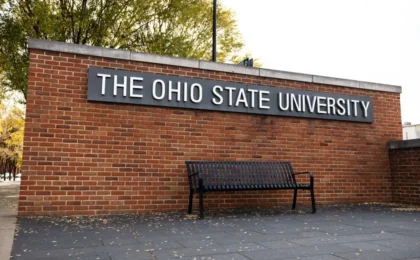
- The Ohio Anomaly: Ohio represents the rare state where the Capitol Hill pipeline is contracting. Term-limited Republican Gov. Mike DeWine—a veteran of both the U.S. House and U.S. Senate—will be succeeded by a candidate lacking federal legislative background, as Republican Vivek Ramaswamy faces Democratic former state health director Amy Acton.
Official Responses and Political Perspectives
Political strategists, election analysts, and the candidates themselves attribute this migration to structural changes in American governance and increasing institutional paralysis in Washington.
"Washington has become a place of public optics and legislative gridlock, whereas state capitals remain places of direct policy execution," noted Nathan L. Gonzales, editor and publisher of Inside Elections. "For lawmakers who went to Congress expecting to pass sweeping legislation, the realization that true policy leverage now resides in executive mansions is driving this geographic shift."
Candidates across party lines have echoed similar motivations during their campaign announcements:
- Focus on Direct Governance: Campaign statements from candidates like Sen. Amy Klobuchar and Rep. Byron Donalds emphasize a desire to bypass congressional procedure in favor of immediate administrative delivery. "In state executive roles, you set the agenda, sign the budget, and oversee implementation every single day," Donalds noted during a recent campaign swing in central Florida.
- Frustration with Federal Inaction: Former state officials turned federal candidates report that federal partisanship limits regional progress. "State executives have to deliver tangible results—from infrastructure to economic development—regardless of national political noise," declared former New Mexico Rep. Deb Haaland during her campaign kickoff.
Political analysts also point out that high-profile federal lawmakers bring built-in advantages to gubernatorial races, including national fundraising networks, established brand recognition, and deep experience navigating major media markets.
Strategic and Systemic Implications
The potential presence of 20 former members of Congress in state gubernatorial mansions by January 2027 carries significant implications for American federalism, state governance, and partisan dynamics.
       IMPACT OF CONGRESSIONAL EXPERTISE ON STATEHOUSES

  Institutional Expertise       Federal-State Friction        Nationalized Local Politics
  -----------------------       ----------------------        ---------------------------
  • Deep familiarity with       • Governors positioned to     • Federal-style partisan
    federal grant structures,     directly challenge federal    polarization imported into
    administrative law, and       mandates, leveraging past     state legislative and
    statutory mechanics.          Hill relationships.           budgetary processes.
1. The Nationalization of State Executive Politics
As national figures move into statehouses, state-level campaigns and administrative policies are increasingly nationalized. Governors with federal backgrounds are more likely to engage in high-profile national policy debates—ranging from immigration and energy regulations to federal judicial appointments—using their platforms to challenge or reinforce presidential administrations.
2. Enhanced Federal-State Policy Friction
Governors who previously served in Congress possess intimate knowledge of federal statutory language, administrative agencies, and congressional appropriations processes. This expertise allows state executives to more effectively navigate—or legally challenge—federal mandates, grant conditions, and executive regulatory actions. A governor who served on key House or Senate committees is uniquely equipped to leverage administrative law against federal overreach.
3. Shift in Political Career Trajectories
For decades, serving in the U.S. Senate or House of Representatives was viewed as the pinnacle of legislative achievement. The movement of high-ranking senators like Klobuchar, Blackburn, and Tuberville to statehouses signals a fundamental recalibration: legislative service is increasingly viewed as a stepping stone to executive power, rather than a final political destination.
4. Importation of Washington-Style Partisanship
While executive authority requires management and compromise, critics warn that former federal lawmakers may import D.C.-style political tactics into state legislatures. Governors used to federal partisan polarization may face friction with state legislatures accustomed to localized coalition-building, particularly in states with divided government.
Looking Ahead to 2027
As the 2026 midterm elections approach, the potential for 40% of U.S. state and territorial governors to hold Capitol Hill experience represents a major shift in the balance of political talent. Whether this trend leads to more effective state management or further nationalizes state-level politics, the 2026 election cycle is set to solidify the state executive mansion as the premiere center of operational power in American politics.