In a significant development for automotive safety regulation, the National Highway Traffic Safety Administration (NHTSA) has officially elevated its investigation into General Motors’ "eBoost" electronic brake system to an engineering analysis. This transition represents the most critical stage of federal oversight, serving as the final regulatory hurdle before the agency gains the authority to mandate a nationwide safety recall.
The investigation, which has been simmering since April 2024, now encompasses a staggering 1.16 million vehicles. The scope is broad, affecting a diverse range of models from General Motors, Honda, and Acura—all of which utilize the company’s proprietary electronic braking architecture. While the NHTSA has not yet formally classified the system as a safety defect, the move to an engineering analysis signals that regulators have uncovered sufficient "risk signals" to warrant an exhaustive deep dive into the hardware, software, and real-world performance data of these braking systems.
The Evolution of the Investigation: From Preliminary to Formal
The road to this escalation began in the spring of 2024, when the Office of Defects Investigation (ODI) launched a preliminary evaluation following a spike in reports from 2023 Cadillac Lyriq owners. Drivers complained of a sudden and alarming loss of brake assist, a critical function that reduces the amount of physical force required to decelerate a vehicle.
For over two years, federal investigators have been quietly gathering information. The transition to an engineering analysis—the same rigorous path the agency recently applied to its ongoing investigation into GM’s L87 V8 engines—indicates that the initial findings were not enough to satisfy safety concerns. By moving to this phase, the NHTSA can now compel the automaker to provide detailed technical specifications, internal failure analysis reports, and comprehensive diagnostic data that were previously shielded or not requested under the preliminary evaluation.
Supporting Data: By the Numbers
The scale of the concern is underscored by the sheer volume of complaints filed with federal regulators. According to current NHTSA filings, the investigation now covers 1,164,820 vehicles spanning 14 different model lines from the 2023 through 2026 model years.
The data provided by the ODI is particularly troubling for stakeholders:
- Total Affected Population: Approximately 1.16 million units.
- Unique Failure Reports: 745 documented instances of eBoost failure.
- Safety Incidents: 22 reported crashes or vehicle fires attributed to the system.
- Injuries: 6 confirmed injuries related to the malfunctions.
- Fatalities: 0 reported to date.
The discrepancy between the manufacturer’s stance and the reality experienced by owners is a primary driver of the inquiry. General Motors has historically maintained that even in the event of an "eBoost spindle fracture," the vehicle’s mechanical redundancy should allow a driver to bring the car to a stop. However, the ODI reports that many consumer complaints describe an "abrupt and total loss of braking capability," which contradicts the manufacturer’s claims regarding the system’s fail-safe design. The investigation is now tasked with determining why these failures occur so suddenly and why the purported redundancy is failing in real-world scenarios.
A Wide-Reaching Scope: Impacted Models
The ubiquity of the eBoost system across GM’s "Ultium" platform and its associated joint ventures has created a complex web of affected vehicles. Because the hardware is shared across so many platforms, the recall potential is exceptionally broad.
Cadillac and Electric Vehicles
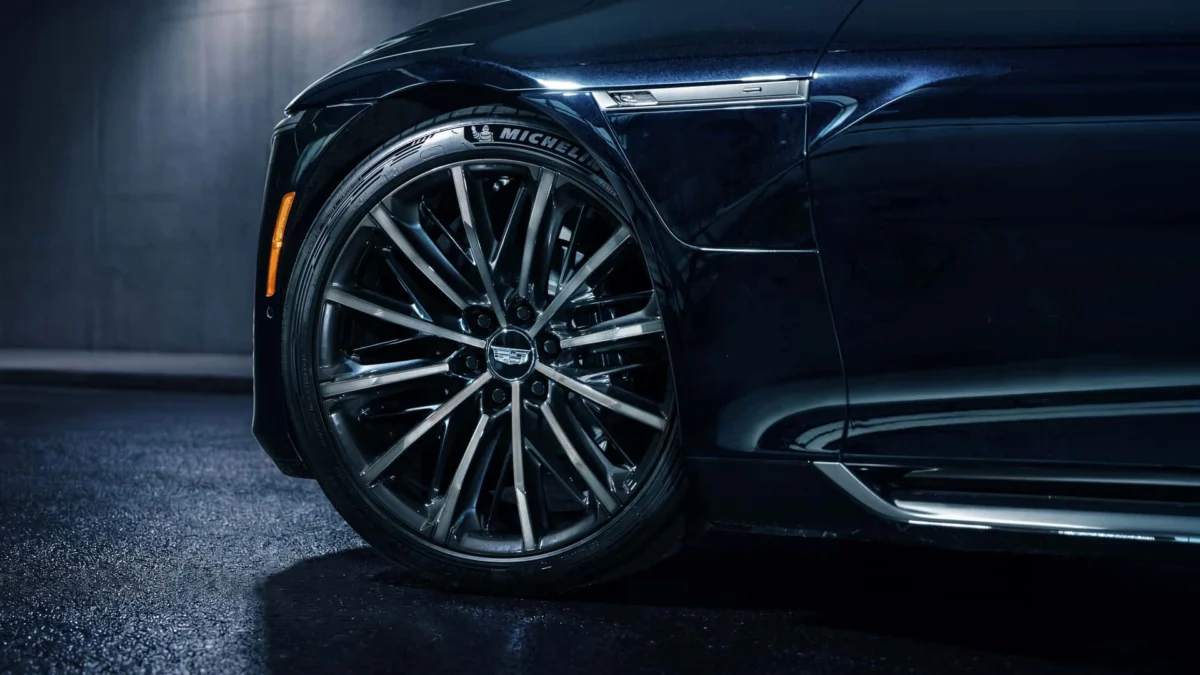
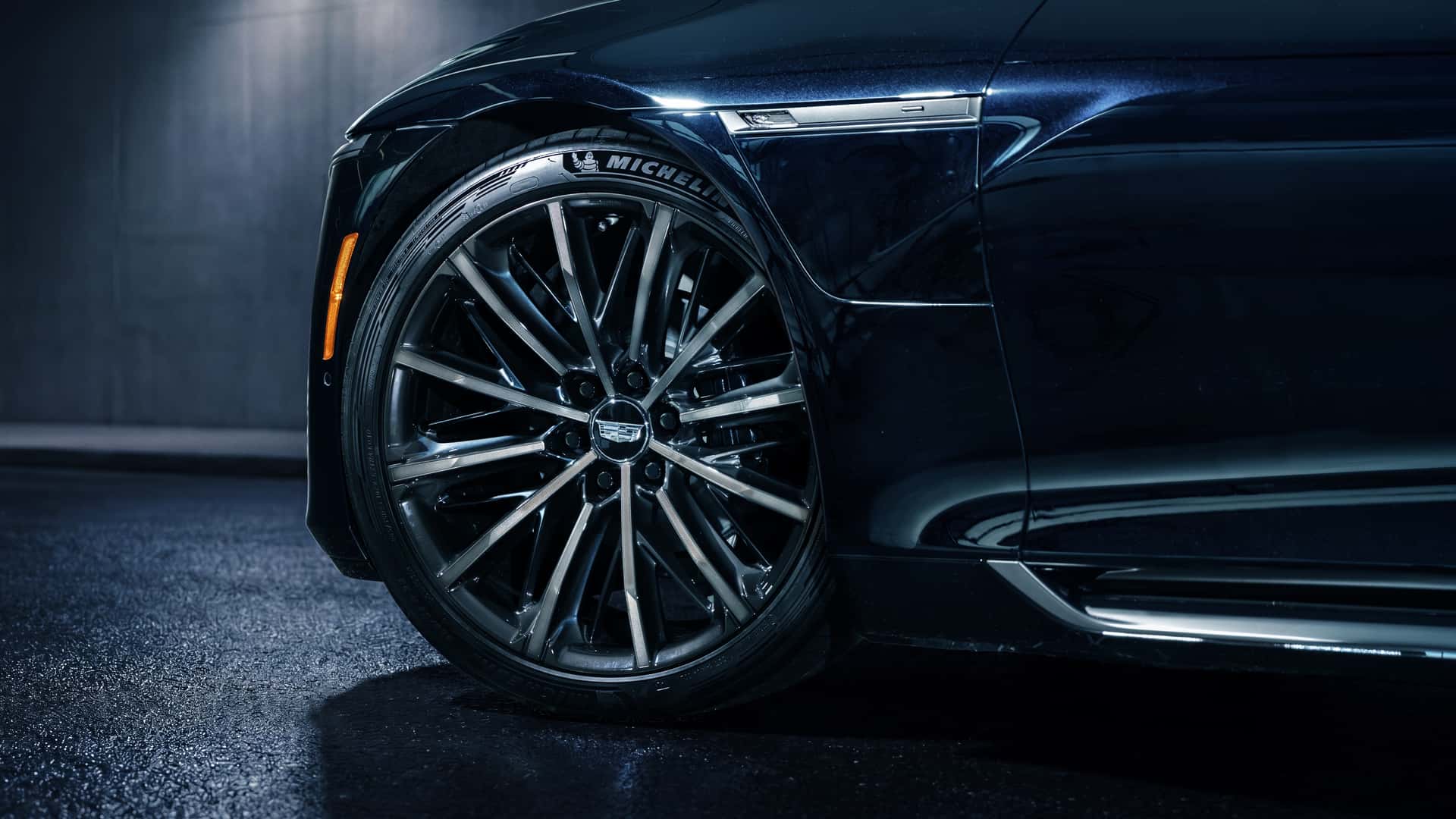
The Cadillac brand sits at the epicenter of this probe. The 2023–2026 Cadillac Lyriq, along with the newer Optiq and the ultra-luxury Celestiq, are all under the microscope. The Chevrolet Blazer EV and Equinox EV, two high-volume entries in the electric market, are also included.
Conventional and Hybrid Crossovers
The issue is not limited to pure battery-electric vehicles (BEVs). The investigation includes internal combustion and hybrid models that rely on the same electronic braking architecture, including:
- Buick: Enclave and Envision
- Chevrolet: Traverse, Colorado, and the fleet-oriented Cruise Origin
- GMC: Acadia and Canyon
The Honda and Acura Connection
Perhaps the most notable aspect of this investigation is the inclusion of vehicles built for Honda and Acura. The Honda Prologue and the Acura ZDX are both engineered on General Motors’ Ultium platform. Because these vehicles utilize the exact same eBoost hardware, they have been swept into the NHTSA’s investigation. These models have already faced significant scrutiny this year, including a previous recall regarding "black-screen" display issues, making the prospect of a second major safety recall a significant challenge for both the GM-Honda partnership and the reputation of these specific models.
The Mechanics of Failure: What Drivers Experience
The reports from owners follow a consistent pattern. Many users report the sudden appearance of a "Brake System Failure" warning light on their dashboard, either at the moment of startup or, more alarmingly, while in motion. Others describe a "hard pedal" sensation, where the brake pedal becomes nearly impossible to depress, effectively stripping the driver of the ability to modulate speed effectively.
The NHTSA has warned that these failures result in a significant increase in stopping distances. In an emergency scenario, even a fraction of a second of lost braking performance can be the difference between a near-miss and a collision. The engineering analysis is specifically designed to isolate whether these failures are caused by a software glitch that misinterprets sensor data, or a physical, metallurgical failure of the spindle components within the brake booster assembly.
Implications and Potential Outcomes
For owners of these vehicles, the uncertainty is perhaps the most frustrating aspect. The NHTSA’s investigation process is notoriously slow, and an engineering analysis can often stretch on for months or even years.
What Should Owners Do?
The NHTSA has advised owners to remain vigilant. If a driver experiences a "Brake System Failure" warning, feels a "firm" or "heavy" brake pedal, or notices that the vehicle is not decelerating as expected, they should:
- Document Everything: Keep a detailed log of when the event occurred, the speed of the vehicle, and any warning lights that appeared.
- Contact the Dealer Immediately: Do not wait for a formal recall notice. If the vehicle is exhibiting symptoms, it should be inspected by an authorized service center.
- File a Complaint: If a failure occurs, filing an official report via the NHTSA website is critical. These consumer complaints are the primary fuel for the agency’s investigative engines.
The Corporate Outlook
For General Motors, the stakes are exceptionally high. A recall of over 1.1 million vehicles is a logistical and financial undertaking of massive proportions. If the fix requires a physical replacement of the eBoost hardware, the cost will be compounded by the complexity of the repair and the current strain on automotive supply chains. If the issue can be resolved via an over-the-air (OTA) software update—a potential "fix" for some electronic-based faults—the scope of the recall would be easier to manage, but it would require the NHTSA to be fully convinced that software can adequately mitigate a mechanical risk.
Furthermore, the situation serves as a stark reminder of the risks associated with platform sharing. While sharing components across multiple brands (GM, Honda, Acura) creates economies of scale that drive down production costs, it also creates a "single point of failure." When a critical component like a brake booster is flawed, that flaw is magnified by a factor of 1.16 million, affecting a wide variety of consumers who may not even be aware that their non-GM vehicle is relying on a GM-designed braking system.
As this investigation proceeds, the automotive industry will be watching closely. Whether this concludes in a massive, coordinated recall or a more targeted service campaign, the result will likely shape how regulators view the integration of electronic braking systems in the future of the electrified automotive landscape.