As the tennis world turns its gaze toward the manicured lawns of the All England Lawn & Tennis Club, the air in London is thick with anticipation. The 2026 Wimbledon Championships, the third and most prestigious Grand Slam of the calendar year, arrives at a moment of transition for the sport. With the draws now finalized, the narratives are beginning to solidify: the established titans are feeling the heat, and a surging contingent of American talent is looking to disrupt the traditional European hegemony.
Following the unpredictable volatility of the French Open, where top-seeded players struggled to navigate the treacherous clay, experts are warning that Wimbledon may offer more of the same. While oddsmakers have pegged Jannik Sinner (-165) and Aryna Sabalenka (+350) as the respective favorites, recent history suggests that the grass at SW19 is rarely as predictable as the statistics might suggest.
The State of Play: Analyzing the 2026 Field
The release of the official draws has provided a roadmap for the two-week gauntlet that defines the sport’s most historic tournament. For the men, the absence of Carlos Alcaraz from the primary conversation—due to injury concerns and tactical shifts—has left a vacuum that players like Sinner are expected to fill. However, the women’s field is even more fractured, with the trio of Sabalenka, Iga Swiatek, and Elena Rybakina facing significant questions regarding form, health, and mental fortitude.
As we look toward the opening rounds, the betting markets reflect a growing skepticism regarding the "top-tier" dominance. Our analysis suggests that the true value lies not in the favorites, but in the disruptive forces currently peaking at the right time.
Chronology of the Grass Court Season
To understand the current landscape, one must examine the lead-up tournaments that have defined the past month. The grass-court swing is notoriously short, leaving little room for error.
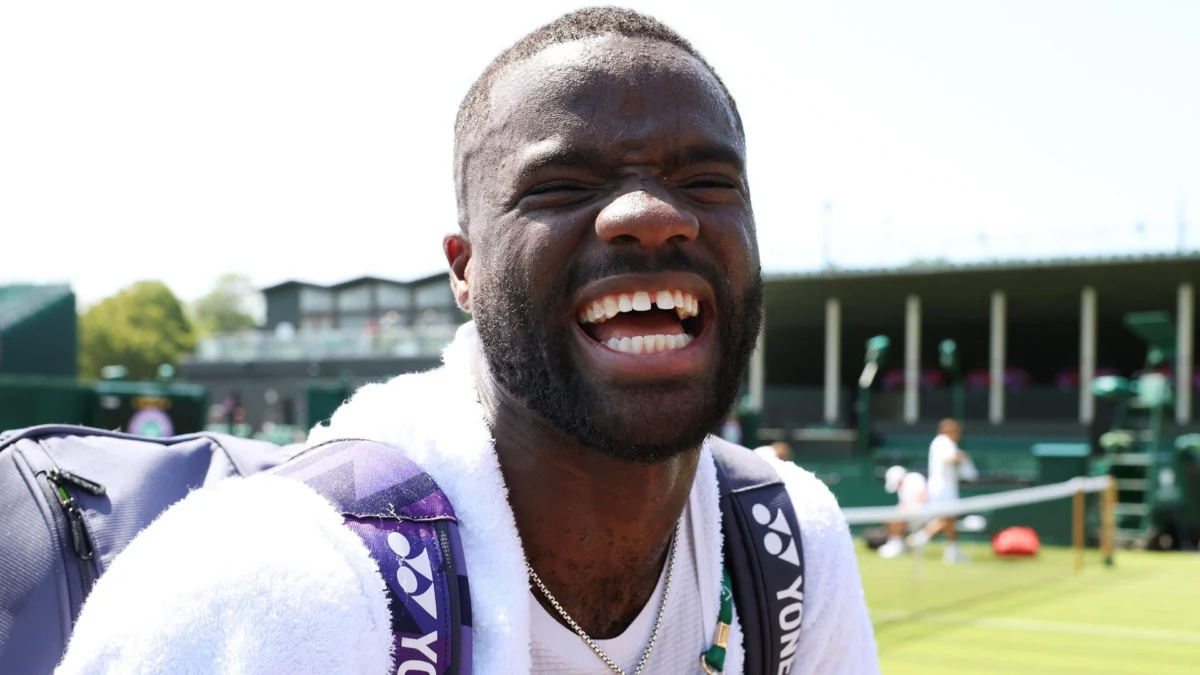
- Mid-June (Halle, Germany): The emergence of Frances Tiafoe as a legitimate grass-court threat began here. Tiafoe dominated the field, dropping only a single set throughout the week. His systematic dismantling of Taylor Fritz in the final—a match that saw Tiafoe control the pace and baseline—sent a clear signal to the rest of the ATP tour.
- Late-June (Stuttgart, Germany): Ben Shelton demonstrated his transition to grass with a gritty victory. While his path was less clinical than Tiafoe’s, the nature of his wins highlighted an elite athletic recovery and a serve that remains arguably the most potent weapon on the tour.
- Current (London, UK): Players have now shifted to the All England Club for final preparations. The practice courts are buzzing with rumors of who is struggling with the bounce and who has found the rhythm required to survive the initial week of play.
Supporting Data: Why the "Field" is the Smart Money
The statistical breakdown for the 2026 Wimbledon tournament is revealing. We have identified three distinct betting angles that challenge the conventional wisdom surrounding the favorites.
1. The 4th Quarter Gamble: Frances Tiafoe (+650)
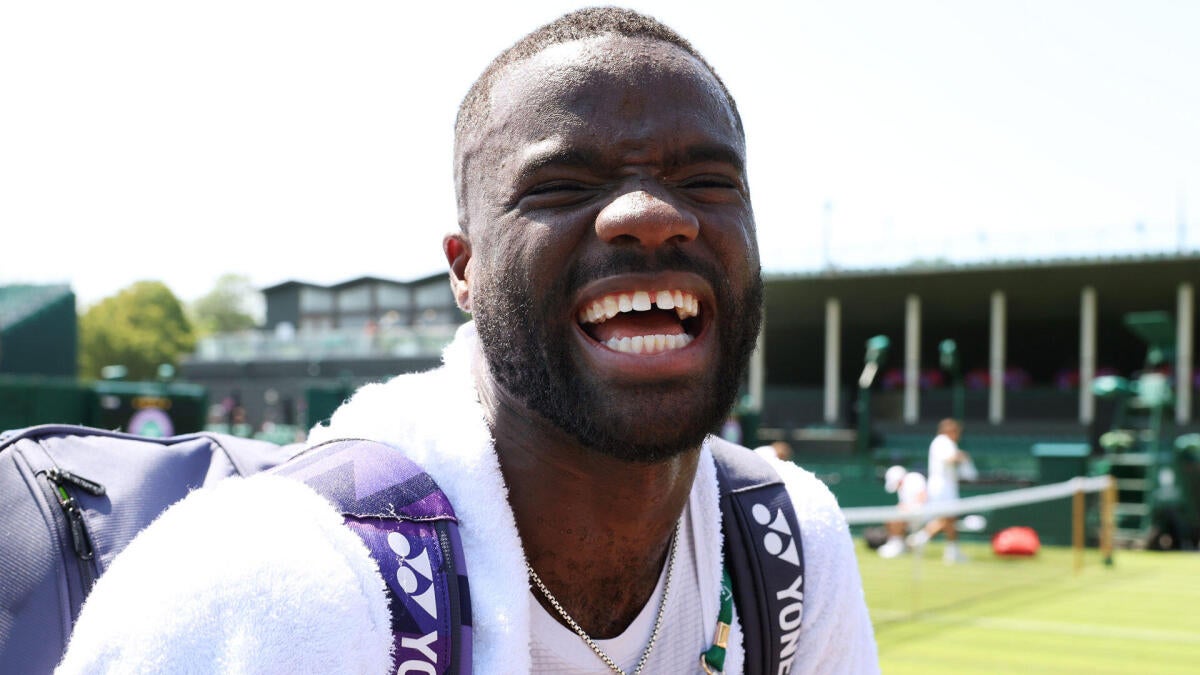
Tiafoe finds himself in a stacked quadrant of the bracket, sharing space with the likes of Alexander Zverev (+200), Taylor Fritz (+350), and Jack Draper (+550). On paper, he is the underdog. In reality, he is the form player. Momentum is a tangible asset in tennis, and Tiafoe’s ability to sweep three top-10 opponents in Halle proves that he has bridged the gap between being a dangerous floater and a legitimate contender. If he can maintain the service efficiency he displayed in Germany, he is primed to emerge from the fourth quarter.
2. The Case for the "Big Server": Ben Shelton (+1600)
Shelton’s odds reflect his relative lack of Grand Slam experience compared to the established elite, but his profile is tailor-made for grass. His serve, which can reach speeds that disrupt the rhythm of even the most elite returners, is a force multiplier on faster surfaces. With questions surrounding Novak Djokovic’s current form and the inconsistencies in Sinner’s play under high-pressure scenarios—specifically when the temperatures rise—Shelton represents the highest upside pick for the outright tournament title.
3. The Women’s Field (-165) vs. The Favorites
The most compelling narrative in the women’s game is the vulnerability of the top seeds.
- Aryna Sabalenka: Her path to the final is littered with landmines. A quarter that includes Mirra Andreeva, Karolina Muchova, and Naomi Osaka is arguably the most difficult in the draw. When paired with her documented history of "mental blow-ups" during high-stakes matches, she is a difficult sell as the tournament winner.
- Iga Swiatek: The defending champion is struggling to find her 2025 rhythm, currently sitting at a 21-11 record for the 2026 season. A difficult first-round matchup against Taylor Townsend is the exact kind of trap game that could derail a repeat bid before it truly begins.
- Elena Rybakina: Perhaps the most talented of the three on grass, Rybakina has lost four of her last six matches. Her inconsistency is a statistical red flag that cannot be ignored.
Implications for the Tour
The implications of a potential "upset-heavy" Wimbledon are significant for the structure of the ATP and WTA tours. If the favorites fail to secure the trophy, it confirms a trend that has been bubbling since the beginning of the year: the democratization of the Grand Slam winner’s circle.
The rise of players like Tiafoe and Shelton is not just a statistical anomaly; it is a shift in the style of play. Modern grass-court tennis is becoming less about the traditional serve-and-volley and more about high-velocity baseline aggression combined with superior recovery athleticism. For the sport’s governing bodies, this transition represents a golden opportunity to market a new generation of stars who are comfortable playing with personality and flair.
Official Responses and Expert Outlook
While the players themselves remain focused on the tactical adjustments required for the grass, coaches and analysts have been vocal about the unpredictability of the 2026 grass season.

"The conditions this year feel faster," noted one prominent tennis consultant. "The ball is biting the turf, which favors the players who are willing to take risks. Those who play with fear—or who are relying on outdated defensive strategies—are going to find themselves on the plane home by the middle of the second week."
The consensus among analysts is that we are entering a "Parity Era." The gap between the World No. 1 and the World No. 30 has narrowed significantly, primarily due to advancements in sports science and data-driven scouting. Players are now arriving at Wimbledon with a much clearer understanding of their opponents’ weaknesses, leaving less room for the "routine" wins that used to carry top seeds deep into the second week.
Conclusion: Watching the Grass Turn
As we approach the first serve, the 2026 Wimbledon Championships offer a compelling narrative of risk versus reward. For the casual fan, the tournament is a spectacle of tradition and prestige. For the astute observer, however, it is a high-stakes chess match where the old guard is being challenged by a hungry, technically proficient, and highly motivated youth movement.
Whether the favorites hold firm or the longshots dismantle the bracket, one thing is certain: the 2026 Wimbledon tournament is poised to be one of the most unpredictable and exciting chapters in the sport’s long history. The grass is ready, the crowds are waiting, and the path to the championship is wide open. For those looking to follow every twist and turn, the coming fortnight will likely be defined by the very upsets that many are currently overlooking.