By International Desk
Updated: August 25, 2026 – 07:26 GMT
Overview: A Flashpoint Ignited
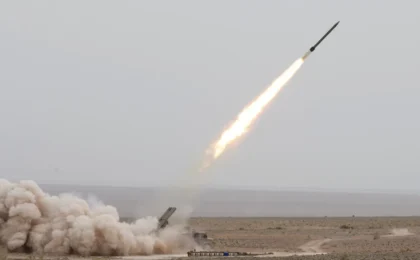
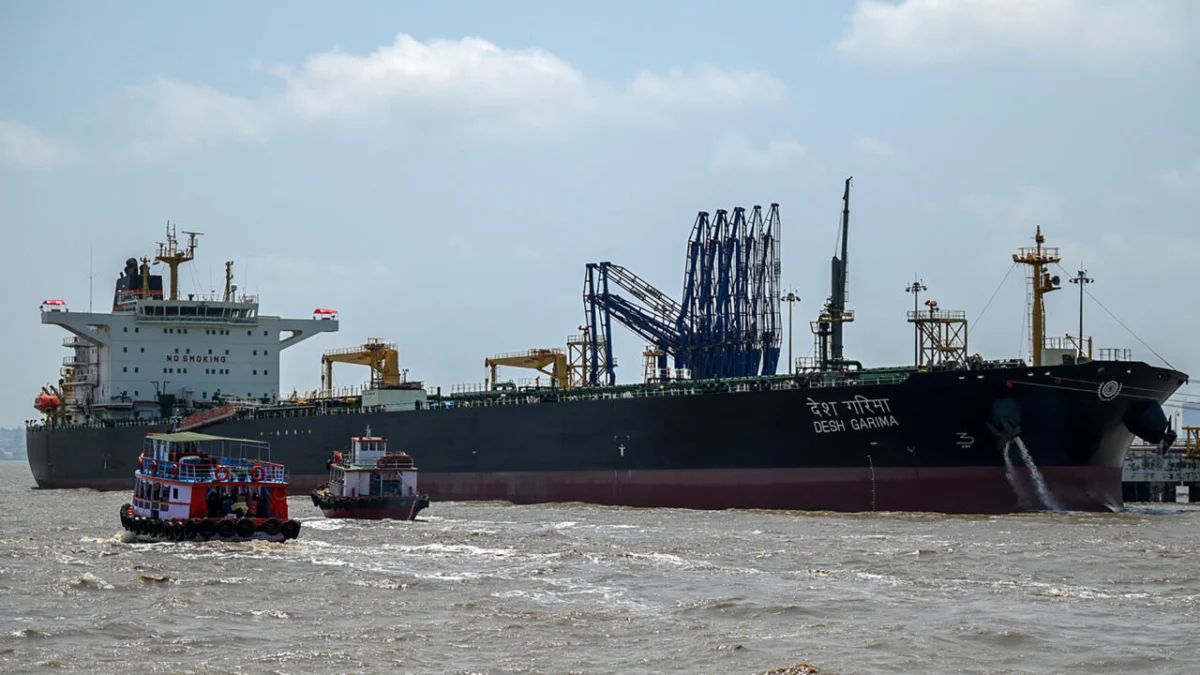
In a volatile development that has sent shockwaves through global energy markets, an oil tanker was struck by an unidentified projectile while navigating the Strait of Hormuz off the coast of Oman early Tuesday morning. The United Kingdom Maritime Trade Operations (UKMTO), which monitors security in the region, confirmed the incident, noting that while the vessel sustained structural damage, there were no reported casualties among the crew.
This latest strike is far from an isolated incident; it serves as a grim escalation of the ongoing maritime blockade imposed by Tehran. Since the late February strikes conducted by the United States and Israel against Iranian military infrastructure, the Islamic Republic has effectively seized control of the world’s most critical maritime chokepoint. Iran’s stated policy is to impose a "transit toll" on all commercial traffic, targeting and attacking any vessel it perceives as attempting to circumvent its newly enforced, state-mandated routes.
Chronology: From February Strikes to August Tensions
The current geopolitical impasse is the direct successor to the dramatic events of February 2026. To understand the gravity of this morning’s attack, one must look at the timeline of the breakdown of maritime security in the Persian Gulf.
- February 2026: In response to heightened regional tensions and alleged Iranian proxy activities, U.S. and Israeli forces launched a series of precision strikes against Iranian military depots and radar installations. The strikes were intended to degrade Tehran’s ballistic missile capabilities.
- March 2026: Tehran announced a shift in its maritime strategy, declaring that the Strait of Hormuz—the artery through which roughly one-fifth of the world’s petroleum consumption passes—would henceforth be under its "security oversight."
- May–July 2026: A series of "warning shots" and "inspection seizures" occurred. Iran began demanding that tankers provide manifest details, threatening military intervention against any ship not explicitly "cleared" by Iranian port authorities.
- August 25, 2026: The projectile strike on an unnamed tanker marks the most direct act of kinetic force since the blockade began, signaling a move from intimidation to active combat engagement against commercial shipping.
Supporting Data: The Global Energy Risk
The Strait of Hormuz is arguably the most strategically vital narrow waterway on the planet. Its closure, or even the perception of its instability, has immediate, quantifiable effects on the global economy.
The Math of Dependency:
According to data from the U.S. Energy Information Administration (EIA), approximately 21 million barrels of oil pass through the Strait daily. This represents about 21% of global petroleum liquids consumption. The current blockade, which functions as an unofficial tax-collection scheme, has led to a 14% surge in global crude prices over the last 72 hours alone.
The Economic Impact:
- Insurance Premiums: Maritime insurance companies have hiked "war risk" premiums for vessels entering the Gulf by nearly 400% compared to January 2026.
- Supply Chain Disruption: Major shipping conglomerates, including Maersk and Hapag-Lloyd, have redirected vessels around the Cape of Good Hope, adding approximately 15 to 20 days to transit times between the Middle East and European ports.
- Inflationary Pressure: Economists project that the sustained instability in the Strait could add an additional 0.8% to global inflation rates by the end of Q4, as fuel costs translate into higher shipping and manufacturing overheads.
Official Responses and Geopolitical Posturing
The international reaction to the Tuesday morning strike has been swift, though unified only in its concern.
Tehran’s Stance:
Iranian officials have maintained that the "transit toll" is a sovereign right intended to recoup losses caused by Western sanctions. A spokesperson for the Islamic Revolutionary Guard Corps (IRGC) stated, "The Strait is under the protection of the Iranian Navy. Any vessel that refuses to coordinate its passage or attempts to smuggle goods in defiance of our regulations will be considered a hostile actor."

Washington and London:
The U.S. State Department issued a statement reiterating that the United States "will not tolerate any attempt to disrupt the freedom of navigation." Washington has signaled it is reviewing "all options," including the potential for enhanced naval escort missions. The UKMTO, meanwhile, has urged all commercial vessels to remain vigilant and report any "unusual activity" immediately, though they have stopped short of advising a full cessation of transit.
Regional Actors:
Oman and the United Arab Emirates have called for an immediate de-escalation, fearing that a full-scale military confrontation in their backyard would devastate their own energy-dependent economies. There is a palpable sense of unease in the Gulf Cooperation Council (GCC) as member states struggle to balance their security alliances with the U.S. against the reality of their geographic proximity to Iran.
Implications: The Threat of an Unintended War
The danger of this current situation lies in the "escalation ladder." By treating commercial shipping as a proxy for military and political pressure, Tehran has blurred the line between law enforcement and an act of war.
The Risk of Miscalculation
Military analysts warn that the presence of multiple navies—including the U.S. Fifth Fleet and Iranian patrol craft—in a confined space creates a "tinderbox" scenario. A single mistake by a junior officer on either side could lead to a localized exchange of fire, which could rapidly spiral into a broader regional conflict.
The "Toll" Precedent
If Iran succeeds in establishing the Strait of Hormuz as a toll-road, it would represent a fundamental shift in international maritime law. The concept of "innocent passage," codified in the United Nations Convention on the Law of the Sea (UNCLOS), is essentially being dismantled in one of the world’s most critical zones. If this is allowed to stand, other nations may feel emboldened to exert similar control over other strategic chokepoints, such as the Malacca Strait or the Suez Canal.
Long-term Energy Realignment
Perhaps the most significant long-term implication is the acceleration of the global energy transition. Major oil importers in Asia and Europe are already exploring alternatives to Persian Gulf oil, including increased reliance on North American shale and South American reserves. The current instability serves as a catalyst for what many energy strategists call "the Great Decoupling," where global markets seek to insulate themselves from the political volatility of the Middle East.
Conclusion: A Precarious Future
As the sun sets on the Strait of Hormuz, the situation remains fluid. The damaged tanker is currently being assisted by tugs, and international maritime investigators are scrambling to identify the nature of the projectile.
The world now watches with bated breath to see how the United States and its allies will respond to this latest provocation. Will they opt for a diplomatic resolution, a tightening of sanctions, or a more assertive military posture? One thing is certain: the era of "business as usual" in the Persian Gulf has ended, and the international community is now navigating a period of unprecedented maritime peril.
Stay tuned to our liveblog for minute-by-minute updates as this developing story unfolds.